

Brown Walnut Table
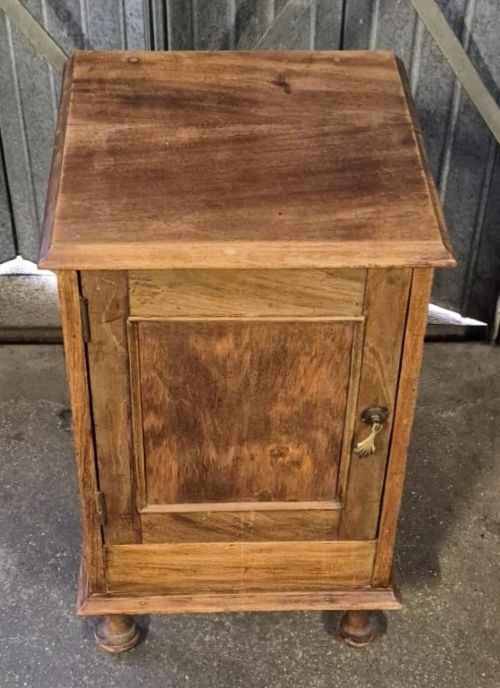
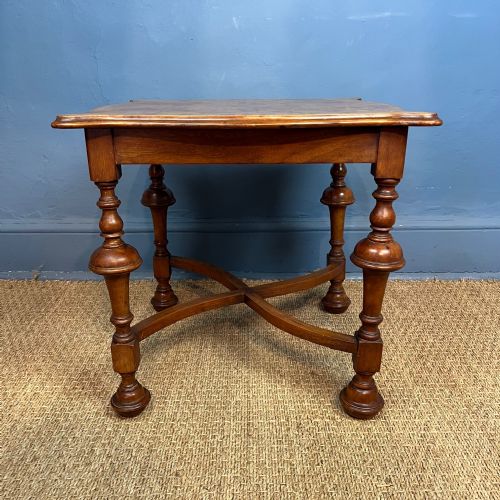
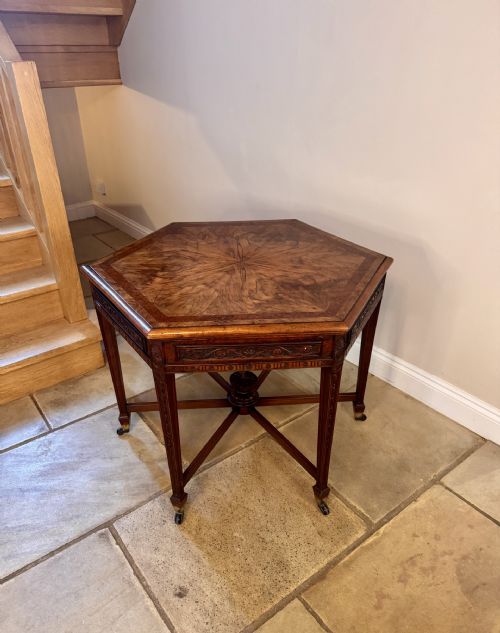
When you want a brown walnut table, you are looking at timber worked across three centuries into desks, games tables, and dining pieces.
Brown Walnut Table
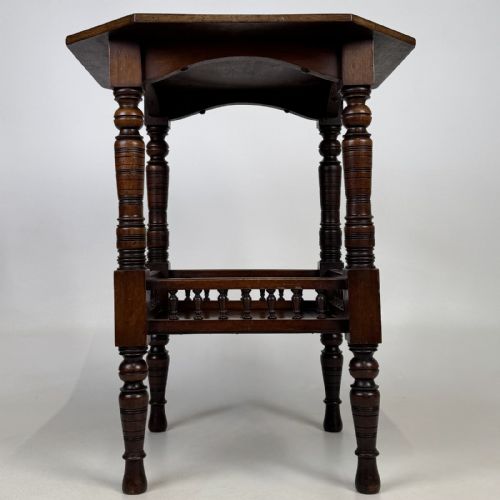
A brown walnut table spans domestic furniture built across the Georgian, Victorian, Edwardian, and Art Deco periods. These pieces appear as occasional tables, card tables, centre tables, and dining tables, utilising the rich tones of the timber.
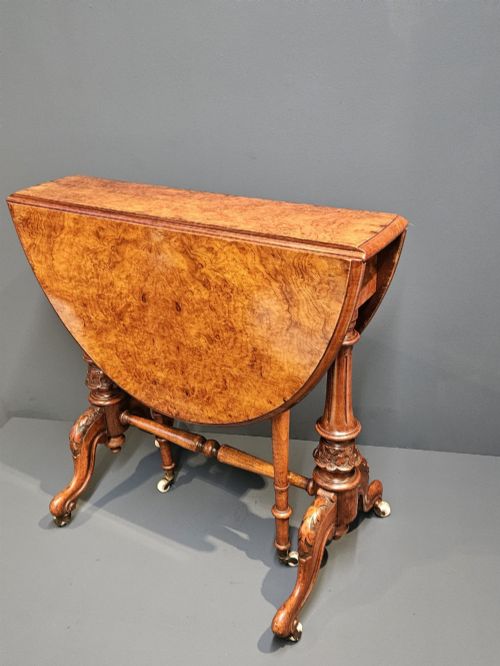
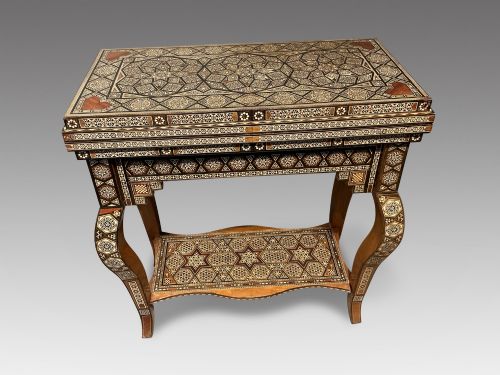
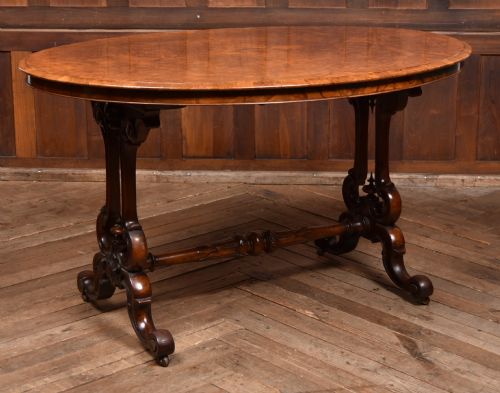
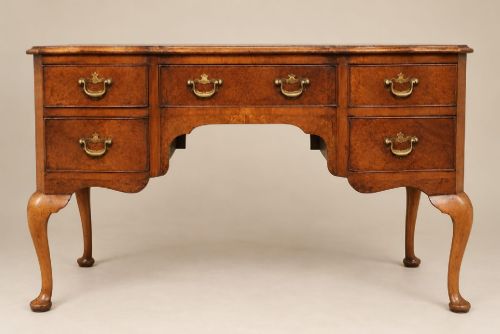
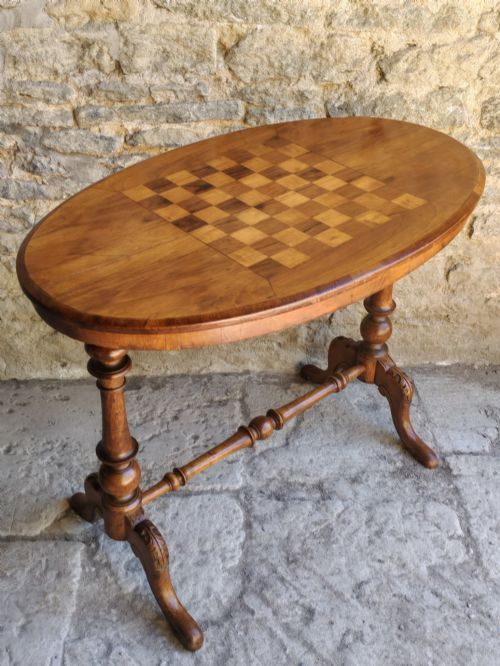
The Victorian examples dominate the selection, often taking the form of oval centre tables, inlaid lamp tables, and fold-over games tables in burr walnut. Alongside these, Georgian kneehole desks and 1930s Art Deco coffee tables demonstrate the continuous appeal of the wood.
Buyers encounter everything from small occasional lamp tables to large boardroom and dining tables. The forms reflect the social habits of their respective eras, from Victorian needlework tables to twentieth-century cocktail trolleys.

How they were made
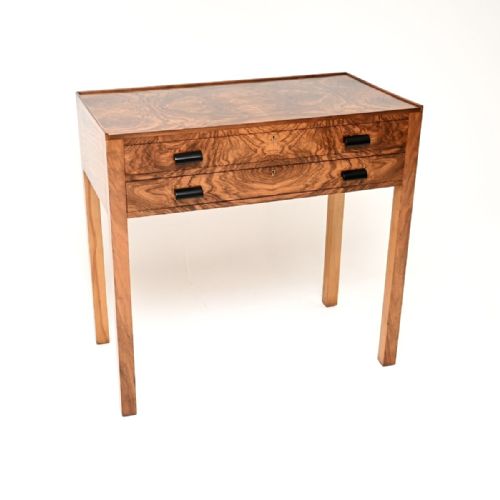
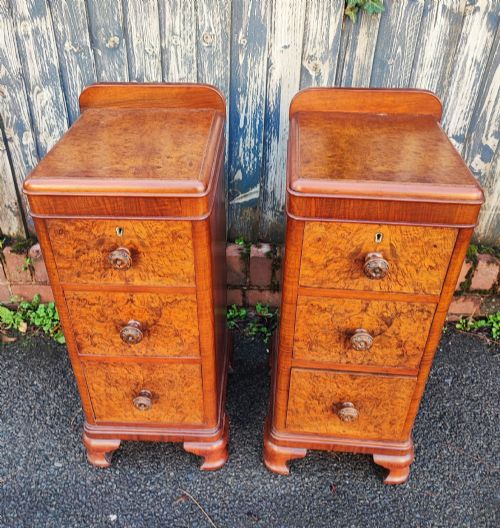
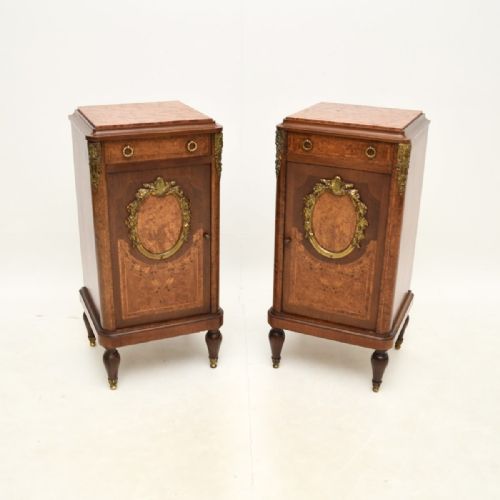
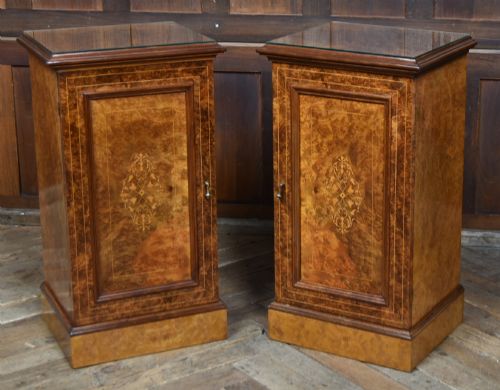
Cabinet makers utilised solid walnut for structural frames and legs, while applying figured burr walnut veneer to table tops and drawer fronts to display the swirling grain patterns. Marquetry inlay, brass mounts, and carved wooden bases frequently accent the design.
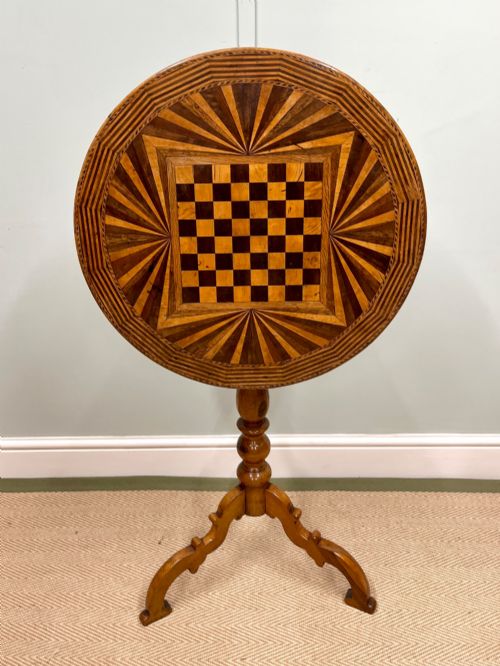
Leather inserts appear on writing and desk surfaces, often tooled with gilt borders. Tilt-top mechanisms, brass castors, and turned or carved pedestals show the mechanical joinery employed by makers in the nineteenth and early twentieth centuries.
Brown Walnut Table Retail Price Guide 2026
Typical asking prices for brown walnut table among the pieces listed under this phrase on Sellingantiques today, from the lower quarter to the upper quarter. They describe what is for sale here now, not the wider market.
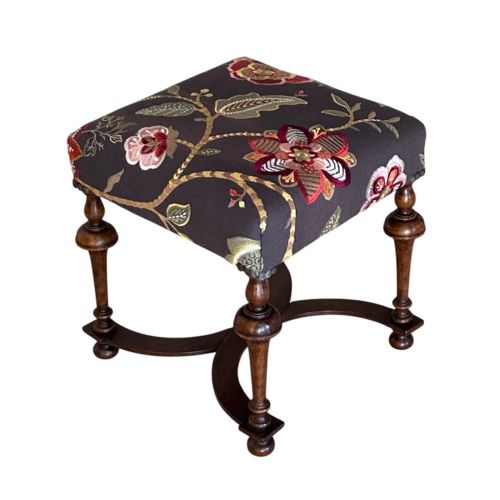
A revolving music stool waits to spin your records.
What varies in quality
Quality rests in the selection of the timber and the depth of the grain visible in the burr walnut veneer. Superior items display carefully matched veneer panels across large table tops rather than mismatched cuts.
The crispness of the hand-carving on pedestal bases and the fidelity of the marquetry inlay distinguish finer pieces from standard production. Construction details such as dovetail joints in drawers and stable tilt-top actions dictate the tier of craftsmanship.
Maurice Adams·Comitti Of London·H.A.C.
The Brown Walnut Table Glossary
- Burr Walnut
- A figured wood obtained from the warted growths on walnut trees. It produces highly decorative, swirling patterns prized for table tops.
- Marquetry
- The art of applying pieces of veneer to a structure to form decorative patterns. It frequently incorporates floral or geometric designs.
- Tilt-Top
- A table mechanism allowing the top to pivot and lock vertically. This saved space in domestic interiors when the furniture was not in use.
- Kneehole Desk
- A compact writing desk featuring a recessed central space for the legs flanked by pedestals of drawers. They date predominantly from the Georgian period.
- Sutherland Table
- A narrow drop-leaf table with hinged flaps supported by swinging gate legs. It was designed to occupy minimal floor space.
- Lamp Table
- A small occasional table intended to hold a lighting fixture or decorative object. These are common in Victorian and Edwardian selections.
Brown Walnut Table: Frequently Asked Questions
How do I date a brown walnut table?
Dating relies on stylistic clues, construction methods, and timber choice. Georgian pieces show simpler lines and solid timber construction, while Victorian examples often feature heavy burr walnut veneers, turned pedestals, and elaborate marquetry.
Twentieth-century pieces, such as Art Deco items, introduce streamlined geometric forms or leather top surfaces. Examining the drawer dovetails and underside fixings provides further confirmation of the period.
Where were these tables used originally?
These tables served various domestic and formal rooms depending on their specific form. Centre tables stood in the middle of Victorian parlours, while lamp tables sat beside seating.
Dining and boardroom tables occupied principal reception spaces for meals and meetings. Smaller games tables were brought out for evening entertainment.
How should I care for a walnut surface?
Walnut requires protection from direct sunlight and excessive heat sources to prevent the timber from drying and the veneer from lifting. Regular dusting with a soft, dry cloth maintains the finish without needing heavy silicone polishes.
Applying a traditional beeswax periodically nourishes the wood and enhances the grain depth. Leather inserts benefit from specialised leather creams rather than standard furniture wax.
What is the difference between solid walnut and burr walnut?
Solid walnut uses standard timber milled from the trunk of the tree, displaying a straight, uniform grain. Burr walnut comes from a specialised growth or burl on the tree, yielding an irregular, highly figured pattern.
Makers typically reserved burr walnut veneer for prominent display surfaces like table tops, while using solid walnut for structural legs and framework.