

Vintage Low Coffee Table
A vintage low coffee table anchors a room with understated proportions, bringing centuries of timber and craft to ground level.
Vintage Low Coffee Table
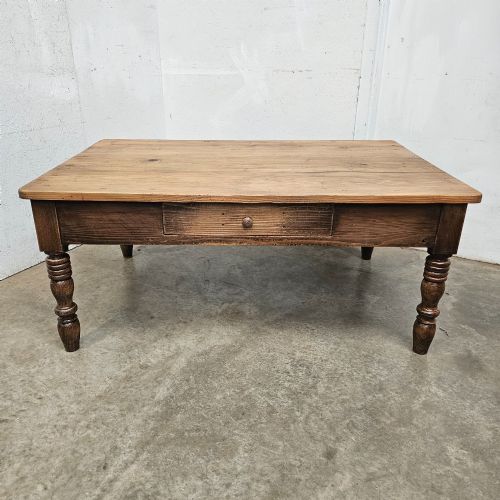
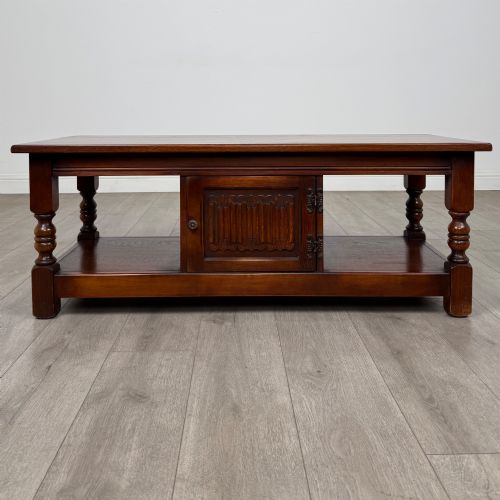
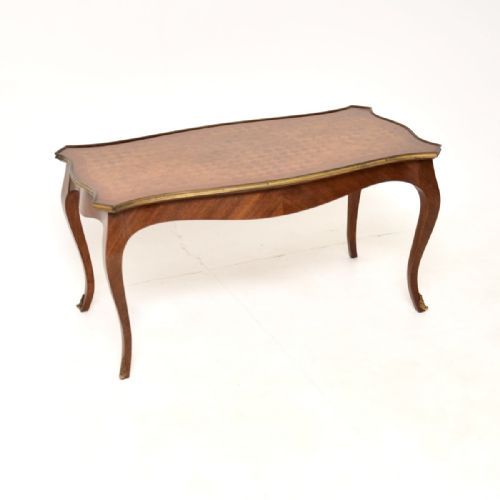
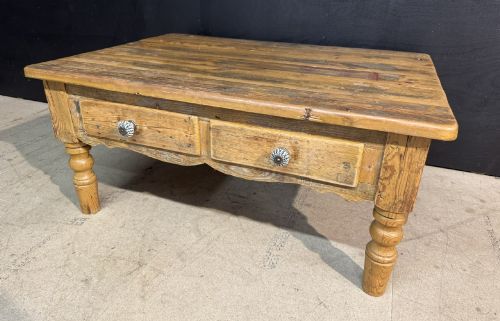
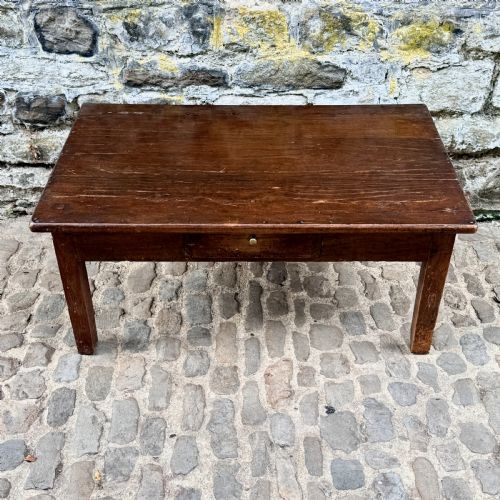
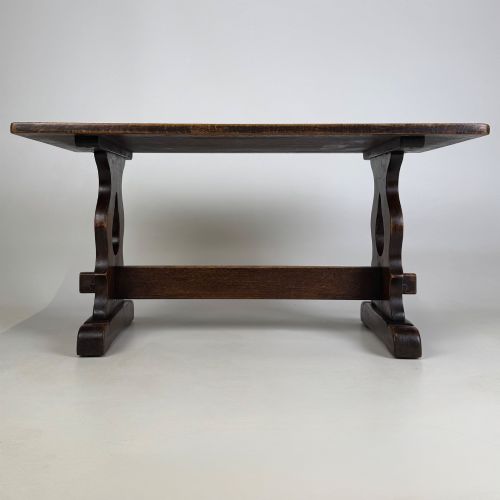
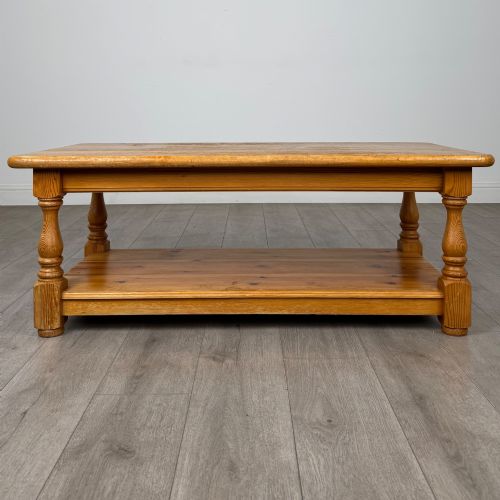
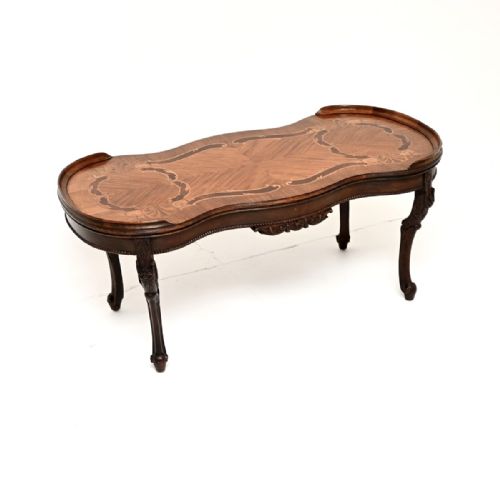
A vintage low coffee table brings functional surface space close to the floor, drawing on forms originally designed for entirely different uses before being adapted for modern living. When searching for a vintage low coffee table, buyers encounter diverse domestic objects ranging from low Chinese opium tables to Edwardian oak pieces and French tray top designs.
The selection on this page draws together centuries of domestic furniture, including 19th Century walnut pieces, 1930s Art Deco burr maple designs, and Edwardian side tables lowered to sit comfortably beside contemporary seating. These low surfaces integrate smoothly into modern rooms while retaining the character of their original periods, such as the 1900s or the 1920s.
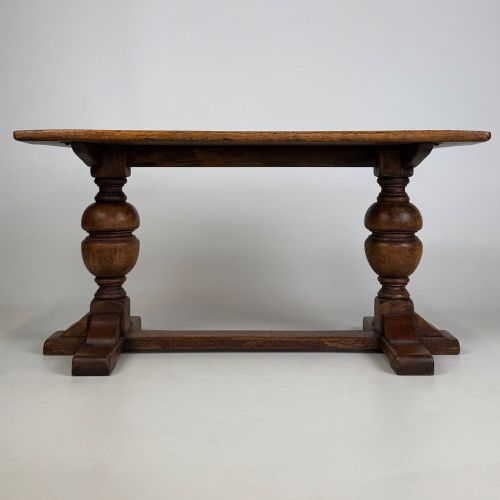
Makers and workshops across different regions adapted local forms for low seating, resulting in pieces that vary from rustic farmhouse pine to sophisticated French marquetry and Anglo-Indian brass work. This variety allows collectors to find a low table that suits specific interior proportions, whether they prefer the clean lines of walnut or the intricate carving of oak and chestnut.
Materials and construction methods
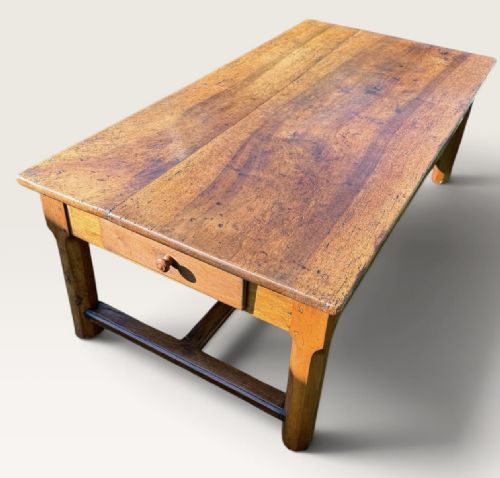
Makers built these tables from dependable hardwoods and softwoods such as walnut, mahogany, oak, pine, and rosewood, often enhancing plain surfaces with figured veneers like burr maple. Joinery techniques varied according to the period and region, ranging from traditional pegged joints in rustic farmhouse pieces to precise parquetry and marquetry in French tables.
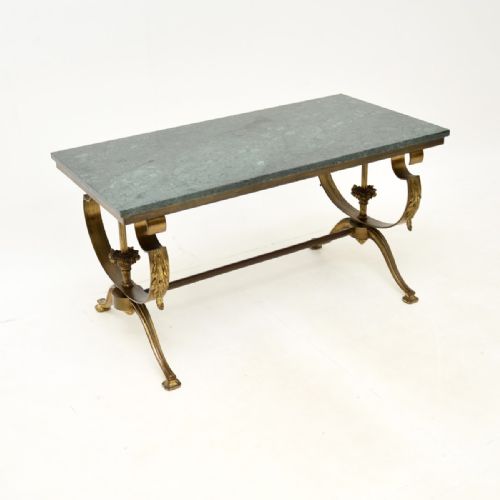
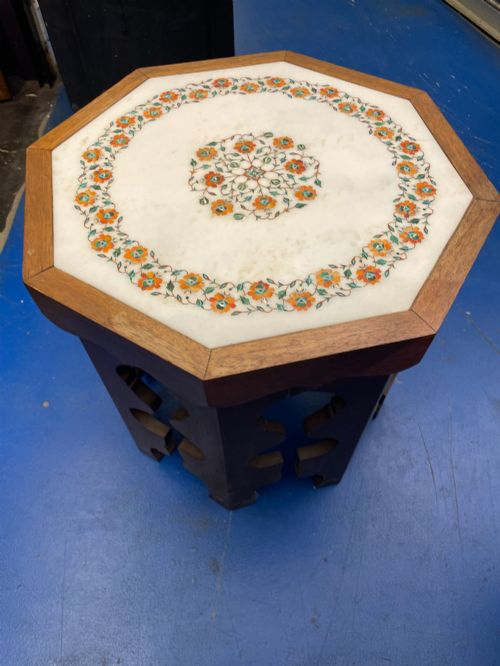
Surface details often include decorative inlays, carved dragon motifs, marble tops, and brass or bronze mounts that reflect the stylistic preferences of the maker. Finishing methods relied on natural polishes, paints, and patinated ebonising to protect the timber while accentuating the grain.
Many low tables began life as taller items, such as side tables, occasional tables, or hibachi tables, which were subsequently shortened or constructed with lower frames to serve modern domestic needs. This adaptation preserved the original craftsmanship of the upper sections while establishing a practical, low profile.
Materials recorded across the selection include mahogany, brass, marble, pine, rosewood, and onyx.
Distinctions in quality and execution
Quality in these tables rests on the integrity of the timber selection and the precision of the joinery, distinguishing finely figured burr walnut or rosewood from simpler painted pine or hardwood. Superior examples display careful matching of wood veneers and purposeful carving that remains crisp and well-defined.
The distinction between a top-tier piece and a standard one often lies in the sophistication of the secondary materials, such as genuine marble inserts, heavy brass tray tops, or complex parquetry work. Well-executed alterations, where older tables were successfully adapted to lower proportions, maintain structural stability without compromising the visual balance of the piece.
Maison Jansen
The Vintage Low Coffee Table Glossary
- Marquetry
- Decorative patterns created by fitting together small pieces of veneer onto a structural surface. This technique allows for elaborate pictorial or geometric designs using contrasting woods.
- Parquetry
- Geometric mosaic woodwork used to cover floors or furniture surfaces. It creates repeating patterns such as squares, triangles, or chevrons.
- Opium table
- A traditional low table originating in China, designed for use on platforms or low seating arrangements. These pieces often feature recessed legs and simple or carved aprons.
- Hibachi
- A traditional Japanese heating device housed in a decorative container. When adapted as tables, these wooden boxes provide compact, square surfaces with distinct metal liners.
- Pie crust
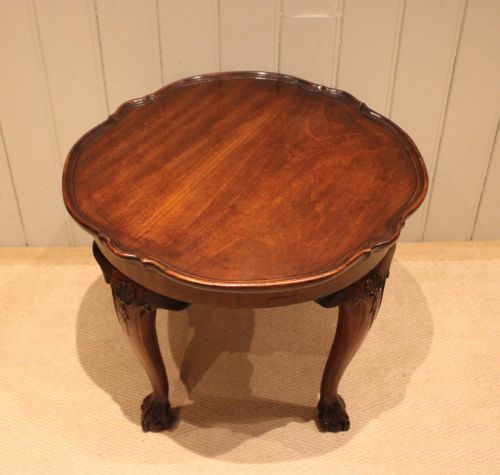
- A carved, raised decorative border resembling pastry work on the edge of a round table top. This flourish is commonly found on 18th-century revival and 1930s occasional tables.
Vintage Low Coffee Table: Frequently Asked Questions
What is an opium table?
An opium table is a low wooden surface originating from China, traditionally used for resting objects or serving tea near floor-level seating. These tables often feature simple lines, recessed legs, and occasional carved details.
In modern interiors, their low proportions make them practical coffee tables that introduce Asian craftsmanship and warm hardwoods like rosewood into a room.
How do I clean a marble top?
Marble surfaces require gentle cleaning with a soft cloth and mild, pH-neutral soap mixed with warm water. Avoid acidic cleaners, vinegar, or harsh abrasives that can etch the stone and dull its polished finish.
Wiping the surface dry immediately after cleaning prevents water spots and protects the natural stone from absorbing spills over time.
Can I use an occasional table as a coffee table?
Occasional tables can serve effectively as coffee tables, provided their height and surface area suit your seating arrangement. Many vintage tables from the Edwardian and Art Deco periods were built with proportions that adapt well to a central lounge position.
Shorter side tables or nested sets offer flexible placement options, allowing you to rearrange surfaces according to your daily needs.