




Burr Walnut Cocktail Table
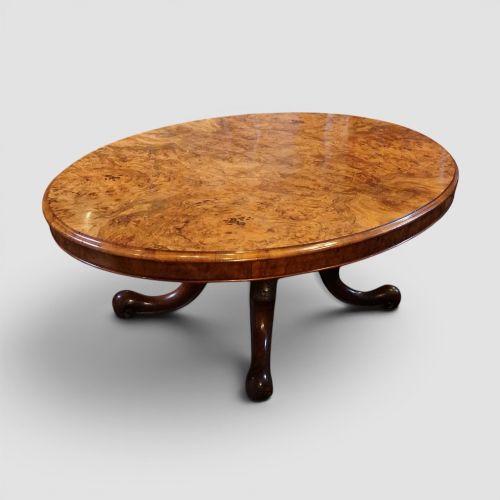
A burr walnut cocktail table brings rich grain and practical surface area together, offering a striking centrepiece for entertaining spaces.
Burr Walnut Cocktail Table
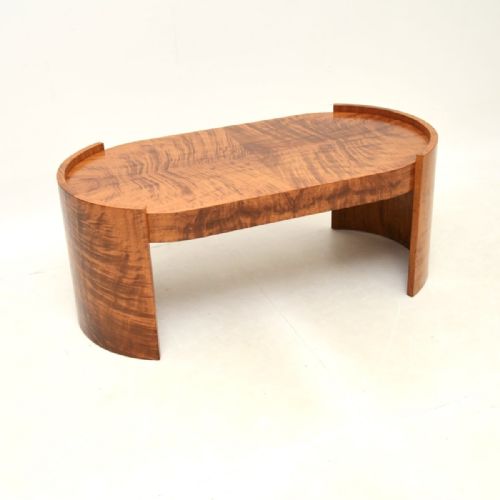
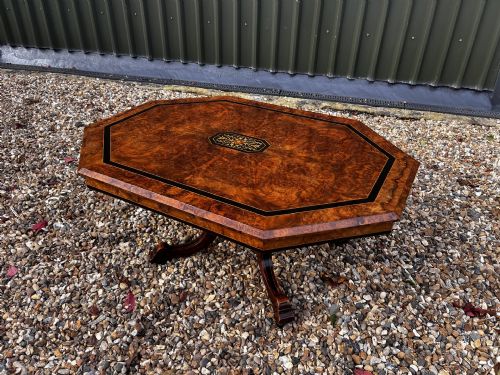
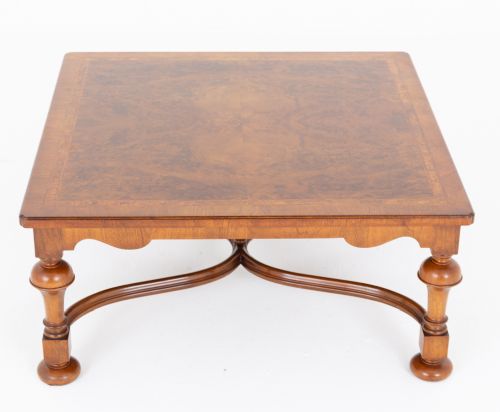
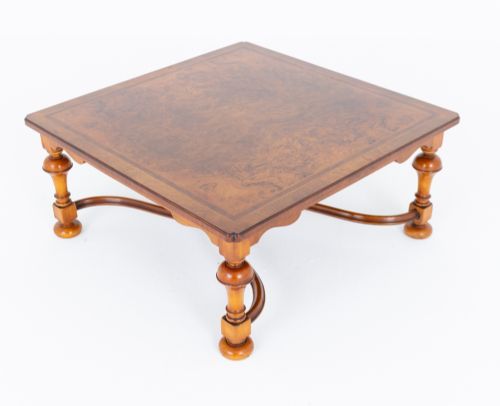
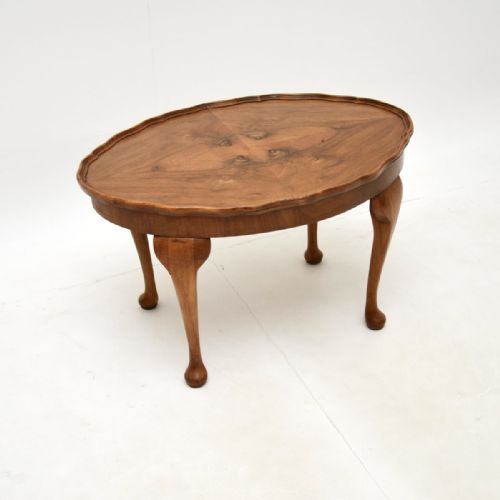
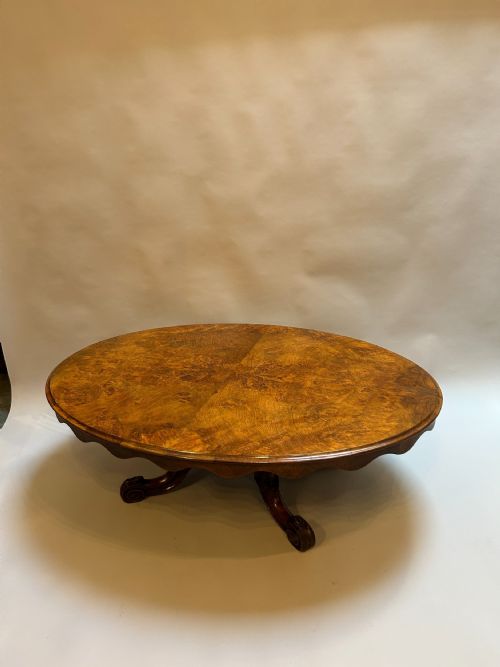
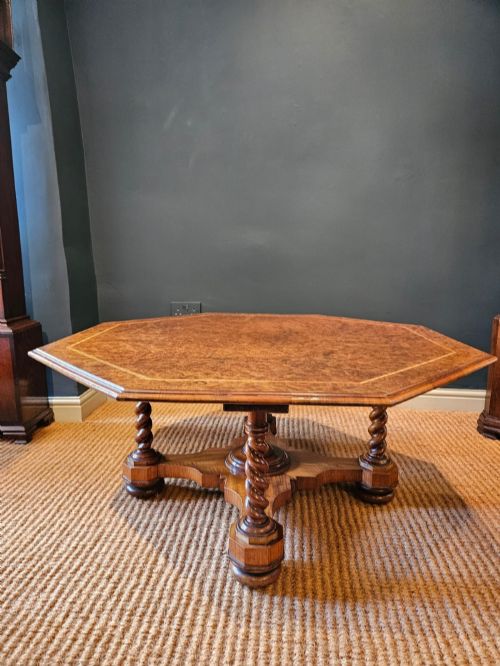
A burr walnut cocktail table combines low proportions with the swirling patterns of burr walnut timber, serving as a functional surface for drinks and hospitality. These tables appear across multiple periods, most notably through Art Deco designs and Victorian interpretations.
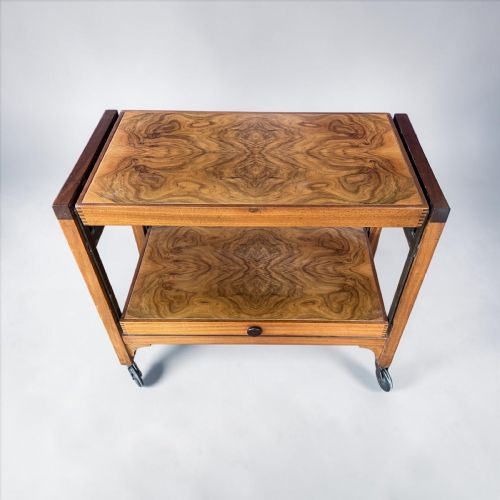
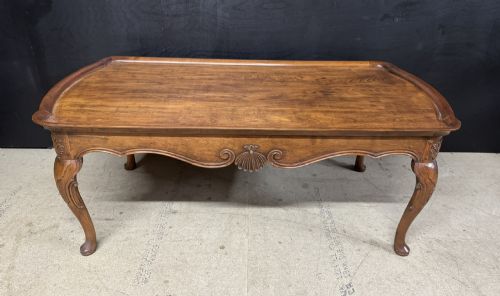
The selection on this page leans heavily towards Art Deco pieces from the early twentieth century alongside Victorian examples. Buyers will encounter coffee tables, occasional tables, and drinks trolleys sharing the same vocabulary of figured wood and low heights.
How they were made
Cabinetmakers utilised burr walnut and figured walnut veneers applied over solid timber substrates to create intricate grain patterns across the top surfaces. Glass, brass, and cast iron frequently appear alongside the timber, adding contrast to the frames and fittings.
Joinery techniques ranged from traditional Victorian construction methods to streamlined Art Deco assembly. Marquetry and shaped pie crust edges required precise hand woodworking skills to shape the walnut veneers without splitting the material.
Burr Walnut Cocktail Table Retail Price Guide 2026
Typical asking prices for burr walnut cocktail table among the pieces listed under this phrase on Sellingantiques today, from the lower quarter to the upper quarter. They describe what is for sale here now, not the wider market.
Listings span from the Victorian period through the 1930s, uniting walnut timber, glass, and brass in low coffee table and trolley forms.
What varies in quality
The intensity and symmetry of the burr walnut grain dictate much of the visual appeal. Tables featuring book-matched or cleverly aligned veneer patterns display a higher level of workshop planning than those with random grain arrangements.
The execution of secondary details, such as carved borders, marquetry inlays, and brass hardware, separates standard production items from finer workshop pieces. Structural integrity in the legs and base frames also distinguishes better-preserved examples.
Epstein
The Burr Walnut Cocktail Table Glossary
- Burr walnut
- A wood harvested from the warted growths on walnut trees, prized for its swirling, highly figured grain patterns. Cabinetmakers slice this wood into thin veneers for decorative table surfaces.
- Art Deco
- A design style spanning the 1920s and 1930s characterised by clean lines, geometric forms, and modern materials. Pieces from this era often feature streamlined silhouettes paired with rich woods.
- Pie crust
- A raised, scalloped edge carved along the perimeter of a circular table top. This decorative rim originates from earlier furniture styles and appears on several walnut tables.
- Veneer
- A thin slice of superior wood bonded over a stable secondary timber base. This technique allows makers to display striking grain patterns while preventing warping.
- Marquetry
- The art of applying pieces of veneer to a structure to form decorative patterns and pictures. Skilled artisans cut contrasting woods to create complex surface designs.
Burr Walnut Cocktail Table: Frequently Asked Questions
What periods do these tables come from?
The selection spans the Victorian era through to the 1920s and 1930s Art Deco period. Earlier pieces often display revival styles or ornate carved edges.
Later twentieth-century examples embrace geometric forms and unadorned surfaces that highlight the natural grain of the timber.
How do I style a low cocktail table?
Position the table centrally before seating where its low height provides convenient access for glassware and decorative objects. The reflective polished surface naturally draws light into the room.
Pair the piece with complementary seating from similar periods to maintain a cohesive interior aesthetic.
Are these tables solid walnut?
Most examples utilise veneers of burr or figured walnut applied over a stable timber substrate. This method prevents the wood from warping while displaying intricate grain patterns across the top.
Solid walnut appears in carved elements and structural supports where shaping requires thicker timber.
What is the difference between a coffee table and a cocktail table?
The terms are often used interchangeably to describe low surfaces designed for entertaining and relaxed living spaces. Both provide stable platforms for serving drinks and displaying objects.
Historical listings may categorise identical low forms as coffee tables, occasional tables, or serving trolleys depending on their specific fittings.