

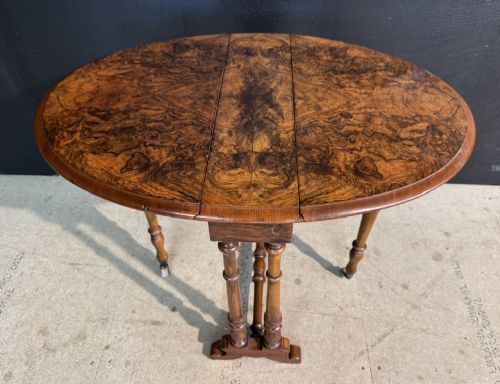
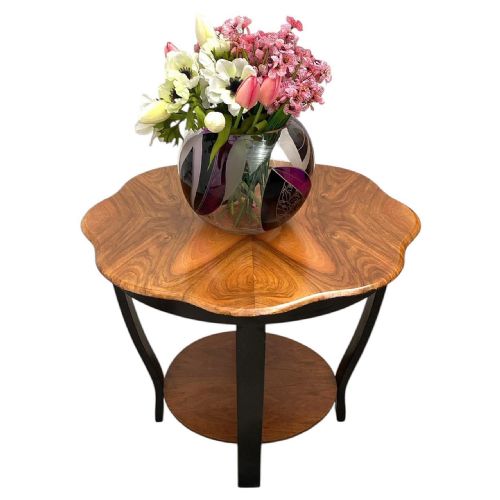
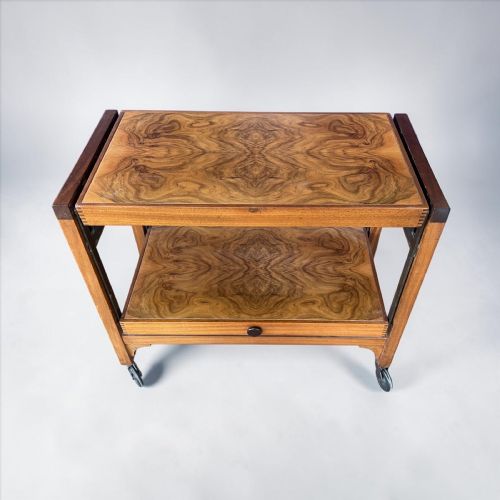
Vintage Walnut Tea Table
A vintage walnut tea table brings rich grain and practical warmth into a room, offering the perfect surface for daily use or display.
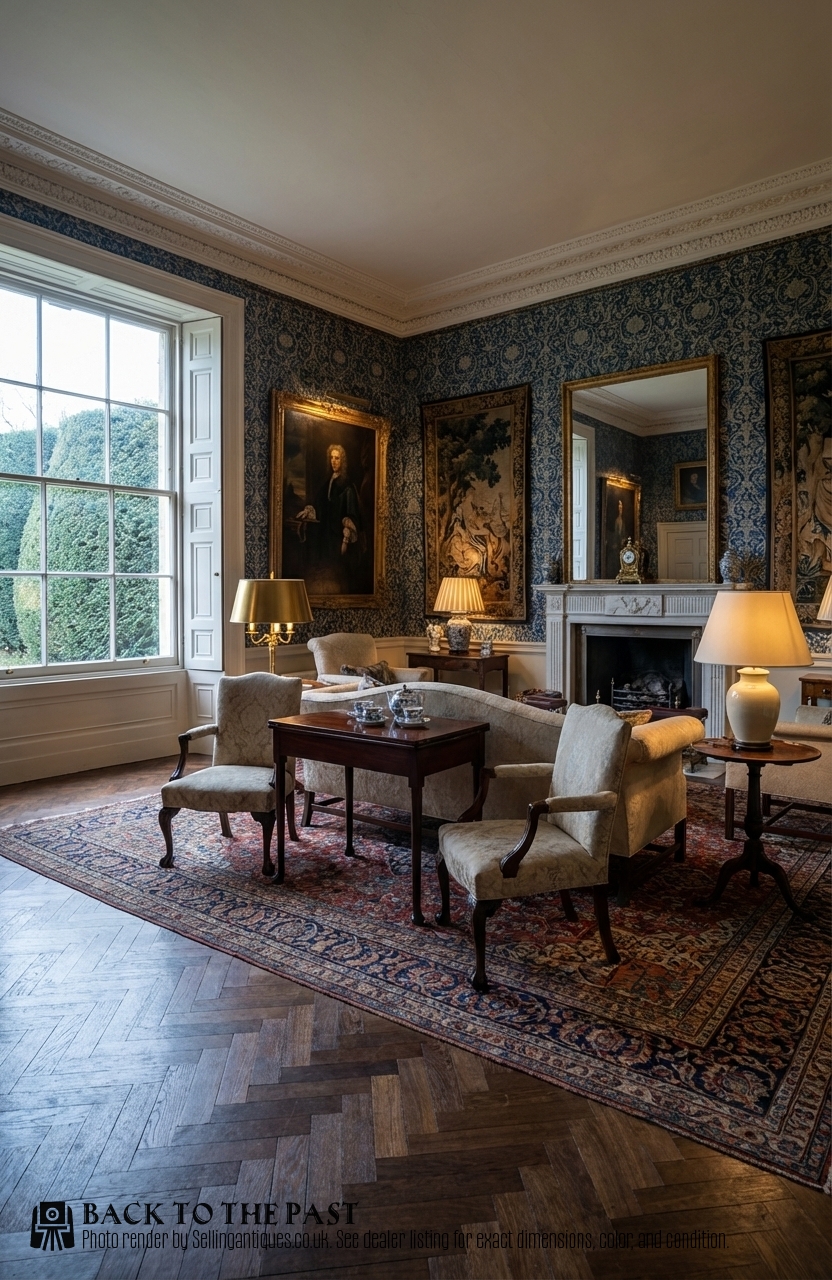
What these tables are
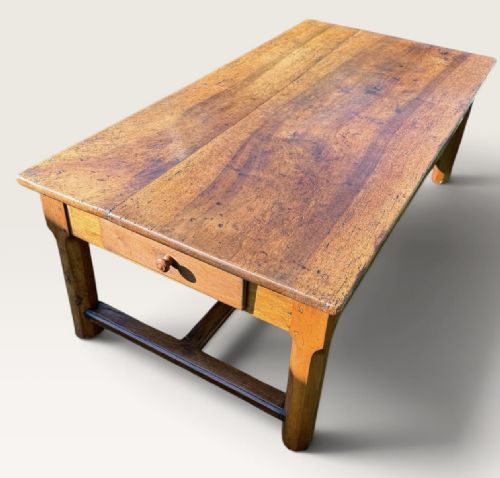
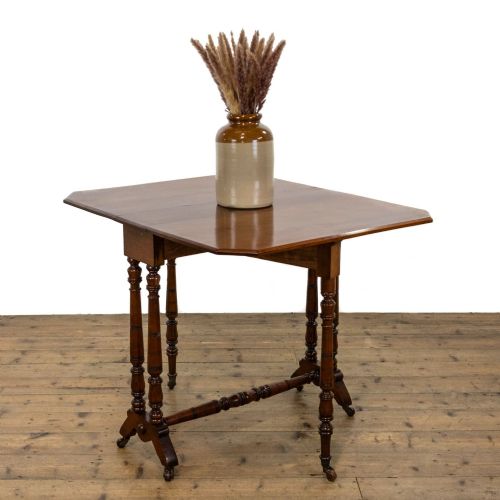
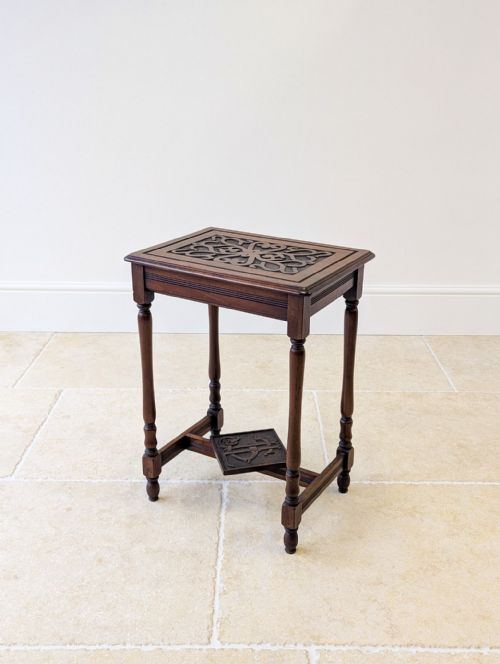
A vintage walnut tea table encompasses pieces designed for social gatherings and everyday resting of cups, drawing from a rich timeline of British and European design. When you search for this phrase, you meet forms that range from early Georgian tea and card tables to later twentieth-century interpretations.
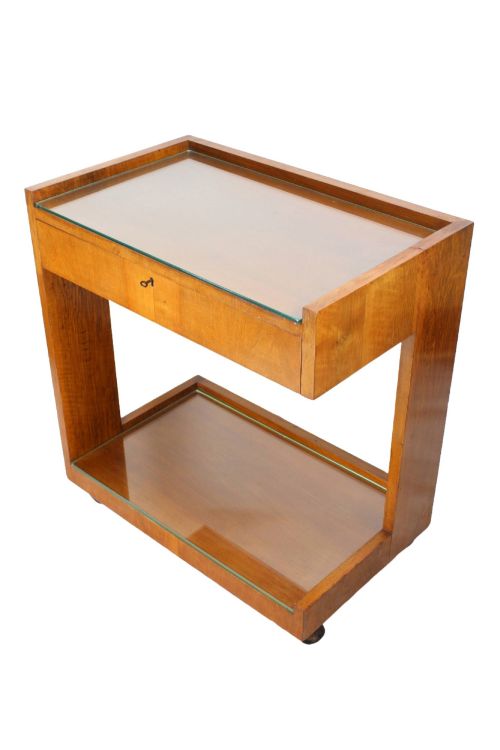
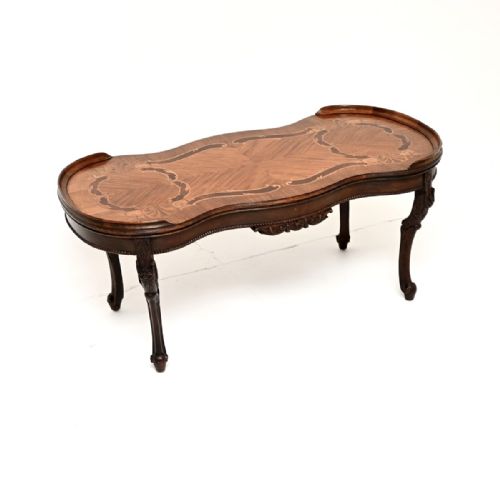
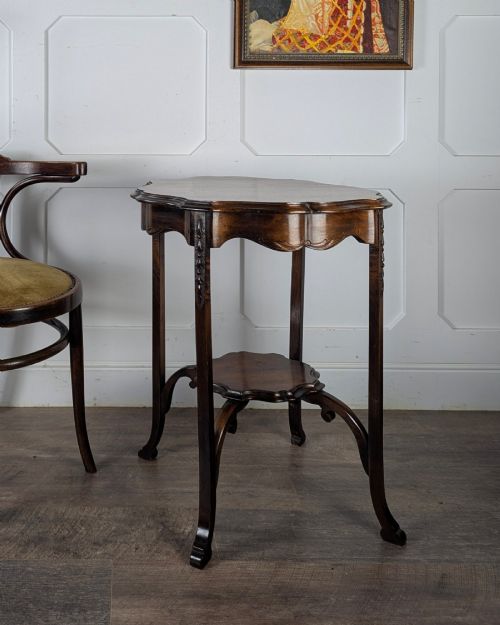
The selection on this page relies heavily on early twentieth-century examples, featuring pieces from the nineteen-twenties and nineteen-thirties. Art Deco coffee tables, circular occasional tables, and low walnut designs appear frequently alongside revival styles.
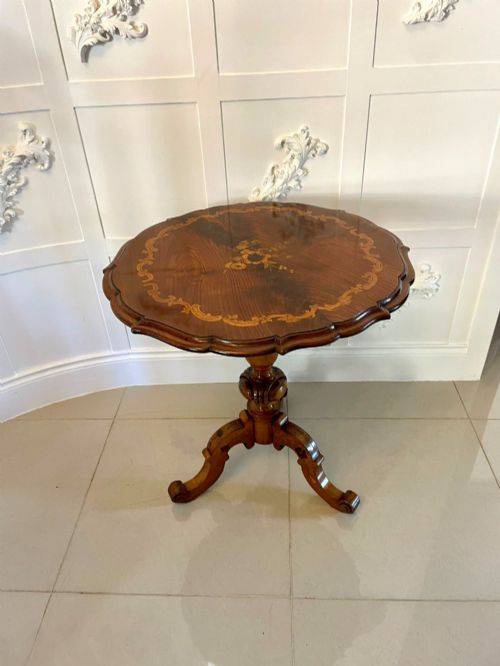
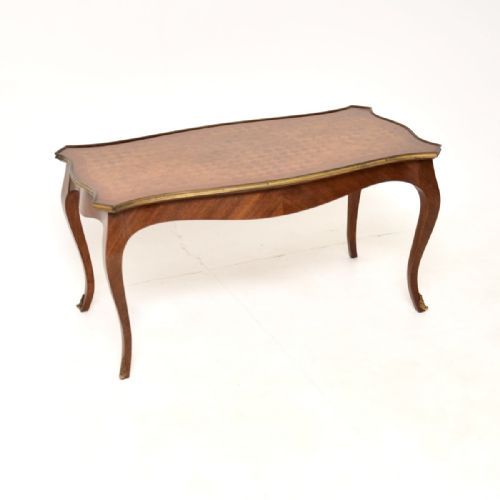
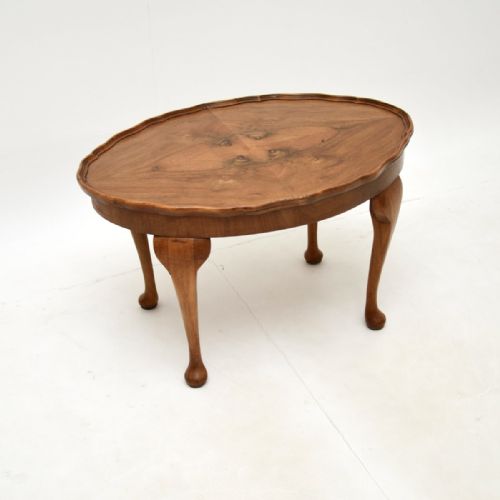
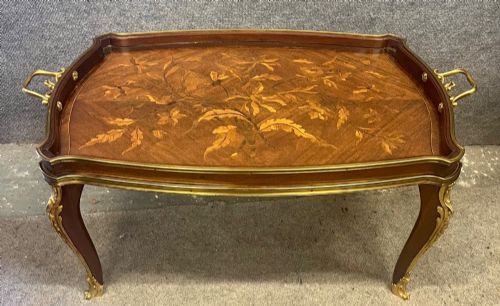
Craftsmen drew upon distinct historical idioms, producing Queen Anne Revival circular tables, French Rococo revival pieces, and Louis XVI styles. Alongside traditional tea and card tables, the category broadens to include tiered coffee tables and occasional tables in figured or burr walnut.
How they were made
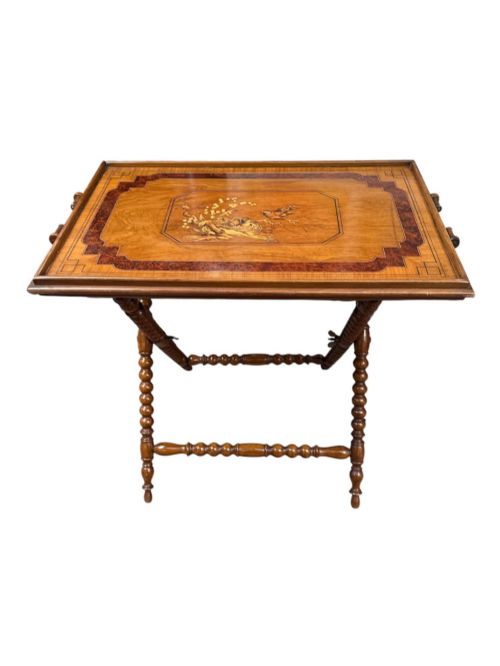
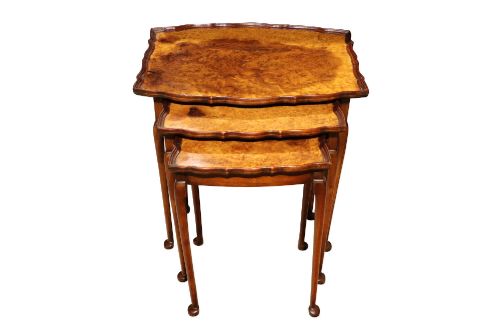
Cabinet makers utilised solid walnut and decorative veneers, often selecting burr walnut to create striking, figured patterns across the tabletops. Skilled hands applied these thin decorative layers over secondary timbers to showcase the natural swirling grain.
Metalwork played a key structural and decorative role, with brass fixtures and ormolu mounts fitted to specific continental revival designs. Glass inserts also appear in the construction of certain twentieth-century tables, adding a contrasting surface texture.
Retail Price Guide 2026
Typical UK retail prices for vintage walnut tea table, calculated from the Sellingantiques database of over a million retail prices indexed since 2003. This retail price guide relies exclusively on Sellingantiques data; no external sources or auction records are used, so the figures do not describe the wider market.
Early twentieth-century makers even experimented with sun-bleached walnut, proving that even traditional wood likes to catch a tan.
What varies in quality
The visual impact of a piece often rests on the choice of timber, where intensely figured burr walnut veneer commands attention compared to plain walnut boards. The selection and matching of these grain patterns across a surface define the visual rhythm of the table.
Stylistic ambition and decorative detailing separate standard utility from finer workshops, seen in the inclusion of Ormolu mounts, intricate inlays, or shaped brass hardware. The success of a revival style depends entirely on the fidelity of its proportions and the crispness of its shaping.
The Vintage Walnut Tea Table Glossary
- Burr walnut
- A prized timber harvested from the irregular growth knots of walnut trees, yielding complex, swirling grain patterns. Cabinet makers slice this wood into thin veneers to cover large flat surfaces.
- Ormolu
- Gilded bronze ornamentation applied to furniture, popular in French-influenced revival styles. It adds metallic contrast and rich decorative relief to wooden frames.
- Fold over card table
- A hinged tabletop that opens to reveal a baize-lined playing surface supported by a swing leg. These items served social rooms during the Georgian period and later revivals.
- Art Deco
- A design movement of the nineteen-twenties and nineteen-thirties favouring geometric abstraction and streamlined forms. Pieces from this era utilise bleached or figured walnut without traditional carving.
- Queen Anne Revival
- A style drawing inspiration from early eighteenth-century furniture, characterised by cabriole legs and restrained curves. Twentieth-century makers frequently reinterpreted these classical silhouettes.
Frequently Asked Questions
What is a vintage walnut tea table?
A vintage walnut tea table is a low or occasional table constructed from walnut timber, designed for serving or general display in a reception room.
The category spans early Georgian pieces, fold-over card tables, and twentieth-century Art Deco coffee tables in burr walnut.
How do I date a walnut table?
Dating relies on observing stylistic markers, construction methods, and materials such as ormolu mounts, bleached finishes, or specific revival idioms.
Items on this page date primarily from the nineteen-twenties and nineteen-thirties, alongside Georgian examples.
What is burr walnut?
Burr walnut is decorative wood taken from the gnarled outgrowth of a walnut tree, producing highly intricate and swirling patterns.
Cabinet makers slice this figured wood into thin veneers to adorn the main surfaces of tables.
Are these tables solid walnut?
Tables in this selection utilise a mixture of solid walnut timbers and decorative walnut veneers applied over a core structure.
Makers often employed figured burr veneers to achieve dramatic visual patterns while maintaining structural stability.