

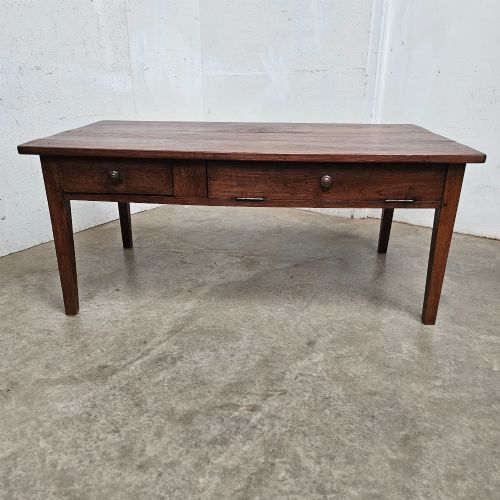
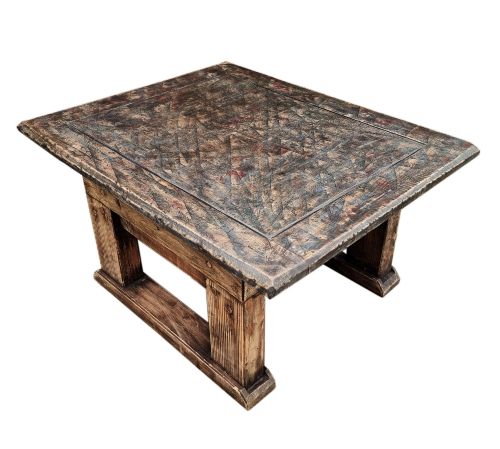
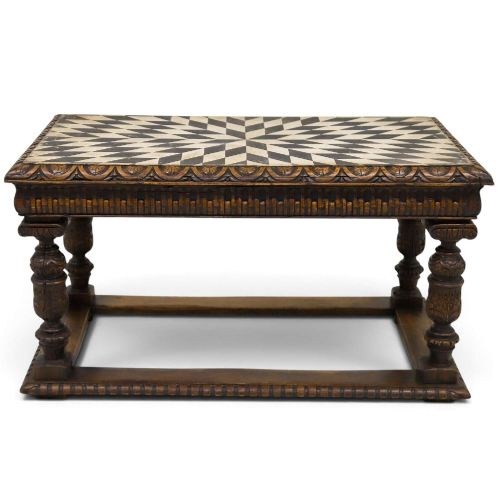
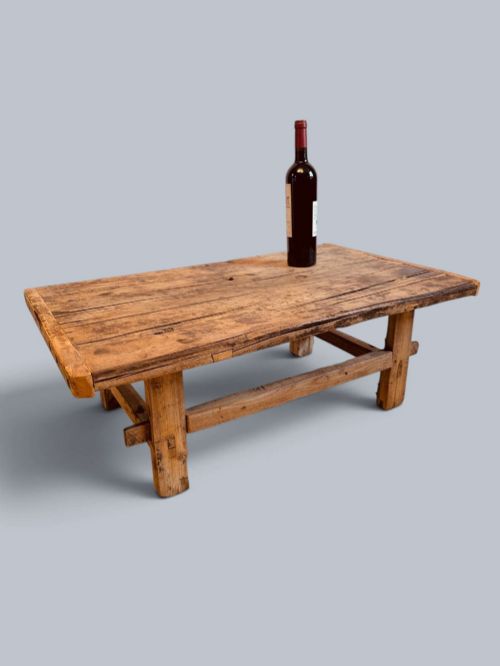
Antique Low Coffee Table
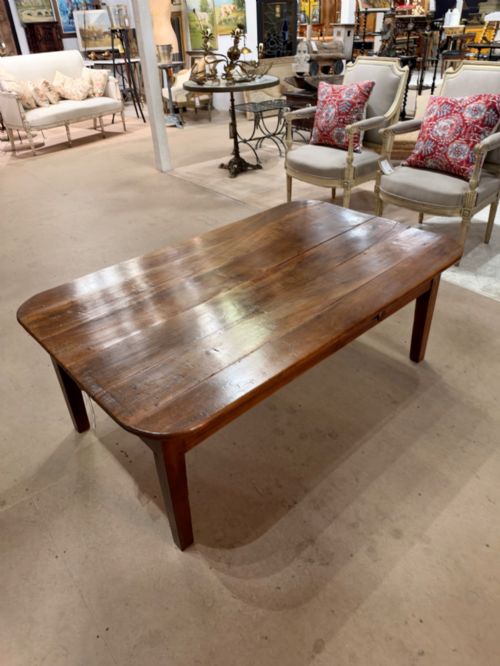
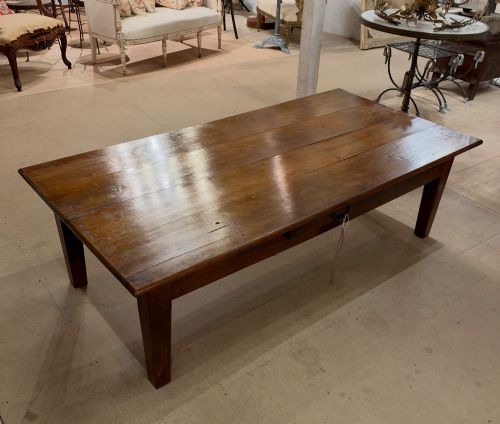
When you search for an antique low coffee table, you are looking at repurposed furniture from the Victorian, Edwardian, and Art Deco periods designed to sit near ground level.
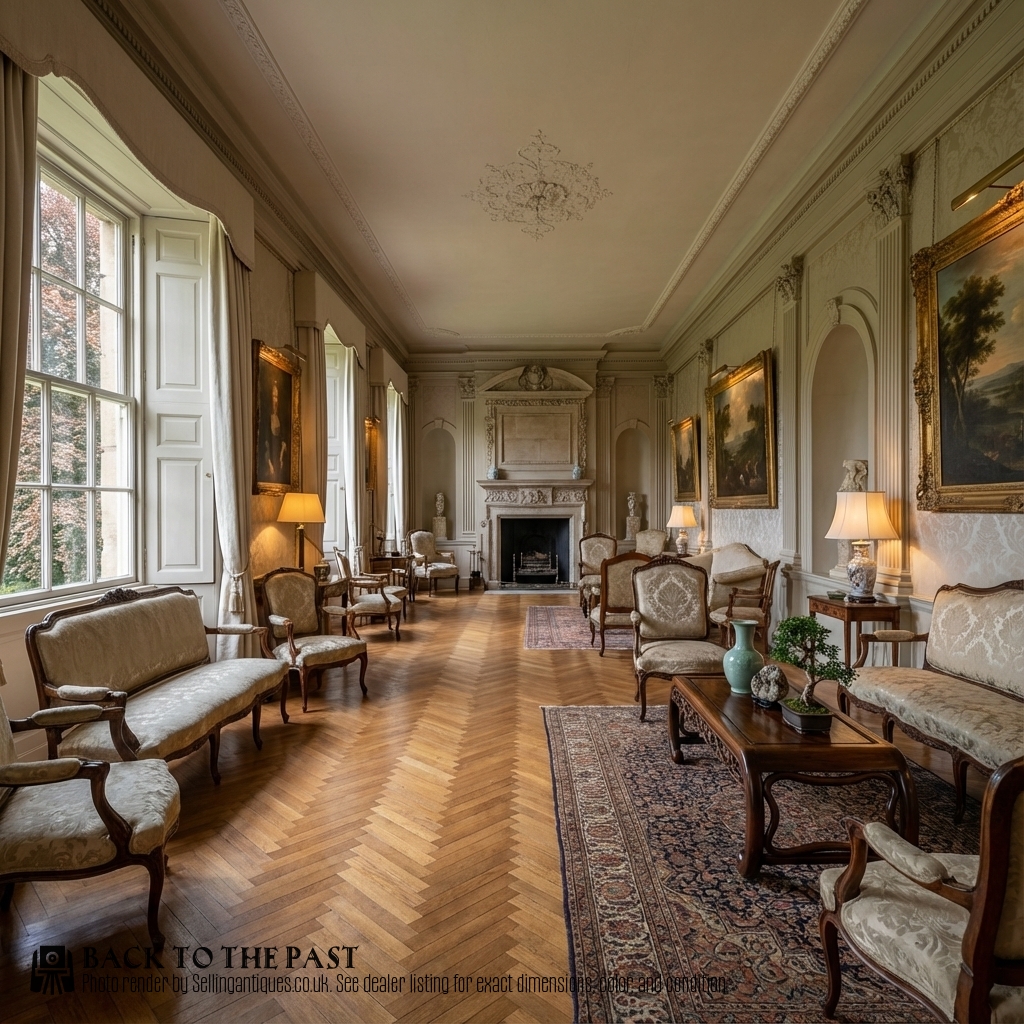
Antique Low Coffee Table
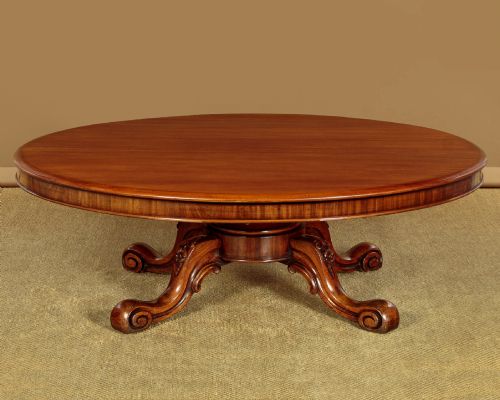
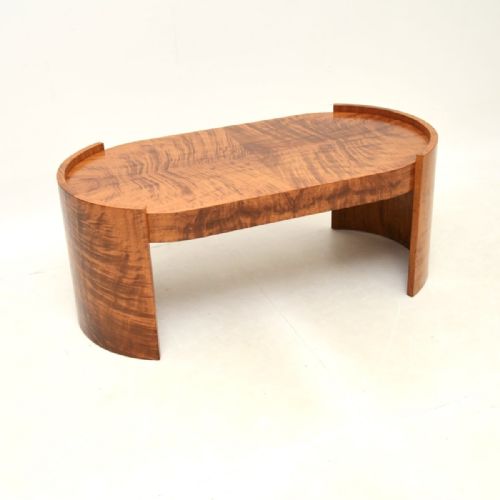
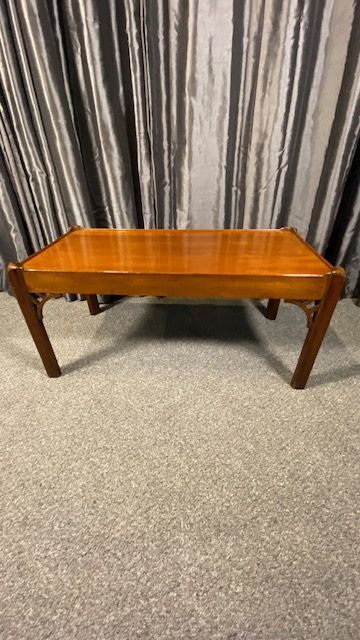
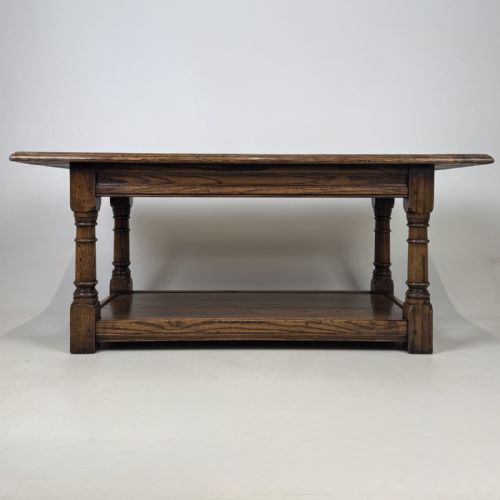
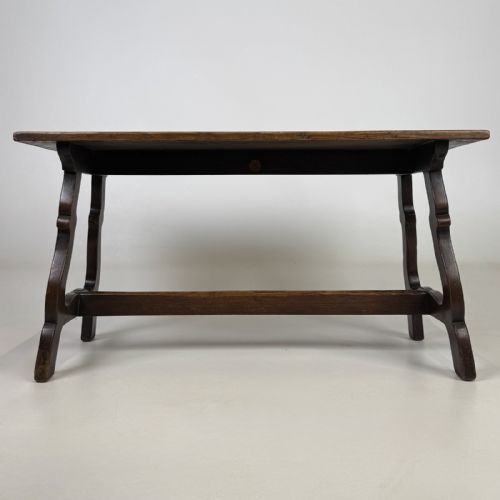
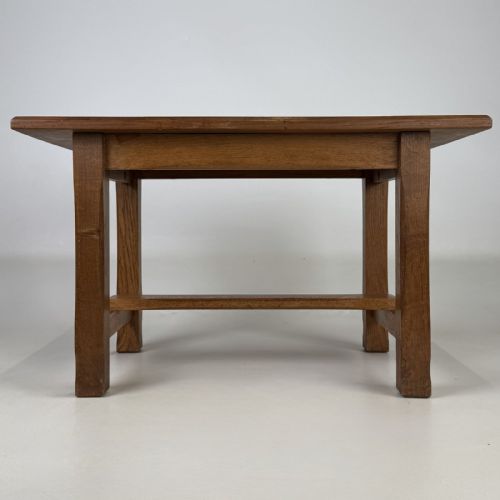
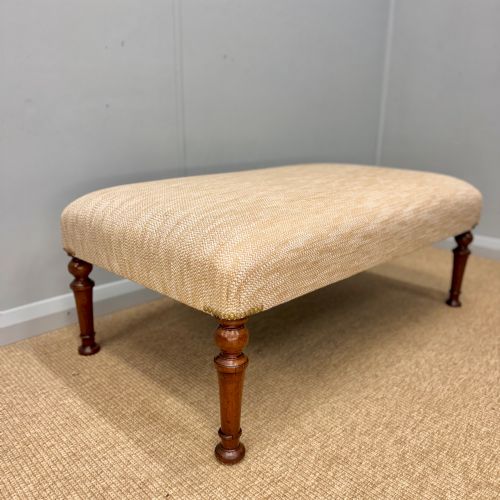
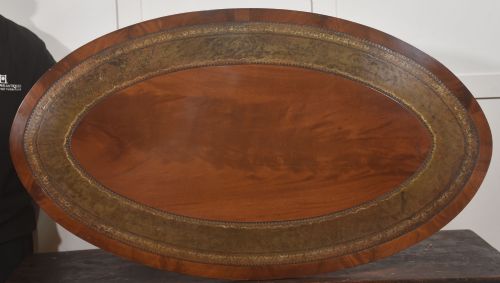
An antique low coffee table encompasses various historic low-slung surfaces, from converted Georgian oak benches and Victorian walnut parlour pieces to Edwardian tray-top tables and Art Deco maple designs.
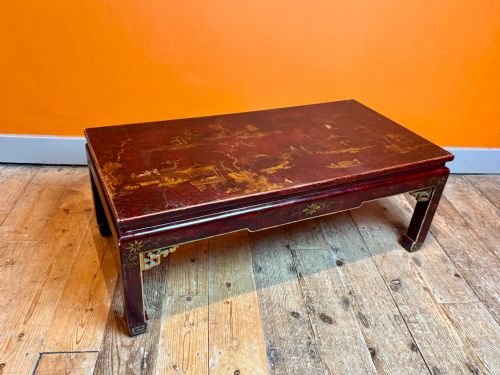
You are most likely to meet rectangular or oval occasional tables adapted for modern living, alongside low Asian tea tables, French provincial pieces, and rustic pine farmhouse benches.
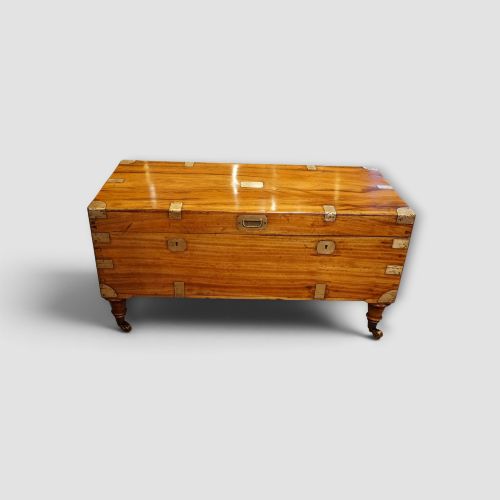
Many of these low surfaces began life as taller dining, side, or occasional tables, or low-sitting forms such as Indian takhats and Chinese opium tables, lowered to suit contemporary seating heights.
Materials and Construction
Cabinet makers utilised dense hardwoods such as walnut, mahogany, oak, and rosewood, frequently enhancing figured veneers like burr walnut and burr maple on top surfaces.
Joinery techniques ranged from traditional mortise and tenon frames in country oak and pine pieces to intricate marquetry inlay, giltwood carving, and brass embellishments on formal French and Oriental imports.
Antique Low Coffee Table Retail Price Guide 2026
Typical asking prices for low coffee table among the pieces listed under this phrase on Sellingantiques today, from the lower quarter to the upper quarter. They describe what is for sale here now, not the wider market.
Some tables spent their youth holding opium or tea before settling down with a paperback and a mug of tea.
Markers of Quality
Excellence in an antique low coffee table is defined by the integrity of the timber selection, such as richly figured walnut or choice rosewood, coupled with crispness in carved details or precision in inlaid parquetry.
The distinction between ordinary and superior pieces rests on original proportion, structural stability after conversion, and the retention of a patinated surface finish rather than applied modern lacquers.
Holland and Sons
The Antique Low Coffee Table Glossary
- Burr walnut
- A prized timber harvested from the wart-like growths on walnut trees, yielding dense, swirling grain patterns highly favoured by cabinet makers.
- Marquetry
- The art of applying small pieces of wood veneer to a structural panel to create decorative pictorial designs or geometric patterns.
- Parquetry
- A geometric mosaic of wood pieces used for surface decoration, commonly seen on tabletops from the nineteenth and early twentieth centuries.
- Tray top
- A tabletop style featuring a raised moulded edge designed to prevent items from sliding off, often removable for serving.
- Takhat
- A traditional low Indian platform table used for sitting or dining, constructed from heavy hardwoods and frequently featuring carved detailing.
Antique Low Coffee Table: Frequently Asked Questions
Were these always coffee tables?
Most historic pieces were originally produced as taller dining tables, side tables, lowboys, or distinct regional seating platforms like Chinese opium tables and Indian takhats. They were subsequently shortened to function as low coffee tables during later interior design shifts.
This adaptation preserves the high-quality cabinetry of earlier centuries while providing a functional height for modern sofas and seating arrangements.
How do I clean walnut veneer?
Burr walnut and figured walnut surfaces require gentle maintenance using a soft, dry cloth to remove dust. Avoid harsh chemical cleaners or excessive moisture that can penetrate the aged veneer.
Applying a traditional beeswax polish periodically helps nourish the historic timber and maintains a soft lustre without building up heavy residues.
Can I use a tray top safely?
Tray top tables feature raised wooden rims designed to secure items, making them practical for serving drinks or displaying decorative objects. Care should be taken when lifting removable trays to support the base rather than relying solely on the decorative edge.
Original handles and joints on these sections are often delicate due to age, so gentle handling ensures the structural longevity of the mechanism.
How do I date an oak piece?
Dating oak furniture involves examining the grain, tool marks, and construction joints visible on the underside and interior frames. Hand-sawn boards, pegged mortise joints, and dry patinated surfaces typically indicate earlier craftsmanship from the eighteenth or nineteenth centuries.
Revival styles from the Edwardian era often mimic these older construction methods, so checking for period-specific hardware and secondary woods provides clearer chronological context.