



Curved Leg Coffee Table
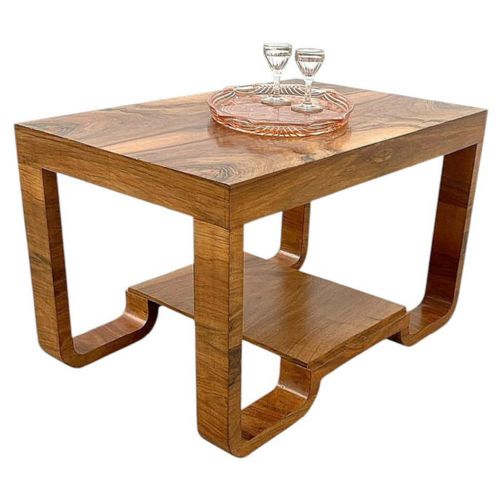
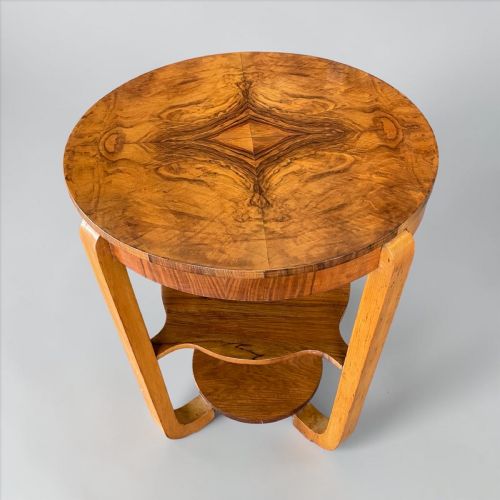
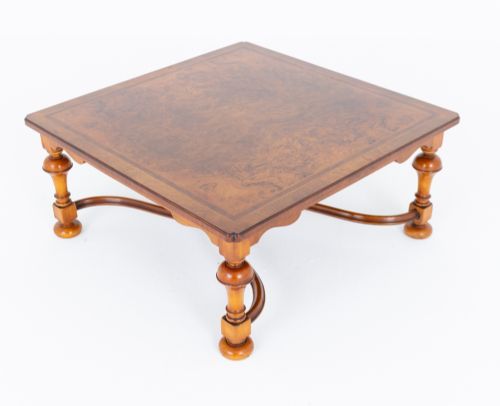
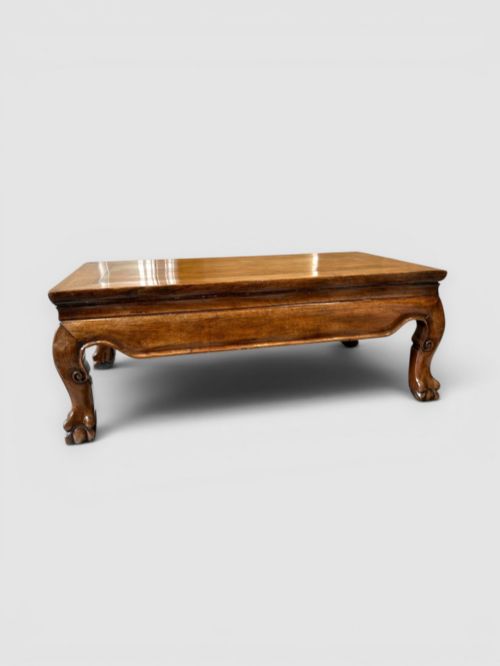
A curved leg coffee table brings low, sculptural presence to a room, offering versatile surfaces from traditional Chinese workshops to English interwar studios.
Curved Leg Coffee Table
A curved leg coffee table encompasses low forms designed for social gatherings and relaxed interiors. When searching for a curved leg coffee table, buyers encounter distinct regional expressions ranging from traditional Chinese designs to English interwar interpretations.
How they were made
Maker construction relies on robust timbers including hardwood, elm, oak, and ebonised wood. Artisans shaped these materials using traditional joinery techniques suited to low furniture formats.
Surface finishes vary from natural blonde oak treatments to dark ebonisation and traditional oriental lacquering. Each technique highlights the distinct grain patterns of the chosen timber while providing durability for daily use.
Curved Leg Coffee Table Retail Price Guide 2026
Typical asking prices for curved leg coffee table among the pieces listed under this phrase on Sellingantiques today, from the lower quarter to the upper quarter. They describe what is for sale here now, not the wider market.
Listings feature periods from the nineteenth century up to nineteen thirty, utilising hardwood, elm, oak, and ebonised wood.
What varies in quality
Quality rests upon the harmony of proportions between the low tabletop and the sweep of the supports. Superior examples demonstrate confident lines and balanced weight distribution.
Material selection and surface preservation dictate the standing of each piece. Tables retain distinction through honest timber selection and careful retention of original finishes.
The Curved Leg Coffee Table Glossary
- Opium table
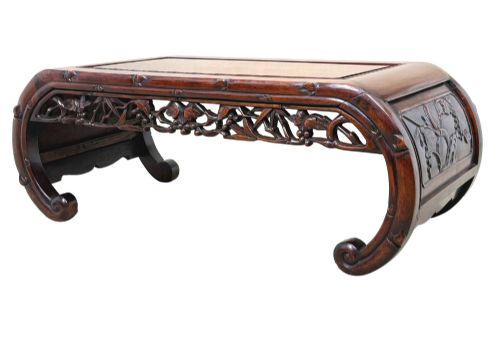
- A traditional low Chinese table originally utilised for social smoking or dining while seated on cushions. These pieces feature characteristic recessed legs and compact proportions.
- Kang table
- A low domestic platform table originating in China, designed to sit upon a heated brick bed or directly on the floor. They typically exhibit strong structural frames and curved supports.
- Occasional table
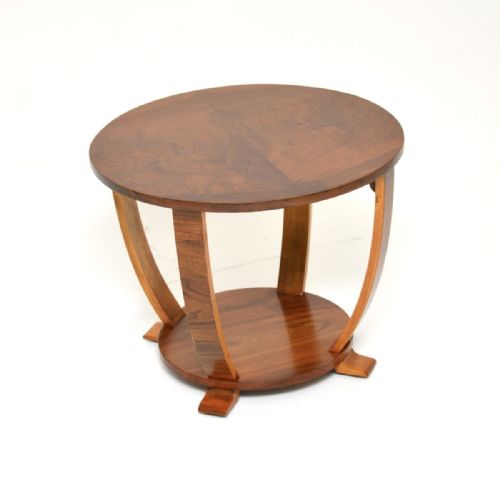
- A smaller secondary table intended for flexible placement within a room. English twentieth century makers adapted this form for modern lounging habits.
- Ebonised wood
- Timber treated with a chemical stain or finish to imitate expensive ebony. This dark finish provides a formal, uniform appearance popular in various decorative arts.
Curved Leg Coffee Table: Frequently Asked Questions
How do I style a low coffee table?
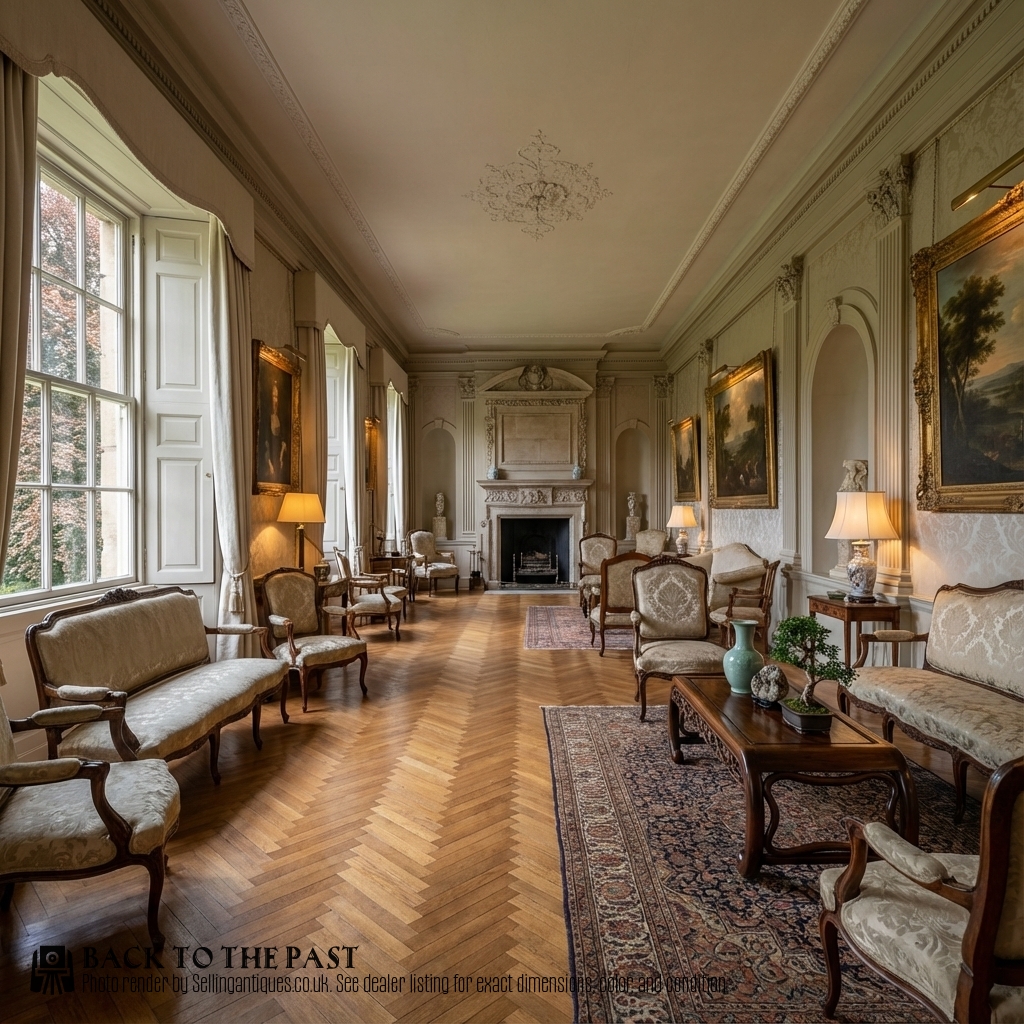
Pair low tables with floor cushions, low seating, or streamlined modern sofas to maintain correct proportions in the room. The low profile creates an open sense of space.
Keep surface styling minimal to allow the timber grain and leg curvature to remain the primary visual focus.
Are these tables sturdy enough for daily use?
Solid hardwood, elm, and oak construction provides reliable durability for everyday domestic tasks. Traditional joinery ensures structural stability despite the low stance.
Regular care with appropriate wood maintenance preserves the integrity of both the timber and the finish.
What is the difference between Chinese and English pieces?
Chinese examples often reflect regional traditions such as nineteenth century opium and kang formats with sweeping supports. English pieces from the nineteen thirties lean towards blonde oak occasional furniture.
Both traditions prioritise clean lines but serve different historical design movements.
How do I identify Art Deco tables?
Art Deco pieces from around nineteen thirty favour streamlined geometry and light blonde oak surfaces. They reflect a shift towards modernism in English furniture design.
Look for simplified forms that dispense with heavy Victorian ornamentation in favour of sleek functionality.