


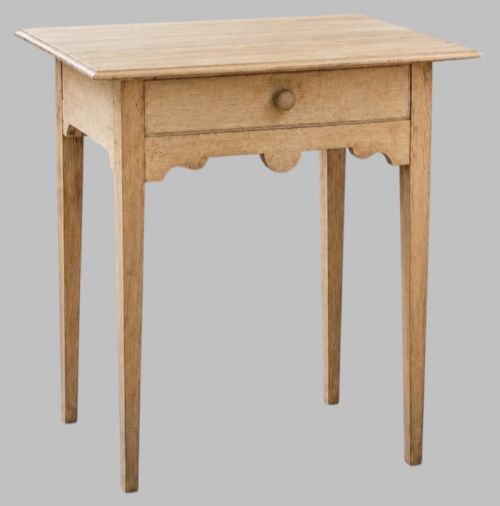
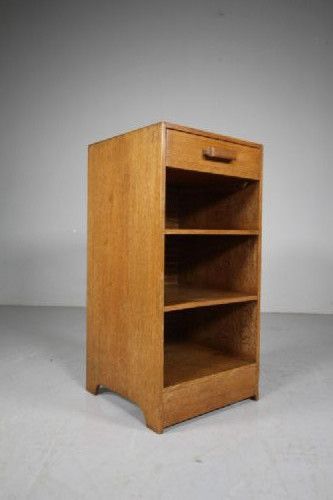
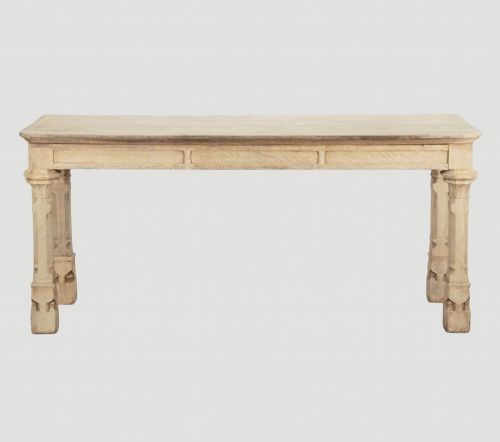
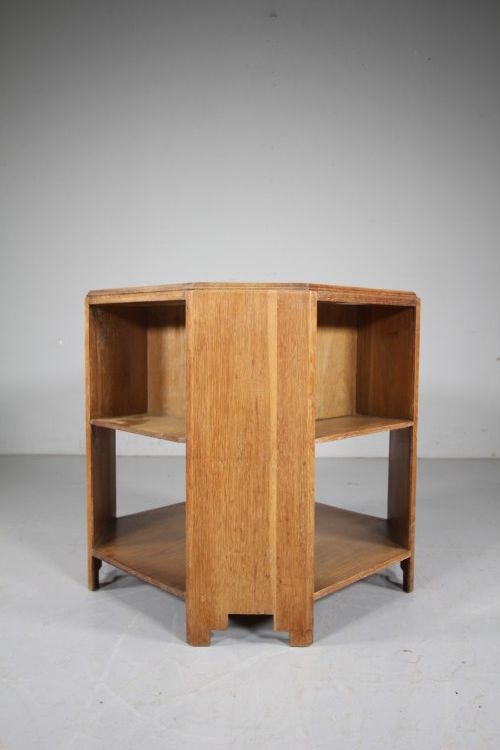

Light Oak Side Table
A light oak side table brings bright grain and honest utility to a room, ranging from simple 1930s forms to carved 19th-century designs.
Light Oak Side Table
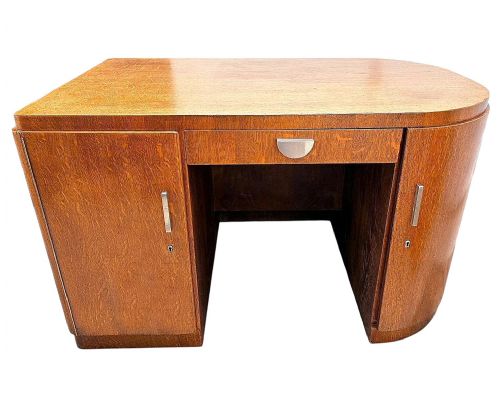
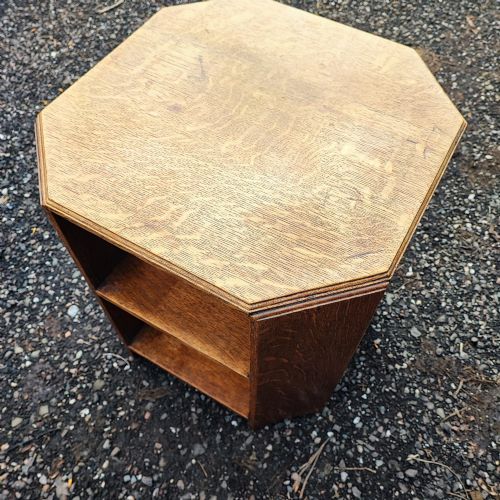
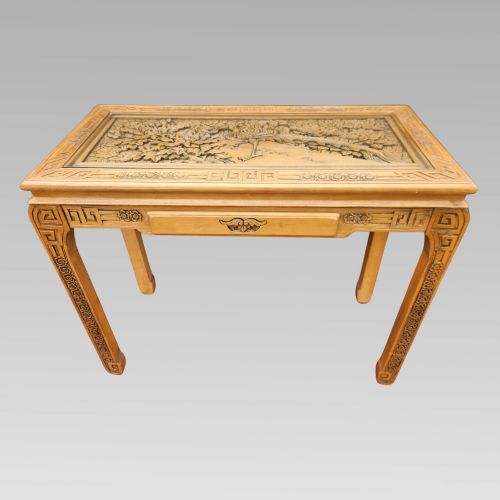
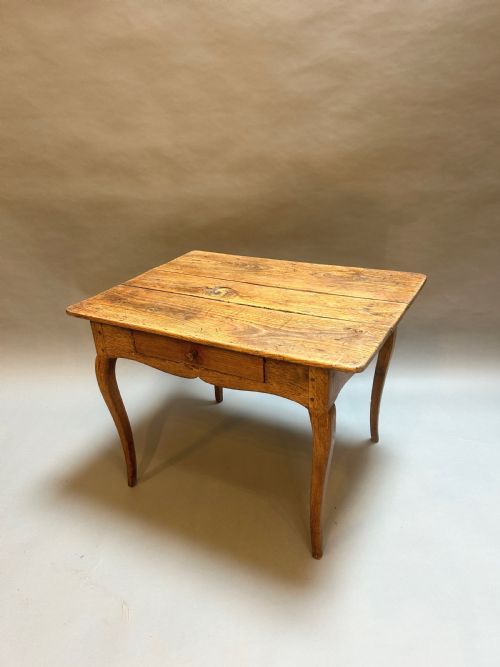
A light oak side table encompasses a diverse group of compact furniture designed for domestic use, spanning several centuries and stylistic revivals. The selection reflects pieces shaped by the 19th Century, Georgian eras, and the early decades of the 20th Century, including the 1930s.
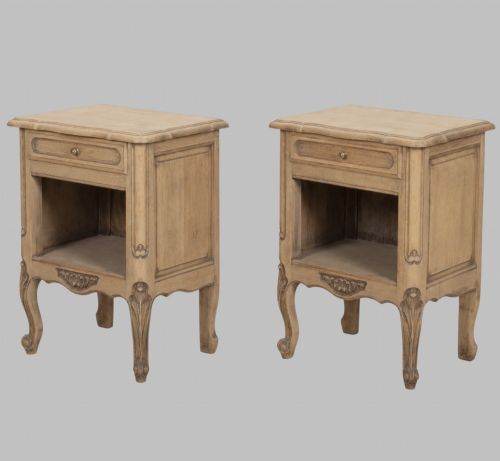
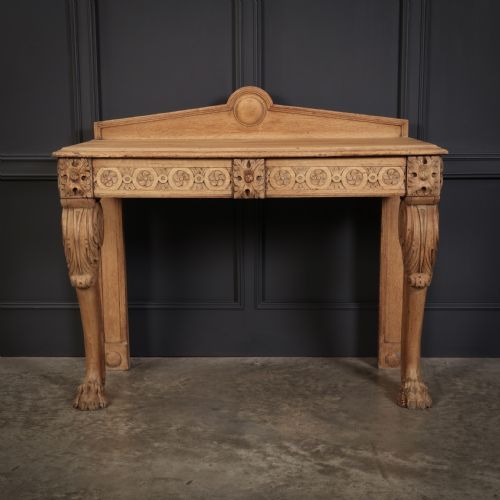
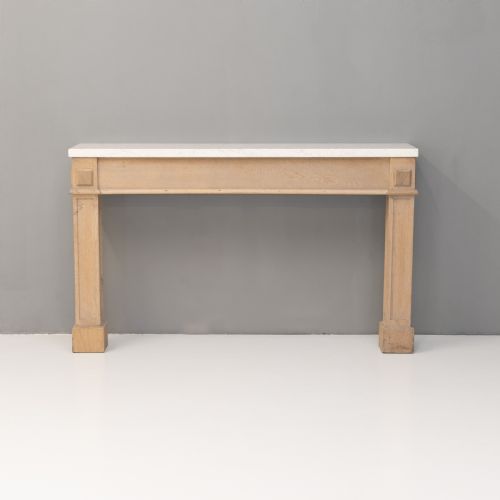
Buyers encounter numerous regional interpretations and forms within this category. Common variations include occasional tables, console tables, bedside cabinets, and serving tables originating from English, French, and Spanish workshops.
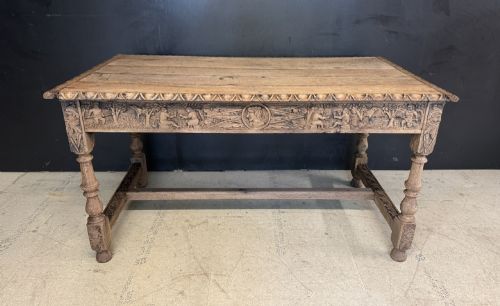
The aesthetic vocabulary stretches from unadorned modernist blonde oak and Art Deco designs to heavier historicist revivals such as Jacobean, Gothic, and Renaissance styles. Many pieces show the lighter tones achieved through deliberate bleaching or liming techniques.
Distinction in Craftsmanship and Finish
Quality separates through the integrity of the timber selection and the precision of the joinery. Solid oak construction with disciplined hand-carved detailing stands apart from simpler assembly methods.
The execution of the surface finish dictates visual success, particularly in bleached and limed examples where even tone enhances the natural grain without masking the historic character of the wood.
Light Oak Side Table Retail Price Guide 2026
Typical asking prices for light oak side table among the pieces listed under this phrase on Sellingantiques today, from the lower quarter to the upper quarter. They describe what is for sale here now, not the wider market.
Listings feature items spanning the 18th Century through the 1930s, incorporating oak, brass, leather, and chrome materials.
Heals·Liberty of London
The Light Oak Side Table Glossary
- Bleached oak
- Oak timber treated to lighten its natural golden or brown colour. This process highlights the grain pattern and creates a paler, Scandinavian-influenced aesthetic common in mid-century and revived vernacular furniture.
- Jacobean Revival
- A 19th-century stylistic movement imitating the heavy, geometric carved ornamentation of early 17th-century English furniture. Pieces in this style often feature bold mouldings, panelled doors, and turned legs.
- Console table
- A table designed to stand against a wall, frequently supported by brackets or ornate legs. In historical interiors, these pieces served decorative functions in hallways and reception rooms.
- D end
- A table configuration where one or both ends terminate in a semi-circular or D shape. These sections often combine with centre leaves to form extended dining or desk surfaces.
- Limed oak
- Wood treated with a white pigment or lime solution rubbed into the open pores. The technique accentuates the grain pattern with a pale contrast against the darker oak background.
Light Oak Side Table: Frequently Asked Questions
How do I date a light oak side table?
Dating relies on examining the construction marks, timber preparation, and stylistic cues present in the piece. Early 20th-century and 1930s examples often display machine-planed elements and modernist simplicity, whereas 19th-century and Georgian pieces reveal hand-tool marks and traditional joinery.
Hardware, such as brass pulls or hinges, and the specific treatment of the oak - whether bleached, limed, or finished with traditional wax - further clarify the era of production and subsequent alterations.
Are bleached oak tables original antiques?
Bleaching or liming oak occurs across multiple periods, with some treatments applied during the original manufacture, particularly in 20th-century and Art Deco designs. Other antique tables undergo later surface lightening to suit contemporary decorative preferences.
Inspecting the depth of the finish within the grain helps determine whether the pale tone forms an intrinsic part of the piece's history or represents a more recent stylistic intervention.
How do I care for antique oak furniture?
Maintaining light oak requires shielding the timber from direct sunlight and excessive moisture fluctuations. Regular dusting with a soft, dry cloth preserves the finish without building up heavy chemical residues.
Occasional application of appropriate natural waxes protects the wood pores, keeping the surface nourished while maintaining the distinctive character of the grain.