



Vintage Oak Nightstand
A vintage oak nightstand brings sturdy utility and rich grain to the bedside, spanning Edwardian, Arts and Crafts, and Art Deco designs.
Vintage Oak Nightstand
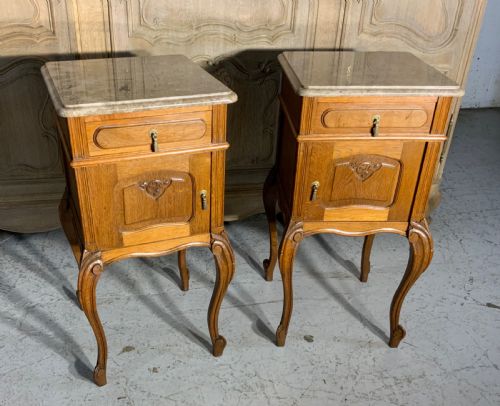
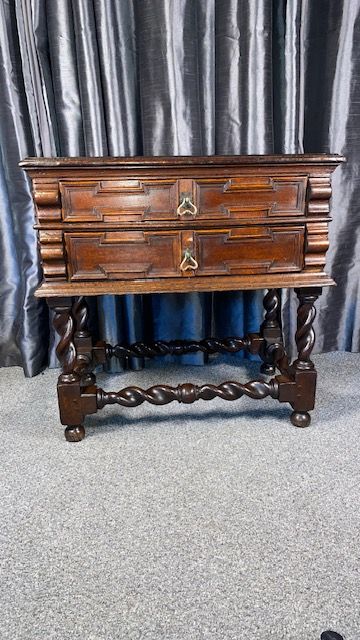
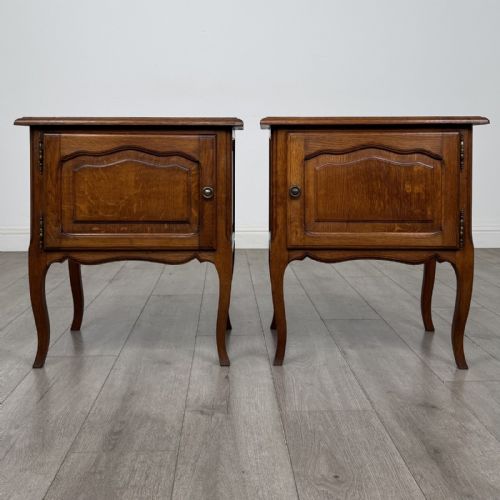
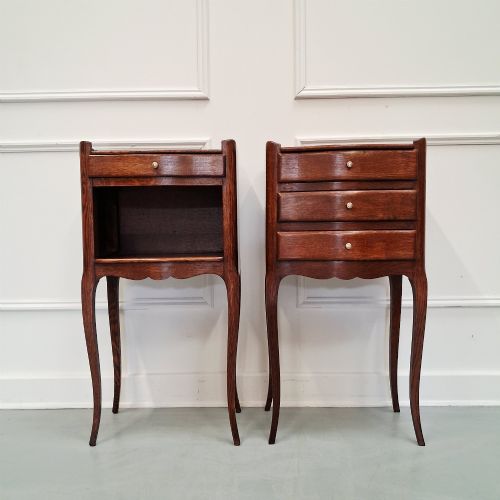
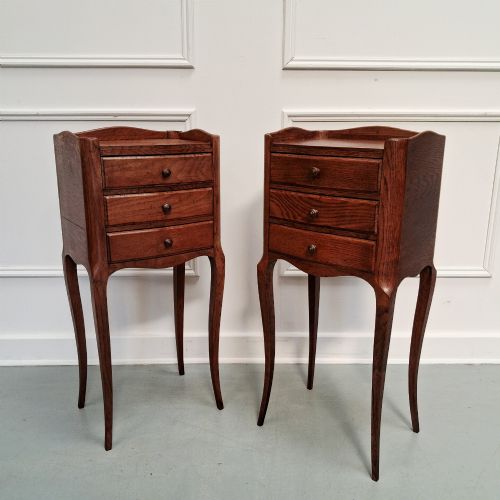
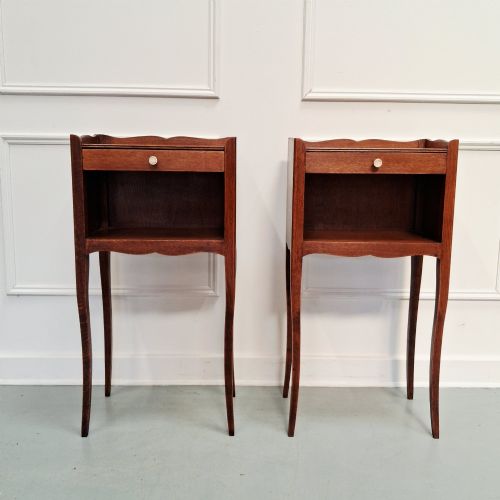
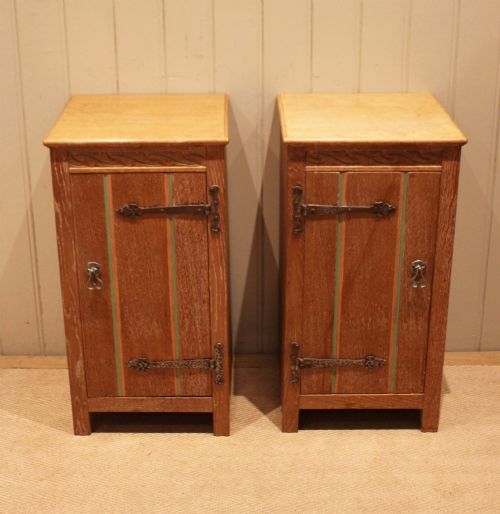
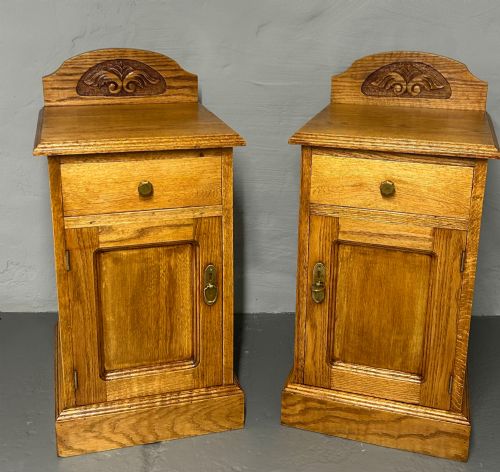
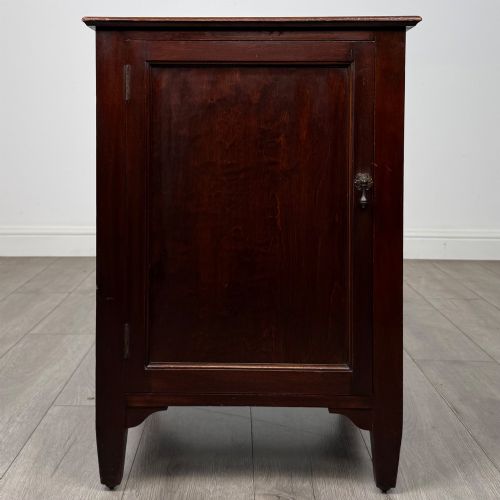
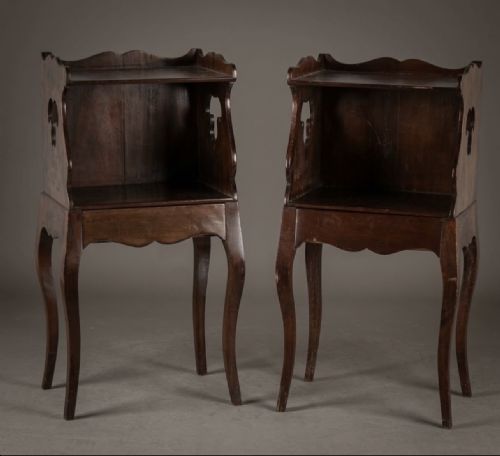
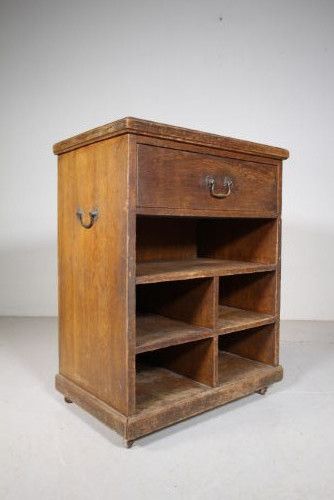
A vintage oak nightstand serves as a practical bedside surface and storage piece, taking forms such as small side tables, bedside cabinets, and compact cupboards. When you search for a vintage oak nightstand, you encounter pieces originating primarily from the Edwardian era, the 1920s, and the 1930s, alongside earlier Victorian and 18th-century examples.
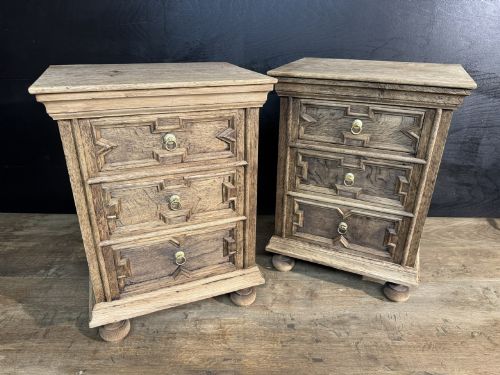
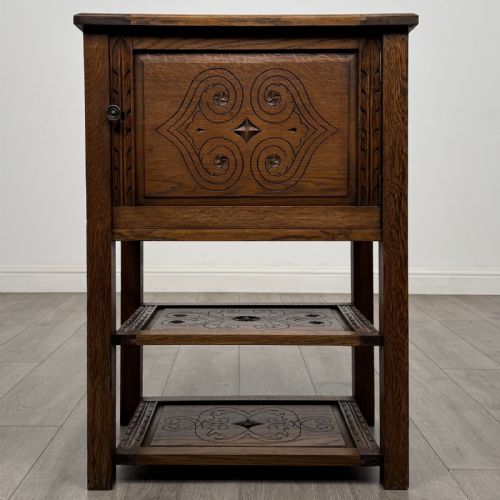
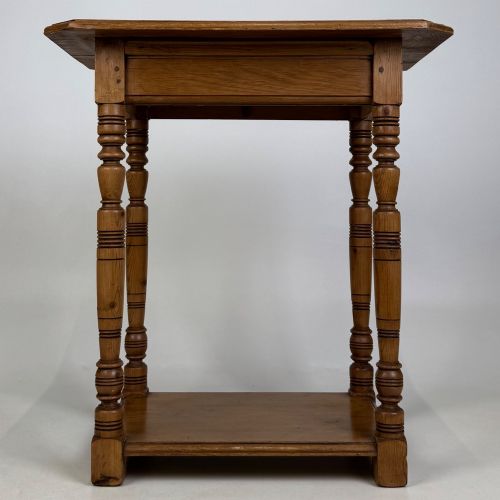
The Edwardian period supplies numerous golden oak side tables and small cupboards, while 1920s and 1930s pieces often reflect Art Deco modernist lines or Jacobean Revival details. French Provincial, Gothic style, and Arts and Crafts influences also shape these bedside tables, offering variations from simple open side tables to enclosed storage cupboards with doors and drawers.
How they were made
Makers constructed these nightstands predominantly in solid oak, occasionally incorporating ash or stained wood, and finished surfaces with wax, bleaching, or simple paint. Structural hardware frequently relies on brass handles, iron fittings, and occasional marble tops.
Joinery methods range from carved panels on Jacobean and Gothic revival pieces to sleek, unadorned planes on Art Deco modernist cabinets. Workshops utilised standard timber framing to build durable bedside cupboards and side tables designed for daily domestic use.
Vintage Oak Nightstand Retail Price Guide 2026
Typical asking prices for vintage oak nightstand among the pieces listed under this phrase on Sellingantiques today, from the lower quarter to the upper quarter. They describe what is for sale here now, not the wider market.
Listings feature oak alongside alternative materials including brass, marble, metal, iron, pine, stained wood, and ash.
What varies in quality
Quality in these bedside pieces rests upon the precision of the timber selection and the restraint of the design, distinguishing standard utility furniture from sophisticated workshop output. Pieces attributed to specific progressive makers demonstrate superior joinery and thoughtful proportions compared to anonymous factory output.
The integration of functional elements, such as smoothly operating drawers and well-fitted cupboard doors, marks the difference between basic bedside tables and finer cabinetwork. Surface treatments, from careful waxing to clean modernist lines, further separate refined examples from routine production.
Gomme·Heals
The Vintage Oak Nightstand Glossary
- Jacobean Revival
- A style popular in the early twentieth century that borrows heavy, carved decorative motifs from seventeenth-century English furniture. It often appears on oak side tables and cupboards with dark finishes.
- Arts and Crafts
- A design movement emphasising honest construction, local materials, and visible handcraftsmanship, frequently utilising solid oak or ash. Pieces from this tradition avoid excessive ornamentation in favour of utility.
- Art Deco
- A modernist style from the interwar period characterised by clean geometric shapes, streamlined forms, and functional simplicity. In bedside cabinets, this translates to smooth surfaces and minimal hardware.
- Bedside Cabinet
- An enclosed storage piece featuring a door or drawers designed to sit beside a bed. These contrast with open side tables by concealing personal items within a cupboard.
Vintage Oak Nightstand: Frequently Asked Questions
What is a vintage oak nightstand?
A vintage oak nightstand is a small bedside table, cabinet, or cupboard made of oak during the nineteenth or twentieth century.
These pieces provide a surface for lamps and books alongside enclosed storage for bedside essentials.
How do I identify an Edwardian nightstand?
Edwardian bedside tables typically feature light or golden oak construction with simple, practical proportions dating from the early twentieth century.
They often lack the heavy carving of Victorian pieces or the geometric streamlining of Art Deco designs.
Are Art Deco oak nightstands common?
Art Deco oak nightstands appear frequently from the 1930s, often displaying modernist lines and integrated drawer configurations.
French workshops also produced distinctive pairs of these streamlined oak bedside cabinets during the interwar period.
How do I care for a waxed oak table?
Waxed oak surfaces benefit from occasional gentle cleaning and the application of traditional furniture wax to maintain the finish.
Avoid placing damp items directly onto the wood to protect the grain and prevent water marks.