


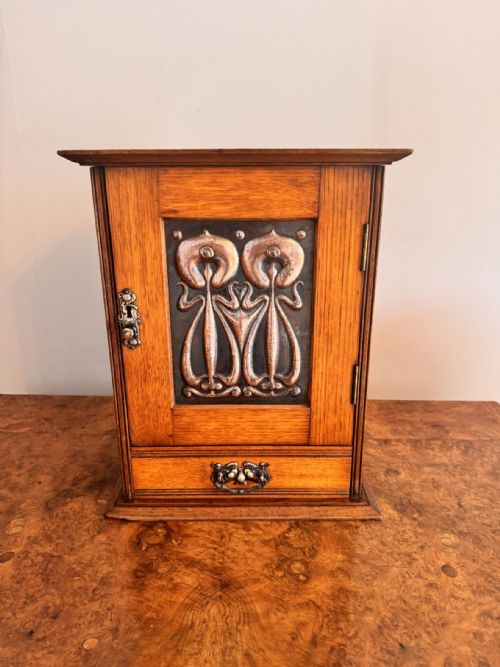
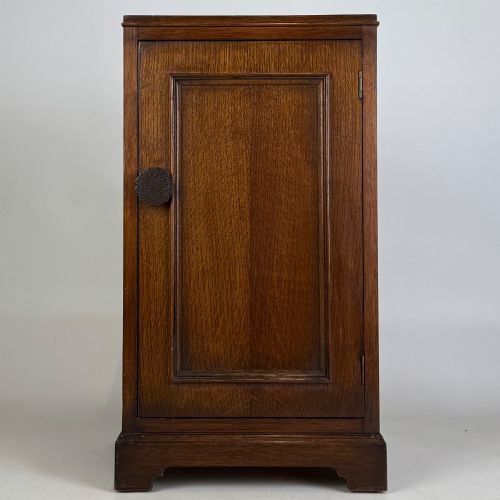
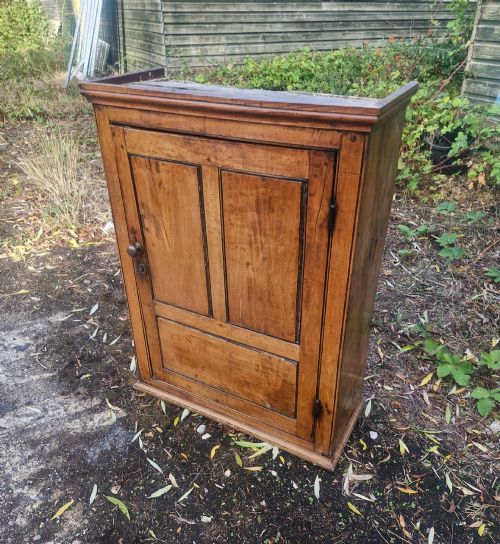
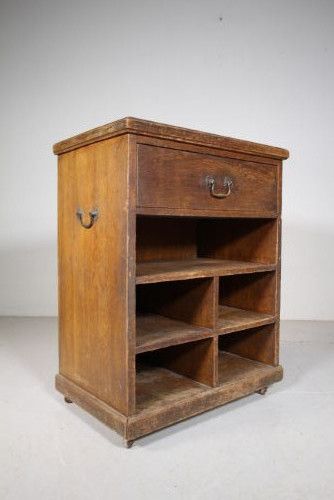
Small Oak Cabinet
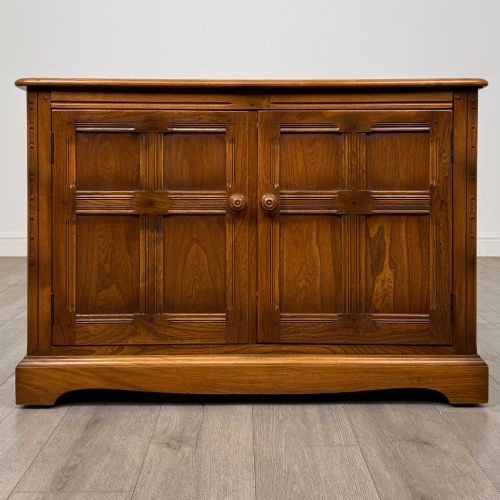
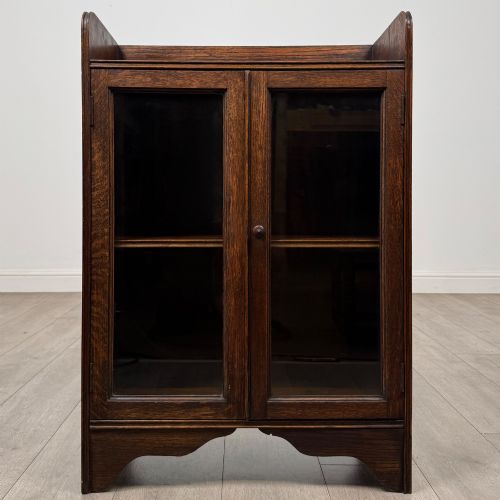
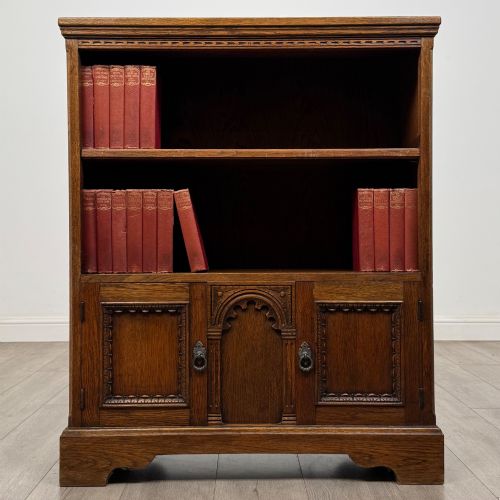
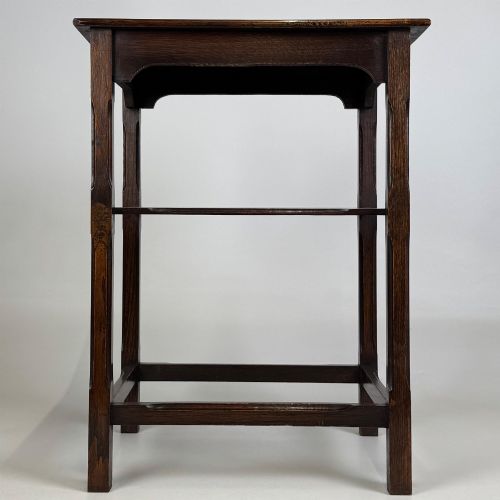
A small oak cabinet brings functional storage and rich timber grain to domestic spaces without dominating the room.
Form and Period
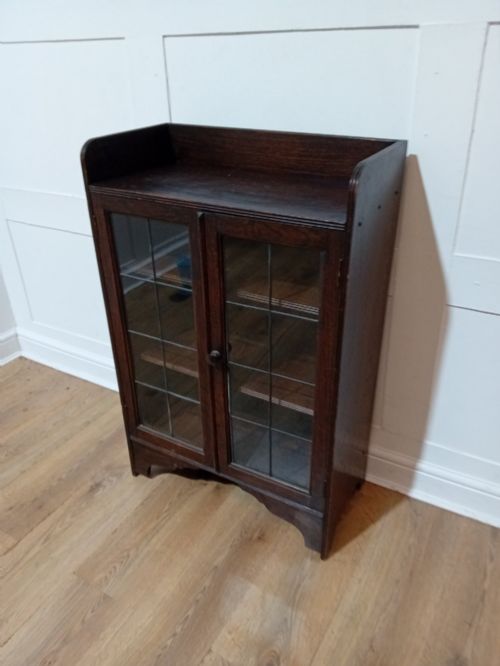
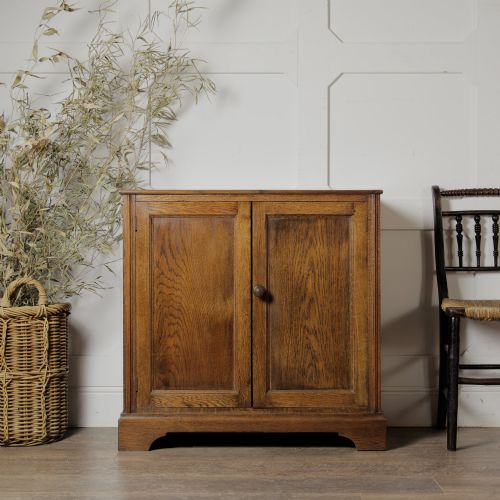
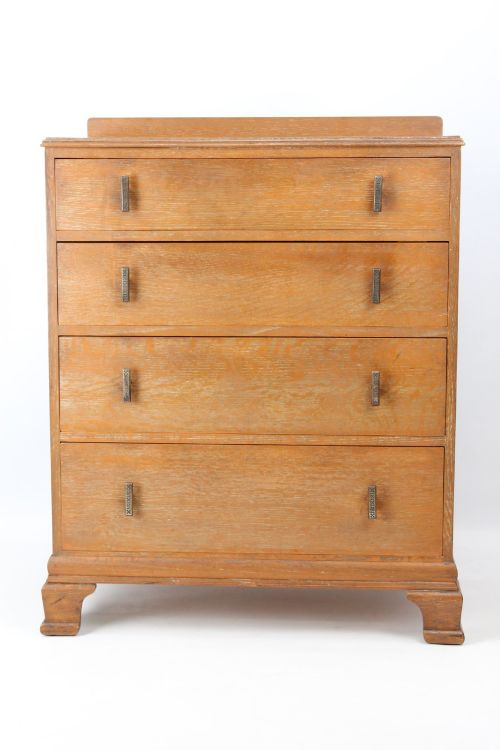
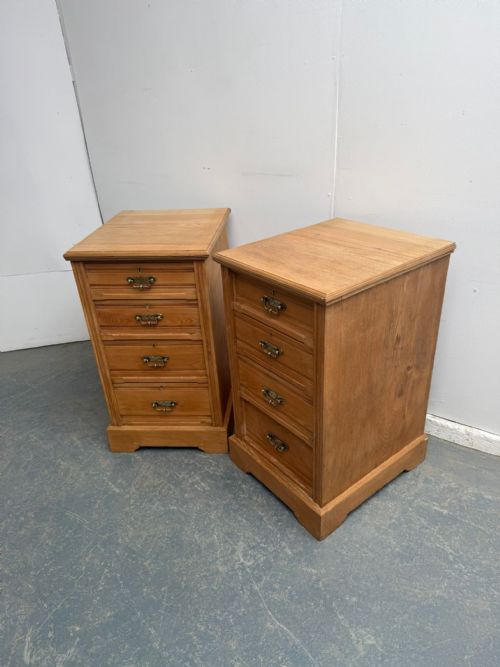
A small oak cabinet covers a diverse group of compact furniture forms including bedside tables, hanging cupboards, corner units, and collectors chests. These pieces span multiple eras from the Georgian period through the Victorian age and Edwardian epoch into the early twentieth century.
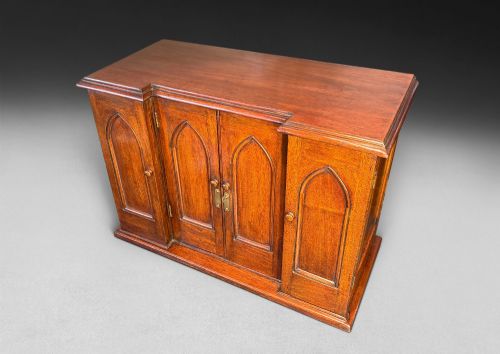
Most examples found on this page date from the nineteenth and twentieth centuries, incorporating revival styles such as Jacobean and Gothic alongside utilitarian Arts and Crafts designs. Buyers regularly encounter side cabinets, desktop filing units, and display cases suited for domestic interiors.
Judging Quality
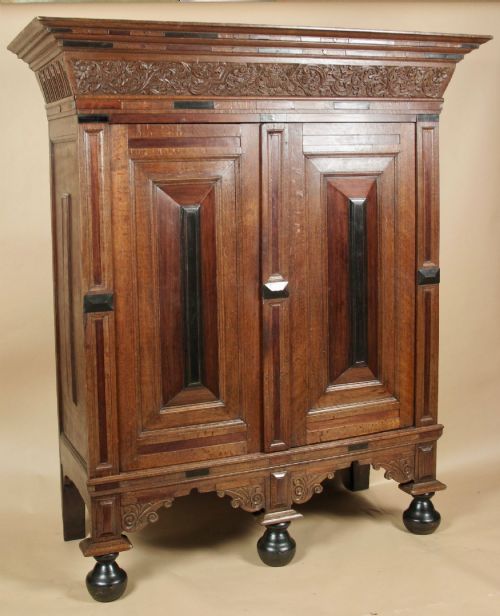
Quality in a small oak cabinet rests on timber selection and the crispness of any carved detail. Pieces featuring highly figured oak grain and deeply carved friezes stand apart from plain utilitarian boxes.
Construction integrity defines the upper tier of these pieces, visible in tight joints, original brass or iron hardware, and balanced proportions across drawers and cupboard doors.
Retail Price Guide 2026
Typical UK retail prices for small oak cabinet, calculated from the Sellingantiques database of over a million retail prices indexed since 2003. This retail price guide relies exclusively on Sellingantiques data; no external sources or auction records are used, so the figures do not describe the wider market.
Smokers pipe cabinets appear among the selections, reminding us of past domestic habits.
The Small Oak Cabinet Glossary
- Golden oak
- A warm, honey-toned finish applied to oak timber, frequently seen on pieces dating from the Edwardian period.
- Frieze
- The decorative horizontal band situated beneath the top moulding of a cabinet, often plain or carved.
- Tambour
- A flexible shutter door constructed from narrow strips of wood glued to a canvas backing, allowing it to slide around a track.
- Collectors cabinet
- A specialised piece of furniture fitted with multiple shallow drawers designed for organising small specimens or items.
- Corner cabinet
- A space-saving cupboard designed specifically to fit snugly into the ninety-degree angle of a room.
Frequently Asked Questions
Where should I put a small oak cabinet?
These compact pieces fit easily into alcoves, hallways, or beside beds where floor space is limited. Their modest footprint allows them to function as bedside storage or accent surfaces in smaller reception rooms.
Positioning them away from direct heat sources and strong sunlight protects the timber and its waxed finish over time.
How do I clean an antique oak cabinet?
Dust the surfaces regularly with a soft, dry cloth to prevent dirt accumulation in the grain and carved sections. Avoid modern silicone sprays, which can build up and damage the traditional finish.
Apply a quality beeswax periodically to nourish the oak and maintain its natural lustre without stripping the historical patina.
How do I date a small oak cabinet?
Examine the construction methods, drawer dovetails, and hardware style to establish a general timeframe. Hand-cut joints and wrought iron fittings often point to earlier Georgian or Victorian origins, while machine-cut elements typically indicate Edwardian or later twentieth-century production.
Stylistic markers like Gothic Revival or Arts and Crafts motifs provide further clues to the decade of manufacture.
Are these cabinets suitable for modern homes?
Their restrained proportions and durable construction make them practical additions to contemporary domestic interiors. They offer functional enclosed storage while introducing organic texture and historic character to a room.
Many collectors use them to store books, tableware, or everyday items while displaying decorative objects on top.