





Antique Desktop Cabinet
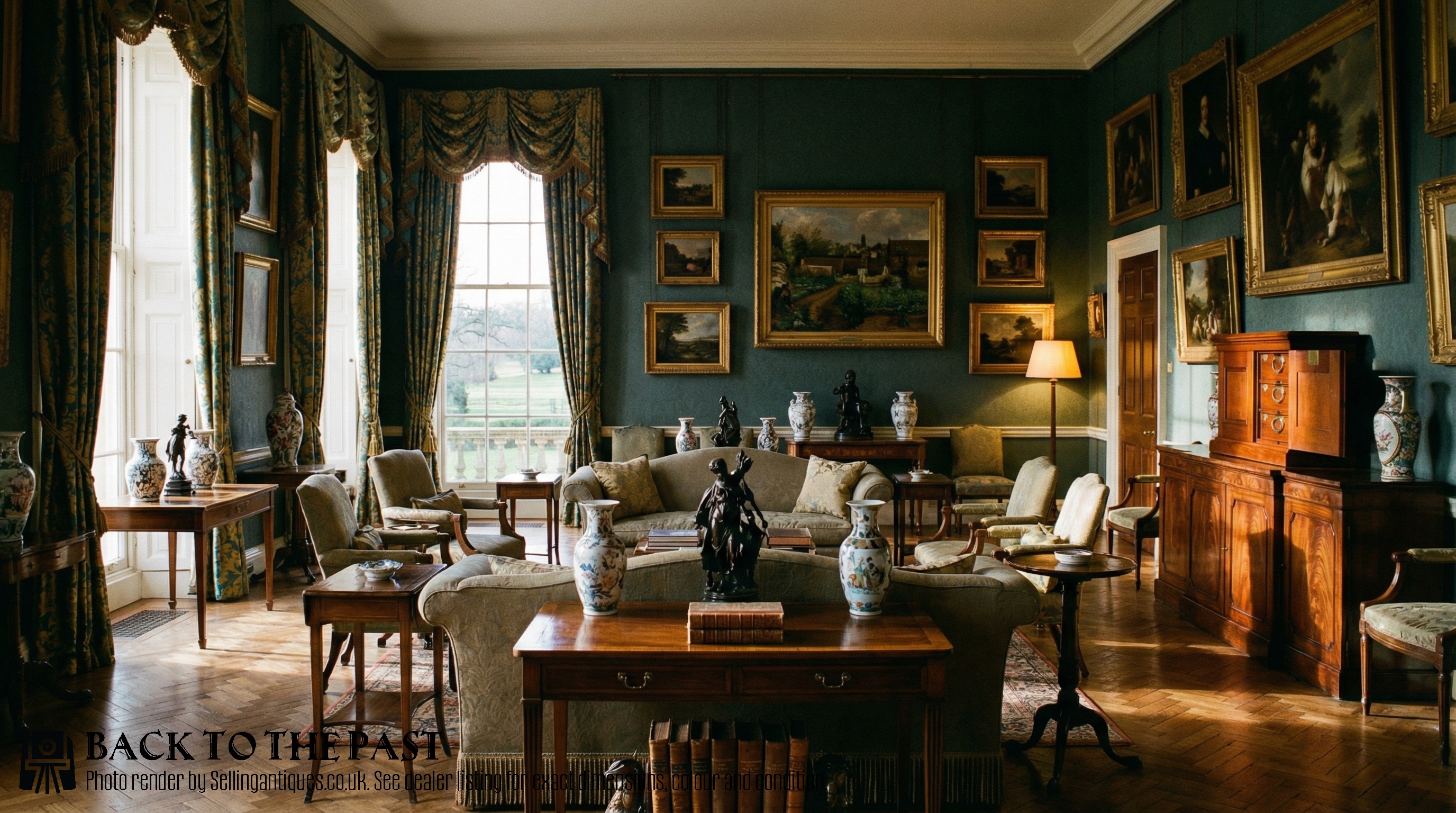
An antique desktop cabinet organises correspondence, papers and small treasures while adding architectural grace to a surface.
Antique Desktop Cabinet
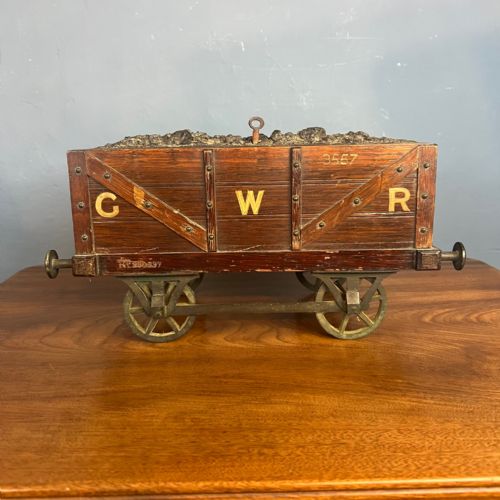
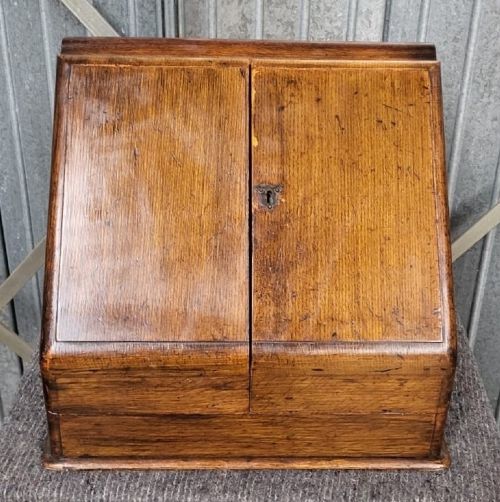
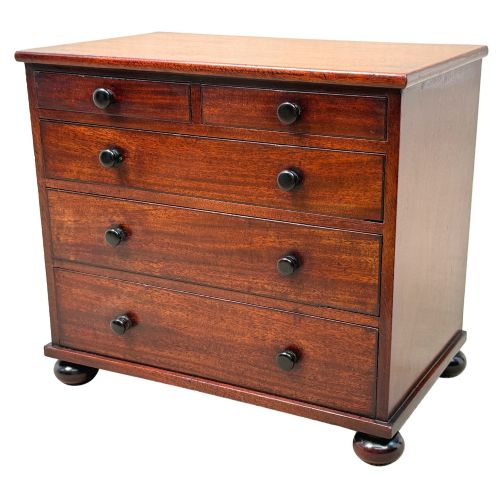
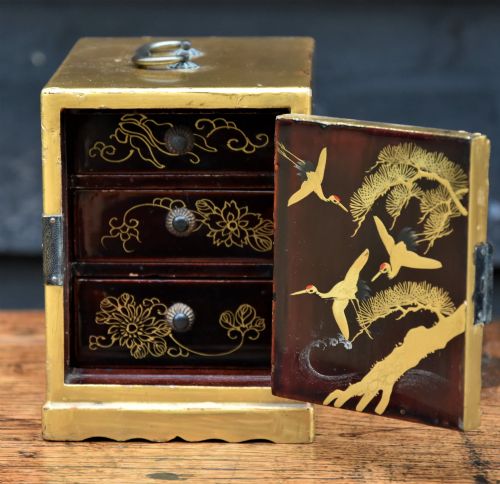
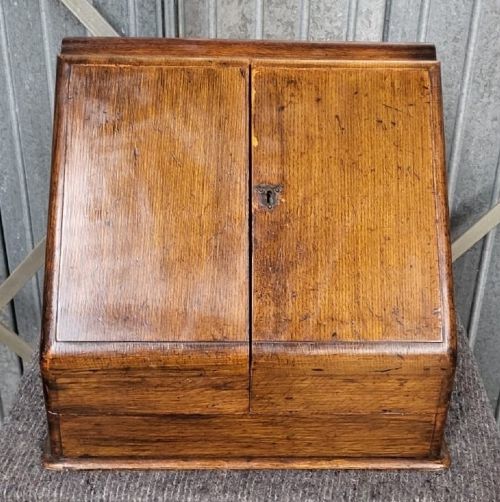
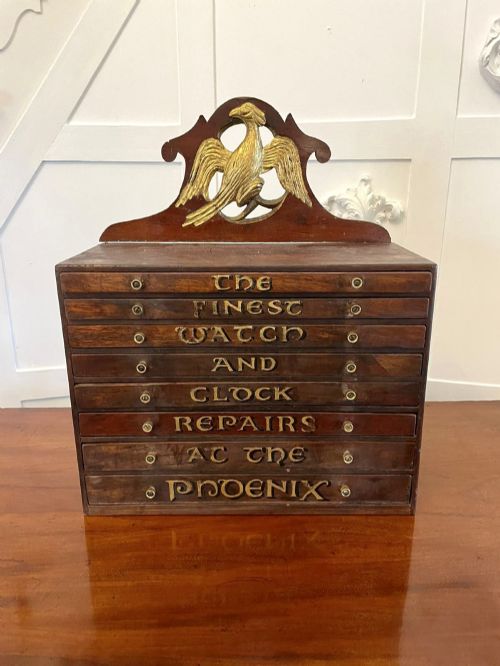
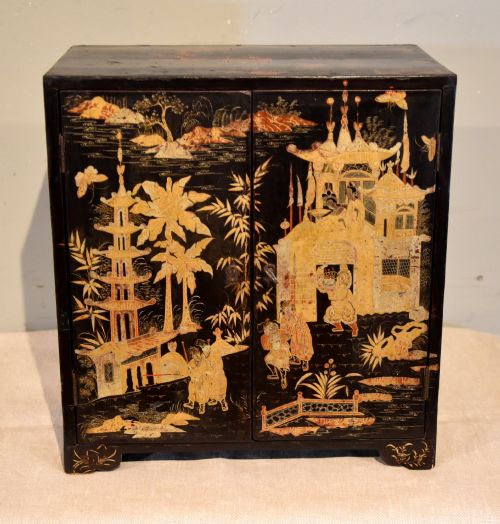
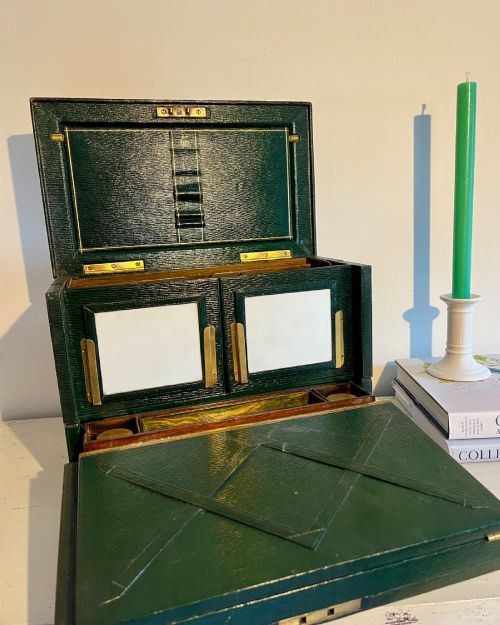
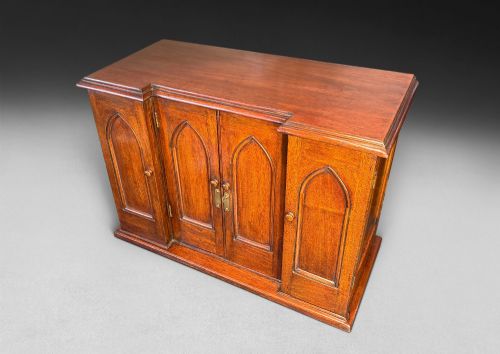
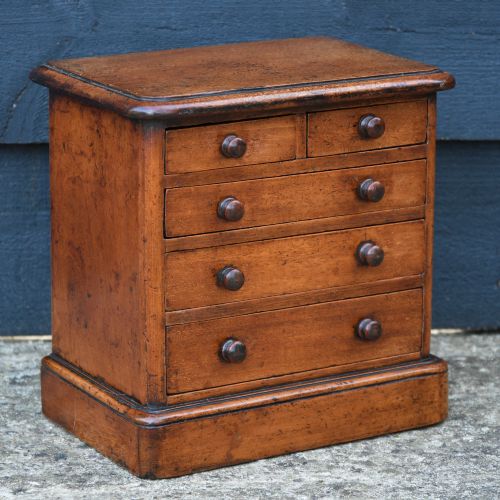
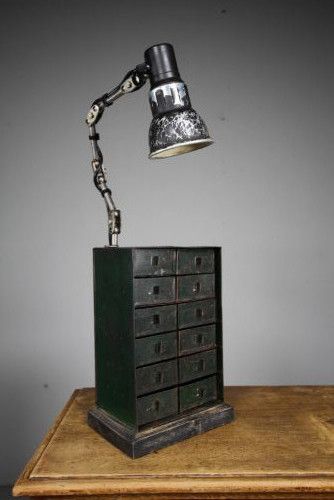
When searching for an antique desktop cabinet, you encounter a varied assortment of portable storage pieces designed for the workspace, ranging from stationery boxes and letter boxes to miniature chests of drawers and tabletop collectors cabinets. These items originate predominantly from the nineteenth and early twentieth centuries, spanning the Victorian, Edwardian, and Regency periods.
Materials and construction
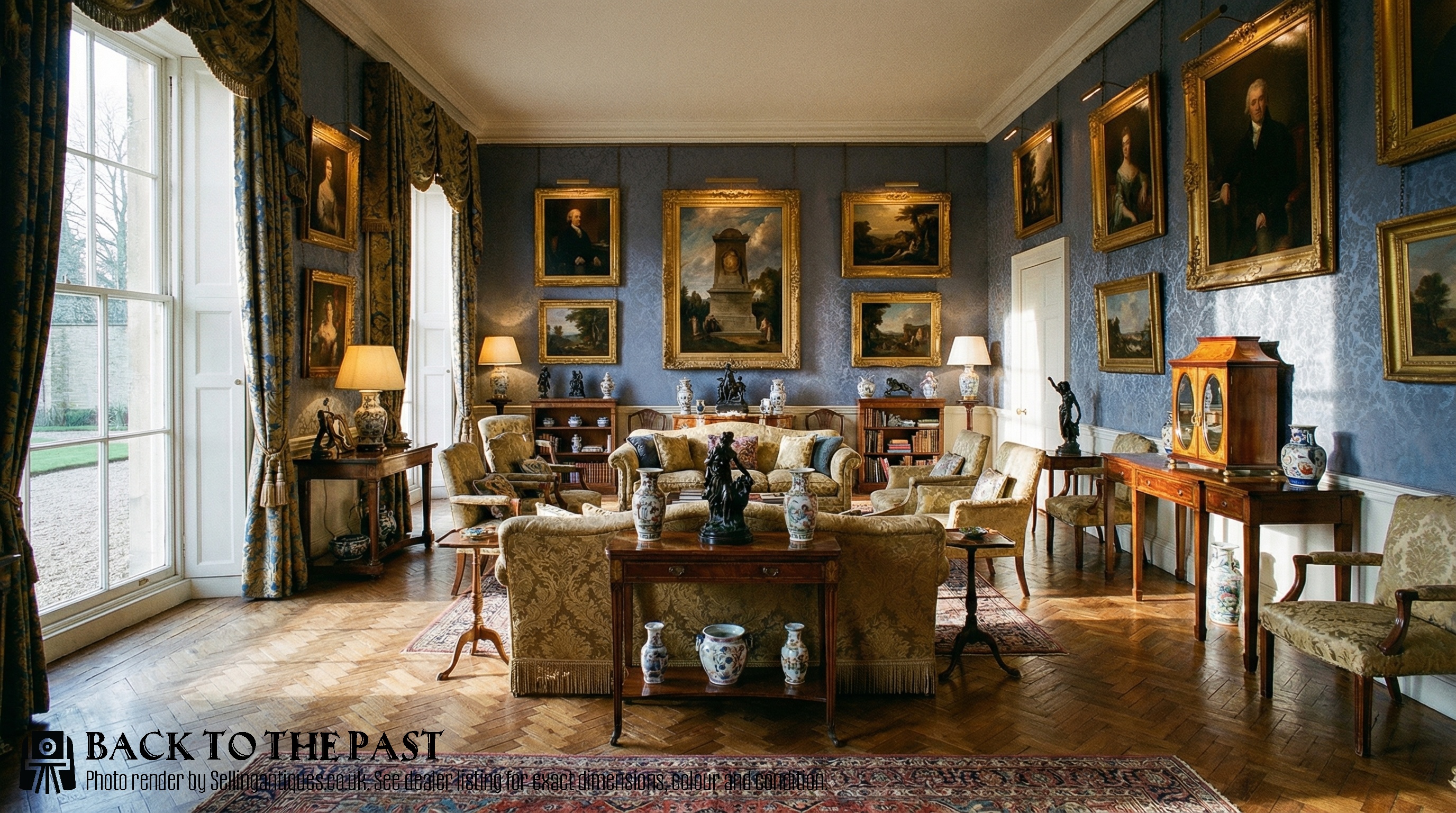
Cabinet makers utilised a dependable selection of timbers including oak, mahogany, walnut, and rosewood, frequently employing figured veneers such as burr walnut and burr elm to provide visual depth on visible surfaces. Pine served as a secondary wood for drawer linings and internal compartments.
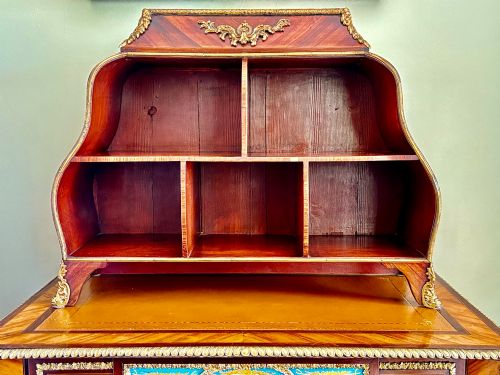
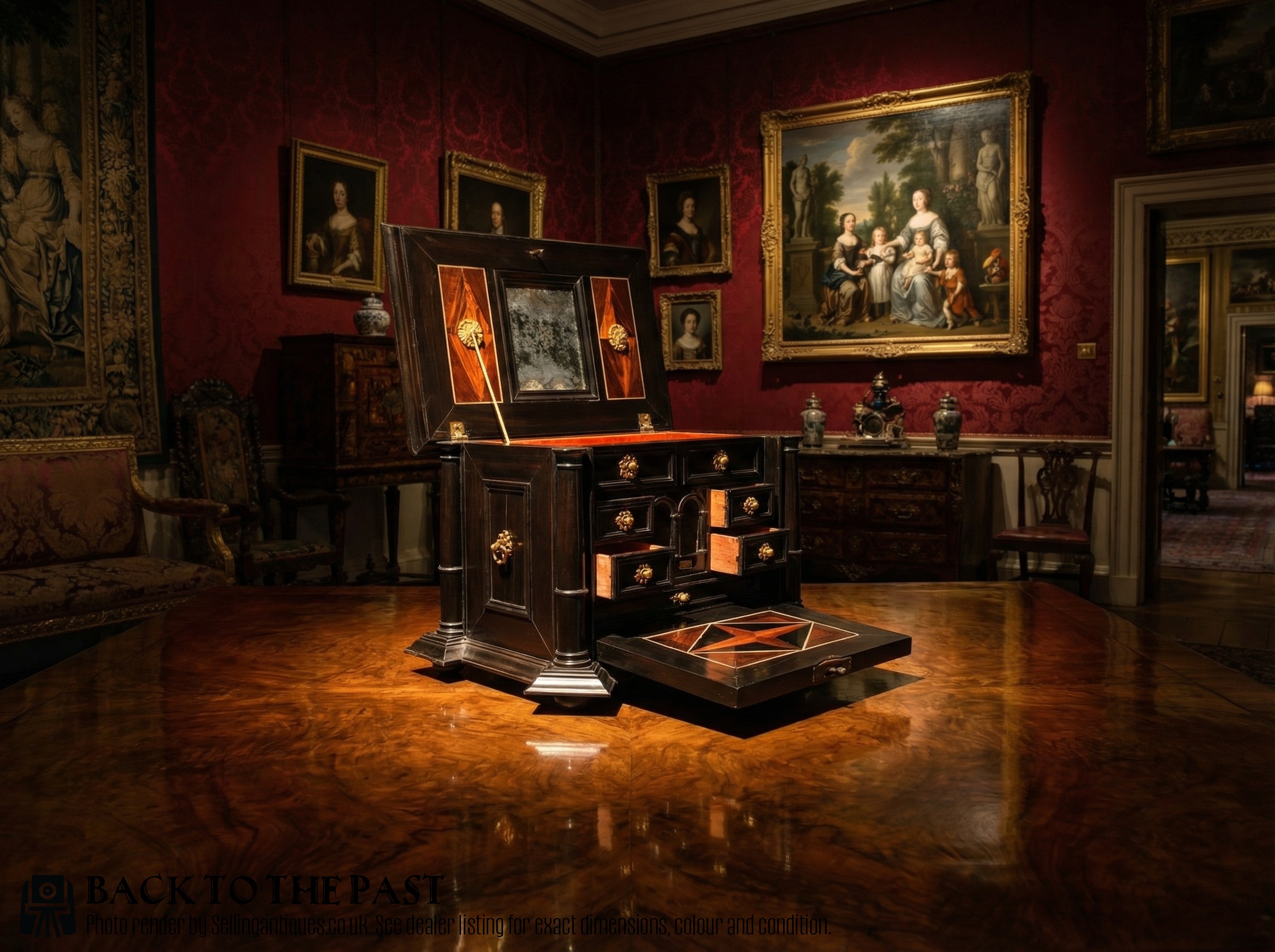
Construction relied on traditional joinery methods, incorporating dovetailed drawer boxes, brass hinges, escutcheons, and handles. More ornate examples incorporated ormolu mounts, glazed doors, tambour fronts, or intricate inlaid banding in contrasting hardwoods.
Antique Desktop Cabinet Retail Price Guide 2026
Typical asking prices for desktop cabinet among the pieces listed under this phrase on Sellingantiques today, from the lower quarter to the upper quarter. They describe what is for sale here now, not the wider market.
Execution and proportion
The distinction between ordinary and superior pieces rests on the precision of the joinery and the selection of materials. Fine examples display carefully matched wood grain across the facade, tight dovetails on every drawer, and well-fitted internal partitions that operate smoothly.
Proportion and restrained ornamentation also dictate distinction, where handles, brasswork, and mounts complement the scale of the piece rather than overpowering it. Original locks, fitted interiors, and intact calendars or glass panels elevate the integrity of the design.
Arthur Simpson of Kendal·D Napier and Sons
The Antique Desktop Cabinet Glossary
- Apprentice piece
- A small-scale item demonstrating the skill required for a craftsman to attain master status, often taking the form of a miniature chest of drawers.
- Stationery box
- A desktop container designed to hold writing paper, envelopes, and ink, frequently fitted with sloping lids or interior pigeon holes.
- Humidor
- A specialised storage chest designed to maintain humidity, commonly lined with wood for keeping cigars.
- Cartonnuer
- A French desktop cabinet featuring tiered compartments or drawers specifically built for sorting papers and documents.
- Escutcheon
- A decorative brass plate surrounding a keyhole that protects the surrounding wood from wear.
Antique Desktop Cabinet: Frequently Asked Questions
What is an antique desktop cabinet used for?
These compact pieces served to organise correspondence, documents, stationery, and small personal valuables on a desk or table. Their internal compartments provided dedicated spaces for inkwells, stamps, and letters.
Today, they perform a similar function in a modern home or study, offering practical storage for modern letters, pens, and collectables while introducing period character to a workspace.
How do I date an antique desktop cabinet?
Dating relies on observing the timber choice, construction techniques, and stylistic cues present in the design. Regency and early nineteenth-century pieces often feature rosewood or mahogany with restrained classical lines, whereas Victorian examples frequently showcase heavier oak or burr walnut with more elaborate brass mounts.
Edwardian items often introduce lighter oak finishes, simpler hardware, or specialised compartments for modern office stationery. Comparing the secondary woods inside drawers also helps confirm the period of manufacture.
How do I care for wooden desktop cabinets?
These items require protection from direct sunlight and sudden fluctuations in temperature or humidity, which can cause timber to warp or veneers to lift. Placing them away from heat sources preserves the polish and structural integrity.
Occasional dusting with a soft, dry cloth is sufficient for maintenance, avoiding modern silicone sprays or harsh chemical polishes that damage antique finishes.