

Arts and Crafts Box
These arts and crafts box examples combine honest construction with tactile materials, offering practical storage rooted in a historic design movement.
Arts and Crafts Box Forms
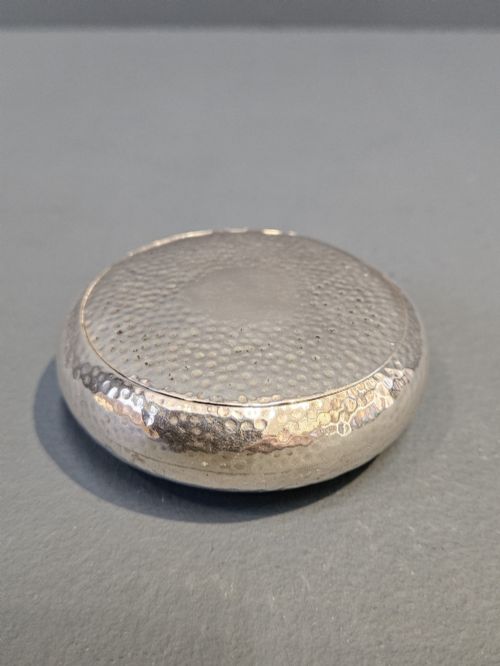
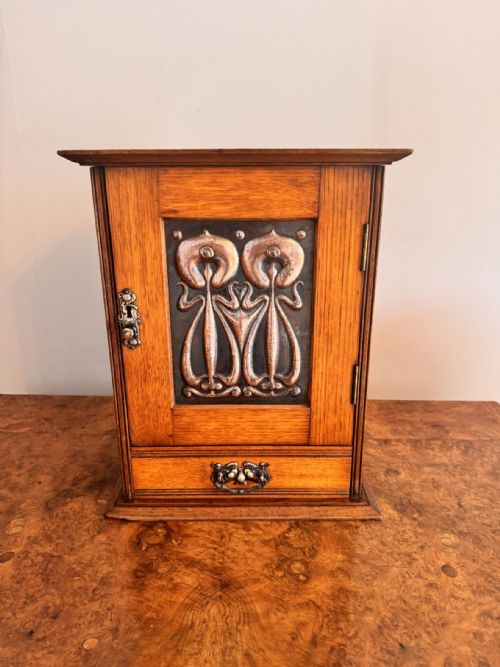
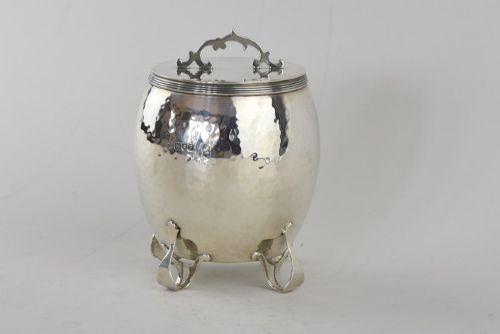
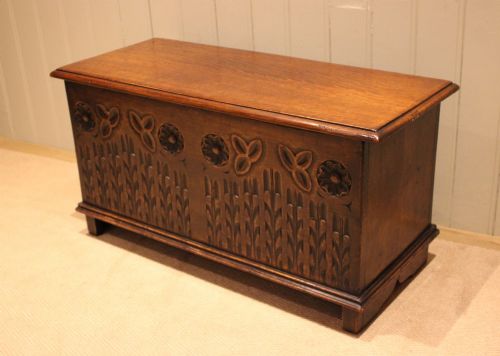
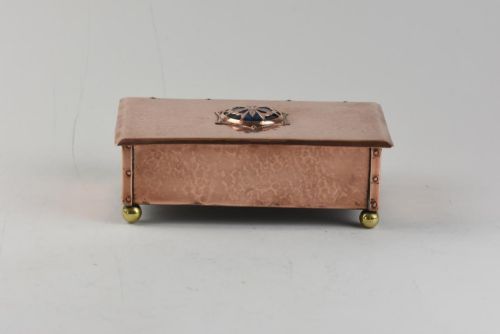
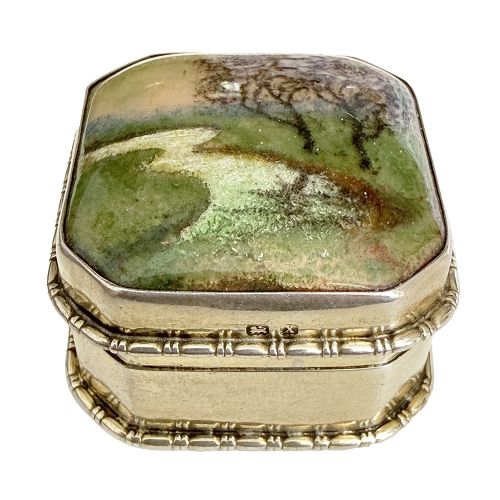
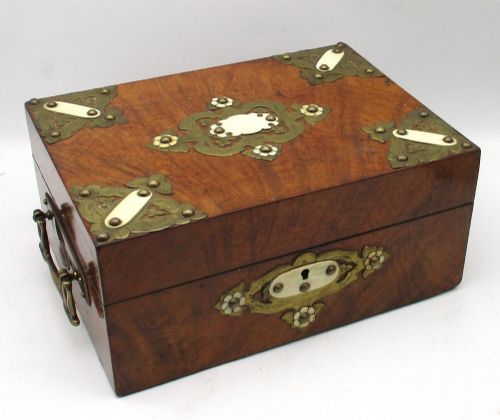
When searching for an arts and crafts box, you encounter everything from small silver pill boxes and trinket receptacles to larger mahogany table cabinets, tea caddies, and stationery boxes. Many domestic iterations emerge from the Edwardian and Victorian eras, alongside pieces dated through 1900, 1910, and 1920.
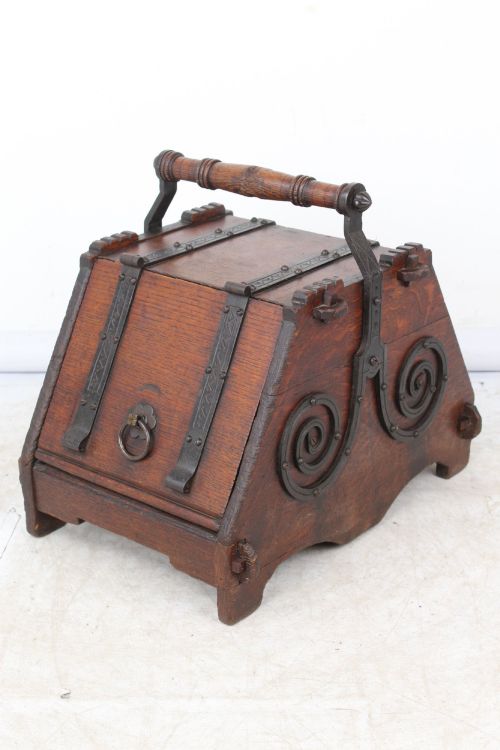
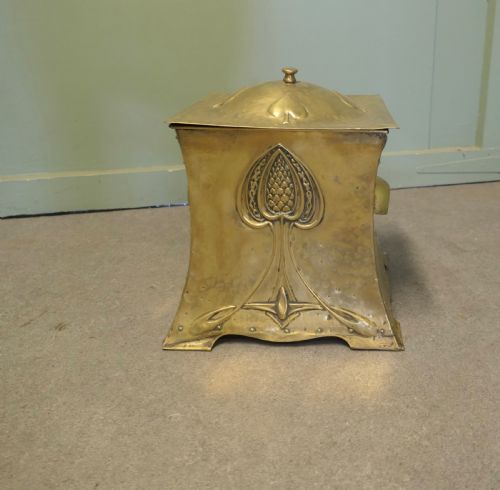
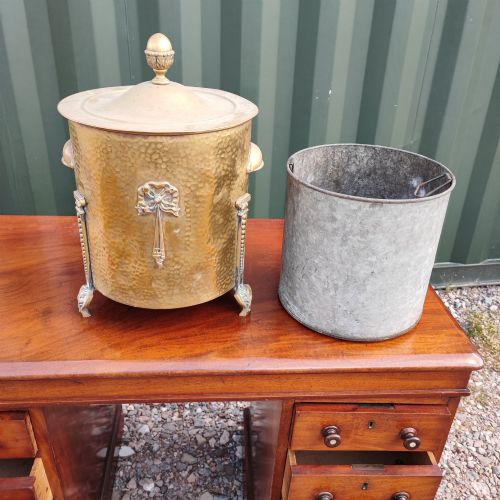
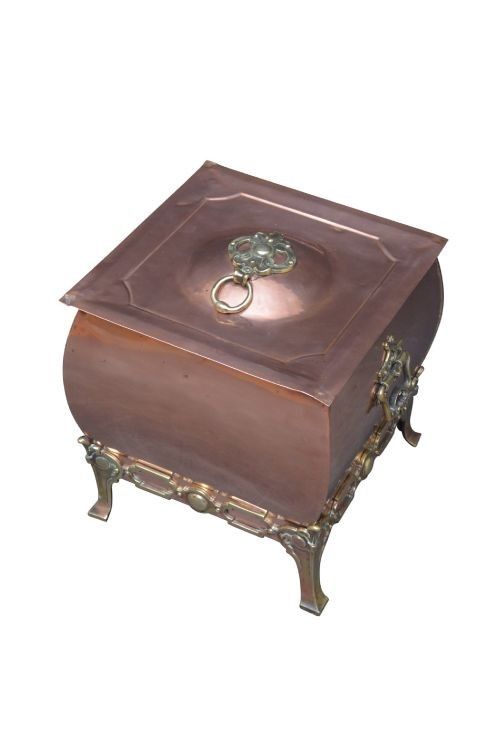
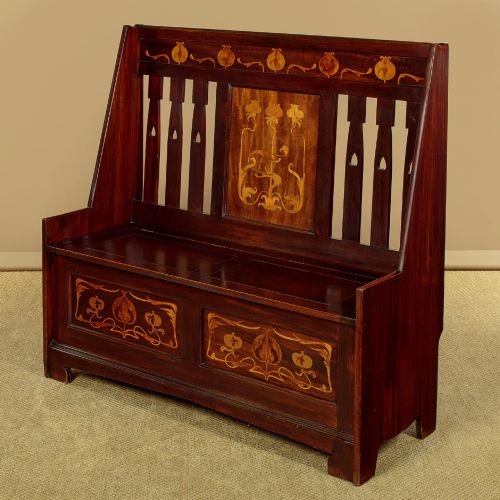
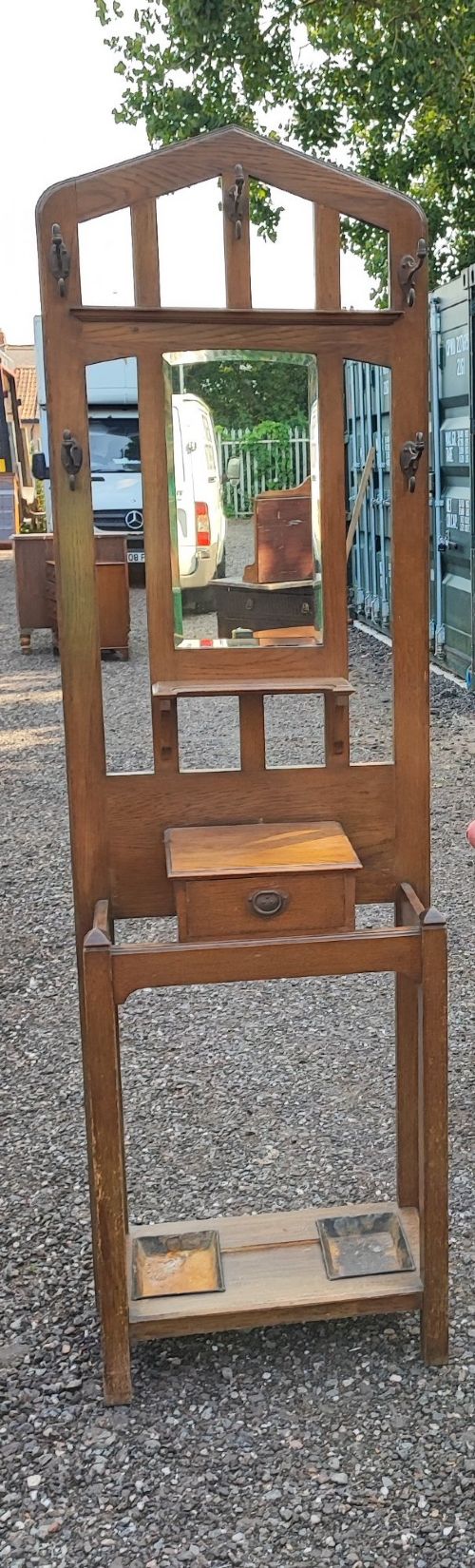
The domestic selection also extends to utilitarian fireside vessels, including copper and brass coal boxes, purdoniums, and log boxes. Smaller desktop tidies and desk accessories sit alongside wall-hanging salt boxes and larger oak box settles.
Materials and Construction
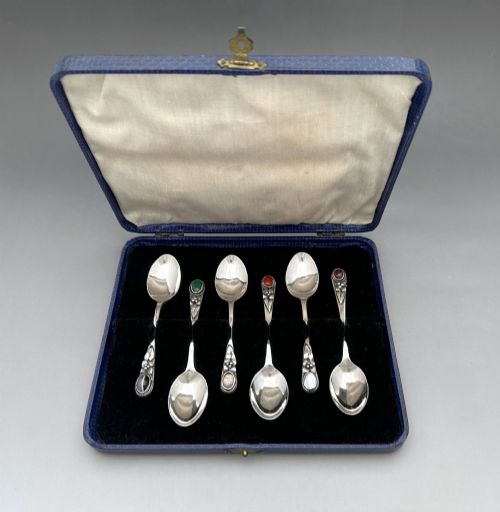
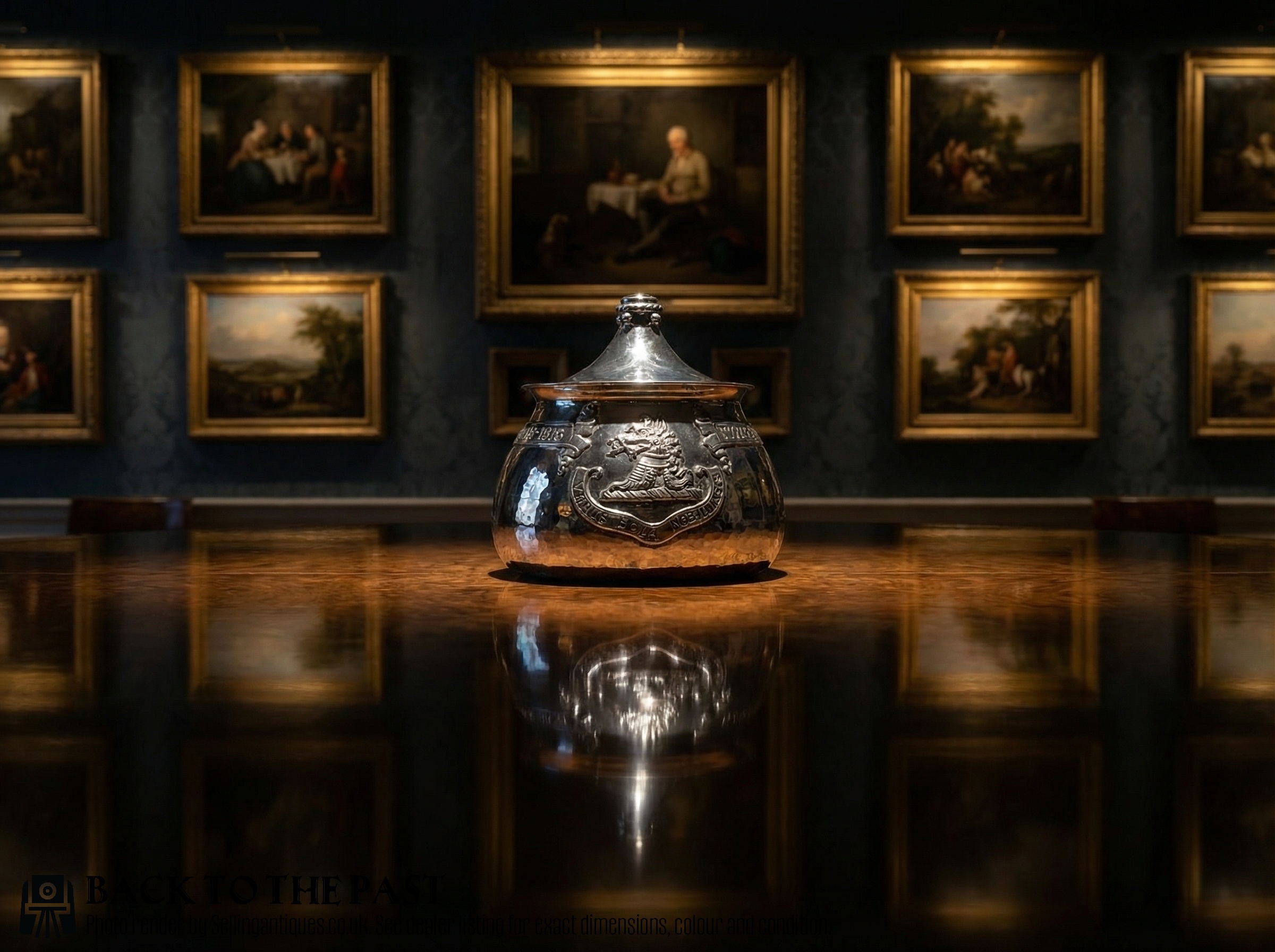
Maker workshops utilised a wide range of materials, combining solid and golden oaks, mahogany, walnut, and teak with metals like silver, copper, brass, pewter, white metal, and riveted steel. Many pieces incorporate decorative panels of enamel, ruskin cabochons, and mother of pearl.
Surface decoration relies on hand-beaten metalwork, pokerwork, and carved woodwork. Rivets, exposed fixings, and structural honesty define the manufacturing approach across both small trinket containers and larger fireside items.
Retail Price Guide 2026
Typical UK retail prices for arts and crafts box, calculated from the Sellingantiques database of over a million retail prices indexed since 2003. This retail price guide relies exclusively on Sellingantiques data; no external sources or auction records are used, so the figures do not describe the wider market.
Design and Execution
Quality rests in the integration of materials, where hand-beaten copper or silver mounts meet well-chosen mahogany, oak, or walnut bodies without excess ornamentation. The presence of vibrant, well-fired enamel panels or Ruskin cabochons elevates standard woodwork into distinctive pieces of applied art.
Attribution to notable designers and guilds creates a clear distinction in standing. Pieces bearing recognisable signatures or workshop origins demonstrate superior metalworking precision and more thoughtful proportions than anonymous production items.
Fleetwood Varley·Liberty and Co·Omar Ramsden·William Hutton and Sons·Guild of Handicraft Ltd·Martin Hall and Co·Benham and Froud
The Arts and Crafts Box Glossary
- Cabochon
- An unfaceted, polished gemstone or ceramic cabochon set flush into metalwork. These often appear on copper boxes as central decorative bosses.
- Purdonium
- A domestic container designed for storing household coal near a fireplace. These frequently employ brass bindings and drop-front lids.
- Pokerwork
- A method of decorating wood by burning designs onto the surface with a heated tool. This technique appears on Victorian stationery boxes.
- Pewter
- A malleable alloy of tin mixed with copper and antimony, utilised for cast and beaten decorative boxes. It provides a subdued metallic lustre.
- Tea caddy
- A lidded container originally built for storing loose tea leaves. Edwardian examples often feature internal compartments.
Frequently Asked Questions
What are these boxes made from?
Makers constructed these pieces from a mix of timbers such as oak, mahogany, and walnut, paired with metals like copper, brass, silver, and pewter. Enamel panels and ceramic cabochons frequently provide colour.
Smaller items focus on precious metals and enamel, while larger hearth and desktop accessories rely on durable hardwoods and beaten base metals.
How do I date an arts and crafts box?
Dating relies on material combinations, construction methods, and stylistic cues characteristic of the Victorian and Edwardian periods up to the 1920s. Hallmarks on silver components offer precise chronological markers.
Hand-beaten surfaces and integrated decorative motifs reflect the manufacturing ethos of the specific decade in which the piece was produced.
Were these boxes used for desk storage?
Many examples function specifically as stationery boxes, letter boxes, and desk accessories designed to organise correspondence and writing equipment. Compartments inside accommodated envelopes and paper.
Larger table cabinets and desktop tidies provided secure storage for documents in period homes and studies.
How do I care for wooden and metal boxes?
Wooden surfaces benefit from occasional application of appropriate furniture wax to preserve the grain of oak or mahogany. Metal components should remain unpolished if retaining an aged patina.
Keeping enamel panels and mixed-media elements away from direct sunlight protects the original colours from fading over time.