




Hammered Silver Box
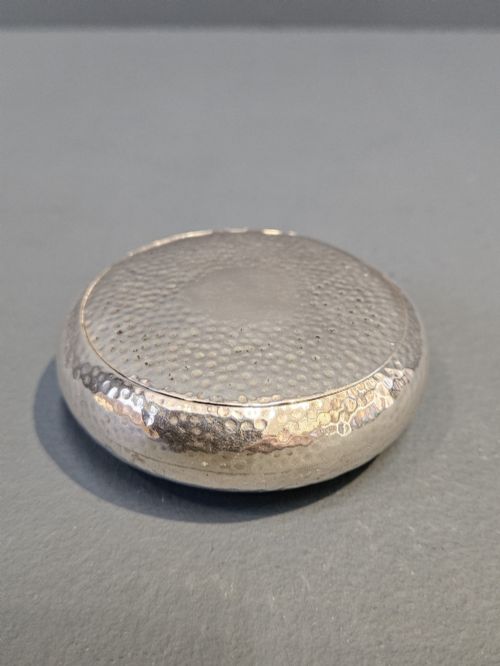
A hammered silver box brings tactile texture and hand-wrought character to a room, offering a tangible connection to early twentieth-century metalwork.
Hammered Silver Box
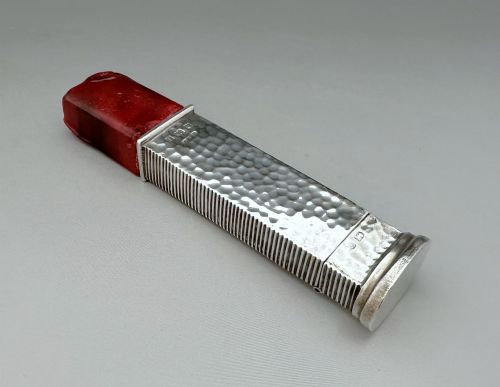
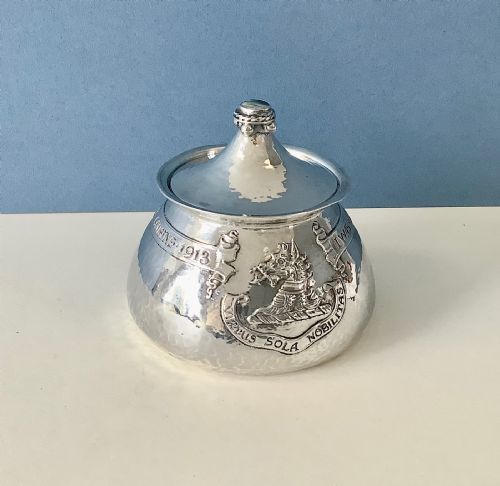
A hammered silver box encompasses a range of small containers designed for domestic use, including trinket boxes, tea caddies, tobacco boxes, and vesta cases. These pieces predominantly date from the Edwardian period and the early twentieth century, reflecting the prevailing aesthetic movements of the time.
The objects frequently display the distinct physical characteristics of the Arts and Crafts style, which celebrated manual skill over industrial uniformity. Buyers will encounter both plain sterling silver vessels and examples embellished with enamel panels, coloured sealing wax, or contrasting metals.
The forms vary from simple pocket-sized cases to substantial lidded caskets intended for dressing tables or desktop display. Each piece demonstrates how utilitarian items were elevated through thoughtful design and manual shaping.
How they were made
Silversmiths shaped these vessels using hand-beating and planishing techniques, striking sheet metal with specialised hammers to create a textured, light-catching surface. This process left visible facets that distinguished individual items from mass-produced stamped goods.
Makers incorporated supplementary materials such as vitreous enamel, copper, pewter, and steel to add colour and textural contrast to the silver body. Rivets, applied mounts, and parcel-gilt interiors were utilised to finish and assemble the components.
Structural elements like hinges and lids were individually fitted to each box to ensure smooth operation. The integration of sealing wax or inner gilt washes served both practical preservation purposes and decorative aims.
Listings in this category span the Victorian and Edwardian periods, featuring materials from sterling silver and silver-gilt to pewter, steel, and enamel.
What varies in quality
The standard of a hammered silver box depends significantly on the crispness and control of the hand-beaten texture across the metal surface. Skilled silversmiths maintained an even rhythm in their hammer marks, ensuring the tactile finish complemented the overall form.
The presence of distinguished makers or retail houses influences the distinction of a piece, particularly when combined with identifiable hallmarks from assay offices like Birmingham or Chester. Furthermore, the quality of supplementary decorative elements, such as cloisonné enamel panels or hand-riveted construction, elevates the sophistication of the work.
Charles Edwards·Liberty and Co·Nathan and Hayes·J.B. Bennet·Omar Ramsden·Nelson and Drake·Henry Matthews·Blanckensee and Sons·Thomas Bradbury and Sons
The Hammered Silver Box Glossary
- Planished
- A metalworking technique where the surface is hammered with a flat-faced tool to smooth the metal while leaving a subtle, faceted texture. This process hardens the silver and creates a characteristic diffuse shine.
- Vesta case
- A small pocket container specifically made for holding matches, often featuring a textured striking surface on the base. These cases were essential accessories in the period before widespread lighters.
- Silver-gilt
- Sterling silver that has been coated with a thin layer of gold on the interior or exterior surfaces. This technique protected the metal from tarnishing and provided a rich, warm visual contrast.
- Tea caddy
- A lidded container designed for storing loose tea leaves securely to preserve their aroma and flavour. During the Edwardian era, these were frequently ornamented in the prevailing Arts and Crafts taste.
- Cloisonné
- An enamelling method where coloured glass paste is applied within compartments defined by thin metal wires soldered to a backing. The piece is then fired and polished to a smooth finish.
Hammered Silver Box: Frequently Asked Questions
What is a hammered silver box used for?
These boxes were originally made to hold small personal items such as tobacco, playing cards, matches, tea, or trinkets on a desk or dressing table.
Today, they serve equally well for storing modern daily items or simply as decorative cabinet pieces that highlight early twentieth-century metalwork.
How do I identify an Arts and Crafts silver box?
Look for visible hand-beaten or planished surfaces, riveted construction, and design motifs that favour natural forms over industrial symmetry. Hallmarks indicating Edwardian dates combined with specific makers often confirm the stylistic movement.
These pieces typically reject machine stamping in favour of evidence showing the maker's hand and individual thought in execution.
What is the difference between a trinket box and a vesta case?
A trinket box is generally a larger tabletop vessel designed for stationary use, holding jewellery, keepsakes, or small desk accessories.
A vesta case is a tiny, pocket-sized container meant for carrying matches, often featuring a loop for a chain and a textured bottom for striking.
How should I clean a hammered silver box?
Use a soft cloth and a gentle, non-abrasive silver cleaner designed to preserve the delicate patina of older metalwork. Avoid rubbing too vigorously over enamel panels, applied stones, or textured hammer marks.
Regular, light dusting is often sufficient to maintain the appearance without stripping the character built up over decades.