
Antique Silver Jar
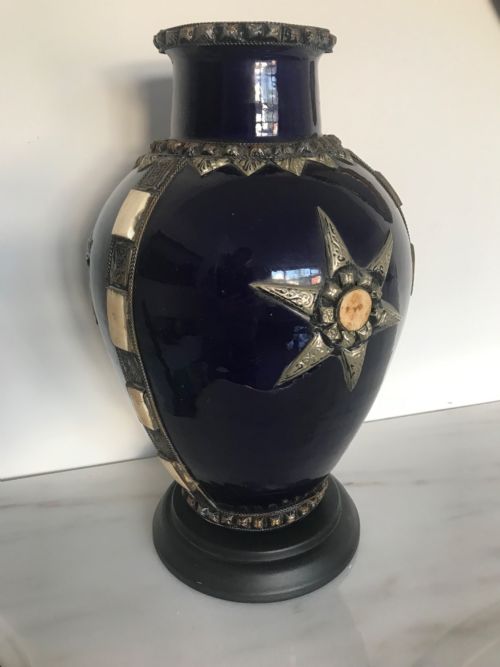
When you search for an antique silver jar, you discover vessels of sterling silver and glass designed for the dressing table and tea table.
Antique Silver Jar
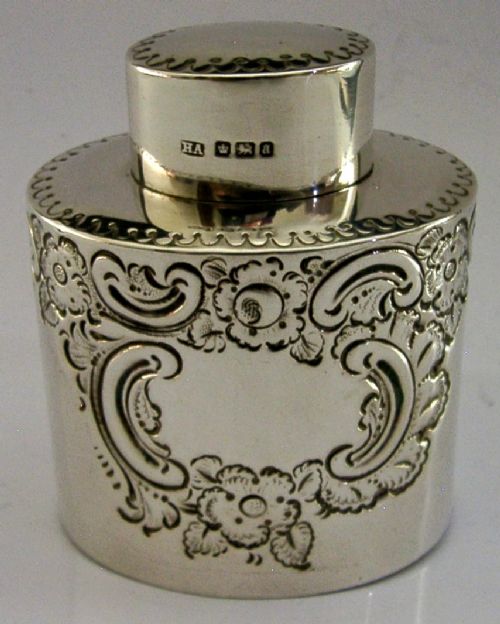
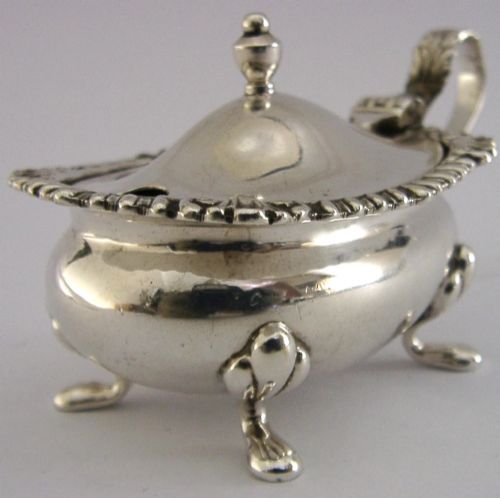
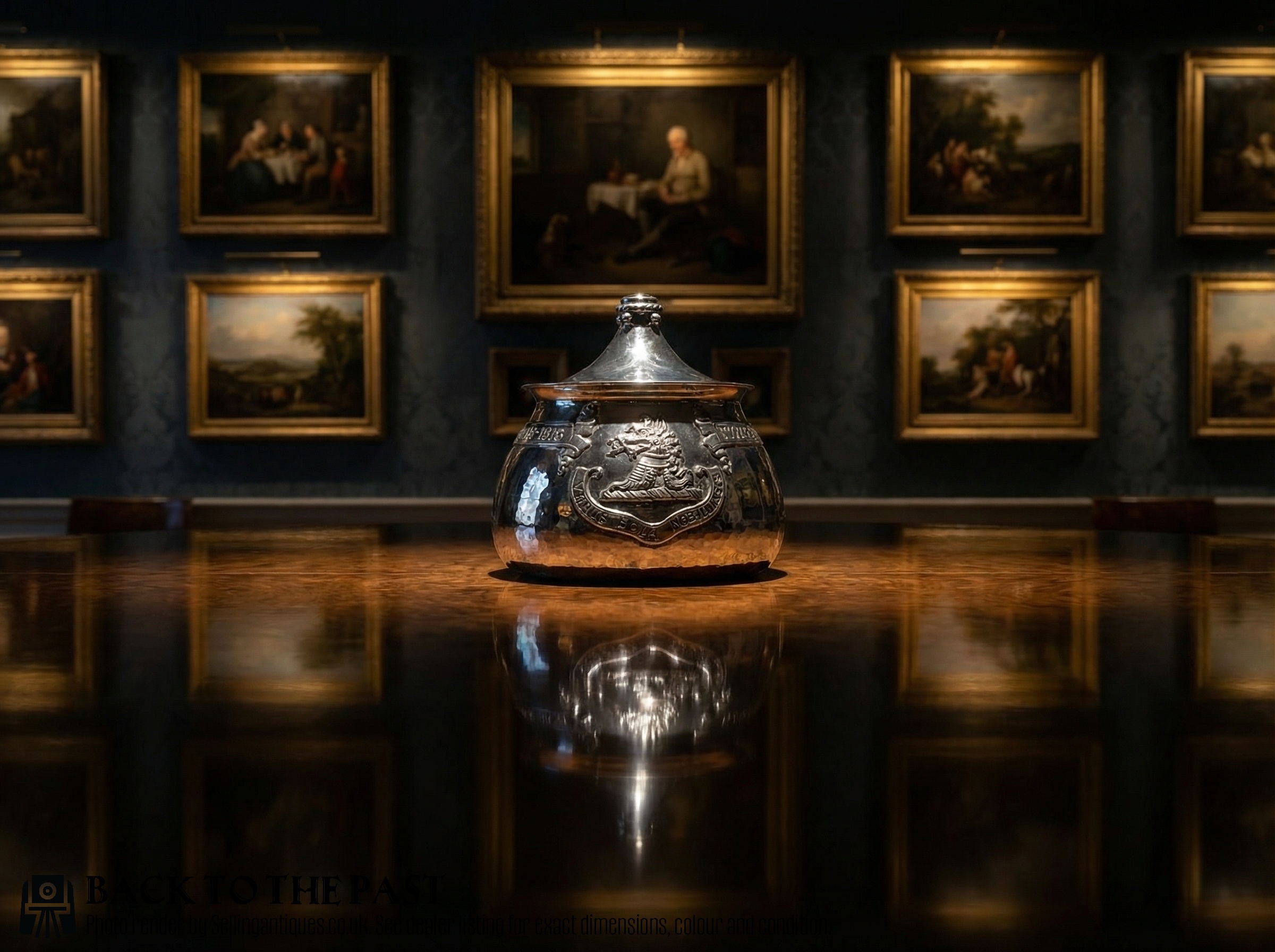
The antique silver jar category encompasses a broad selection of functional containers, ranging from vanity and dressing table jars to tea caddies, biscuit barrels, and trinket boxes. Surviving examples date primarily from the Victorian and Edwardian eras, extending through the 1920s and 1930s into the Art Deco period.
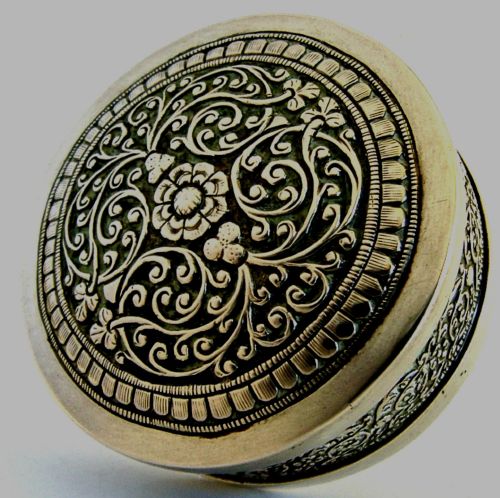
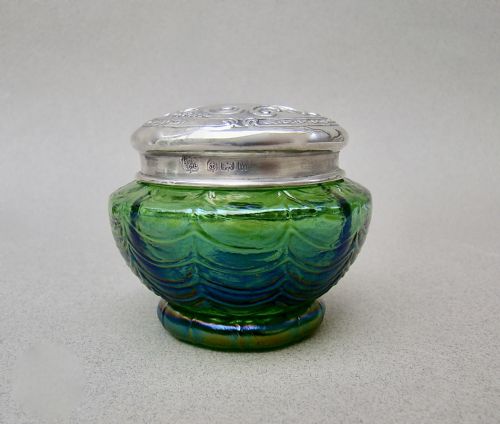
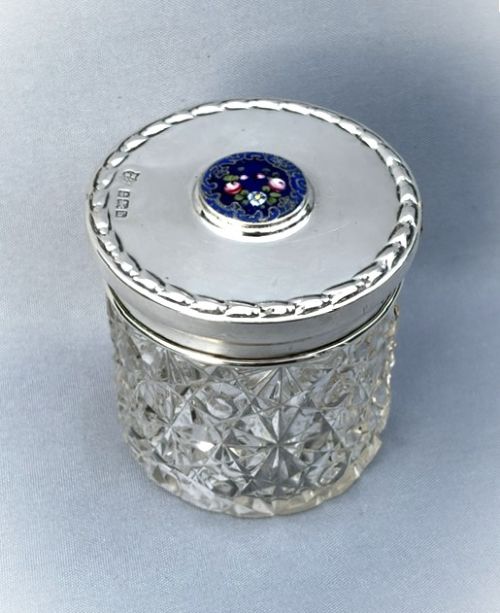
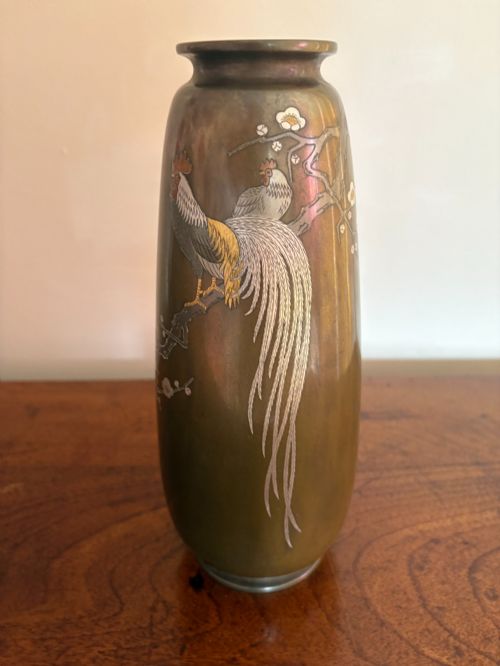
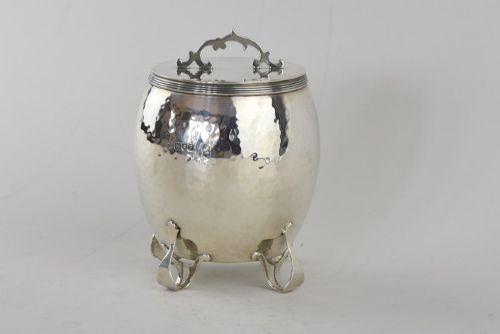
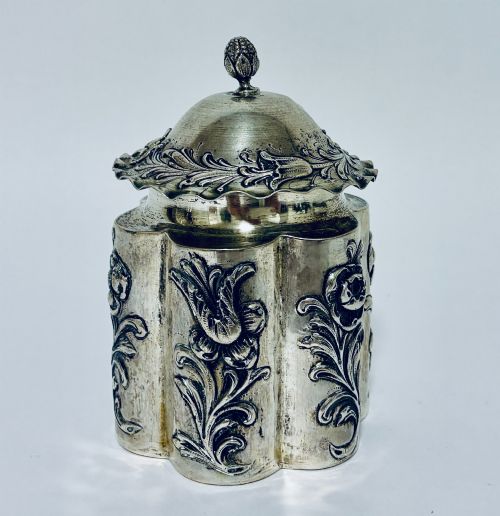
Many items combine sterling silver mounts or lids with cut glass, crystal, or coloured glass bodies. Others are constructed entirely from solid silver, often featuring hand-hammered surfaces, repoussé decoration, or imported designs from various global regions.
How they were made
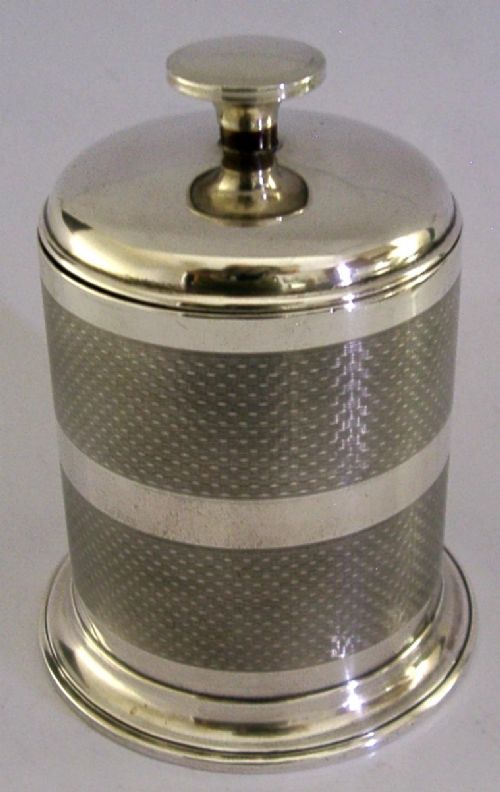
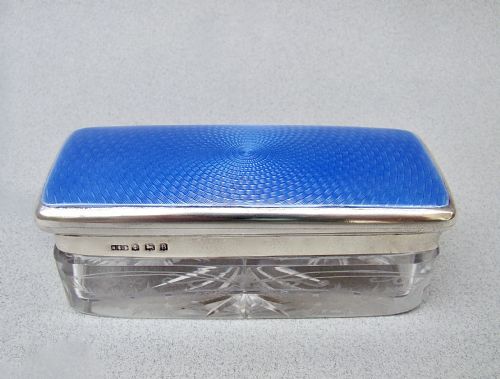
Silversmiths formed the metal components using sterling silver or silver plate, frequently employing techniques such as hammering, repoussé work, and guilloché enamelling to ornament the surfaces. Glass bodies were typically heavy-cut crystal, hobnail-cut glass, or moulded satin and Kralik glass.
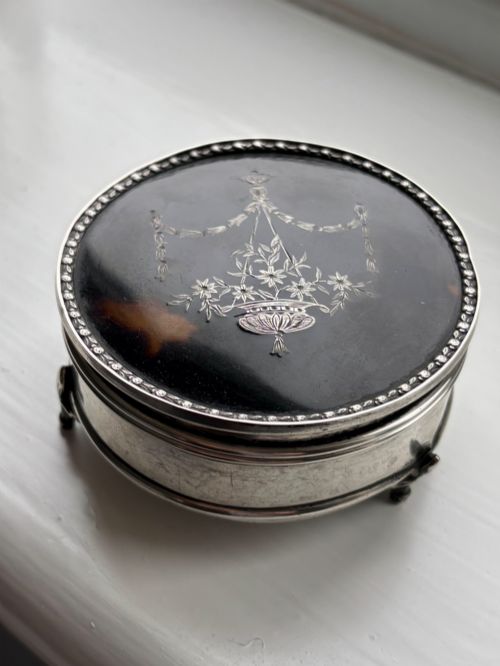
Lids and mounts often incorporated organic decorative materials such as tortoiseshell or faux tortoiseshell inlaid beneath the silver, alongside vibrant translucent enamels in shades of blue, green, and pink.
Several vintage jars hide secret compartments designed to safeguard powders and perfumes from prying vanity table guests.
What varies in quality
The distinction between standard commercial pieces and superior items rests upon the weight of the metal and the precision of the glass cutting. Heavier gauge sterling silver and deeply faceted cut crystal signal finer workshop output.
Artistic execution also separates grades, particularly in the hand-applied enamel work, the complexity of repoussé motifs, and the reputation of the maker or silversmith responsible for the assay office hallmark.
A. J. Pepper & Co·Charles Edwards·Henry Clifford Davis·Ollivant & Botsford·Goldsmiths and Silversmiths Company·Thomas Hayes·Mappin and Webb·Elkington·George Unite·Asprey & Co·A. Bromet & Co·Zimmermann
The Antique Silver Jar Glossary
- Sterling silver
- An alloy consisting of 92.5 percent silver by weight, standard for British domestic plate. This metal is frequently marked with assay office stamps indicating the town and year of testing.
- Guilloché enamel
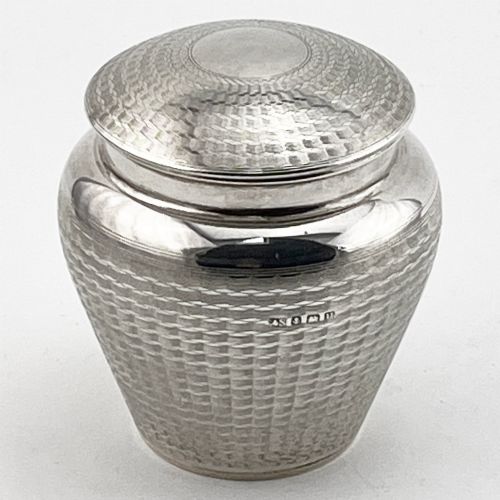
- A decorative technique where translucent enamel is layered over engine-turned metalwork. The repeating geometric patterns beneath the coloured glaze create a distinctive shimmering effect.
- Repoussé
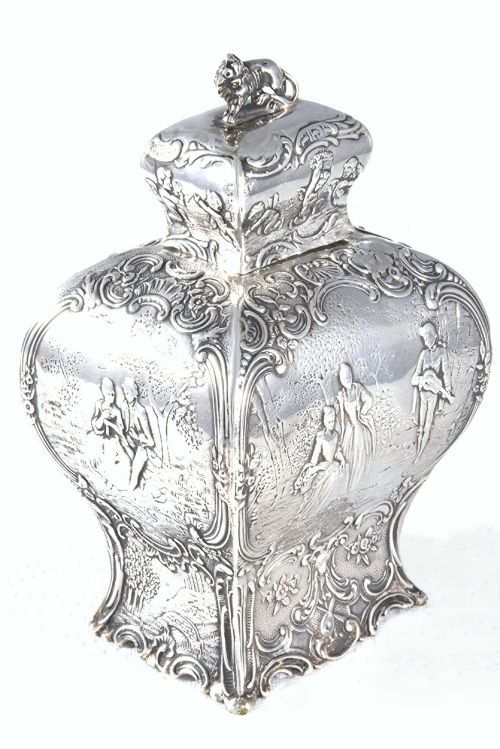
- A metalworking method where the design is hammered into relief from the reverse side. This technique produced flowing floral and figurative motifs popular during the Art Nouveau period.
- Biscuit barrel
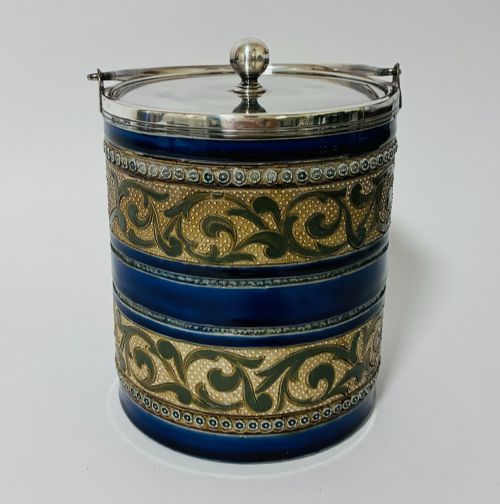
- A covered container designed to hold dry biscuits or cakes on the dining table. These vessels often paired ceramic or cut glass bodies with plated or solid silver mounts and swing handles.
- Trinket box
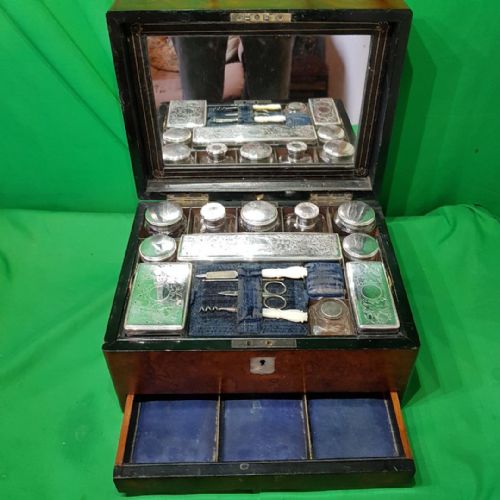
- A small lidded receptacle used on dressing tables for jewellery and pins. Interiors were occasionally lined with velvet, silk, or blue glass.
Antique Silver Jar: Frequently Asked Questions
What is an antique silver jar used for?
These vessels served various domestic purposes, from storing dry tea leaves in caddies to containing biscuits on the dining sideboard. Vanity and dressing table jars held powders, creams, and pins.
Smaller lidded boxes functioned as trinket receptacles for personal ornaments. Their dual function as decorative objects made them staples of Victorian and Edwardian interiors.
How do I date an antique silver jar?
Dating relies heavily upon the hallmarks stamped into the sterling silver mounts or lids. These tiny marks typically indicate the assay office, the specific date letter for the year of manufacture, and the silversmith's mark.
Stylistic indicators also help assign periods, such as geometric Art Deco patterns from the 1930s or flowing organic repoussé work characteristic of the early 1900s.
Are all silver jars made of solid silver?
Many examples combine a solid sterling silver lid or collar with a heavy glass, crystal, or ceramic body. Silver plate was also utilised extensively by major manufacturers for biscuit barrels and preserve jars.
Fully solid silver pieces exist particularly among tea caddies and small vanity boxes, often marked with standard sterling stamps or regional hallmarks.
How should I clean antique silver and glass?
Sterling silver components require gentle cleaning with a specialist silver cloth to remove tarnish without touching any delicate enamel or tortoiseshell inserts. Abrasive polishes must be kept away from decorated surfaces.
Glass bodies can be washed separately in warm soapy water, ensuring that moisture does not seep beneath glued or fitted silver mounts where adhesives might weaken.