
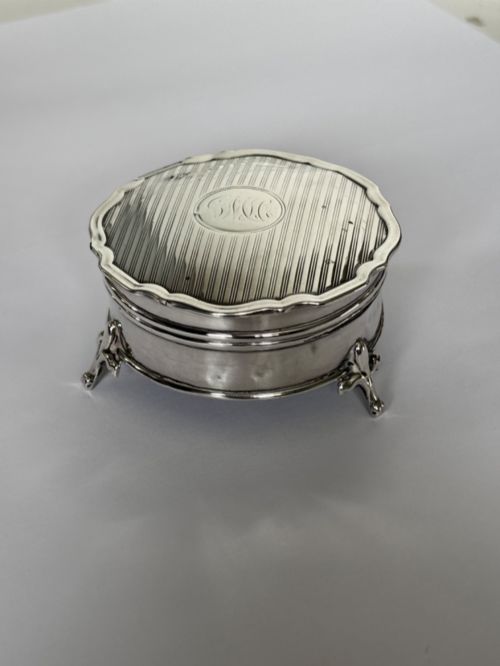


Georgian Style Silver Box
These georgian style silver box pieces bring classic revival forms and solid metals to the desk and table, offering functional elegance for everyday use.
Georgian Style Silver Box
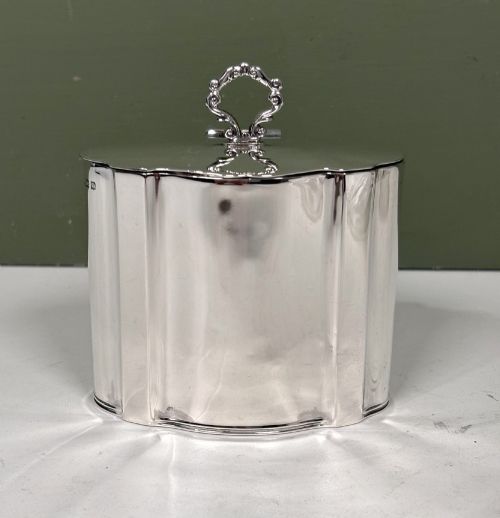
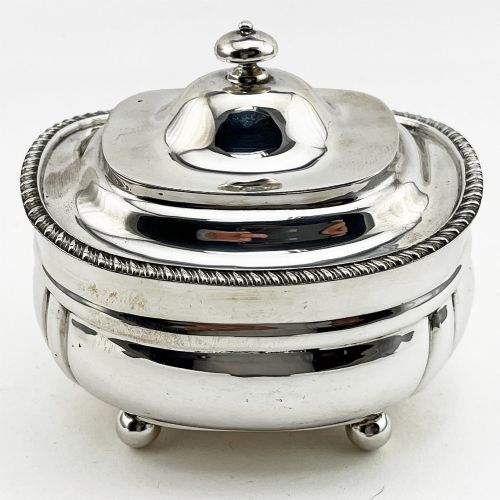
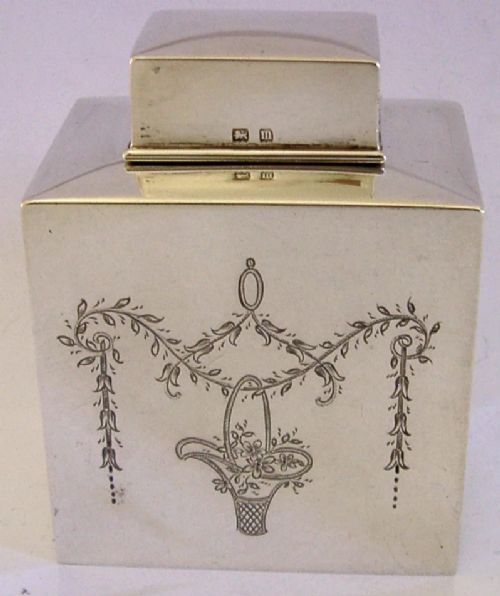
When you search for a georgian style silver box, you encounter revival pieces spanning the early twentieth century, particularly the George V period and the 1920s. These items take several functional forms, most notably tea caddies, trinket boxes, and desk accessories.
The evidence shows forms ranging from solid sterling silver caddies and dressing table boxes to silver plated ovals and mounted glass stamp boxes. Makers and workshops of the era drew heavily on earlier historical vocabularies, adapting classic proportions for Edwardian and interwar buyers.
Materials and construction
The pieces listed in the evidence rely on sterling silver, silver plate, and solid silver, often paired with internal elements of glass, felt, steel, and leather. Certain examples incorporate silver gilt surfaces or wooden structures like burr walnut.
Craftsmen utilised traditional silversmithing techniques to form hinged domed lids, decorative mounts, and fitted interiors for tea, biscuits, or writing accessories.
One past item combined the grandeur of a Georgian style oval box with two small internal glass dishes for ultimate desk storage.
Factors of quality
Quality in these revival pieces rests upon the weight of the metal, the crispness of the revival chasing, and the integrity of internal fittings such as glass liners or silk and felt linings. Substantial gauge silver and robust hinge mechanisms distinguish finer desk sets and caddies from lighter plated equivalents.
The presence of clear hallmarks, registered maker marks from workshops like Zimmermann or Mappin & Webb, and well-executed decorative details separate standard production items from superior examples.
Zimmermann·Marson & Jones·Mappin & Webb
The Georgian Style Silver Box Glossary
- Sterling silver
- An alloy containing 92.5 percent silver by mass, standard for quality British tableware and boxes.
- Silver plate
- A base metal substrate coated with a thin layer of silver, common in decorative caddies and oval boxes.
- Tea caddy
- A container originally designed to store loose tea leaves securely, frequently fitted with a hinged lid.
- Silver gilt
- Silver that has been coated with a thin layer of gold on its surface, often seen on interior desk sets.
- George V
- The period of British history spanning from 1910 to 1936, which accounts for many dates in the evidence.
Georgian Style Silver Box: Frequently Asked Questions
What were tea caddies used for?
Tea caddies served to store valuable loose tea leaves in locked containers to protect them from moisture and theft. Wealthy households kept them in formal rooms.
Over time, the form evolved into a decorative desk or table accessory while retaining its traditional box shape and hinged lid.
How do I identify silver plate?
Silver plate consists of a base metal, such as copper or nickel brass, coated with a thin layer of silver. Items are often marked accordingly by manufacturers.
Unlike solid sterling silver, plated items do not carry standard full assay office hallmarks indicating silver fineness.
What is a desk set?
A desk set comprises coordinated accessories for correspondence and writing. The evidence includes multi-piece silver gilt configurations.
These sets typically feature items designed for holding stamps, writing implements, or small documents on a library table.