

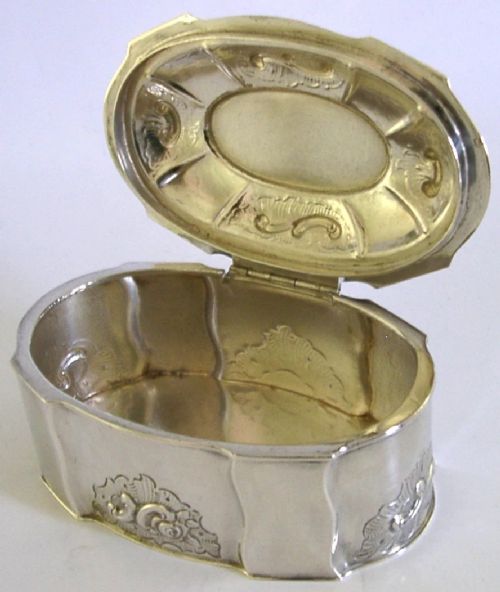
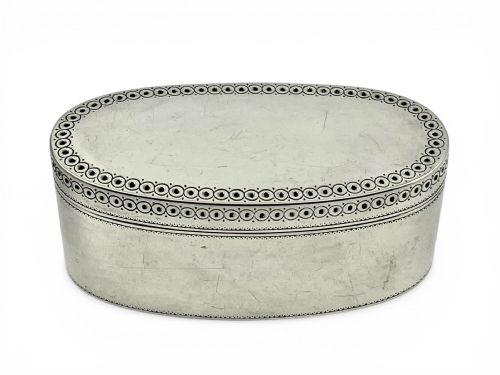


Oval Silver Trinket Box
These oval silver trinket box pieces are tactile dressing table essentials designed to safeguard small valuables with genuine period character.
Identifying your oval silver trinket box
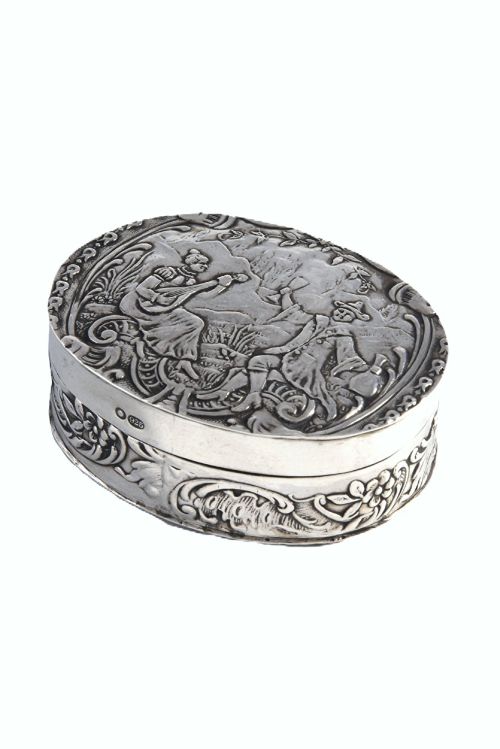
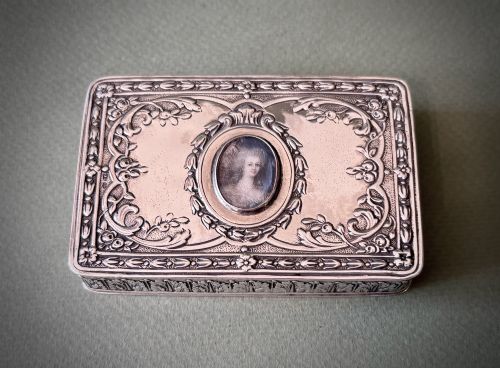
When you search for an oval silver trinket box, you encounter compact lidded vessels intended for dressing tables and desks. These pieces span Victorian, Edwardian, and mid-century periods, taking the form of jewellery boxes, dressing table containers, and desk boxes.
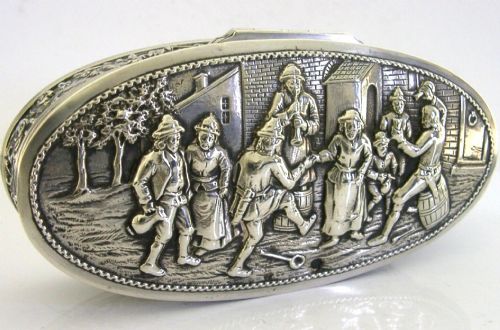
The evidence shows examples ranging from plain hinged lids to elaborate decorative interpretations. You will regularly find variations bearing Dutch traditional and Scandinavian mid-century influences alongside classic British hallmarks.
Many items function equally well as jewellery holders or small desk accessories. Their curved profiles distinguish them from rectangular equivalents, offering a softer silhouette on a surface.
Materials and construction
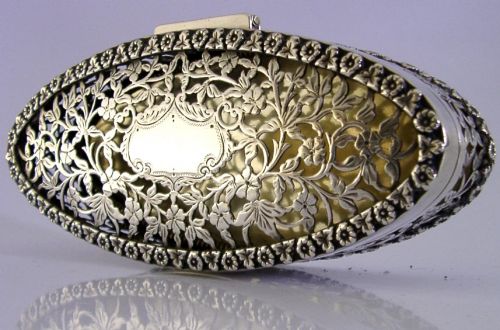
These items rely primarily on solid silver and sterling silver construction, with occasional silver-plated alternatives appearing in the record. Workshops utilised techniques such as piercing, embossing, and smooth polishing to finish the metal.
Lids are typically mounted on hinges, sometimes incorporating contrasting materials like tortoiseshell alongside the silver. Surface ornamentation includes embossed scrolls and floral motifs, or remains entirely plain depending on the chosen style.
Listings demonstrate pieces spanning from Victorian times through to nineteen-fifty, utilising sterling silver and tortoiseshell.
Judging quality in silver boxes
Quality rests in the substantial feel of the metal and the precision of the hinge mechanism. Heavier specimens indicate thick gauge silver that resists denting during daily use on a dressing table.
Decoration also defines the tier of a piece, moving from simple plain surfaces to intricate Dutch traditional embossing or fine Edwardian piercing. The crispness of the chased details and the tight closure of the lid mark out the superior examples.
The Oval Silver Trinket Box Glossary
- Sterling silver
- An alloy consisting of pure silver and other metals, usually copper, to increase durability. This standard appears frequently across Victorian and Edwardian boxes.
- Hallmark
- A series of official marks stamped on items to certify the metal purity, origin city, and year of making. These stamps provide the primary date evidence for antique pieces.
- Pierced work
- A decorative technique involving cutting patterns out of the metal sheet. This method creates openwork designs seen on Edwardian examples.
- Hinged lid
- A cover attached to the main body via a movable joint. This construction keeps the lid secure and attached during handling.
Frequently Asked Questions
What were oval silver trinket boxes used for?
These vessels served primarily on dressing tables and desks to hold rings, pins, and small personal valuables. Their enclosed form kept dust away from delicate items.
Over time, owners repurposed them for various keepsakes, reflecting personal tastes across the Victorian and Edwardian eras.
How do I date an antique silver box?
Dating relies heavily on the hallmarks stamped into the metal, which indicate the specific assay office and year of production. Stylistic clues, such as Edwardian piercing or Scandinavian mid-century minimalism, also narrow down the period.
Examining construction methods like hinge types helps confirm whether a piece belongs to the Victorian era or later decades.
How do I clean an antique silver box?
Maintenance requires a soft microfibre cloth and specialised silver cleaner formulated to remove tarnish without scratching the metal. Avoid harsh abras<bos>2 compounds that can wear away engraved or embossed details.
Gentle wiping preserves the original finish and highlights the chased floral motifs or plain polished surfaces.
Are all silver trinket boxes solid silver?
The material varies across different examples, with many pieces made from solid sterling silver while others consist of silver plating over a base metal. Records show both solid constructions and plated variants incorporating tortoiseshell or decorative linings.
Checking the hallmarks or stamps confirms the exact metal standard used in the construction.