


Solid Silver Casket
A solid silver casket serves as a sturdy repository for keepsakes, emerging in forms ranging from plain compartments to decorative boxes.
Solid Silver Casket
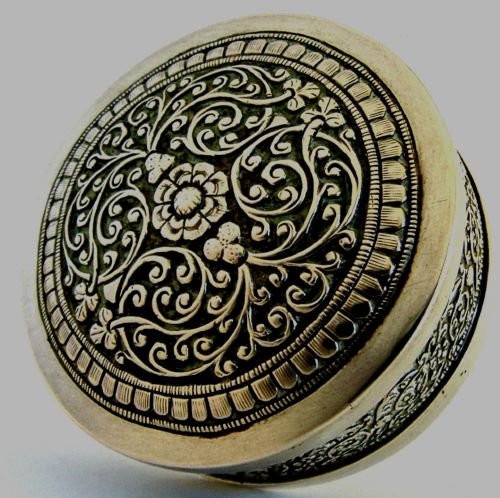
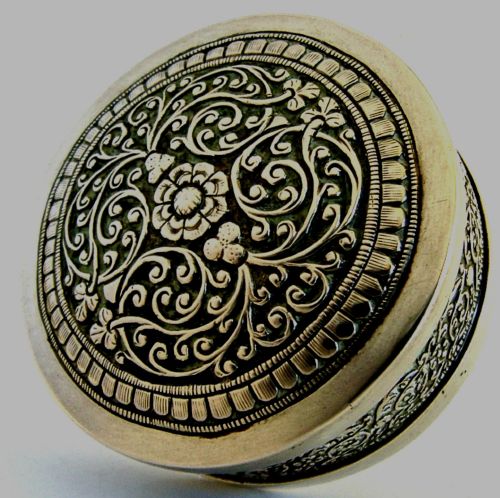
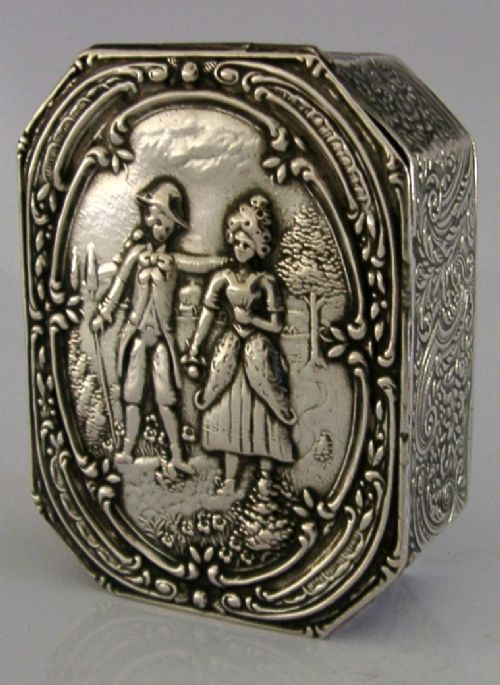
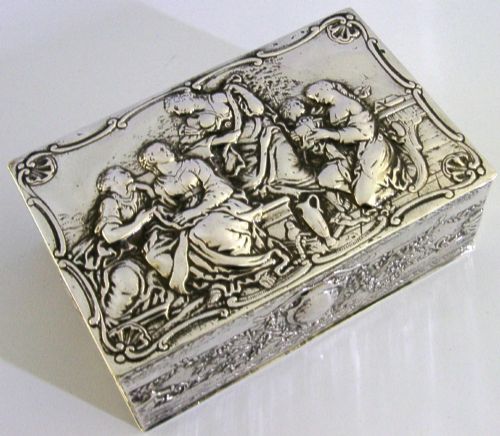
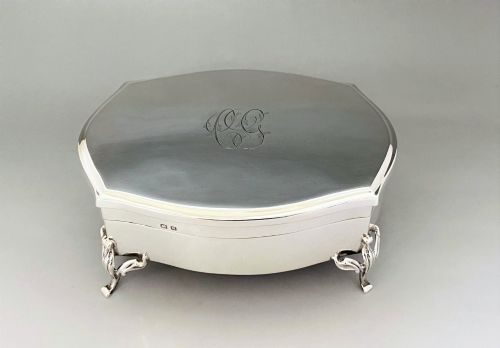
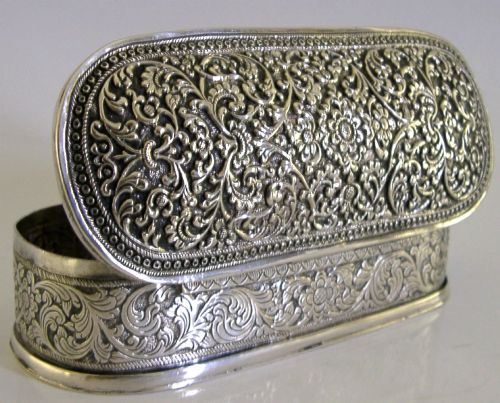
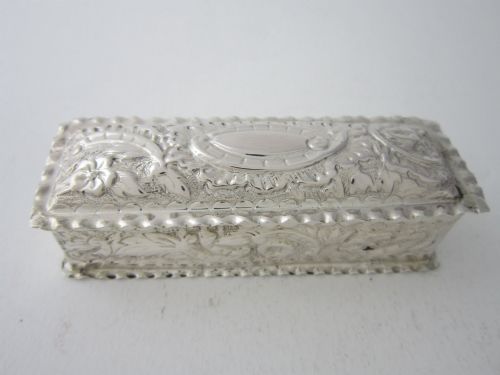
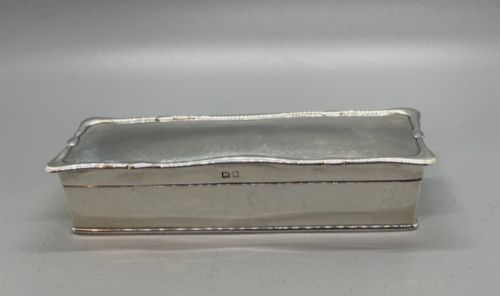
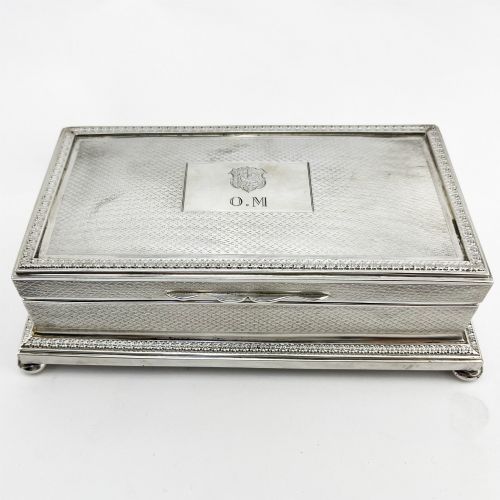
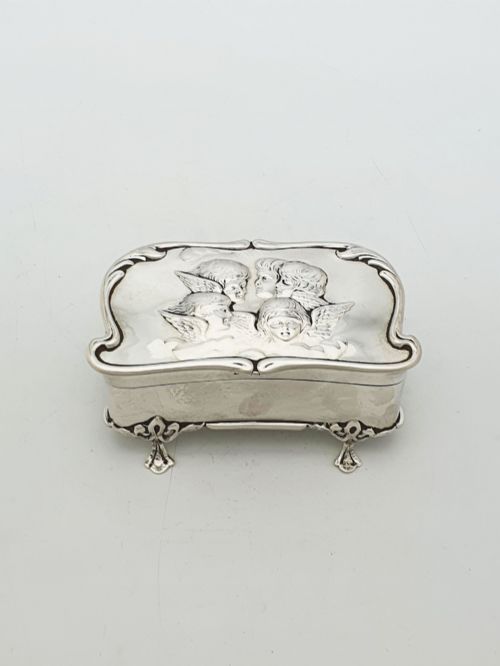
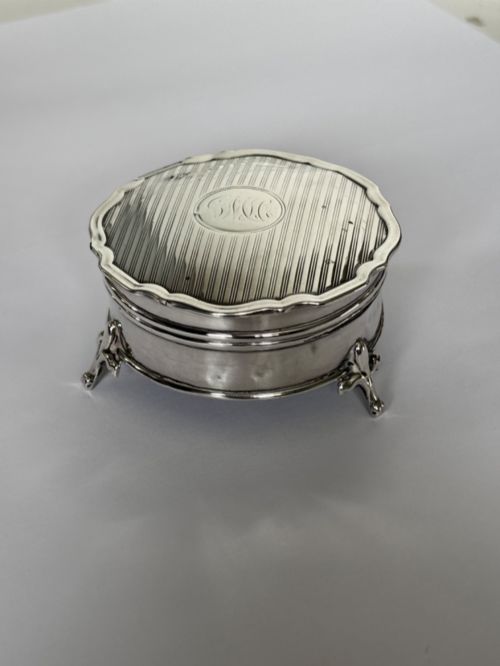
A solid silver casket brings together trinket boxes, jewellery boxes and larger table pieces designed to hold cigarettes, cigars or small personal treasures. When buyers search for a solid silver casket, they encounter containers produced across the Victorian, Edwardian and George V eras, alongside later Art Deco examples.
The versions most commonly met on this page span the turn of the twentieth century, with numerous boxes originating from British assay offices in cities such as Birmingham, London and Chester, as well as continental workshops and international makers.
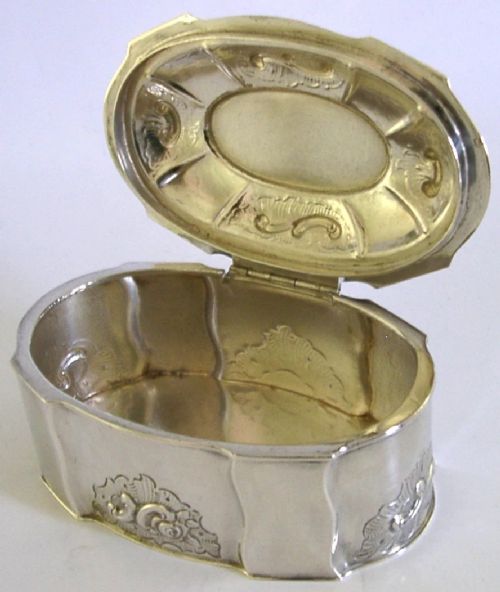
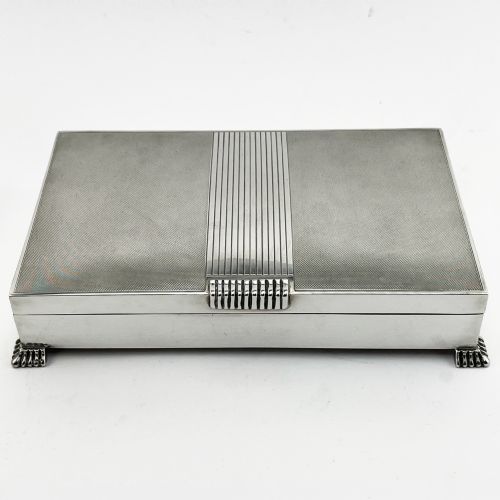
These items take various shapes, including oval receptacles, coffin-shaped boxes, and square dressing table containers, often lined with wood or fitted with interior partitions.
Standards of manufacture
The distinction between standard examples and finer pieces rests upon the heaviness of the metal gauge and the crispness of decorative chasing. Substantial weight and clear hallmarks denoting specific makers and assay years indicate superior craftsmanship.
Detailing such as hand-applied enamel work, robust hinges, and fitted wooden interiors elevate a piece above simpler mass-produced counterparts.
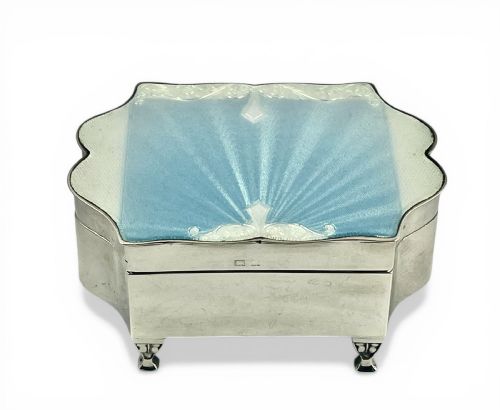
Listings feature items spanning the Victorian era through the mid-twentieth century, incorporating sterling silver, oak, and blue enamel.
Mappin & Webb·Deakin & Francis·Gucci
The Solid Silver Casket Glossary
- Solid silver
- Metal content that is silver throughout rather than plated over a base metal core. This ensures the piece maintains its material integrity over decades of handling.
- Hallmark
- A set of official marks stamped into precious metal indicating the standard of purity, the assay office, and the year of manufacture. These symbols provide a reliable method for dating British pieces.
- Repoussé
- A metalworking technique where the artisan hammers the design from the reverse side to form raised relief patterns on the exterior. This method creates the dimensional scenes often seen on nineteenth-century boxes.
- Silver gilt
- Sterling silver that has been coated with a thin layer of gold on the interior surfaces. This treatment protects the metal from tarnishing where cosmetics or tobacco are stored.
- Sterling silver
- An alloy consisting of pure silver and other metals, usually copper, proportioned to increase durability. British items meeting this standard carry the lion passant mark.
Solid Silver Casket: Frequently Asked Questions
What were solid silver caskets used for?
These containers served practical roles on dressing tables and desks, holding rings, brooches, trinkets, and personal documents. Larger versions were specifically designated for storing cigars and cigarettes.
Over time, owners repurposed them to secure various small valuables, making them central items in domestic organisation.
How do I date a silver box?
Dating relies heavily on the assay office marks, maker's stamps, and date letters stamped directly into the silver. Comparing the stylistic cues, such as Edwardian floral motifs or Art Deco geometric lines, helps confirm the era.
Examining the construction of the hinges and interior linings provides additional clues to the manufacturing period.
Can I clean my silver casket?
Cleaning requires a soft cloth and a gentle silver polish formulated to lift tarnish without removing the underlying metal. Care must be taken around hinges, velvet or wooden linings, and delicate enamel work.
Frequent light dusting preserves the finish better than aggressive scrubbing, which can wear down fine details and maker's marks.
Are these boxes lined with wood?
Many larger table boxes and cigar containers feature interior linings of oak or cedar to help regulate humidity and protect the contents. Smaller trinket boxes often leave the silver bare or feature fitted fabric trays.
The presence of wood adds considerable weight to the piece and alters how it should be stored and maintained.