


Continental Silver Box
A continental silver box brings together intricate foreign craftsmanship and varied domestic uses, from holding snuff to keeping trinkets safe on a dressing table.
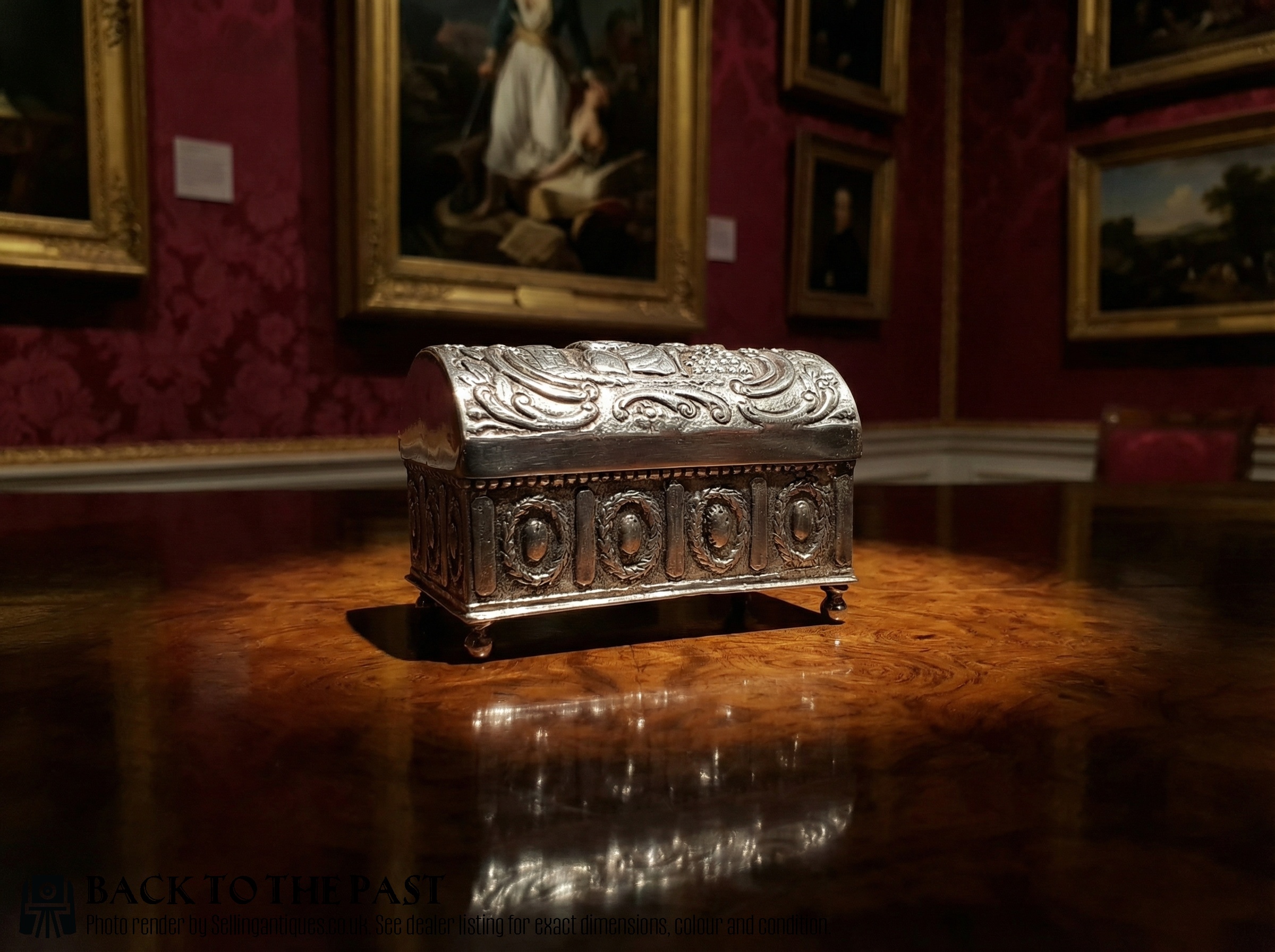
Continental Silver Box
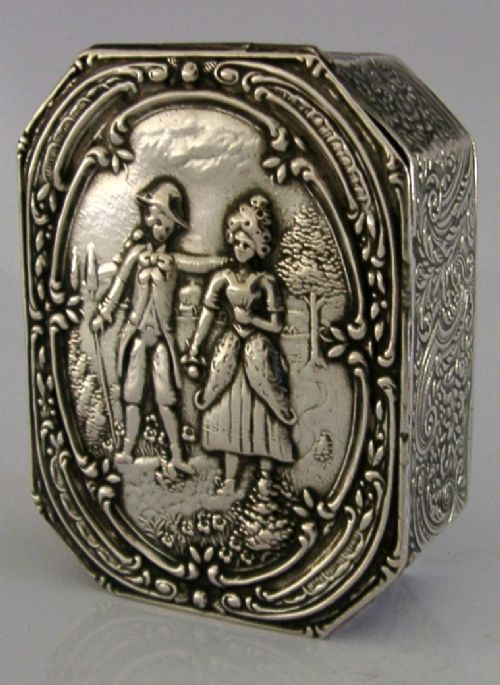
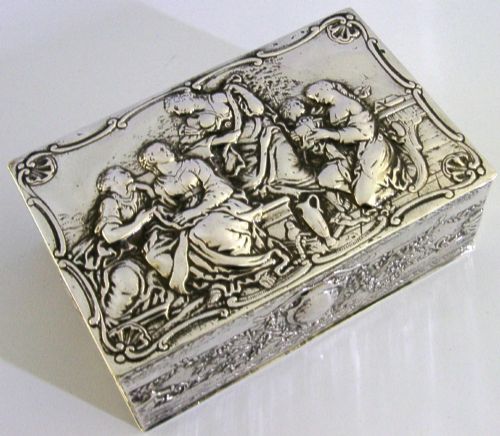
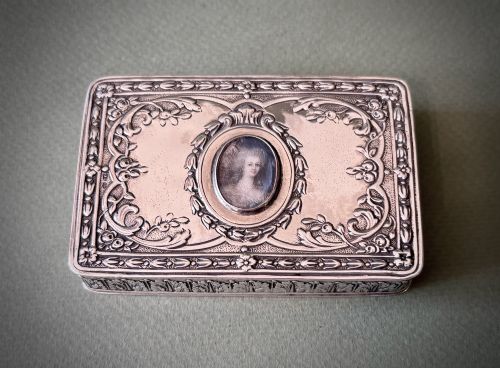
A continental silver box spans a wide variety of forms designed for personal or household utility, including small pocket snuff boxes, pill containers, large table receptacles, and sugar or trinket boxes. When searching for a continental silver box, buyers frequently encounter pieces originating from German workshops, Dutch makers, and various European centres spanning the eighteenth, nineteenth, and early twentieth centuries.
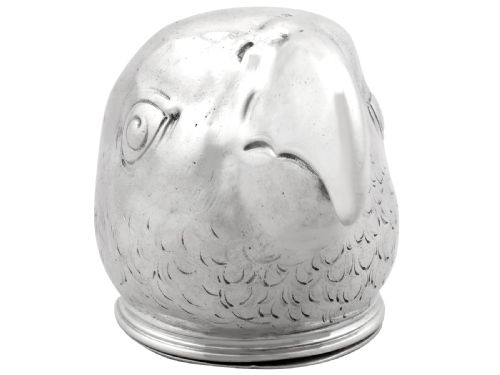
The domestic functions of these objects dictated their shapes, ranging from flat rectangular card cases and card boxes to novelty animal figures, heart shapes, and fitted glass or wooden containers. Many examples reflect historical revival styles, notably Rococo Revival and Neo-Rococo ornamentation, alongside Dutch traditional designs and later Art Nouveau or Art Deco influences.
The origins of these pieces trace across different European countries, incorporating diverse regional hallmarking traditions and distinct manufacturing methods. Surviving specimens demonstrate how utilitarian containers evolved into decorative objects favoured by collectors for their varied sculptural and engraved qualities.
Materials and Techniques
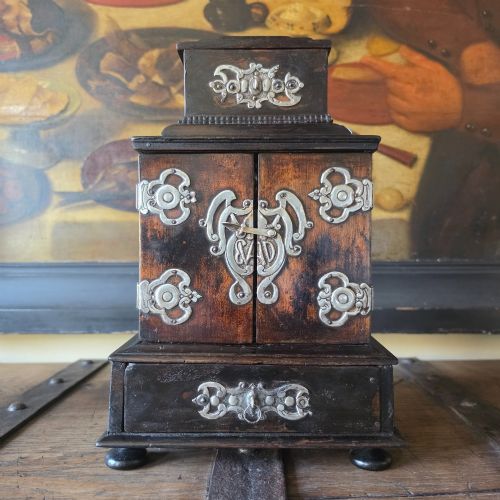
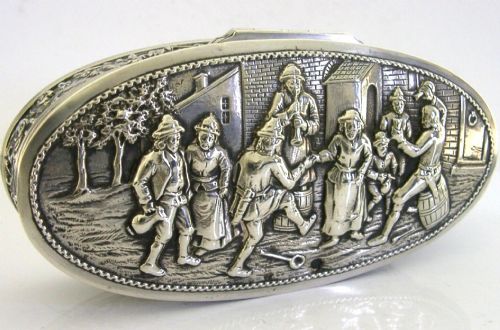
Construction relies primarily on silver, sterling silver, and solid silver grades, frequently combined with secondary elements such as cut glass, walnut, gilt metal, and silvered metal. Artisans shaped these materials using techniques like repousse work, chasing, and fine filigree to create textured surface ornamentation.
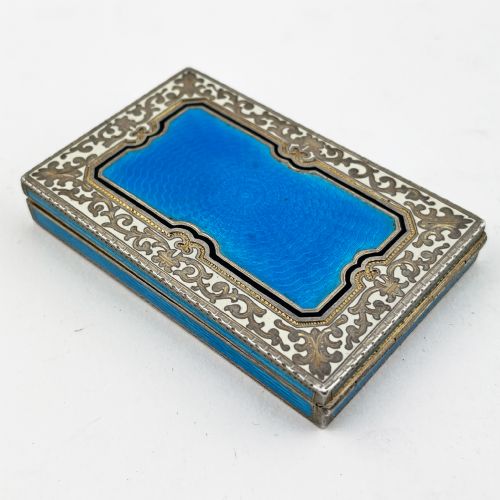
Vitreous enamel and guilloche enamel frequently add colour and pattern to lids and panels, while internal gilt interiors provide contrast to the exterior silver. Hinged mechanisms secure lids on snuff, pill, and table boxes, uniting functional engineering with decorative metalwork.
Continental Silver Box Retail Price Guide 2026
Typical asking prices for continental silver box among the pieces listed under this phrase on Sellingantiques today, from the lower quarter to the upper quarter. They describe what is for sale here now, not the wider market.
Listings feature periods from the sixteenth century through the Victorian era up to the 1930s, using silver, enamel, glass, and walnut.
Evaluating Craftsmanship
Quality rests upon the crispness of the chasing and repousse work, where deeply defined motifs and carefully modelled figures distinguish superior workshop output from softer, shallower stampings. The execution of applied enamel, whether translucent guilloche or opaque polychrome, determines the visual refinement of the piece.
Engineering and assembly contribute significantly to overall standard, observed in the precise alignment of hinged lids, the integrity of miniature mechanical elements, and the harmonious integration of secondary materials like glass or wood into the silver mountings.
Posen of Frankfurt and Berlin·Georg Jensen
The Continental Silver Box Glossary
- Repousse
- A metalworking technique where the metal is hammered from the reverse side to form a raised design in relief on the front. This method creates dimensional pictorial scenes and scrollwork on box lids.
- Guilloche
- An ornamental pattern produced by a mechanical lathe that engraves precise, intricate geometric or wave patterns beneath translucent enamel. It provides a shimmering background effect on decorative surfaces.
- Filigree
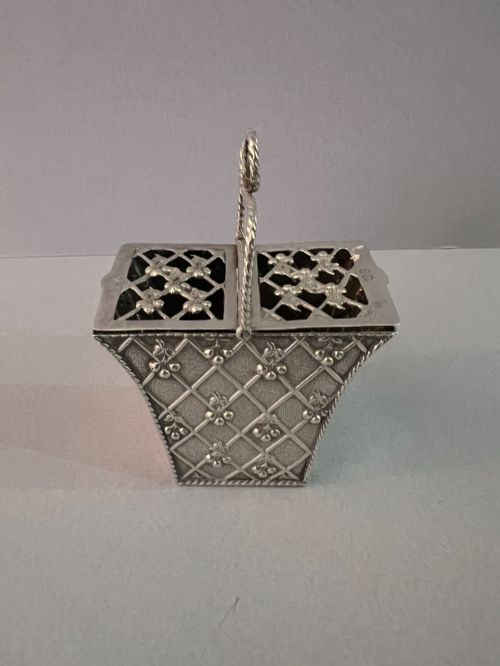
- Delicate metalwork formed from fine silver wires twisted and soldered together in openwork patterns. It creates a lace-like appearance across small containers and pill boxes.
- Hanau
- A German town historically renowned for producing silver items, often created in the style of earlier centuries. Hanau silver workshops exported numerous decorative table boxes and novelty pieces.
- Table box
- A larger stationary container designed to remain on a desk, table, or dressing cabinet rather than for pocket transport. These pieces often feature heavy solid silver construction and lined interiors.
Continental Silver Box: Frequently Asked Questions
What were continental silver boxes used for?
These containers served numerous daily functions depending on their scale, ranging from holding pinches of tobacco to storing dry goods, visiting cards, or small personal valuables.
Smaller pocket versions carried snuff or medicinal pills, while larger table and desk models accommodated jewellery, sugar, or trinkets within domestic interiors.
How do I date a continental silver box?
Dating relies upon stylistic indicators such as Rococo revival scrolls or Art Deco geometry, alongside any stamped town marks, maker stamps, or standard purity numerals.
Comparative analysis of manufacturing techniques, hinge construction, and associated materials like cut glass or enamel helps narrow the period of origin.
Are all continental silver boxes solid silver?
While many examples utilise solid silver or sterling standards, others incorporate base metal cores, silver plating, or internal wooden and glass bodies.
Exterior mounts and decorative lids often use precious metal over structural frames made of alternative materials such as walnut or gilt metal.
How should I clean my silver box?
Careful maintenance requires soft cloths and minimal friction to preserve delicate surface details, chased relief, and fragile enamel or gilt highlights.
Harsh chemical dips should be avoided, particularly on pieces featuring guilloche enamel, filigree wires, or fitted glass and wooden interiors.