



Embossed Silver Casket
These embossed silver casket pieces are decorative metal boxes designed for jewellery and small treasures, combining detailed surface relief with practical storage.
What an embossed silver casket is
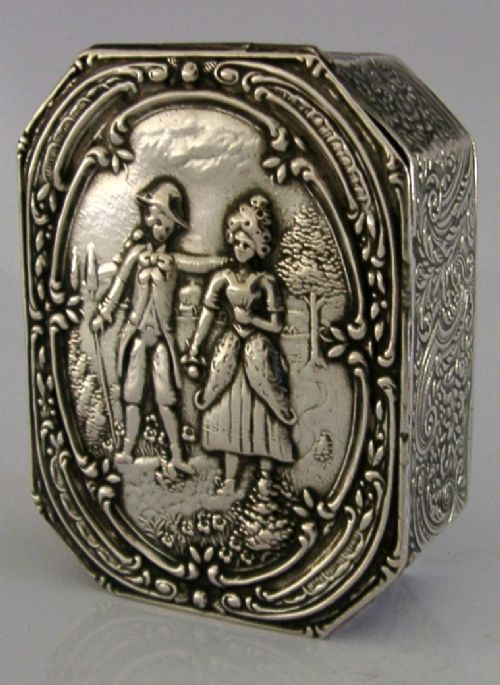
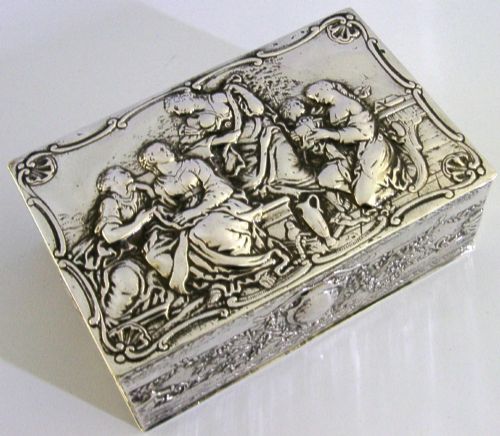
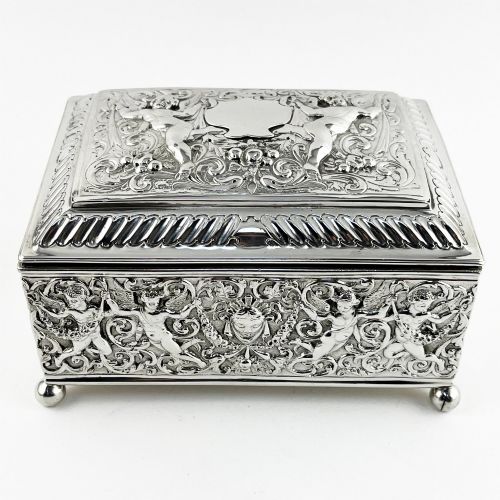
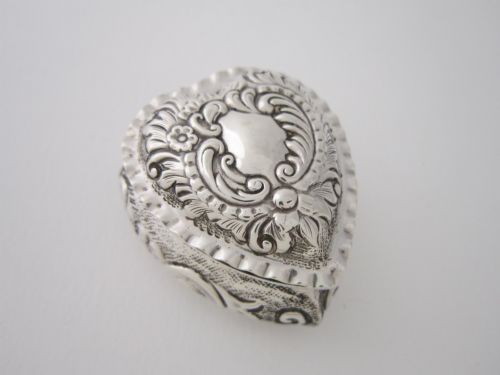
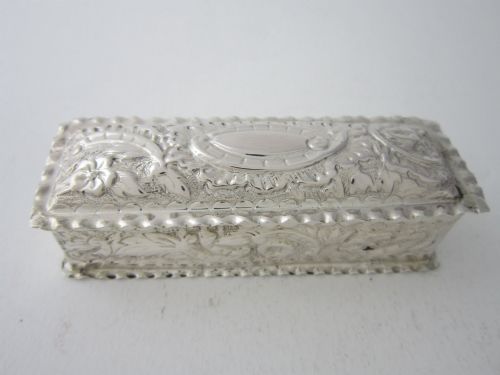
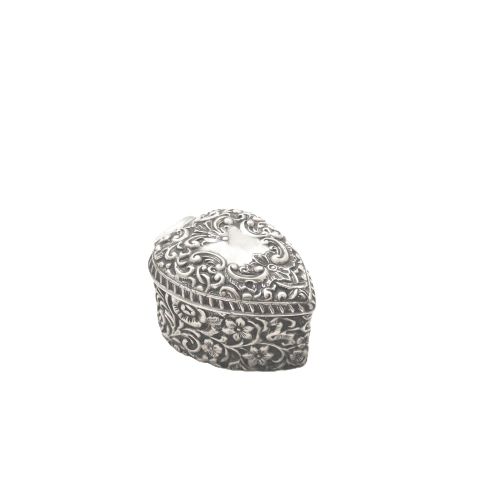
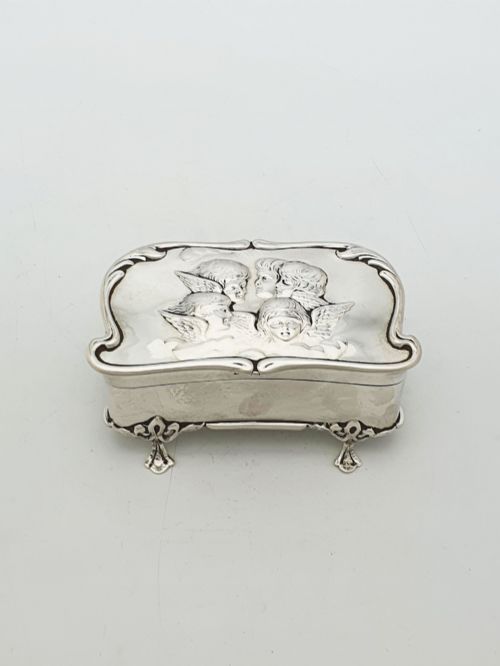
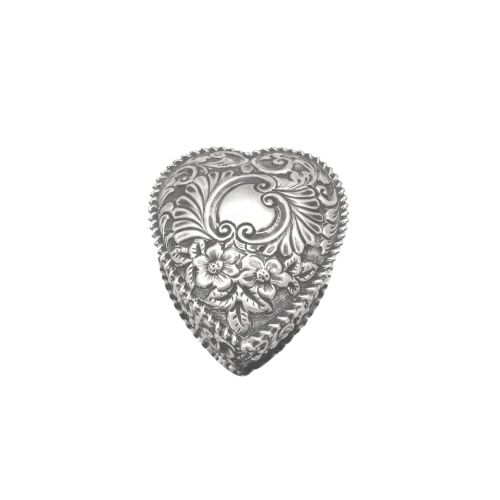
An embossed silver casket is a small lidded box used for jewellery, trinkets, and dressing table storage. The examples on this page span the Victorian, Edwardian, and turn-of-the-century periods, showing forms such as decorative boxes and trinket boxes.
The style ranges from traditional Victorian and Rococo Revival ornamentation to French Empire and flowing Art Nouveau designs. Most items function as personal receptacles for valuables, often lined with fabric to protect delicate contents.
How they were made
The body of each casket uses sterling silver, standard silver, or silver plate, sometimes finished with a gold gilt interior. Craftsmen formed the sheet metal by hand or machine before applying surface decoration.
Decoration relies on embossing and chasing, pushing and hammering the metal from both sides to create raised floral, figural, or abstract patterns. Makers incorporated hinged lids and fitted interiors to complete the functional object.
Retail Price Guide 2026
Typical UK retail prices for embossed silver casket, calculated from the Sellingantiques database of over a million retail prices indexed since 2003. This retail price guide relies exclusively on Sellingantiques data; no external sources or auction records are used, so the figures do not describe the wider market.
Listings feature items from the Victorian, Edwardian, and nineteen hundred periods, utilising sterling silver, silver plate, and gold gilt.
What varies in quality
Quality rests on the crispness of the embossed relief and the depth of the metal work. Finer pieces display sharply defined motifs and substantial gauge metal that resists bending under normal handling.
The distinction between standard commercial boxes and finer workshop pieces lies in the hand-finishing of the chasing and the quality of the interior fittings and hinges. Signed pieces from recognised makers often reflect a higher standard of design and execution.
William Hutton·William Comyns
The Embossed Silver Casket Glossary
- Embossing
- A metalworking technique where a design is raised from the reverse side using hammers and punches to create a three-dimensional surface pattern.
- Sterling silver
- An alloy of silver containing ninety-two point five percent pure silver and seven point five percent other metals, usually copper, to add strength.
- Gilt
- A thin layer of gold applied to the interior or exterior surface of the silver object to provide a rich contrasting colour.
- Trinket box
- A small lidded container historically used on dressing tables to hold rings, pins, and small personal valuables.
- Hallmark
- A series of official marks stamped on precious metals indicating the standard of purity, the assay office, and the year of manufacture.
Frequently Asked Questions
What is an embossed silver casket?
An embossed silver casket is a lidded metal box decorated with raised surface patterns created by hammering and pressing the metal sheet. They serve as decorative storage containers for jewellery, trinkets, and dressing table accessories.
These pieces appeared in various styles including Rococo Revival, Art Nouveau, and French Empire across the Victorian and Edwardian eras. Their primary function was both decorative and practical for personal storage.
How were these silver boxes used?
These boxes were kept on dressing tables, desks, or mantelpieces to store small valuables such as rings, brooches, and keepsakes. Many featured protective fabric linings to prevent delicate items from scratching.
In period interiors, they added a reflective metallic accent to domestic spaces while keeping everyday personal items organised and secure.
How do I date a silver trinket box?
Dating relies heavily on official hallmarks stamped into the metal, which indicate the assay office and the specific year of production. Stylistic markers such as Art Nouveau curving lines or heavy Victorian ornamentation also help place a piece in its era.
Matching the design motifs against known workshop output provides further confirmation of the manufacturing period.
What materials are used in these caskets?
The primary material is sterling silver, though some pieces utilise standard silver, silver plate, or include gold gilt applied to the interior surfaces. Structural elements such as hinges and internal wooden frames may be concealed beneath the metal.
Linings often consist of velvet, silk, or satin, which padded the interior to protect stored jewellery from damage.