
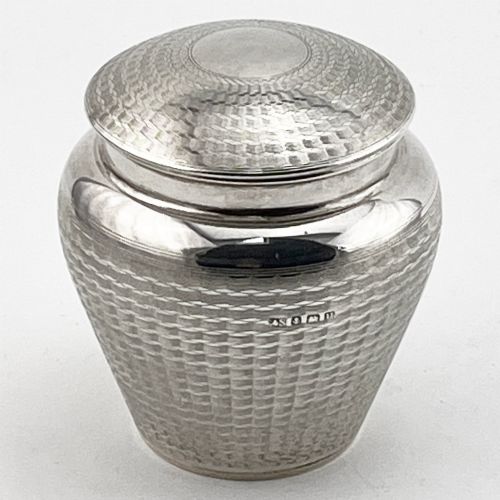
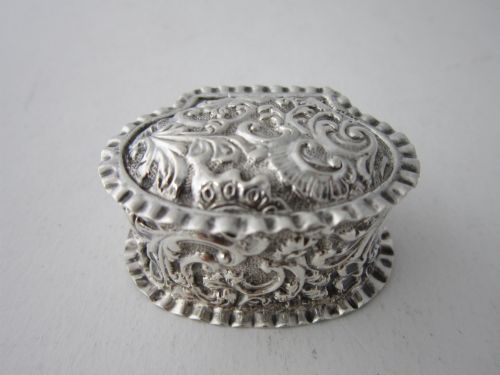
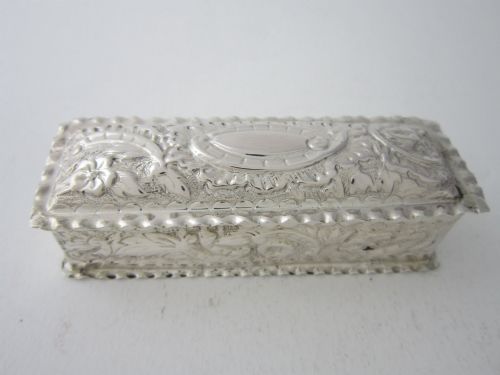
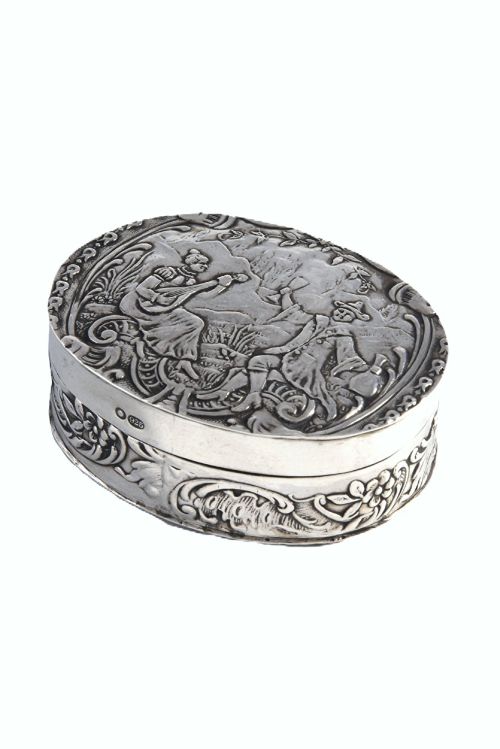
Solid Silver Trinket Box
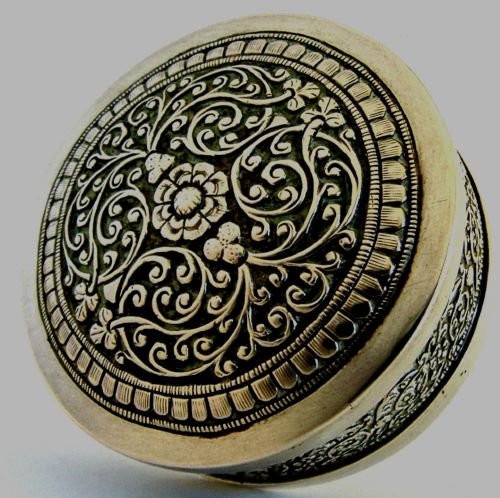
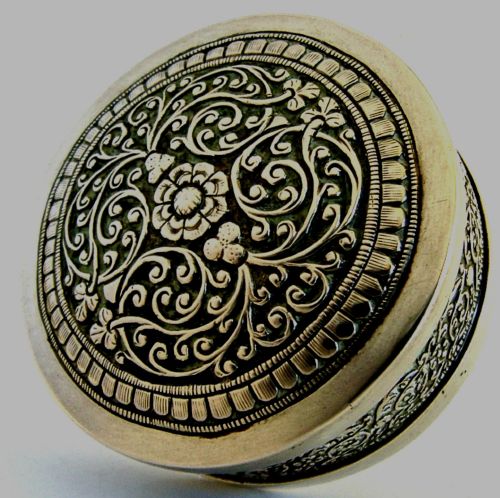
Solid silver trinket boxes are tactile, portable containers crafted to hold precious small items, spanning ornate Victorian repousse work to clean Art Deco designs.
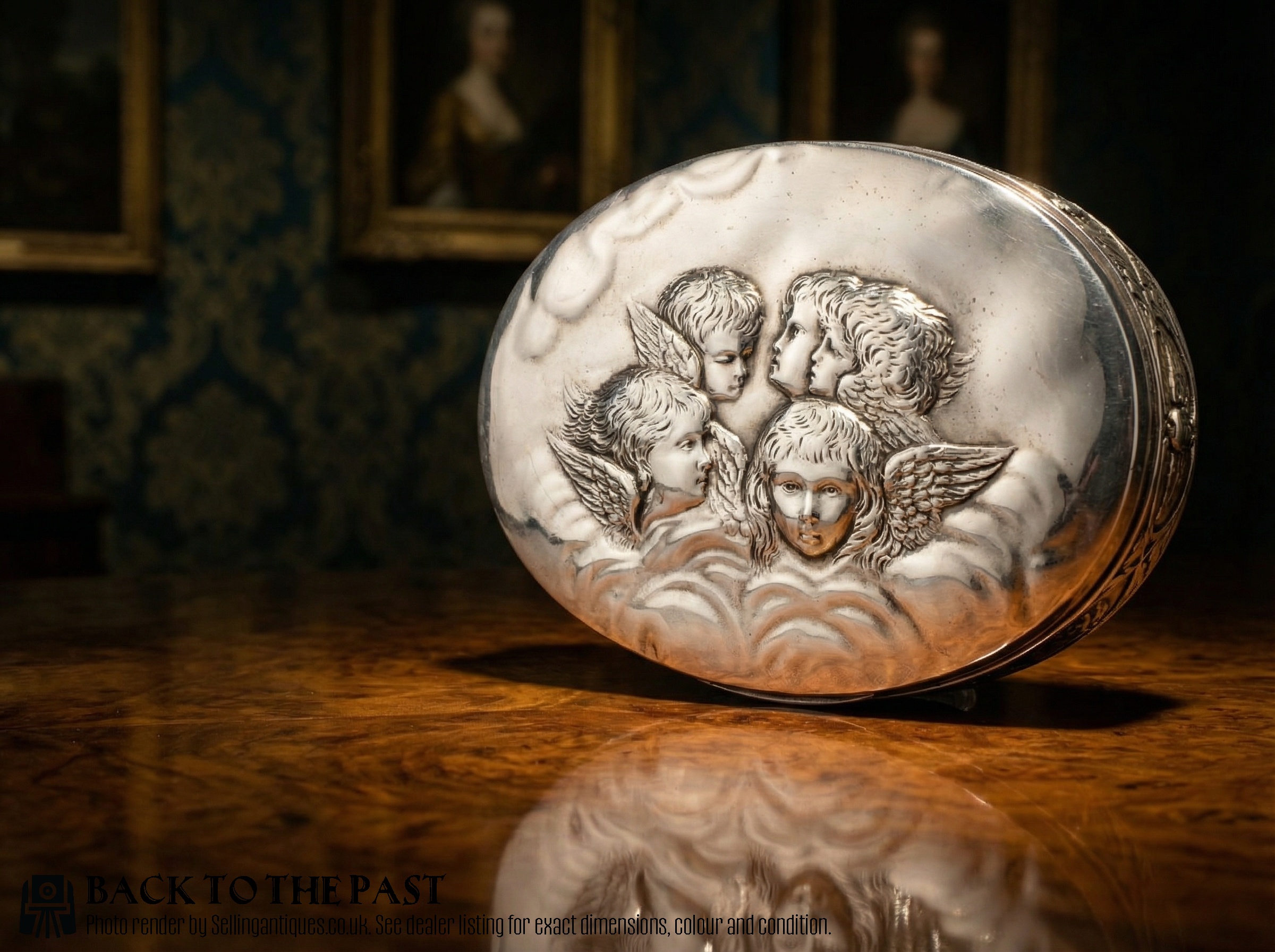
Solid Silver Trinket Box
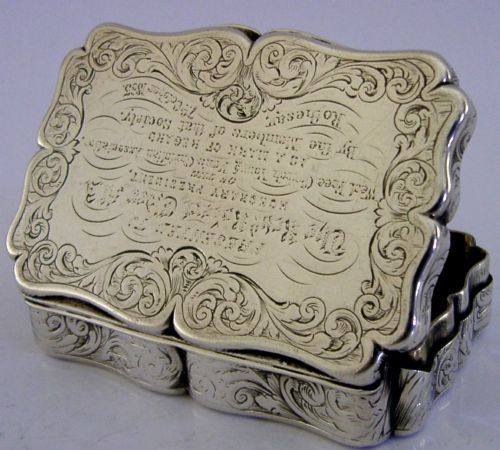
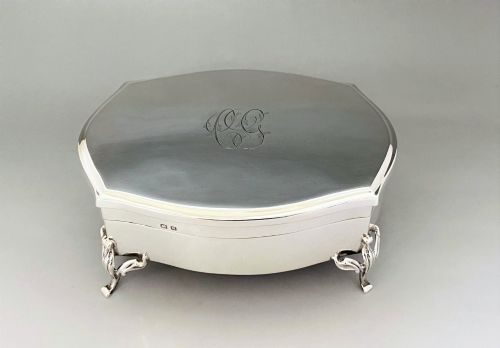
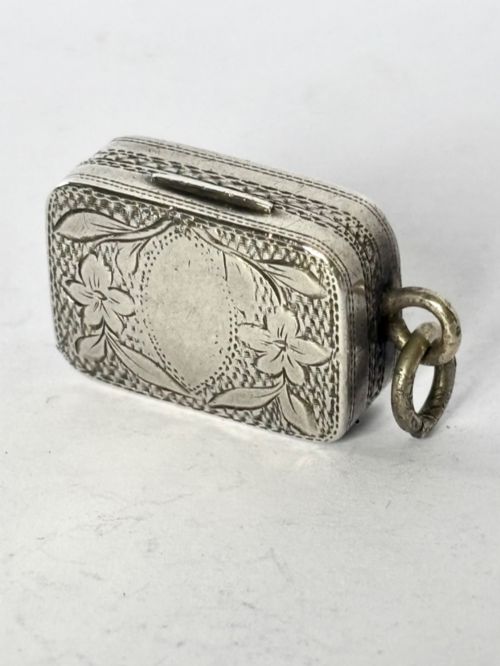
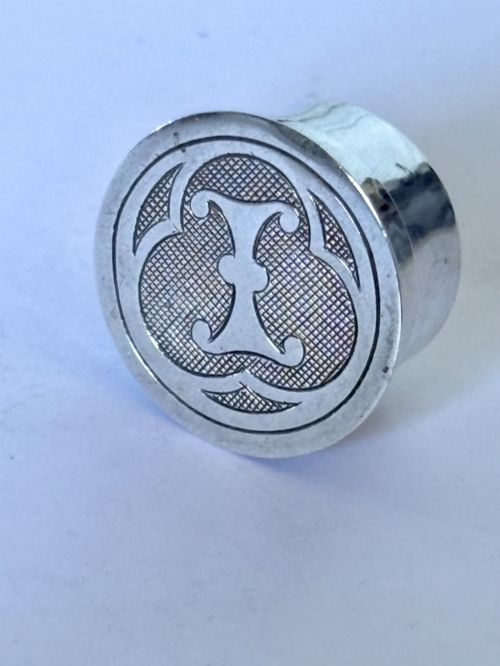
When searching for a solid silver trinket box, buyers encounter an array of small personal containers spanning the Georgian, Victorian, and Edwardian eras through to the mid twentieth century. These pieces encompass diverse functional forms including dedicated jewellery holders, pocket snuff boxes, and small table caddies.
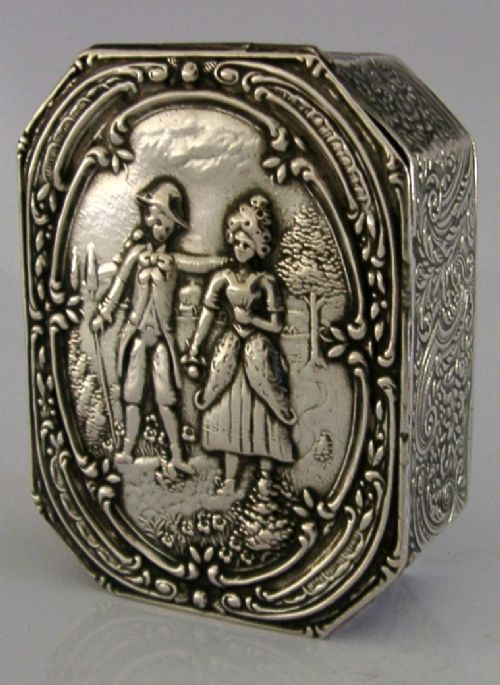
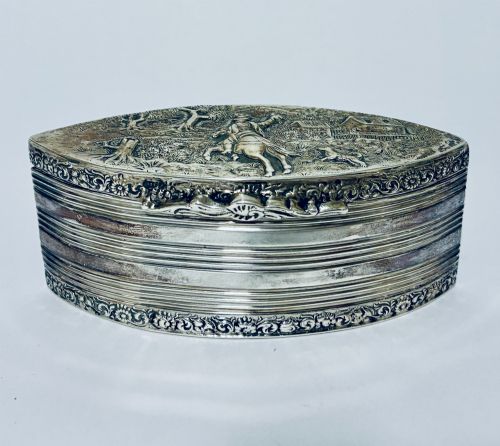
Continental European workshops, particularly in Germany and the Netherlands, contributed heavily embossed figural containers alongside English makers producing stamped and chased boxes in Birmingham and London. Domestic varieties range from simple pill pots to heavy dressing table caddies inset with stones.
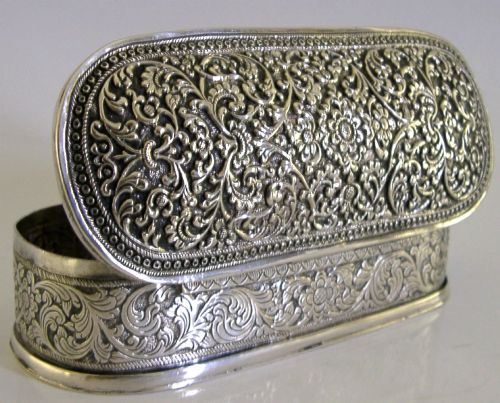
Makers across the globe adapted local motifs onto sterling and continental silver standards, resulting in Indo-Chinese export items, Austro-Hungarian vessels, and British novelty shapes resembling animal skins.
How They Were Made
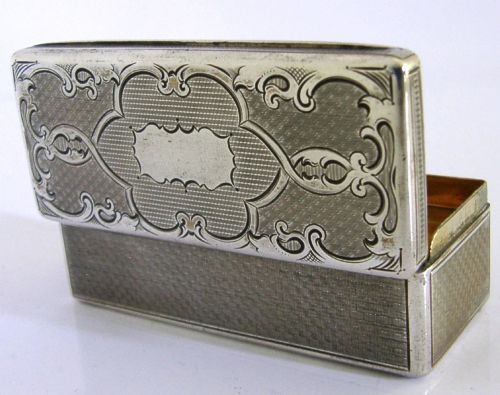
Silversmiths utilised solid sterling and continental silver grades, frequently applying gold gilt coatings to interior surfaces for protection against tarnishing from contents. Certain boxes incorporated natural elements such as agate, enamel panels, and tortoiseshell into their lids.
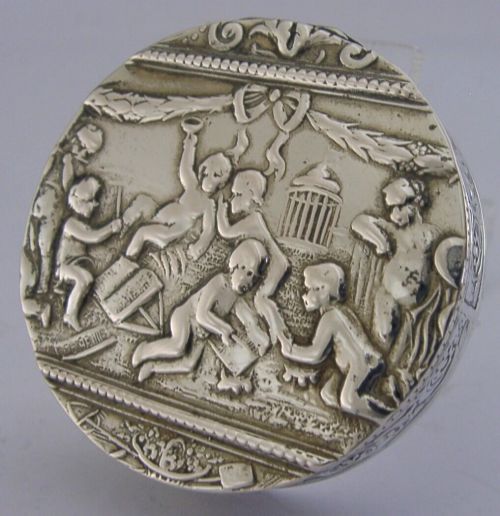
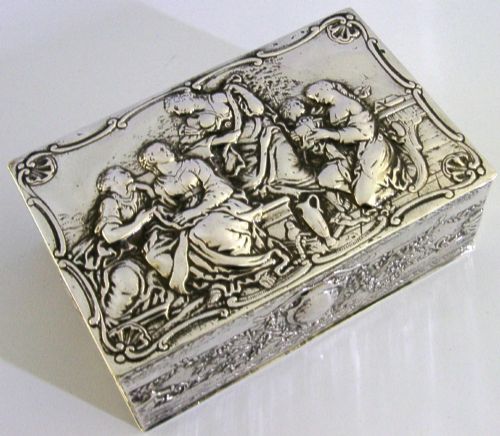
Manufacturing combined heavy cast structural elements with hand-chased repousse decoration, where artisans hammered intricate floral, architectural, or figural scenes from the reverse side. Hinged lids and catch mechanisms required precise fitting to ensure flush closures on pocket and table varieties.
Solid Silver Trinket Box Retail Price Guide 2026
Typical asking prices for solid silver trinket box among the pieces listed under this phrase on Sellingantiques today, from the lower quarter to the upper quarter. They describe what is for sale here now, not the wider market.
The archive and active stock demonstrate global production origins, ranging from Birmingham workshops and Dutch guildhalls to German Hanau factories and Indian export centres.
What Varies in Quality
Quality rests upon the crispness of the chased or repousse ornamentation and the structural gauge of the silver metal used in the body. Heavy-gauge boxes retain their structural integrity and sharp decorative relief over centuries of handling.
The sophistication of the internal gilding, the tightness of the hinge mechanism, and the inclusion of decorative inlays like hardstones or polychrome enamel elevate individual pieces above standard production.
Goldsmiths and Silversmiths Company·Mappin and Webb·Samuel Pemberton·Edward Smith·Joseph Willmore·FA Barrett
The Solid Silver Trinket Box Glossary
- Sterling Silver
- A silver alloy containing 92.5 percent pure silver by mass, with the remainder consisting of copper or other metals. This standard has served as the baseline for British hallmarked items for centuries.
- Vinaigrette
- A small hinged box featuring an internal pierced grille, designed to hold a sponge soaked in aromatic vinegar. These portable containers were carried during the Georgian and Victorian periods to mask unpleasant odours.
- Repousse
- A metalworking technique where the artisan hammers the design from the reverse side to create low relief ornamentation on the surface. This method defines the decorative style of many continental and Victorian pieces.
- Silver-Gilt
- Solid silver that has been coated with a thin layer of gold on its surface. This treatment protects the interior metal from acidic contents such as snuff or cosmetics.
- Hanau
- A German town historically renowned for producing elaborate silver items, often created in the style of earlier historic periods for the export market. These pieces frequently feature detailed figural or pastoral scenes.
Solid Silver Trinket Box: Frequently Asked Questions
What were small silver boxes used for?
These containers served various daily functions depending on their scale, from holding dry snuff or medicinal pills to securing rings and small personal keepsakes on a dressing table. Larger examples functioned as desktop caddies for dry goods or playing cards.
Interior gilding was often applied to prevent corrosive substances like tobacco or vinegar from reacting directly with the underlying silver.
How do I date an antique silver box?
Dating relies heavily on official hallmarks stamped into the metal, which indicate the assay office, the specific year letter, and the maker's mark. Stylistic clues such as floral chasing or geometric forms also point toward periods like the Georgian era or the Art Deco movement.
Unmarked continental items require analysis of the style, weight, and secondary numerical purity stamps, such as standard continental grade marks.
Are these boxes made of solid silver?
The pieces listed across these periods consist of solid silver grades rather than plated base metals, though standards vary between British sterling and continental silver. Some examples incorporate contrasting materials like agate stone, glass, or enamel panels within the silver frame.
Checking for hallmarks or purity numbers assists in verifying the metal content of individual containers.
How do I care for antique silver boxes?
Maintaining these items involves gentle cleaning with a soft cloth to remove dust and tarnish without wearing away delicate hand-chased relief work. Harsh chemical dips should be avoided, particularly on pieces featuring enamel panels, gilt interiors, or stone inlays.
Storing them away from direct moisture helps preserve the integrity of both the silver and any internal organic materials.