


Decorative Silver Box
When you search for a decorative silver box, you are looking at centuries of small-scale metalwork designed to hold everything from tea and snuff to trinkets and cards.
Decorative Silver Box
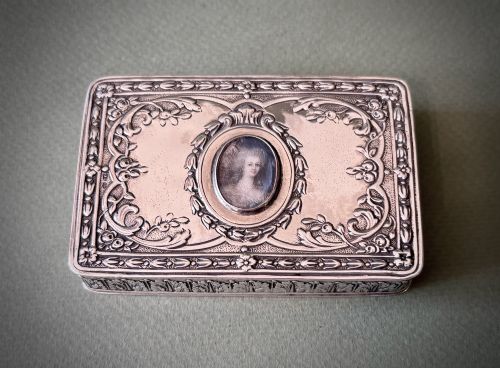
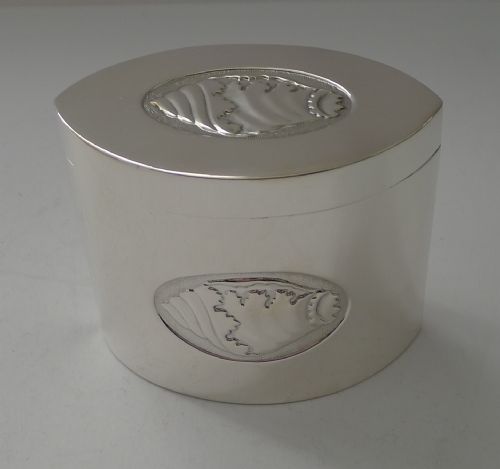
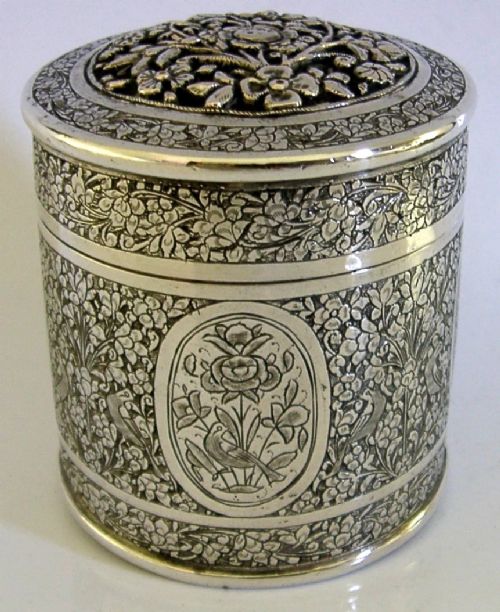
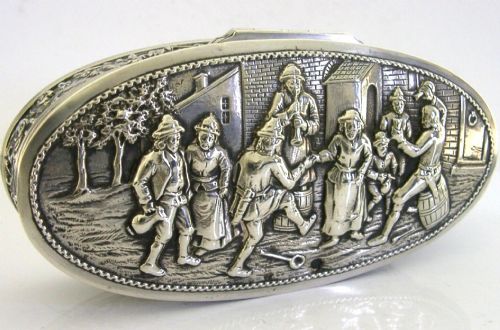
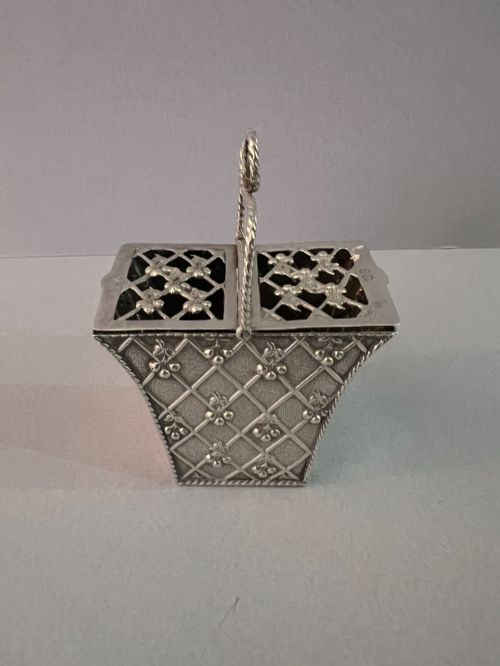
A decorative silver box brings together small functional containers and ornamental caskets produced across the nineteenth and twentieth centuries. These pieces encompass tea caddies, trinket boxes, snuff boxes, and larger table containers fashioned in various regional workshops.
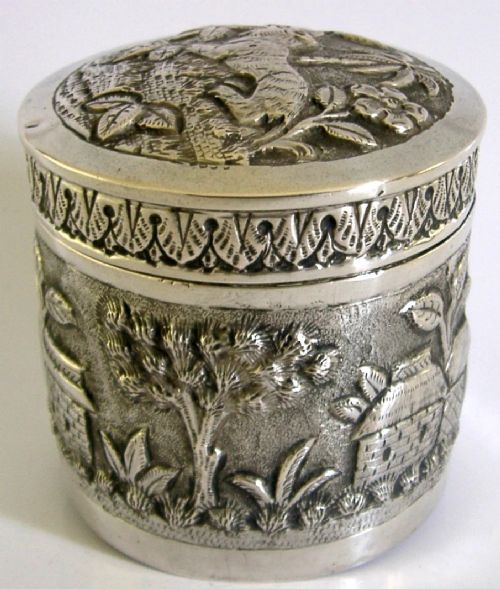
The versions most frequently met on this page date from the Victorian and Edwardian periods alongside early twentieth-century examples. English sterling pieces and continental imports appear regularly alongside Indian colonial and Ottoman productions.
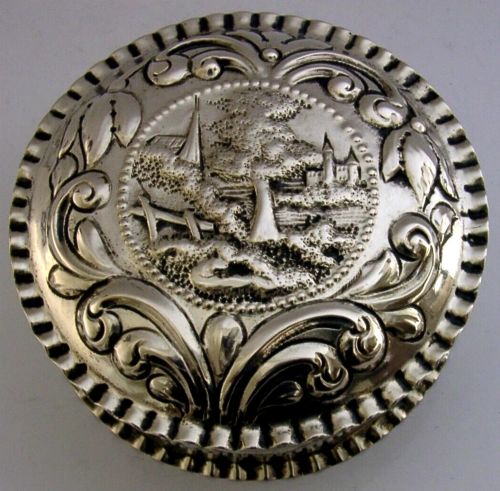
Forms range from simple rectangular vanity boxes to complex cast vessels featuring repoussé work, chasing, and enamel appliques. Buyers encounter both solid silver constructions and silver-plated items over base metals or ceramic bodies.
How they were made
Makers shaped solid silver and sterling silver through hammering, casting, and pressing sheet metal into intricate moulds. Many pieces incorporate applied cast borders, embossed lids, and soldered hinges designed for daily use.
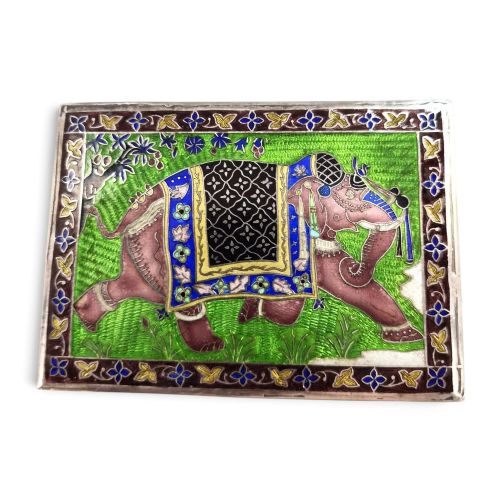
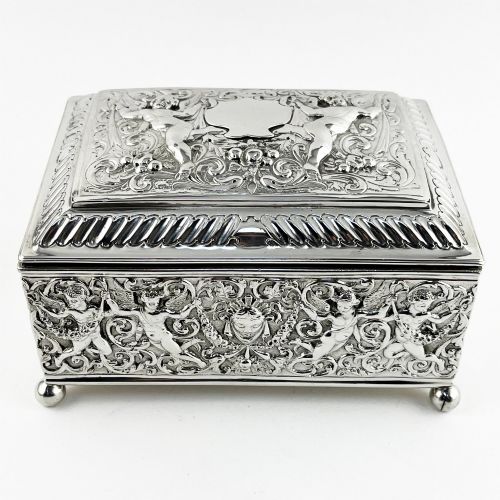
Surface decoration relies heavily on repoussé and chasing techniques, pushing the metal from behind to create raised motifs such as floral scenes, cherubs, and animals. Enamel work, gilding, and inset cameos occasionally add colour and contrast to the metallic surfaces.
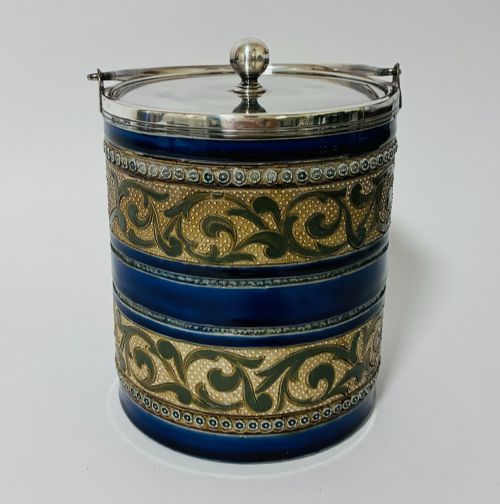
Non-metal elements such as wood, ceramic, tortoiseshell, and enamel frequently form the core bodies or linings of these boxes. Silver plate over base metals or electrotype processes also appear, offering alternative weights and finishes.
Several boxes on offer are built specifically to house biscuits, proving that Victorians took their teatime remarkably seriously.
What varies in quality
The distinction between standard items and exceptional pieces rests primarily on the depth and clarity of the hand-worked decoration. Crisp chasing, detailed casting on borders, and well-executed repoussé panels separate superior work from mass-produced stampings.
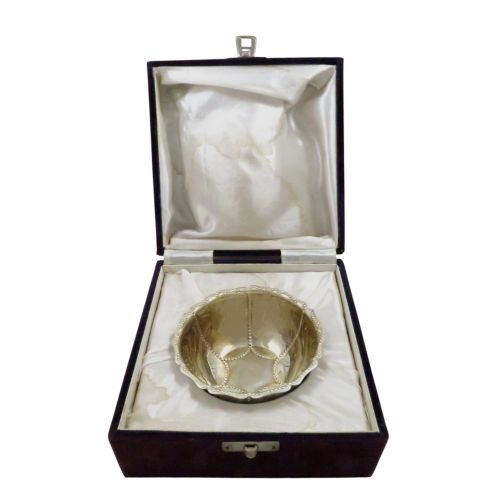
The choice of materials and internal fittings dictates the tier of the object. Solid silver, heavy gauge metal, intact gilding, and original linings of wood or velvet indicate higher workshop standards than light silver plate over base metals.
Provenance and origin influence desirability, with specific makers, regional styles like Anglo-Indian or Ottoman work, and documented continental hallmarks commanding particular attention from collectors.
Staniforth·Barker Brothers·Khlebnikov·Gucci
The Decorative Silver Box Glossary
- Repoussé
- A metalworking technique where the artisan hammers a design from the reverse side to form raised relief on the front. This method creates tactile floral or figurative panels on box lids.
- Chasing
- The complementary process to repoussé, executed from the front by sinking the metal rather than raising it. Chasers refine details and clean up lines previously hammered from behind.
- Tea caddy
- A container originally built to store dry tea leaves securely in domestic settings. Examples often feature internal lids and lockable compartments.
- Snuff box
- A small pocket-sized container fashioned to hold powdered tobacco. These items frequently display fine hinged lids and gilt interiors to protect the metal from tobacco juices.
- Silver plate
- A thin layer of silver fused or electroplated onto a base metal core such as copper or brass. This technique offered an affordable alternative to solid silver items.
- Gilt
- A thin coating of gold applied to the interior or exterior surface of silver objects. The technique, also known as silver-gilt or vermeil, prevents tarnishing and adds warmth.
Decorative Silver Box: Frequently Asked Questions
What were decorative silver boxes used for?
These vessels served practical purposes in historic households, containing valuable commodities like tea, snuff, playing cards, and personal trinkets. Their decorative nature meant they were kept on display in reception rooms or dressing tables rather than stored away.
Over time, changing domestic habits turned many of these utilitarian containers into purely decorative display pieces or dedicated jewellery boxes for daily use.
How do I care for silver boxes?
Regular, gentle dusting with a soft microfibre cloth keeps surface dirt from settling into the chased or repoussé crevices. Avoid abrasive polishes that wear away thin plating or soften crisp hand-worked details.
Keep the items away from damp environments and direct sunlight, particularly pieces that combine silver with delicate materials like enamel, wood, or tortoiseshell.
How can I tell the period of a silver box?
Hallmarks stamped directly onto the metal provide the most reliable guide to date and origin, revealing assay offices, date letters, and maker marks. Stylistic clues such as Victorian floral motifs, Edwardian restraint, or 1940s modernist lines also help narrow down the era.
Construction methods, including the style of the hinges and the choice of lining materials, offer further confirmation when official stamps are rubbed or absent.
Are all silver boxes solid silver?
Many items feature solid silver or sterling silver construction, marked appropriately by official assay offices. However, a significant portion of domestic boxes utilise silver plate over base metals, ceramics, or glass bodies.
Weight, hallmarks, and examination of worn edges usually reveal whether the piece is solid metal throughout or plated over a core material.