


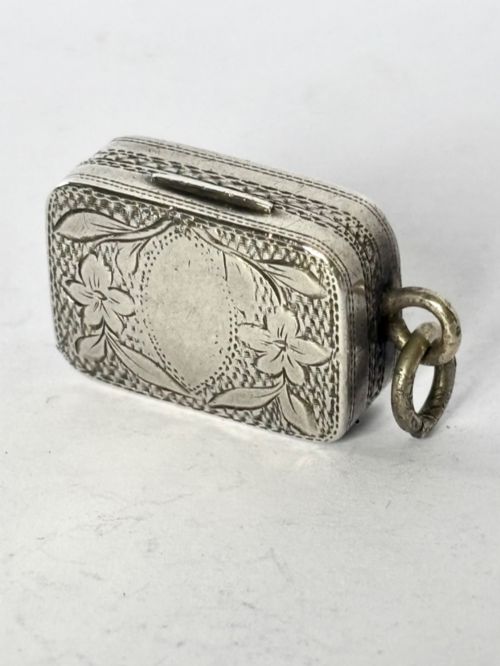
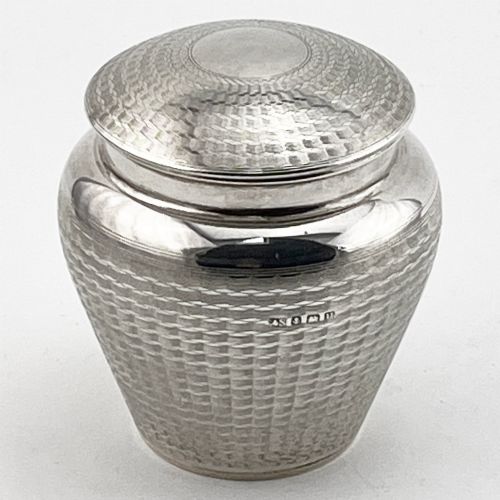
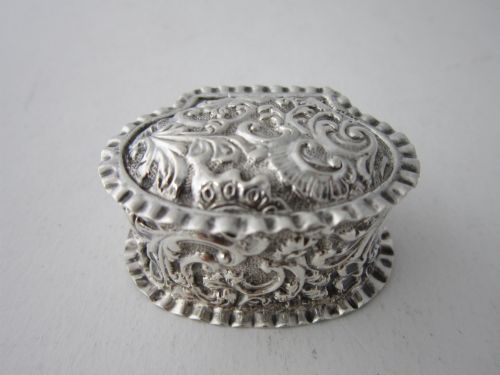
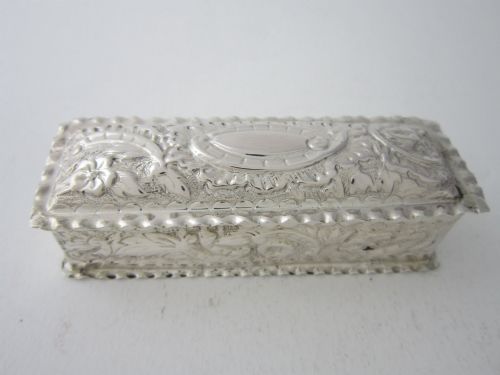
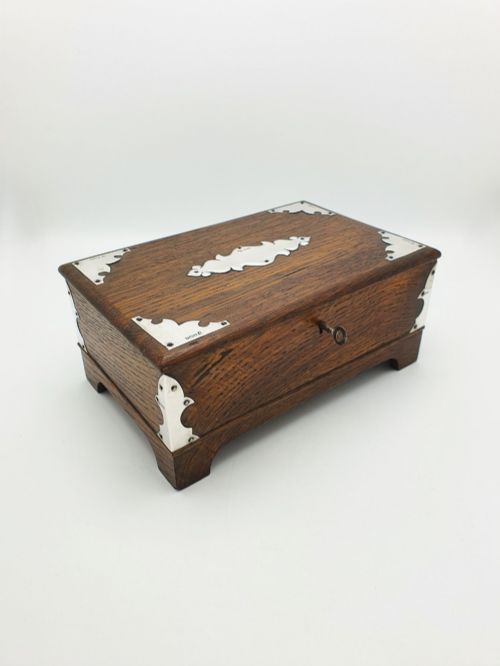
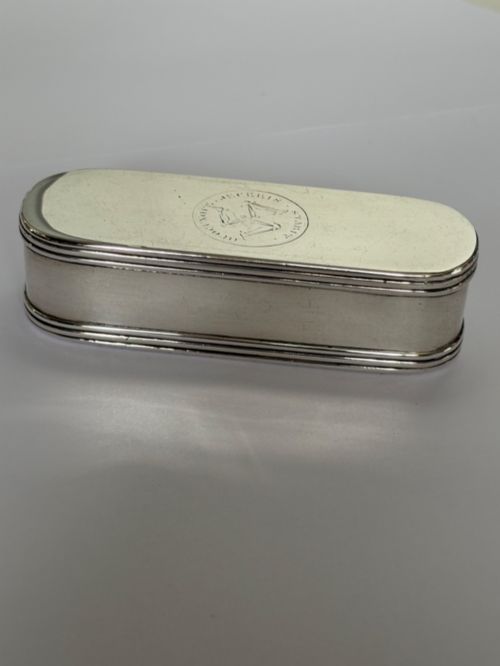
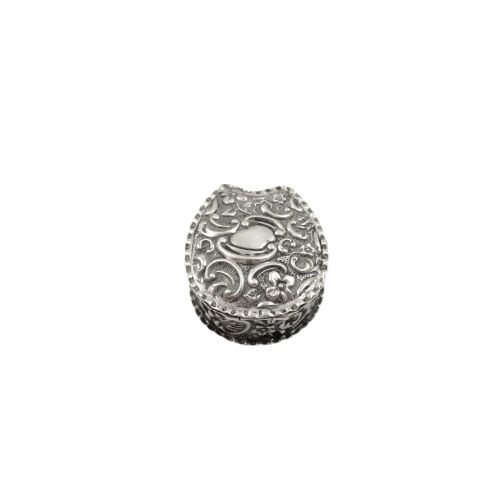
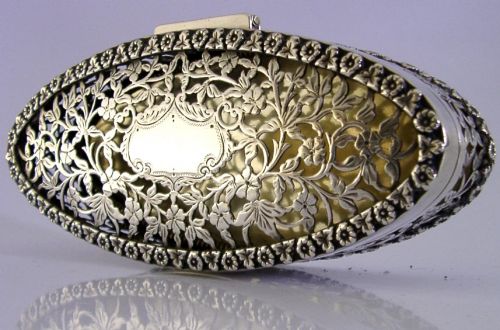
Hallmarked Silver Trinket Box
A hallmarked silver trinket box holds dressing table secrets in sterling silver, tortoiseshell, hardstone and shagreen.
What these pieces are
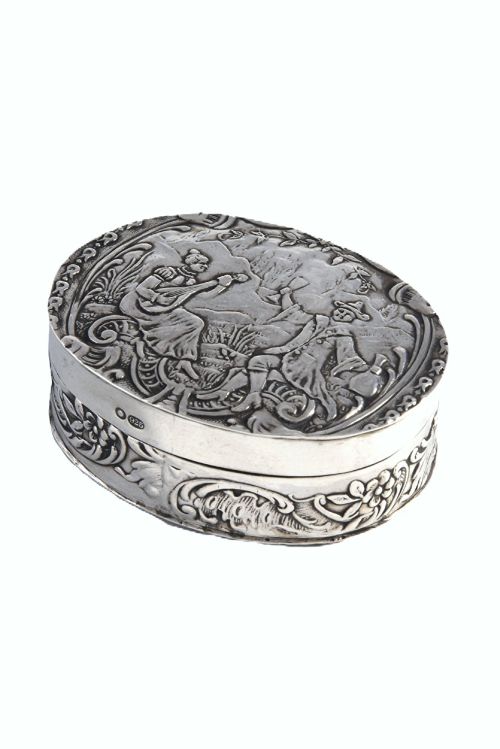
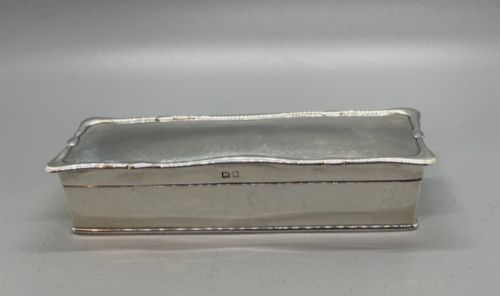
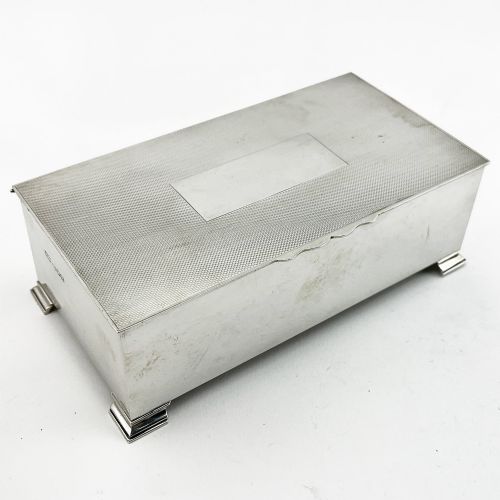
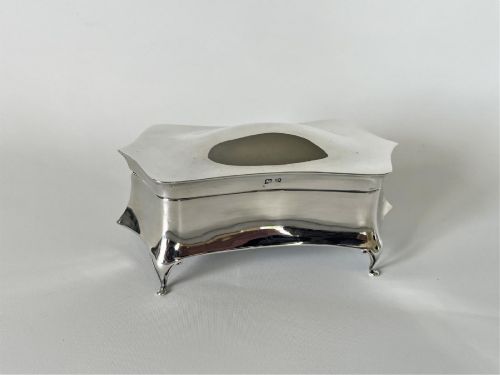
A hallmarked silver trinket box serves as a small dressing table receptacle for keepsakes, cufflinks and jewellery. Buyers search this phrase to find tidy containers spanning the Victorian, Edwardian and George V eras. The evidence shows heart shapes alongside standard rectangular forms.
Most examples encountered on this page date from the late nineteenth century through to the early twentieth century. These boxes reflect the domestic habits of earlier households where small valuables required dedicated desktop storage.
How they were made
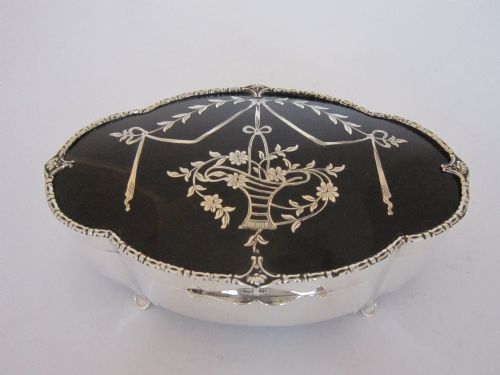
Silversmiths constructed these boxes using sterling silver for the primary body, often pairing the metal with organic inlays such as tortoiseshell, shagreen or tigers eye agate. The material evidence reveals combinations of precious metal and textured natural elements on the lids.
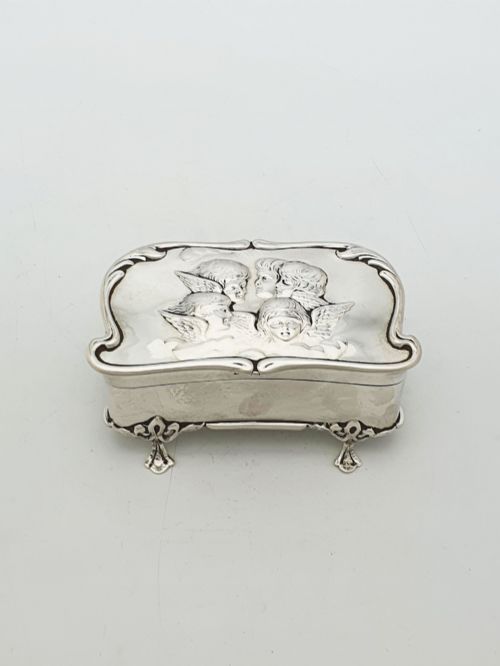
Assay office hallmarks stamp the silver components with proof of metal purity and date. Artisans shaped these pieces into distinct silhouettes including heart forms and larger rectangular boxes.
Retail Price Guide 2026
Typical UK retail prices for hallmarked silver trinket box, calculated from the Sellingantiques database of over a million retail prices indexed since 2003. This retail price guide relies exclusively on Sellingantiques data; no external sources or auction records are used, so the figures do not describe the wider market.
Heart-shaped boxes in the archive prove that Victorian romance found a secure home in sterling silver.
What varies in quality
Quality resides in the choice of materials and the complexity of the form. A standard silver box differs substantially from one inset with tortoiseshell, shagreen or hardstone.
The degree of surface ornamentation separates simpler containers from ornate Victorian heart shapes and substantial George V examples.
The Hallmarked Silver Trinket Box Glossary
- Hallmark
- Official stamps applied by an assay office to indicate metal purity, origin year and maker. These marks provide the primary evidence for dating an antique piece.
- Sterling Silver
- An alloy comprising ninety-two point five percent silver and seven point five percent other metals, usually copper. This standard defines the silver used in these boxes.
- Tortoiseshell
- The mottled carapace of certain marine turtle species used historically as an ornamental inlay on silver boxes. It appears paired with sterling silver in Edwardian and George V pieces.
- Shagreen
- Untanned skin with a granular surface, historically prepared from shark or ray skin and dyed for decorative effect. It creates a distinctive textured lid on period boxes.
Frequently Asked Questions
What is a hallmarked silver trinket box?
A hallmarked silver trinket box is a small lidded container made from sterling silver, designed to hold rings, cufflinks and small personal items.
These pieces typically date from the Victorian, Edwardian and George V periods and carry official assay office stamps.
How do I date my silver box?
Dating relies on the legible assay office hallmarks stamped directly onto the silver elements of the box.
Letters and symbols within these marks correspond to specific years of manufacture and testing.
What materials are used besides silver?
Period boxes frequently incorporate organic inlays on the lid to contrast with the polished sterling silver body.
Materials recorded in the evidence include tortoiseshell, shagreen and tigers eye agate hardstone.
Were these boxes used for jewellery?
These containers served various domestic storage purposes on dressing tables and desks.
Historical descriptions note their use for cufflinks, rings and small trinkets.