


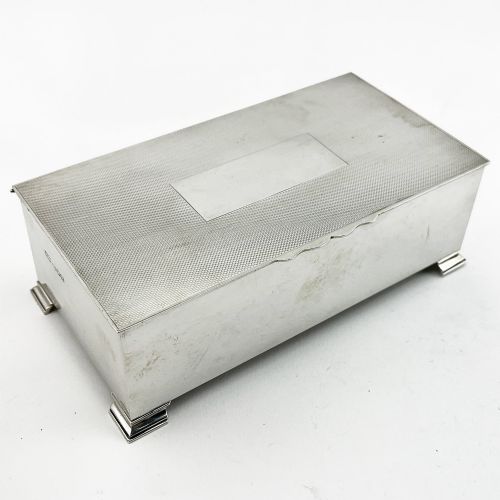
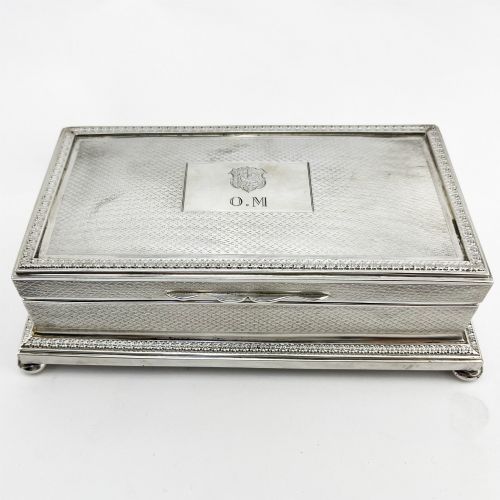
Vintage Silver Trinket Box
A vintage silver trinket box holds dressing table secrets, offering solid metal and careful craftsmanship for those who value small domestic treasures.
What vintage silver trinket boxes are
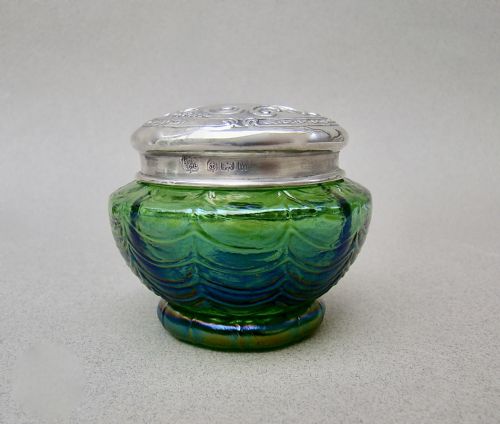
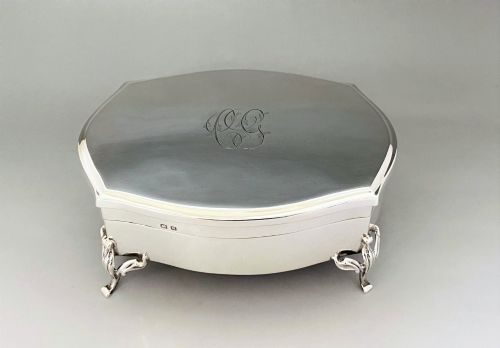
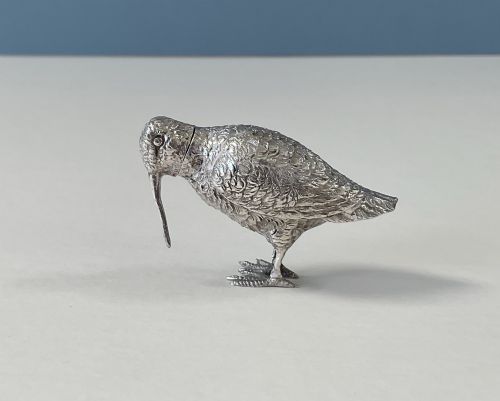
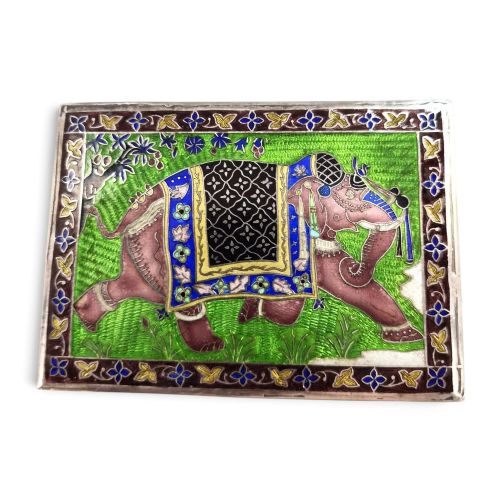
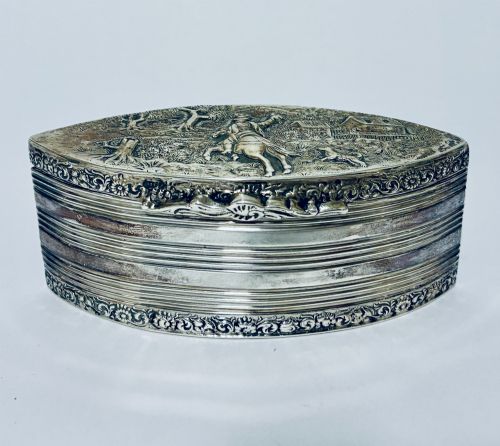
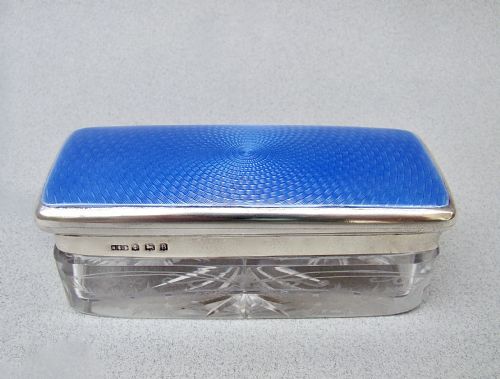
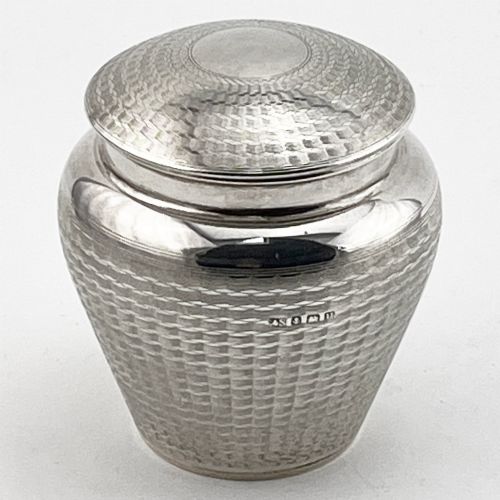
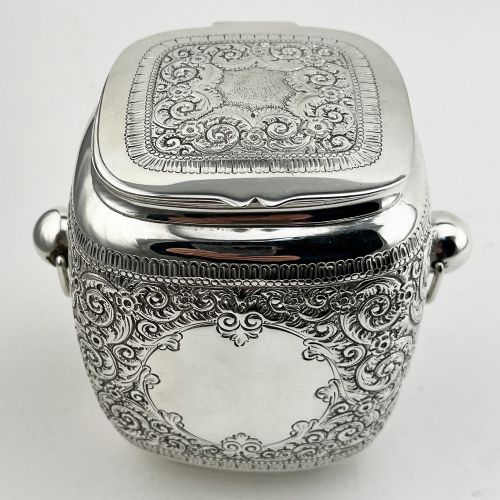
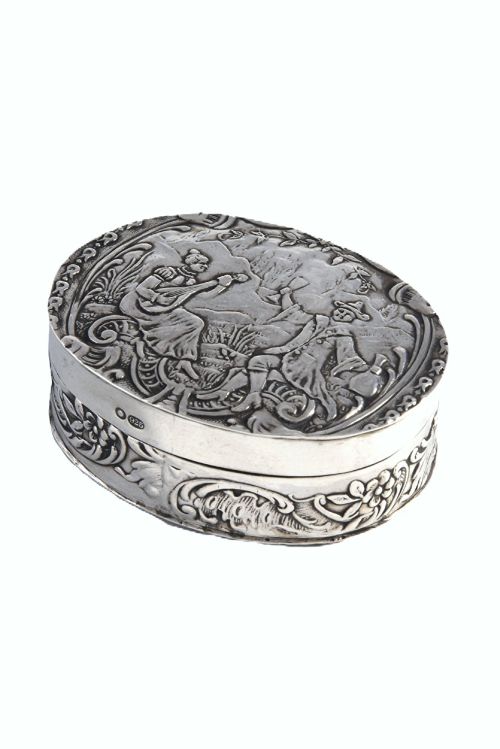
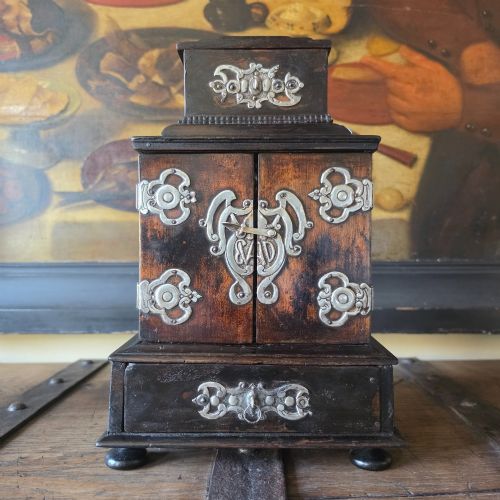
A vintage silver trinket box encompasses small lidded containers designed to hold dressing table accessories, pills, cufflinks, or small jewellery pieces. The selections on this page span several eras, including the Edwardian period, the reign of George V, and the Georgian era.
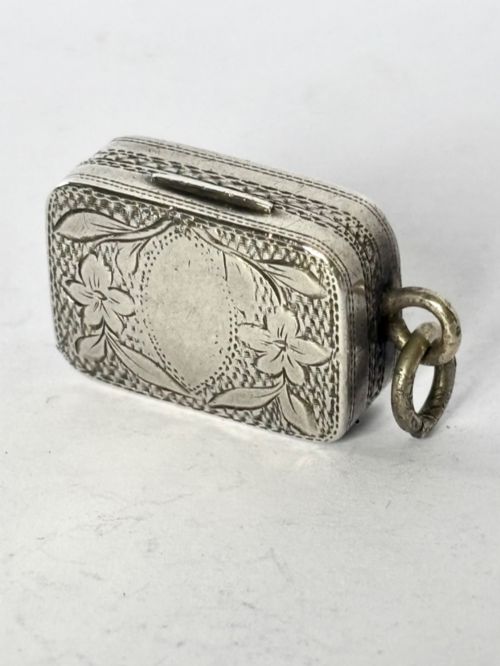
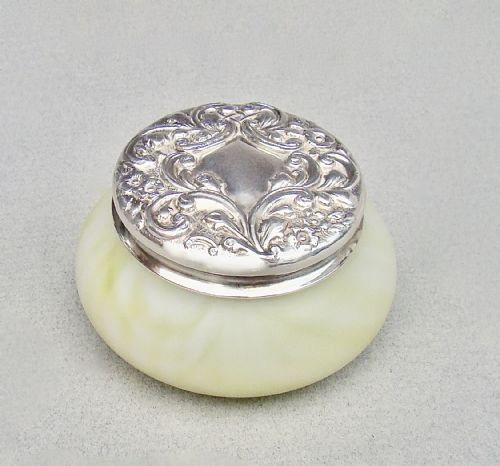
The forms vary beyond simple rectangular containers to include specialised vessels such as vinaigrettes, pill boxes, and larger jewellery boxes. Origins range from British workshops to traditional Thai production involving niello work.
How they were made
Makers utilised sterling silver as the primary structural material, often applying silver-gilt finishes to the interior surfaces of boxes like vinaigrettes. Metalworking techniques included forming, casting, and engraving to create the body and hinged lids.
Craftspersons integrated natural materials into the silver framework, setting mother of pearl, tortoiseshell, and garnet into the lids or panels. Niello techniques involved filling incised metal designs with a dark metallic alloy, as seen in pieces from Siam.
Retail Price Guide 2026
Typical UK retail prices for vintage silver trinket box, calculated from the Sellingantiques database of over a million retail prices indexed since 2003. This retail price guide relies exclusively on Sellingantiques data; no external sources or auction records are used, so the figures do not describe the wider market.
Georgian gentlemen carried tiny gold-washed boxes to mask the smells of 19th-century city streets with scented sponge.
What varies in quality
Quality differences emerge in the precision of the metalwork and the integration of secondary materials like tortoiseshell and mother of pearl. Tighter hinge fittings and crisp engraving separate standard containers from finer examples.
The use of specialised interior treatments, such as gilt washes, and the complexity of decorative techniques like niello or inlaid garnet distinguish superior items within the range.
SAMUEL PEMBERTON
The Vintage Silver Trinket Box Glossary
- Sterling silver
- A standard alloy of silver containing 92.5 percent pure silver by mass and 7.5 percent other metals, usually copper. This composition provides the durability required for small functional boxes.
- Silver-gilt
- Silver that has been coated with a thin layer of gold on its surface. This technique was frequently used on the interior of vinaigrettes to protect the silver from corrosive substances.
- Tortoiseshell
- A material derived from the shell of larger sea turtles, utilised inlays on boxes during the Edwardian period. Its rich mottled brown and amber tones provide a warm contrast to polished silver.
- Niello
- A black metallic alloy used as an inlay on engraved metal surfaces. It creates stark contrasting patterns against bright silver.
- Vinaigrette
- A small ornamental box featuring a perforated inner grille, historically used to hold a sponge soaked in aromatic vinegar. These pieces represent a specialised form of personal container.
Frequently Asked Questions
What were silver trinket boxes used for?
These boxes served as secure receptacles for small personal effects on dressing tables and desks. Owners kept items such as pins, rings, cufflinks, and pills inside them.
Their compact size made them portable accessories for travel or daily use in the pocket or handbag.
How do I care for silver boxes?
Maintenance involves gentle cleaning with appropriate silver polishes to remove tarnish while preserving the integrity of the metal. Care must be taken around organic inserts like mother of pearl or tortoiseshell.
Storing pieces in stable humidity environments prevents chemical reactions that accelerate tarnishing on the silver surfaces.
How do I identify an Edwardian silver box?
Edwardian pieces often display stylistic traits popular during the reign of King Edward VII and the subsequent George V era. Makers frequently paired sterling silver with decorative panels of tortoiseshell or mother of pearl.
Assay marks and date letters stamped onto the metal provide definitive evidence of the year of manufacture.
What is a silver-gilt interior?
Silver-gilt refers to a gold coating applied over the base sterling silver material. In boxes like vinaigrettes, this treatment prevented the acidic contents from reacting directly with the silver.
The warm gold tone provides a distinct visual contrast when the lid of the box is opened.