
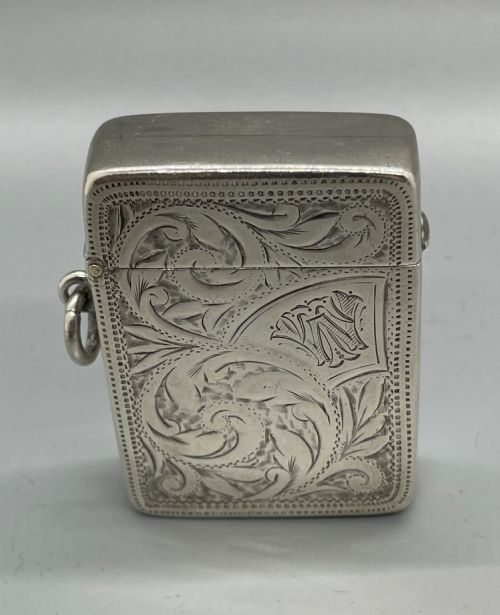
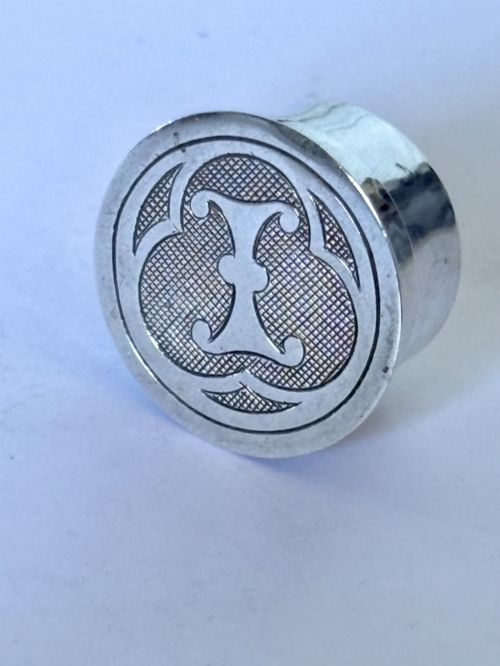
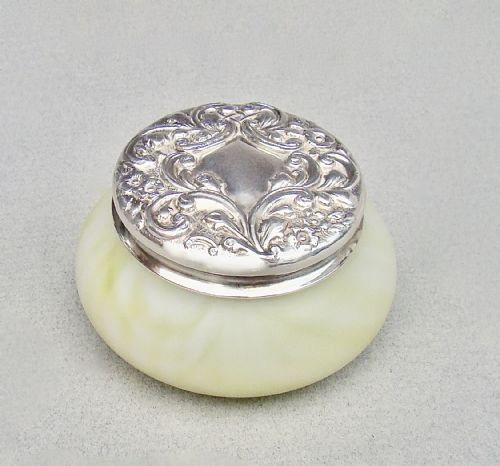
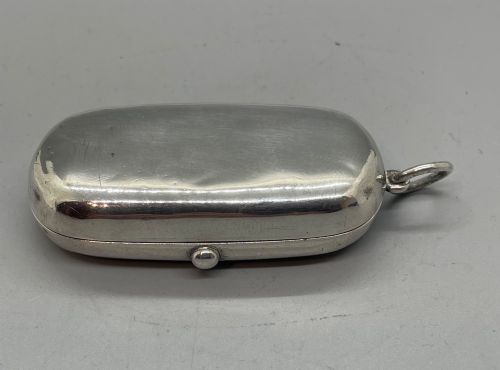
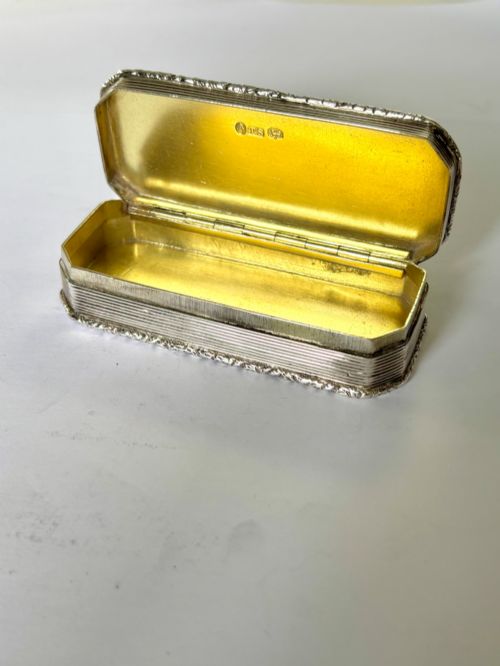
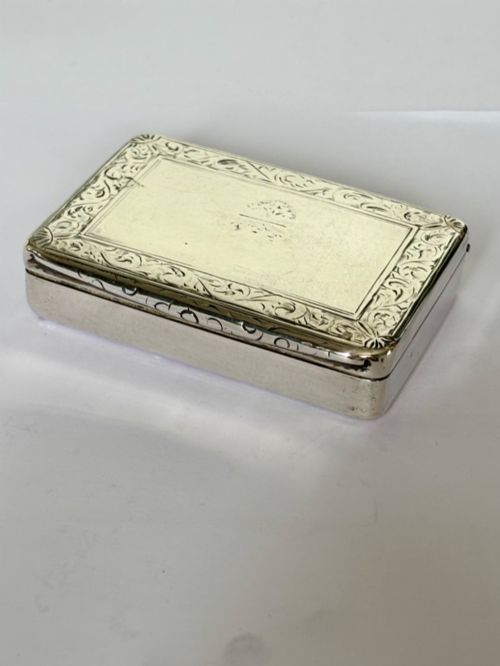
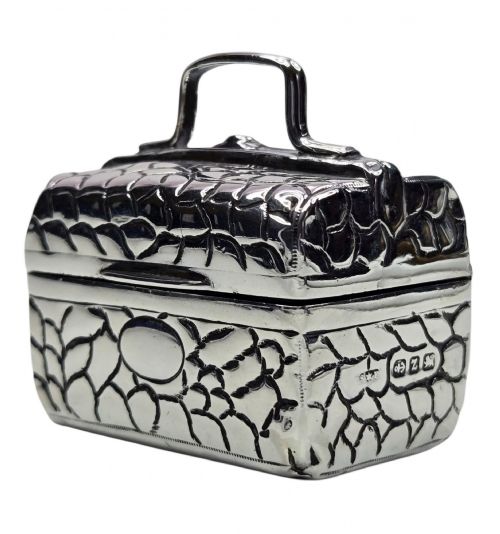

Birmingham Silver Box
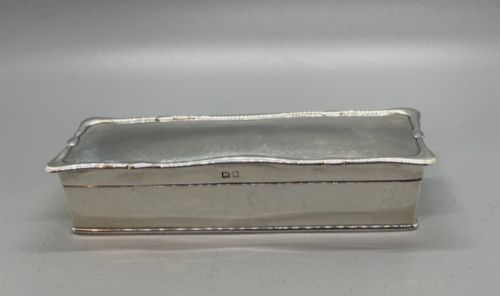
A birmingham silver box brings tangible tactile history to a desk or dressing table through solid metal and meticulous silversmithing.
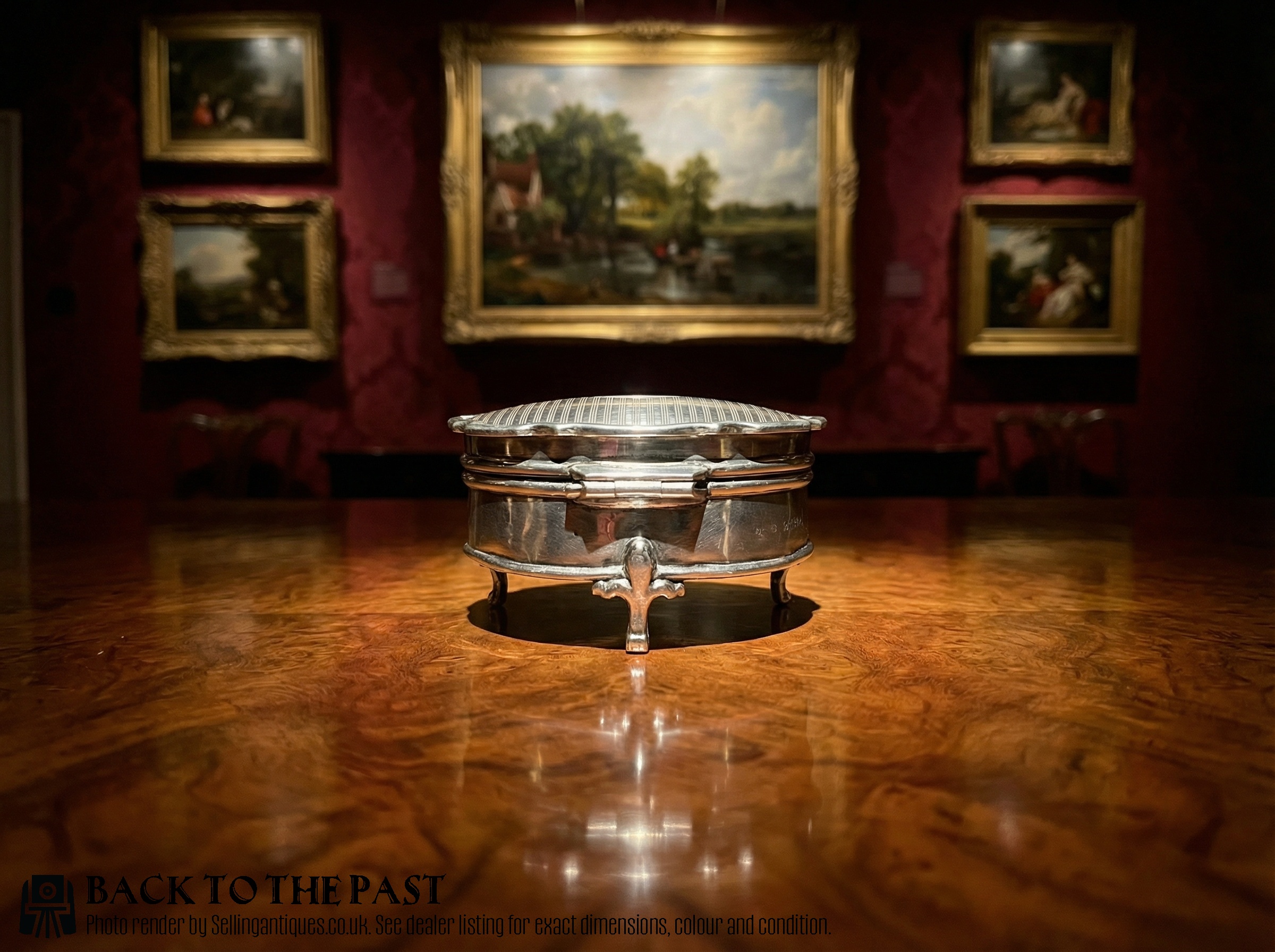
Birmingham Silver Box
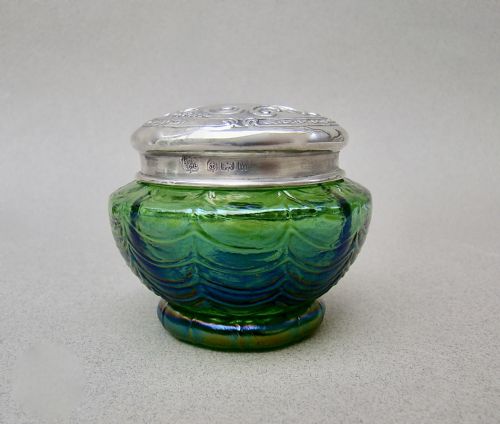
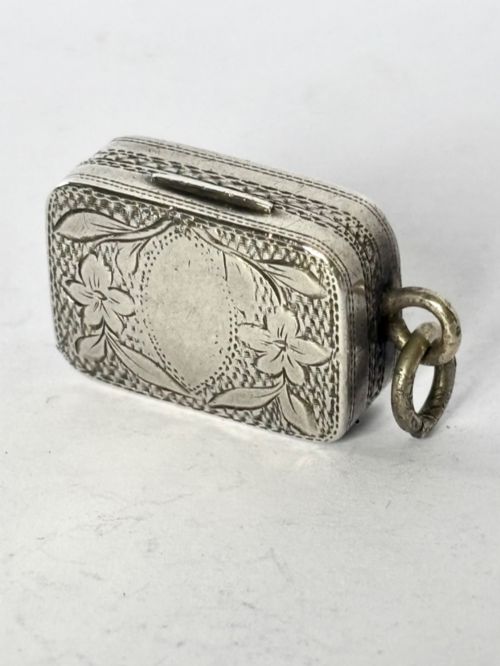
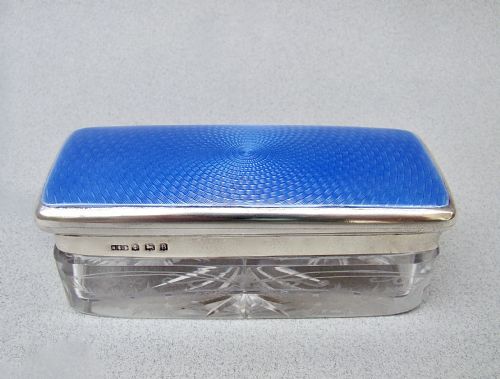
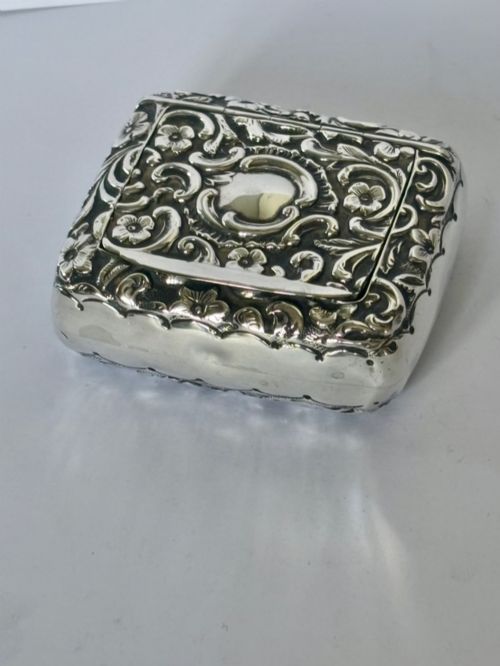
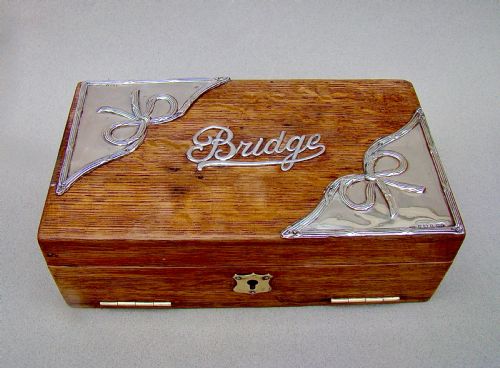
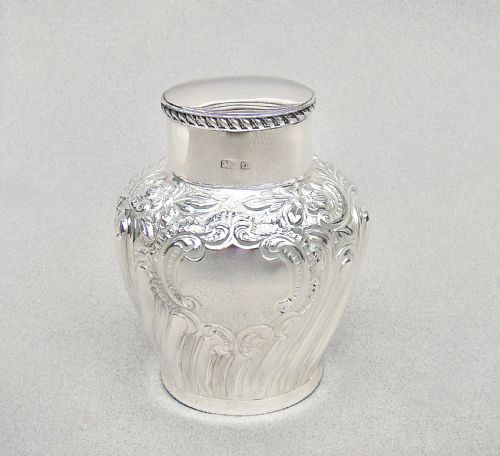
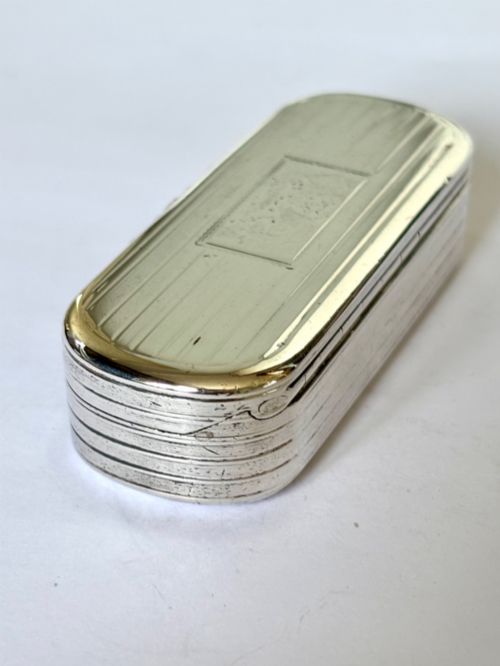
The objects span multiple eras, with Georgian pocket snuff boxes giving way to ornate Victorian embossed pieces and colourful Art Deco guilloche enamel designs. Form follows function closely, producing specialised containers for stamps, playing cards, pill boxes and large table caddies.
How They Were Made
Silversmiths utilised sterling silver alongside silver gilt, frequently incorporating glass, tortoiseshell, velvet and silk into the internal linings and structural bodies. Enamel work, particularly translucent guilloche patterns, added vibrant colour to lids and surfaces.
Techniques combined traditional hand-chasing and repousse embossing with machine-turned engraving on compacts and matchbook holders. Makers marked their creations with specific town marks, including the Birmingham anchor alongside lion passant standards and date letters.
Birmingham Silver Box Retail Price Guide 2026
Typical asking prices for birmingham silver box among the pieces listed under this phrase on Sellingantiques today, from the lower quarter to the upper quarter. They describe what is for sale here now, not the wider market.
Object forms documented in the archive include vesta cases, card cases, stamp boxes, toothpick holders, and desk sets alongside standard trinket containers.
What Varies In Quality
The standard of a birmingham silver box rests on the crispness of its chased decoration and the structural integrity of its hinges and closures. Superior examples exhibit deep, hand-executed floral motifs or figural scenes rather than shallow machine pressing.
Internal gilding condition and the survival of pristine enamel without chips or hairline fractures dictate desirability among collectors. The reputation of specific silversmith workshops also elevates the standing of individual pieces.
A. J. Pepper & Co·Henry Clifford Davis·Henry Matthews·F A Barrett·A. Bromet & Co·Levi & Salaman·Thomas Hayes·Robert Thornton·Thomas Shaw·Edward Smith·Nathaniel Mills·Crisford & Norris·Robert Pringle·The Daniel Manufacturing Co·George Unite·C.T. Burrows & Sons·A & J Zimmerman Ltd·Ernest Druiff & Co·Samuel Pemberton·John Bettridge·Joseph Willmore·Marson & Jones·Francis Clark·John Thropp·Thomas Willmore
The Birmingham Silver Box Glossary
- Vesta case
- A small pocket container designed specifically for holding wax matches and safety matches. These portable items often feature spring-loaded lids and striker grooves on the base.
- Guilloche enamel
- A decorative technique where intricate geometric patterns are mechanised into a metal surface before translucent coloured enamel is applied. This creates shimmering wave or ray effects beneath the glass-like coating.
- Vinaigrette
- A small pierced container housing a sponge soaked in aromatic vinegar to mask unpleasant odours. They typically feature inner gilt grilles decorated with pierced scrollwork.
- Pyx box
- A small round container historically utilised to carry sacramental bread or communion wafers. These pieces often feature secure tight-fitting lids to protect their contents.
- Silver gilt
- Sterling silver that has been coated with a thin layer of gold through a chemical or electrochemical process. This treatment provides a rich yellow gold interior glow within snuff and trinket boxes.
Birmingham Silver Box: Frequently Asked Questions
What is a birmingham silver box used for?
These historical containers served intimate daily purposes, holding snuff, matches, stamps, calling cards or sewing accessories. Today they function as decorative desk accessories or secure receptacles for modern jewellery and small keepsakes.
Their compact scale allows them to sit comfortably on dressing tables, mantelpieces or inside display cabinets while retaining their original utility.
How do I read the hallmarks?
Birmingham hallmarked pieces feature an anchor symbol indicating the assay office, accompanied by a lion passant denoting sterling standard. A sequential letter punch identifies the exact year of assay, alongside the maker's initials.
Matching these stamped ciphers against historical assay office records reveals the precise workshop origin and manufacture date of the container.
Are enamel boxes fragile?
Enamel surfaces consist of fused glass powder applied to metal bases, meaning they require gentle handling to prevent chipping or cracking. Storing them away from hard impacts preserves the smooth, glossy finish of the coloured panels.
Cleaning should involve only soft cloths and mild soapy water, avoiding abrasive polishes that scratch the delicate vitreous layers.
How do I tell Victorian from Georgian pieces?
Georgian examples often favour crisp hand-engraved scrollwork and heavier cast thumbpieces on functional snuff boxes. Victorian pieces frequently display heavier embossed repousse floral motifs, novelty animal shapes or brighter internal gilt linings.
Date letters stamped inside the containers provide the definitive chronological anchor for distinguishing between these overlapping eras.