


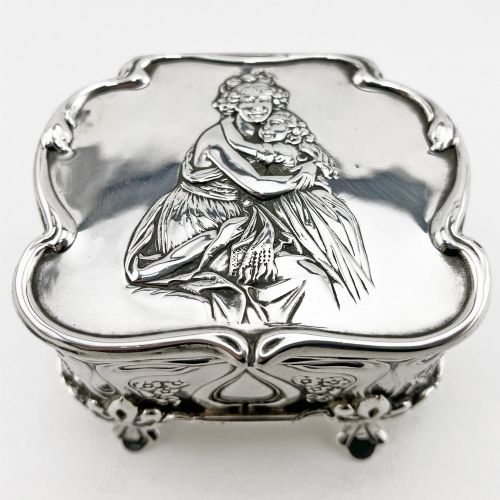
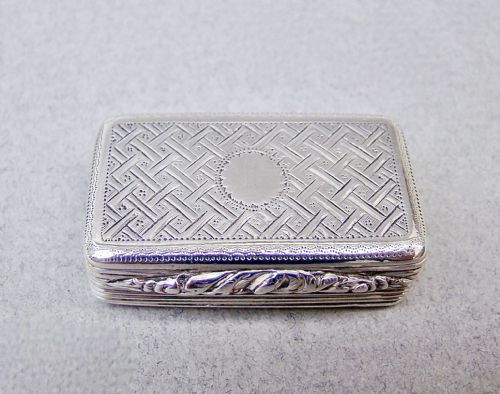
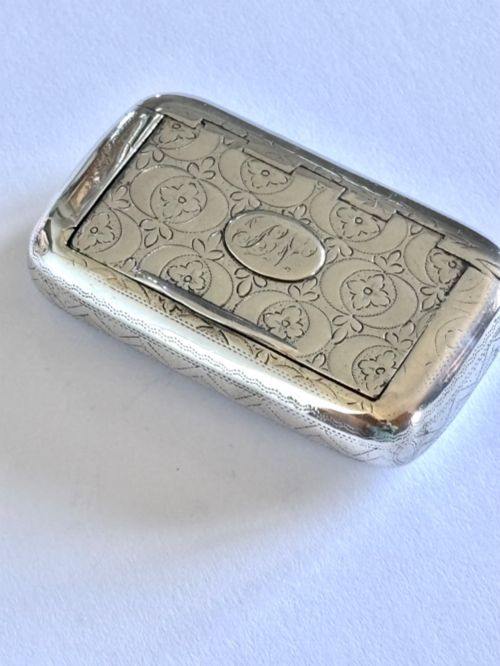
Sterling Silver Pill Box
A sterling silver pill box carries small treasures in the pocket, combining practical utility with miniature silver craftsmanship from Georgian, Victorian, and Edwardian workshops.
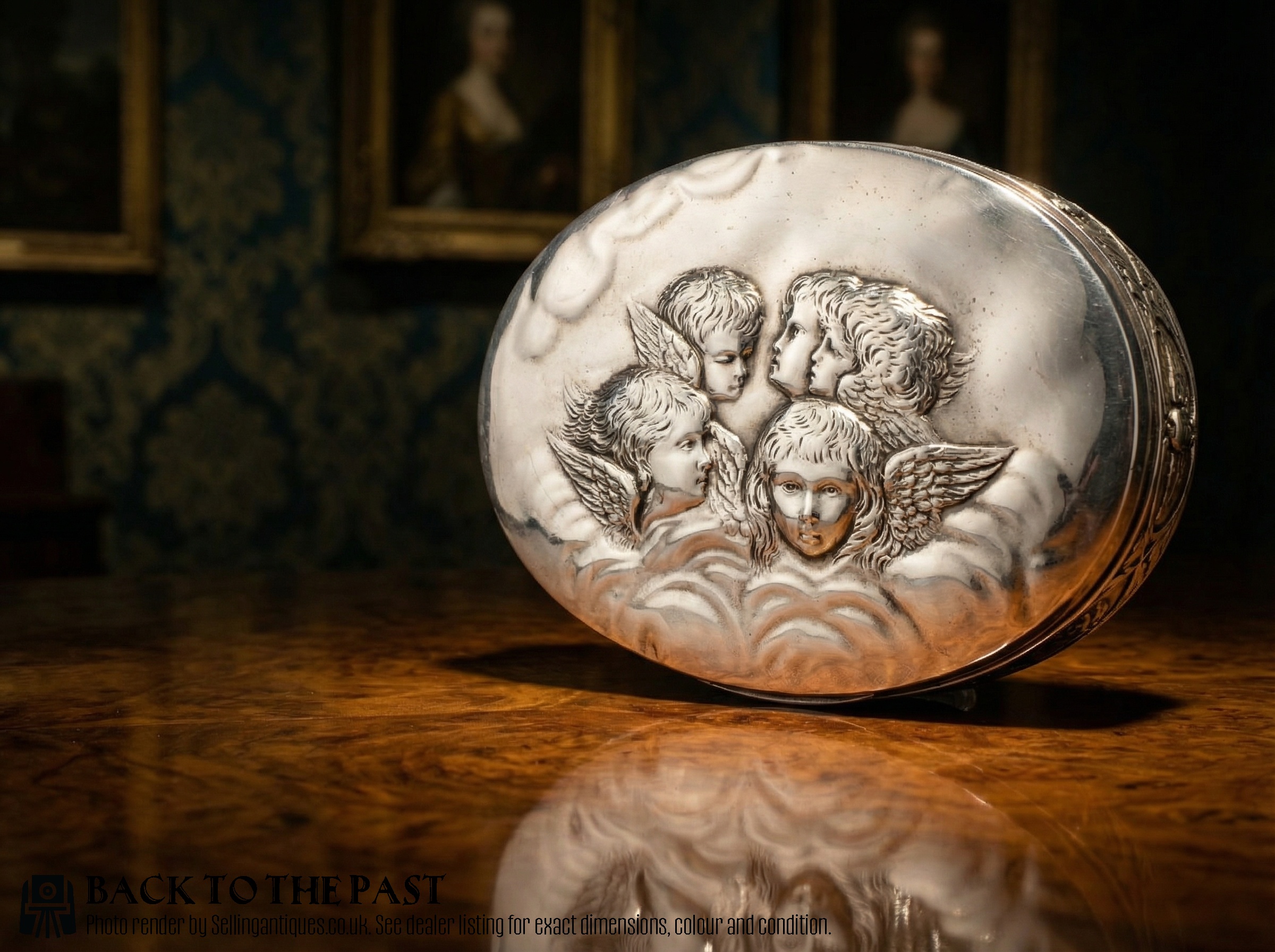
Sterling Silver Pill Box
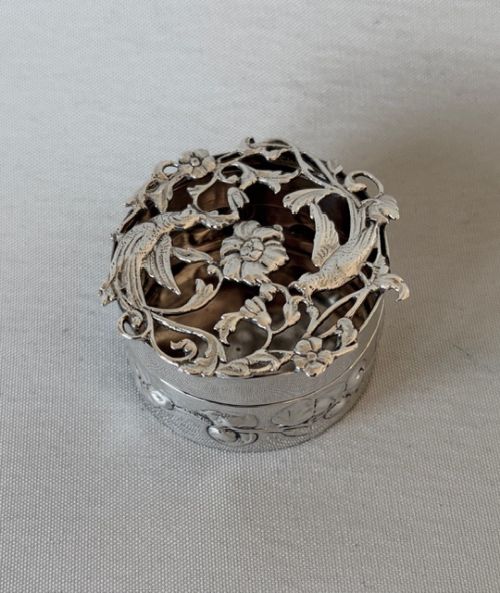
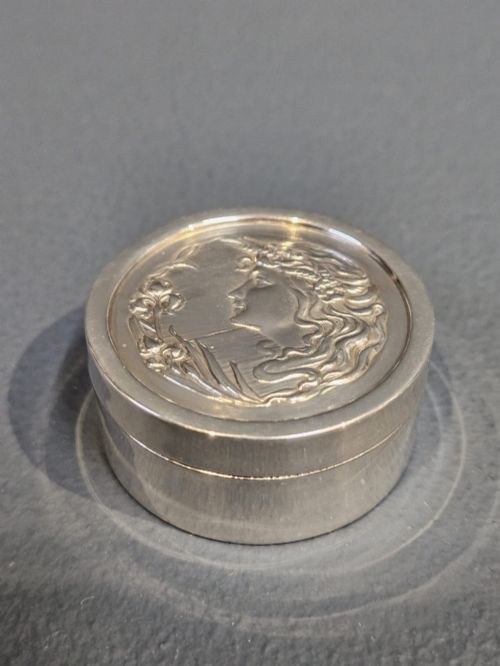
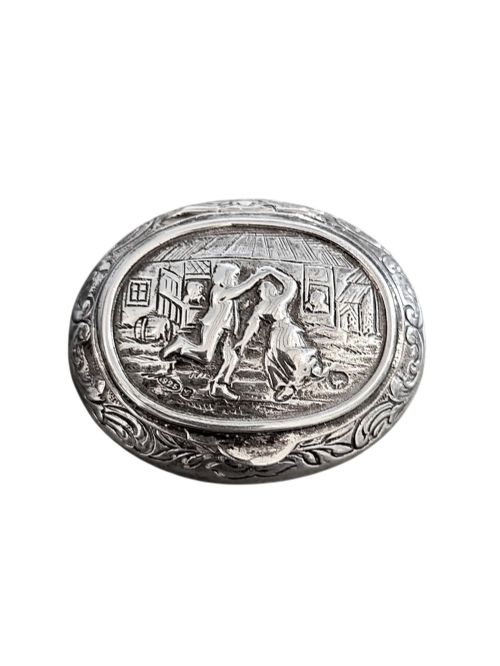
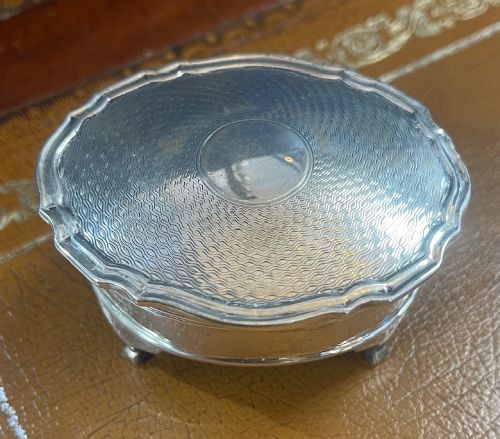
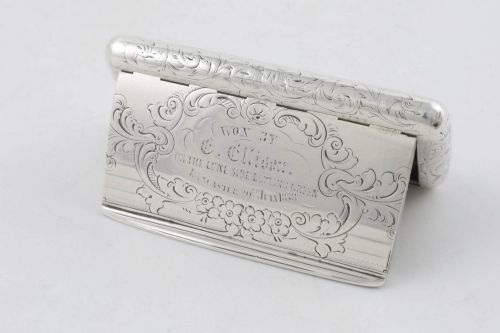
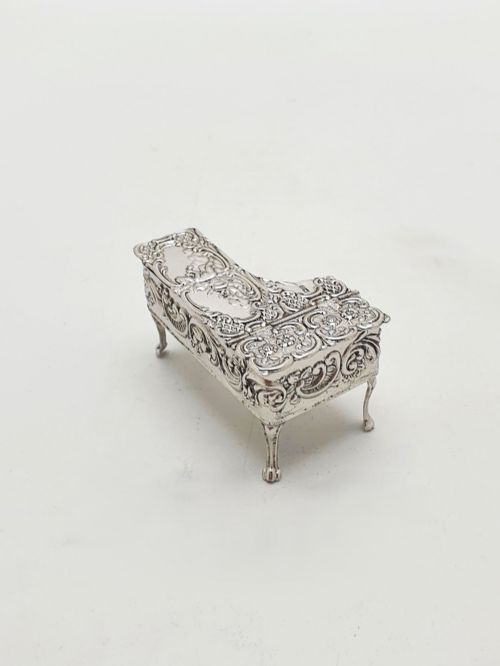
A sterling silver pill box is a small, lidded container traditionally used for carrying medications, lozenges, or patch boxes on the person. The selection ranges from plain cartouche shapes to hinged receptacles styled as hearts, animals, or miniature trunks.
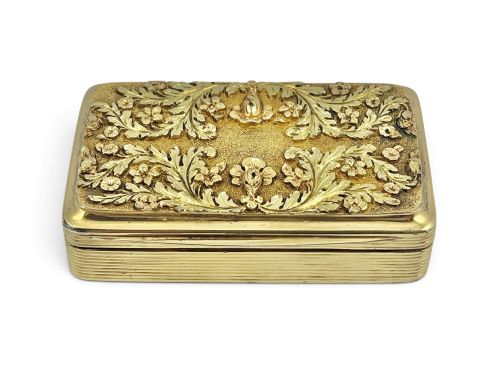
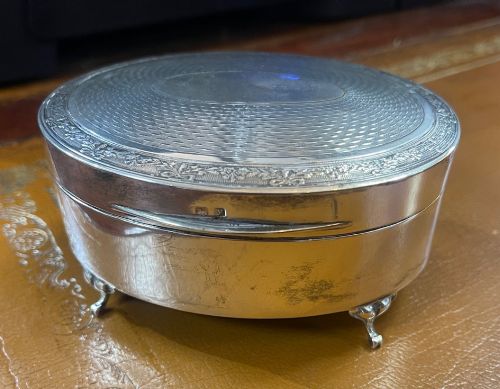
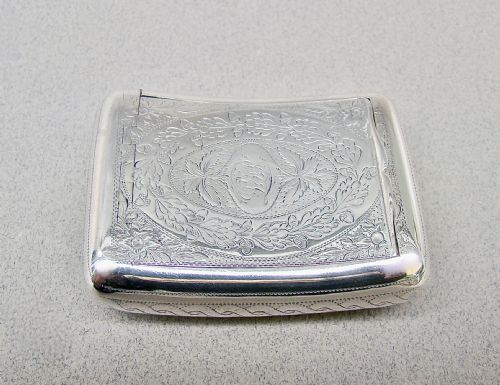
Examples on this page span the Georgian, Victorian, and Edwardian periods, alongside later twentieth-century pieces. Makers utilised various related forms such as vinaigrettes with internal pierced grilles, snuff boxes, and larger trinket boxes.
Originating largely from British assay offices in Birmingham, Chester, and London, these items demonstrate the changing decorative tastes across successive reigns. Collectors encounter both utilitarian containers and highly ornamented novelties intended for dressing tables.

Materials and Construction
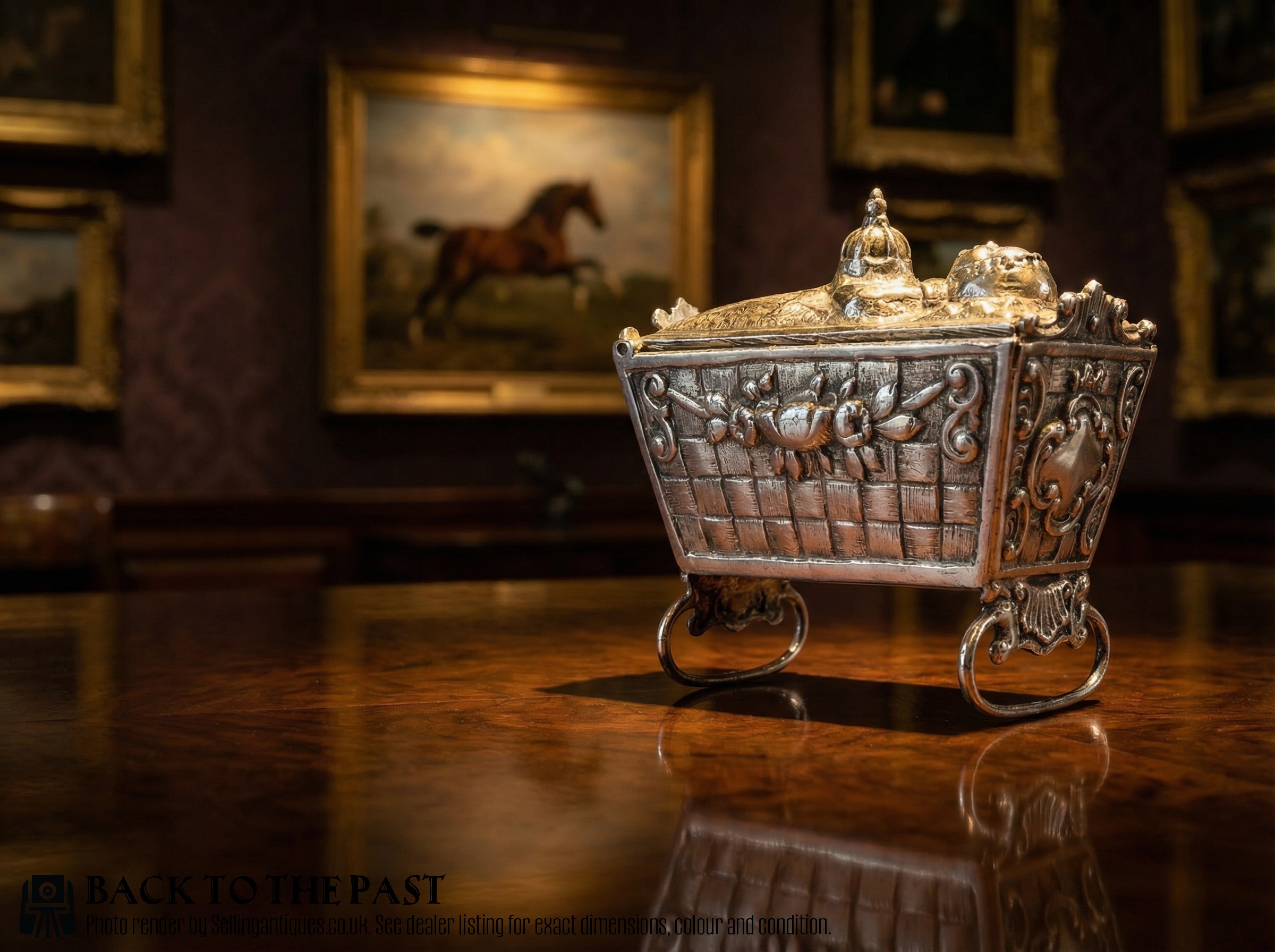
Silversmiths constructed these objects primarily from sterling silver, frequently applying gold washes known as silver gilt to the interior surfaces to prevent corrosion from contents. Exterior ornamentation relied on techniques such as floral chasing, repoussé embossing, piercing, and hand engraving.
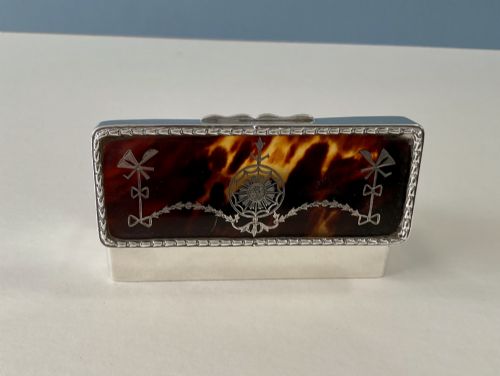
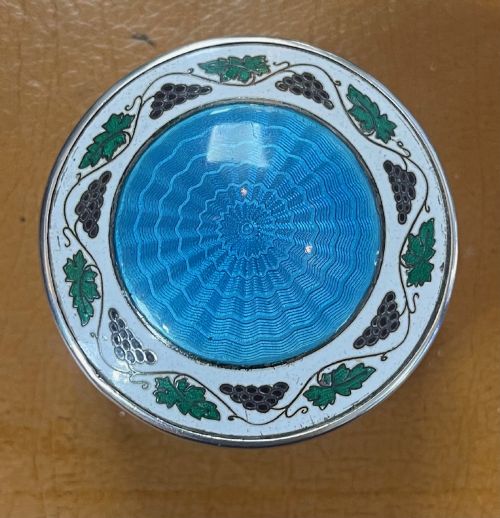
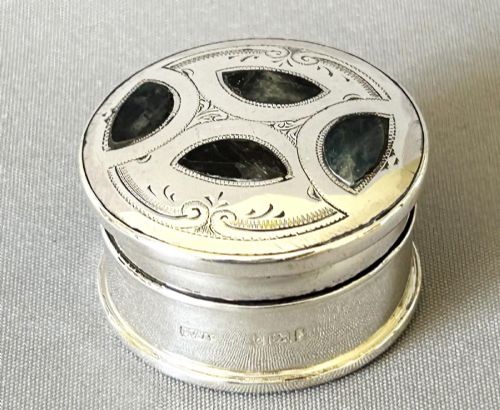
Many specimens incorporate contrasting natural materials into the lids or bodies, including mother of pearl, banded agate, citrine, and green glass. Enamel work, particularly guilloché patterns and polychrome depictions of birds or cherubs, appears frequently on Edwardian and Art Deco examples.
Sterling Silver Pill Box Retail Price Guide 2026
Typical asking prices for sterling silver pill box among the pieces listed under this phrase on Sellingantiques today, from the lower quarter to the upper quarter. They describe what is for sale here now, not the wider market.
One Edwardian novelty box takes the literal shape of a postage stamp roll case, perfect for the Victorian who loved bureaucracy.
Factors That Separate Examples
Quality in a sterling silver pill box rests on the crispness of the chasing and the precise alignment of the hinge and closure. Superior pieces retain clear hallmarks, sharp cast details on novelty forms, and intact internal gilding.
The integration of decorative stones or enamel adds another layer of distinction. Well-executed guilloché enamel and securely bezel-set agates elevate a standard container into a work of miniature art.
Henry Matthews·Thomas Johnson·Cornelius Bland·Edward Smith·Joseph Willmore·Joseph Taylor·Colen Hewer Cheshire·George Adam Scheid·Levi and Salaman
The Sterling Silver Pill Box Glossary
- Sterling silver
- An alloy consisting of 925 parts silver per 1000 parts by weight, forming the standard metal for British antique boxes. This composition ensures both durability and a bright reflective surface.
- Vinaigrette
- A small hinged box featuring an internal perforated grille that held a sponge soaked in aromatic vinegar. These were carried during earlier eras to combat unpleasant odours.
- Pyx
- A small circular container historically used to carry sacramental bread, occasionally adapted in domestic silver for small personal storage. They typically feature secure screw or snap lids.
- Repoussé
- A metalworking technique where the silversmith hammers the design from the reverse side to form a raised relief on the front. This method creates tactile, dimensional floral and figural scenes.
- Guilloché
- A decorative mechanical technique that etches an intricate geometric pattern beneath a translucent layer of enamel. It provides a shimmering, wave-like depth to the surface colour.
Sterling Silver Pill Box: Frequently Asked Questions
What were antique pill boxes used for?
These small containers originally held medicinal pills, breath fresheners, or small adhesive patches used to cover blemishes in earlier centuries.
Over time, their uses expanded to include carrying postage stamps, trinkets, or modern medications while remaining pocket-sized.
How can I date a silver box?
Dating relies heavily on the hallmarks stamped into the metal, which typically include a maker's mark, a standard mark, an assay office city mark, and a date letter.
Stylistic cues such as Victorian repoussé work or Edwardian enamel also help narrow down the period of manufacture.
What is the difference between a pill box and a snuff box?
Snuff boxes were generally produced for tobacco use and often feature slightly larger proportions to accommodate loose powder.
Pill boxes tend to be more compact, sometimes incorporating internal compartments or grilles in the case of vinaigrettes.
How do I care for antique silver and enamel?
Gentle cleaning with a soft microfibre cloth preserves the antique finish without wearing down raised chasing or hallmarks.
Enamel sections require particular care, avoiding harsh liquid dips that might seep beneath the glass surface.