

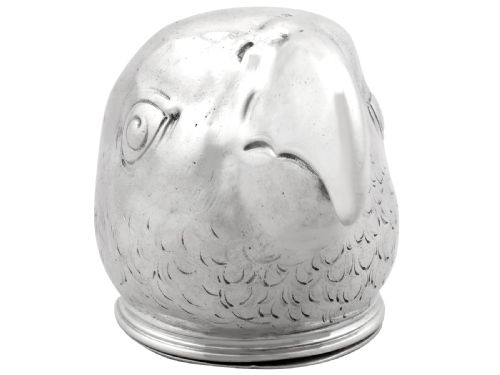


Edwardian Silver Snuff Box
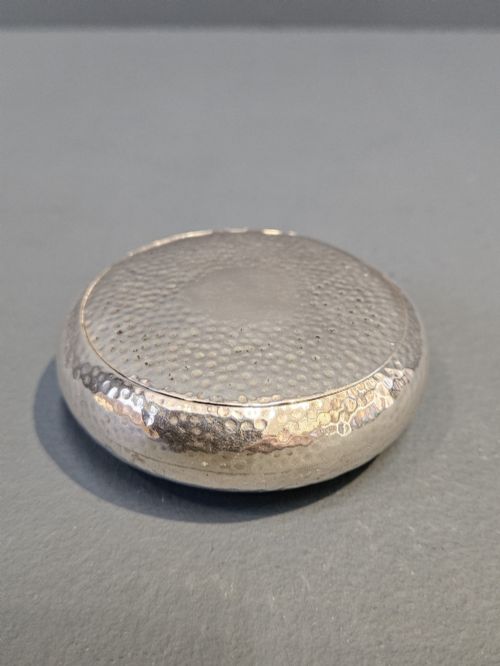
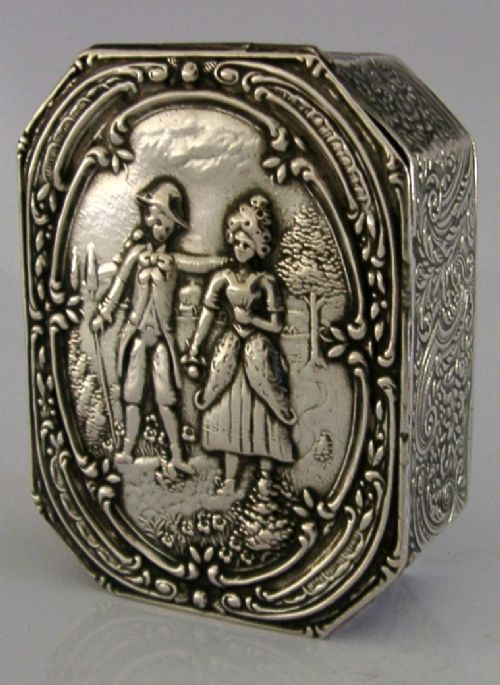
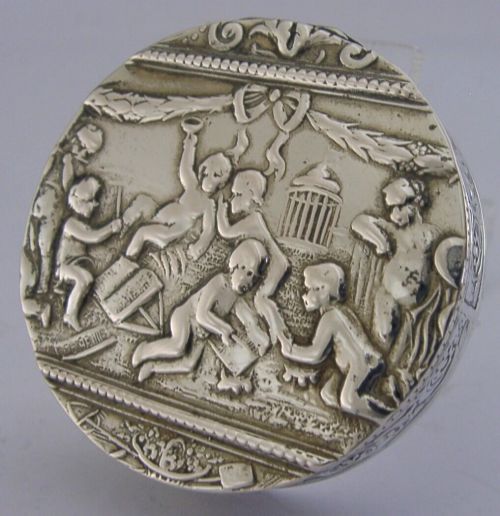
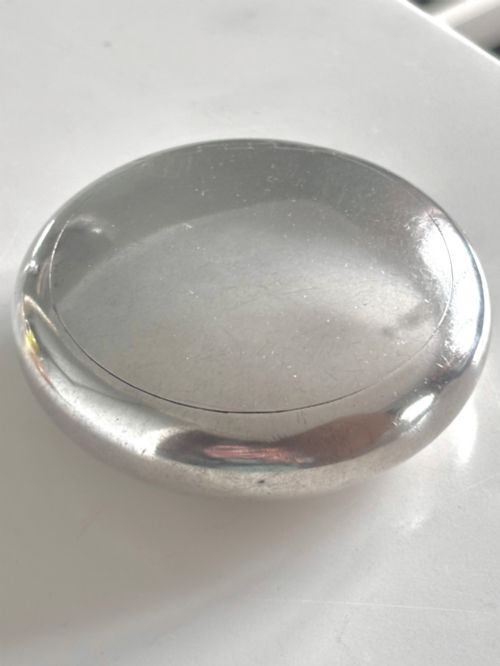
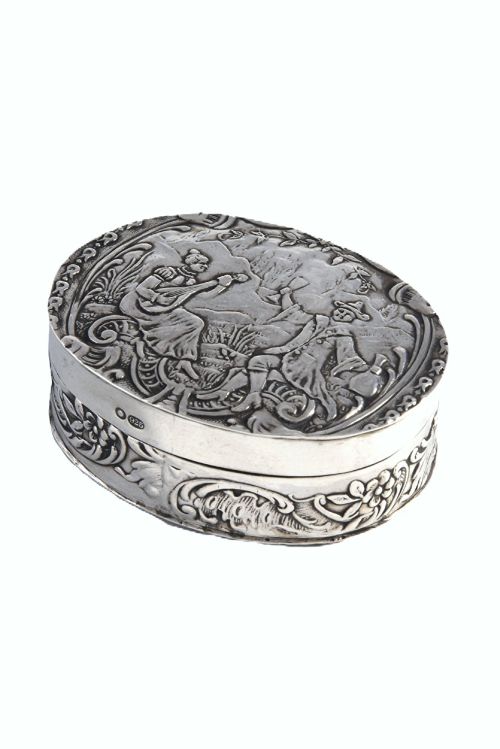
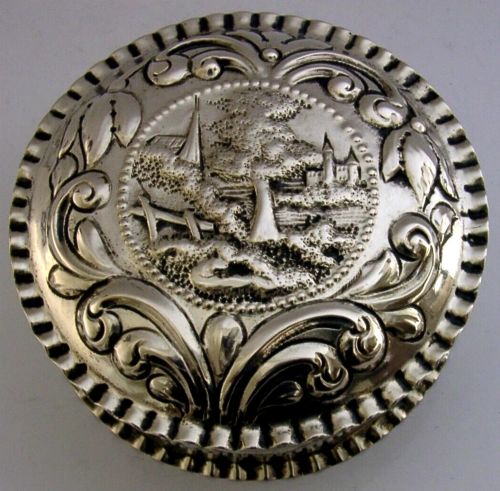
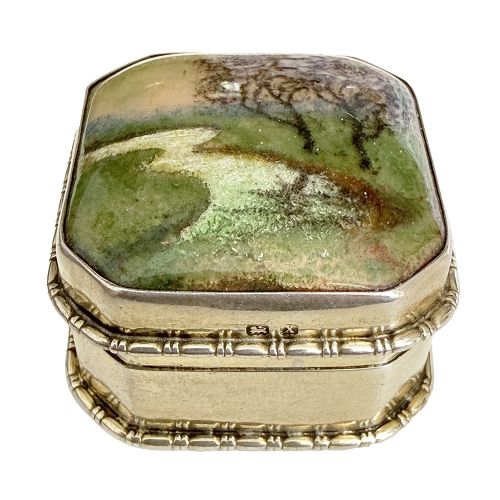
These small pocket containers are Edwardian silver snuff boxes, offering collectors tactile silver work from the early twentieth century.
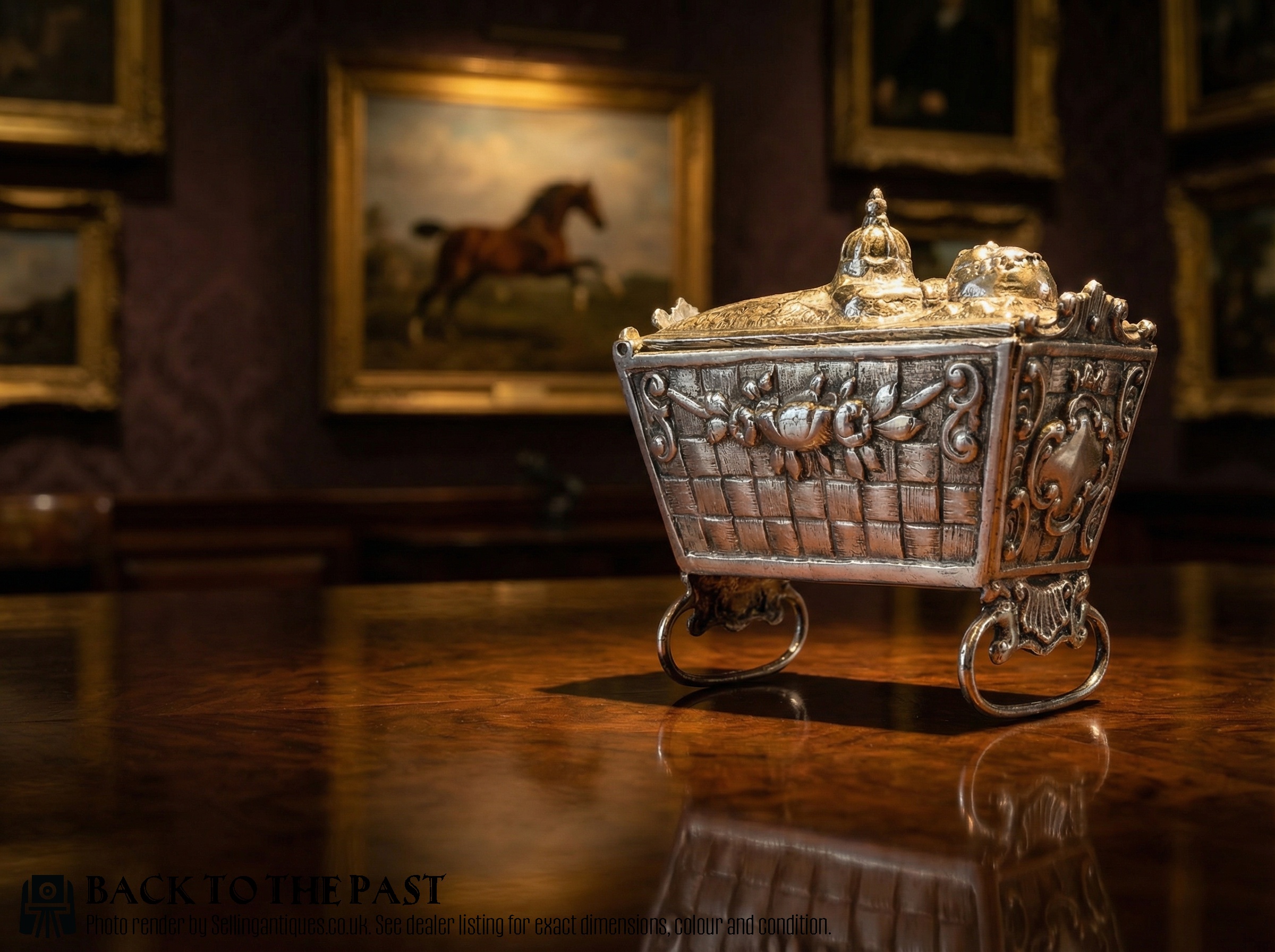
Edwardian Silver Snuff Box
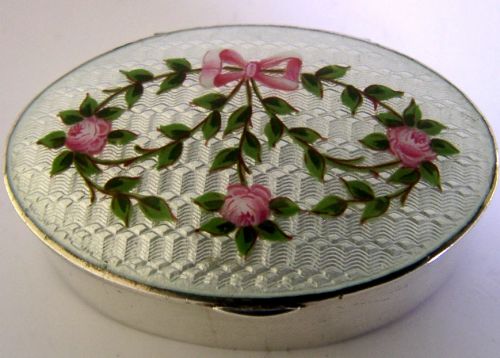
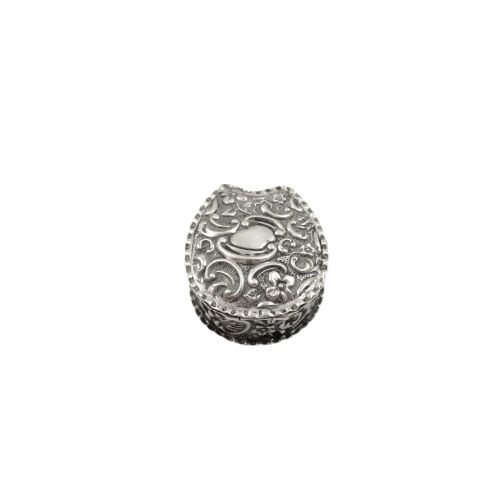
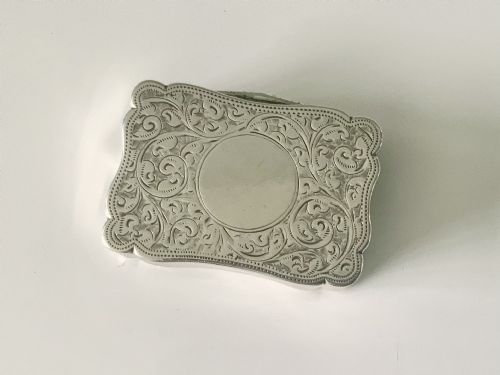
An edwardian silver snuff box is a small pocket or table container designed for holding tobacco, pills, or trinkets during the early twentieth century. You will encounter these pieces in pocket-sized rectangular formats, oval pebble shapes, and novelty animal silhouettes.
The objects span standard pocket versions to larger table snuff boxes and small pill boxes. While the edwardian period dominates, the record includes Victorian examples alongside items dated up to nineteen sixty.
Makers and assay offices across England produced these vessels, with Birmingham and Chester appearing frequently in the available items. Certain examples integrate organic elements such as mother-of-pearl or shell alongside the metalwork.
Materials and Technique
Silversmiths utilised sterling silver and solid silver for the primary body, sometimes applying silver-gilt finishes to the interior surfaces. Techniques included stamping, engraving, and incorporating novelty forms such as French bulldogs or crabs.
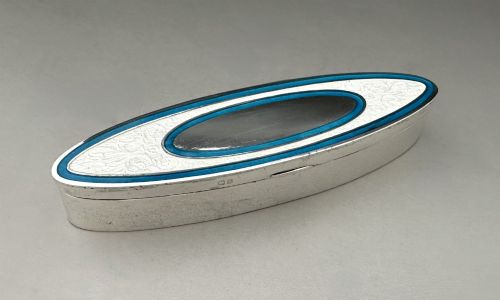
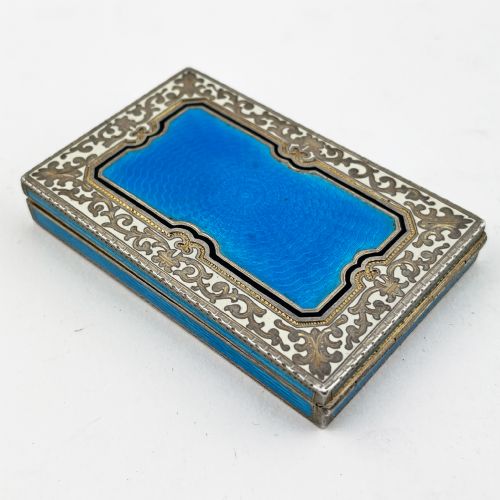
Decorative elements often involved guilloche enamel, cameo inserts, and mounted stones like garnet. Natural materials such as shell and mother-of-pearl were combined directly with the silver housings.
Retail Price Guide 2026
Typical UK retail prices for edwardian silver snuff box, calculated from the Sellingantiques database of over a million retail prices indexed since 2003. This retail price guide relies exclusively on Sellingantiques data; no external sources or auction records are used, so the figures do not describe the wider market.
Silversmiths shaped solid metal into crabs, hats, and bulldogs to hold your daily essentials.
Standards of Production
Quality rests on the crispness of the silversmith's chasing and the tightness of the hinge closure. Superior pieces maintain clean hallmarks and secure settings for inset stones or enamel work.
Novelty items rely on sculptural accuracy in forms such as animals or hats, where realistic detailing separates standard production from finer workshop output.
W Comyns·Colen Hewer Cheshire·Sampson Mordan·Walker & Hall·Thomas Hayes·George Unite·Henry Cook·Saunders & Shepherd·Zimmermans
The Edwardian Silver Snuff Box Glossary
- Sterling silver
- A silver alloy containing ninety-two point five percent pure silver by mass, forming the primary metal standard for these boxes.
- Silver-gilt
- Sterling silver that has been coated with a thin layer of gold on the interior surface, providing contrast and protection against corrosion.
- Guilloche enamel
- Decorative enamel applied over engine-turned metal engraving, creating geometric patterns visible beneath a translucent coloured glass layer.
- Assay office
- A statutory body that tests the purity of precious metals and stamps items with official hallmarking symbols indicating origin and year.
Frequently Asked Questions
What is an edwardian silver snuff box?
It is a small lidded container made of silver during the edwardian era, originally intended for carrying dry snuff for nasal consumption.
Over time, many of these pocket containers transitioned to holding pills, mints, or small trinkets while retaining their hinged lids and compact proportions.
How do I date these silver boxes?
Dating relies on the hallmark stamped into the metal, which indicates the assay office, standard mark, and a specific date letter for the year of production.
Style also provides guidance, as edwardian pieces often show specific early twentieth-century decorative motifs that distinguish them from Victorian or later items.
Were all these boxes used for snuff?
While the primary historical purpose was tobacco storage, makers also produced equivalent vessels specifically designated as pill boxes or trinket boxes.
Many pocket containers served multiple functions depending on the owner's habits, holding small personal items alongside or instead of tobacco.
How should I clean edwardian silver?
Maintenance requires minimal intervention using a soft cloth to remove dust without abrasive polishes that can wear down engraved details or hallmarks.
Special care must be taken with pieces featuring enamel, shell, or gilt interiors to avoid damaging delicate surface treatments.