


Antique Silver Snuff Container
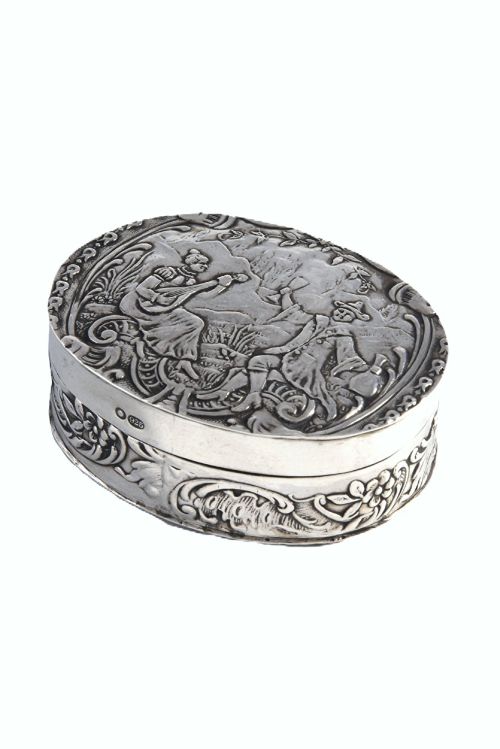
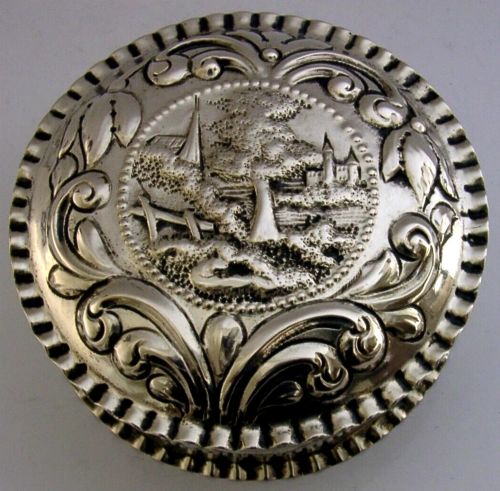
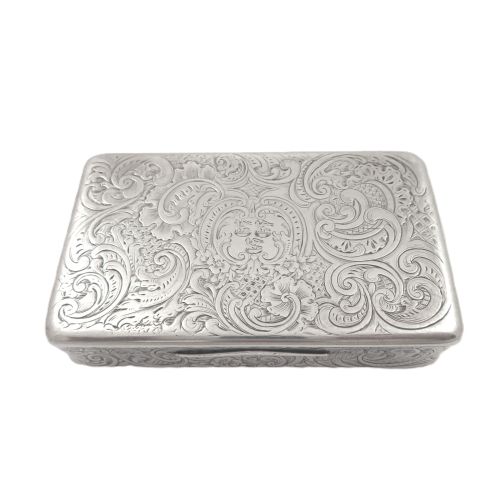
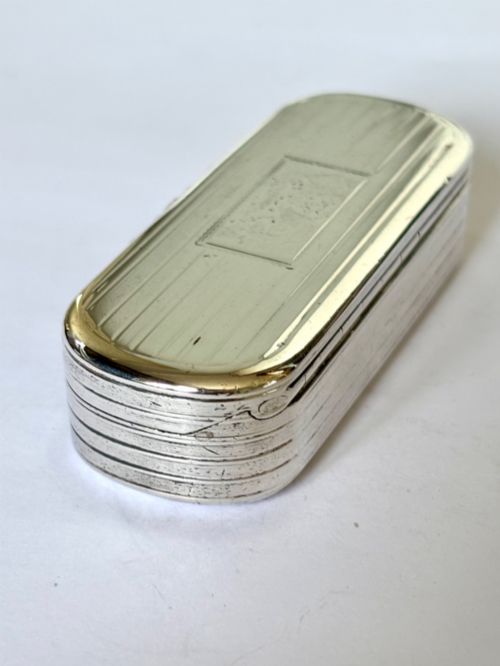
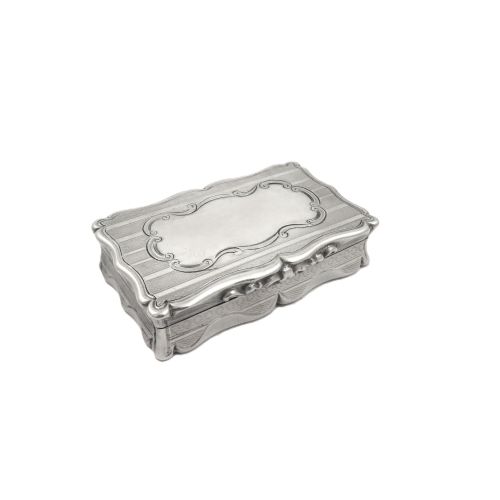
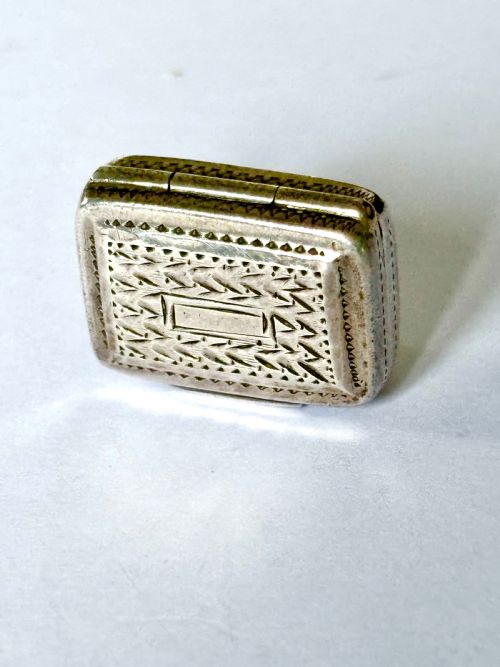
An antique silver snuff container is a pocket-sized vessel designed for tobacco, meeting demand from collectors of small Georgian and Victorian metalwork.
Antique Silver Snuff Container
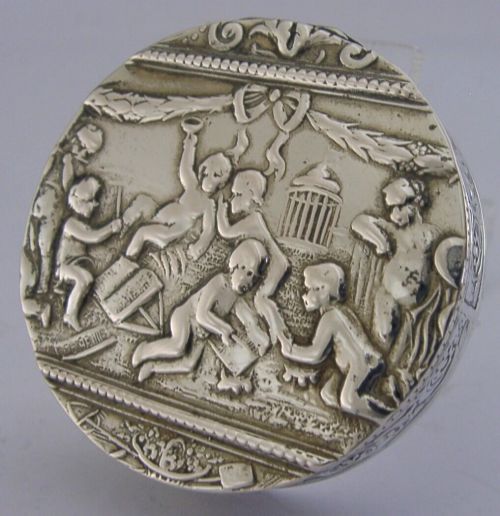
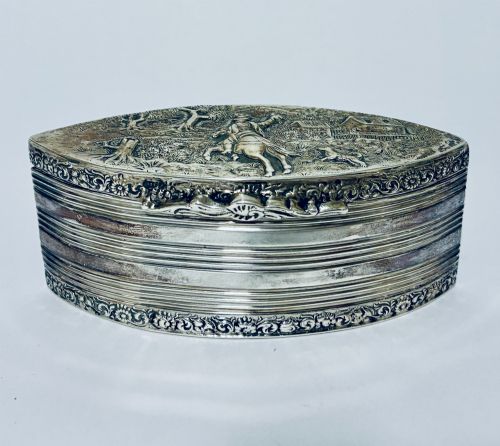
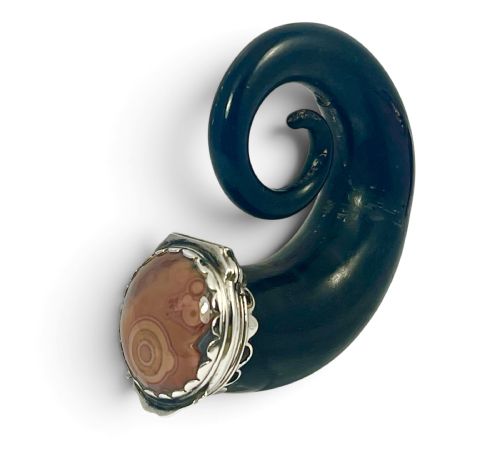
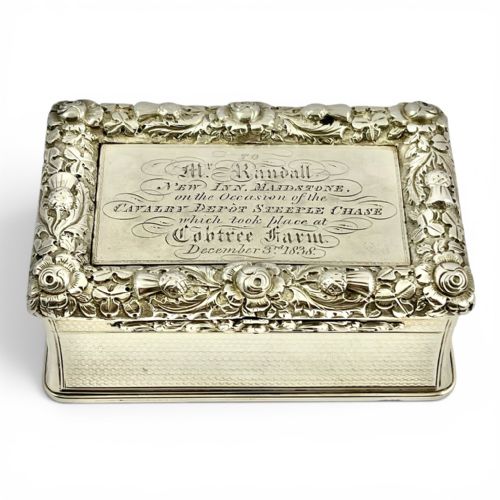
The most common examples on this page are compact silver boxes originating from Birmingham and London workshops, alongside Scottish horn mulls mounted in silver. Table boxes and smaller novelty shapes appear less frequently but share the same period origins.
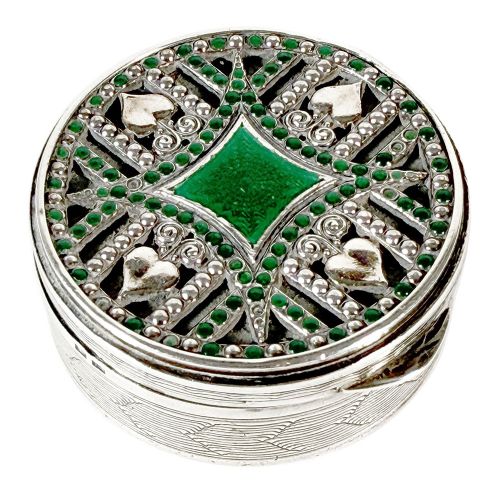
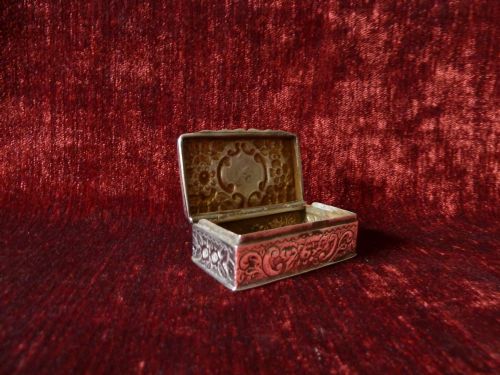
Makers shaped these containers in rectangular, round, and figural forms, occasionally incorporating hinged lids, double lids, or internal pierced grilles for scent-soaked sponges. Every piece serves as a tactile survivor of a time when snuff-taking commanded social ritual.
Distinctions in Quality
The distinction between standard containers and superior examples lies in the crispness of the chased decoration and the precision of the hinge work. Master silversmiths achieved tight, flush closures that remain functional after generations of use.
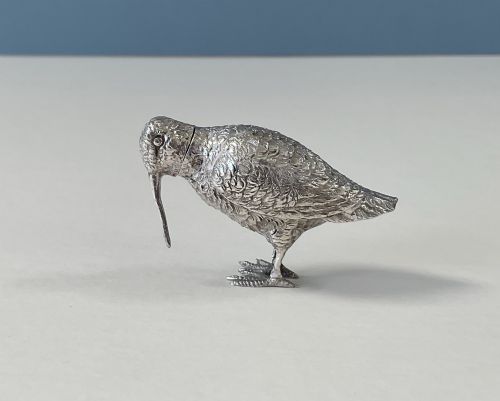
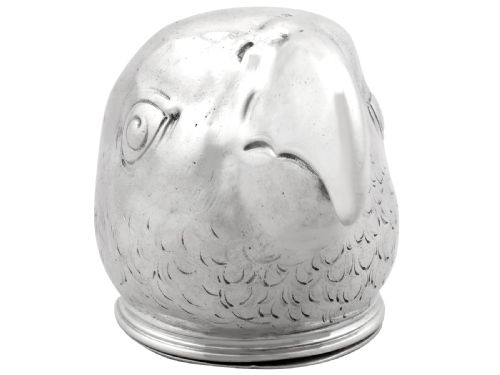
Extraordinary pieces demonstrate sculptural ambition, such as figural animal forms, articulated bodies, or cast castle-top scenes depicting specific buildings in high relief. The integration of precious stones or inscribed family crests further separates workshop output.
George Adam Scheid·Robert Thornton·John Bettridge·William Eaton·Asprey·Frederick Mason·Pemberton·James Phipps I·Nathaniel Mills
The Antique Silver Snuff Container Glossary
- Vinaigrette
- A small hinged box containing a perforated internal grill, designed to hold a sponge soaked in aromatic vinegar. These date predominantly from the Georgian and Victorian eras.
- Snuff mull
- A container made from animal horn, often mounted with silver rims, shields, and lids. Scottish examples frequently feature a curled or natural horn shape.
- Castle-top
- A style of silver box lid featuring a high-relief chased depiction of a specific British building or landscape. Birmingham makers produced notable examples during the nineteenth century.
- Engine-turning
- A decorative mechanical technique that engraves intricate, precise geometric patterns into the surface of metal. It provided texture and reduced the visibility of minor fingerprints.
Antique Silver Snuff Container: Frequently Asked Questions
What is an antique silver snuff container?
These pieces are small pocket or table receptacles made to hold dry powdered tobacco for inhalation. Silversmiths formed them from sterling silver, frequently pairing the metal with horn, tortoiseshell, or mother-of-pearl.
They emerged as essential personal accessories during the Georgian and Victorian periods. Today, collectors value them for their intricate engraving and varied regional forms.
Were these containers used only for tobacco?
While primary production served tobacco users, many small boxes accommodated pills, breath-freshening lozenges, or aromatic vinegars. Makers adapted standard box designs to suit personal medical needs or vanity items.
Items designated as pill boxes or trinket boxes share similar dimensions and hinge mechanisms with snuff containers.
How do I date an antique silver box?
British silver bears hallmarks stamped directly into the metal, including assay office symbols, date letters, and maker's marks. These stamps provide precise years for items produced in cities like Birmingham and London.
Stylistic shifts, such as the transition from plain Georgian surfaces to ornate Victorian cast scenes, offer secondary clues when hallmarks are rubbed.
How should I care for an antique silver box?
Store containers in a stable environment away from extreme humidity to protect organic elements like horn and tortoiseshell. Avoid harsh chemical dips that strip away historical patina from recessed engravings.
Gentle cleaning with a soft microfibre cloth preserves the original surface finish and ensures hinges remain unstressed.