

Victorian Sterling Silver Box
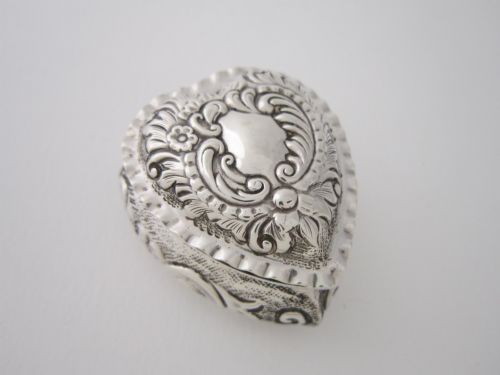
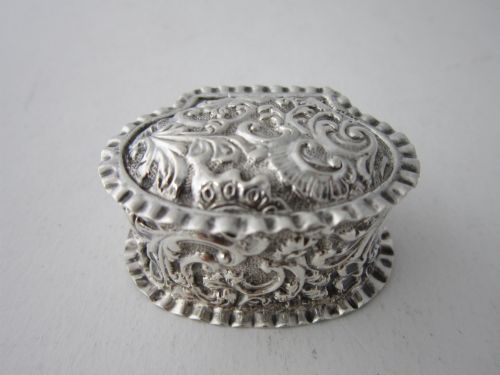
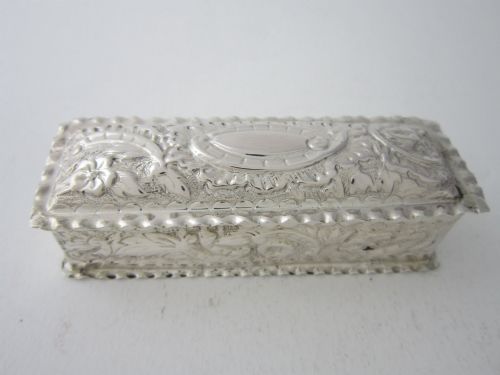
When choosing a victorian sterling silver box, you select a small receptacle shaped for snuff, trinkets, or tea, formed during the nineteenth century.
Victorian Sterling Silver Box
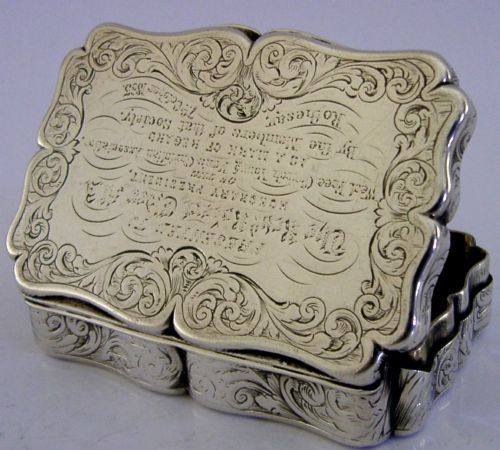
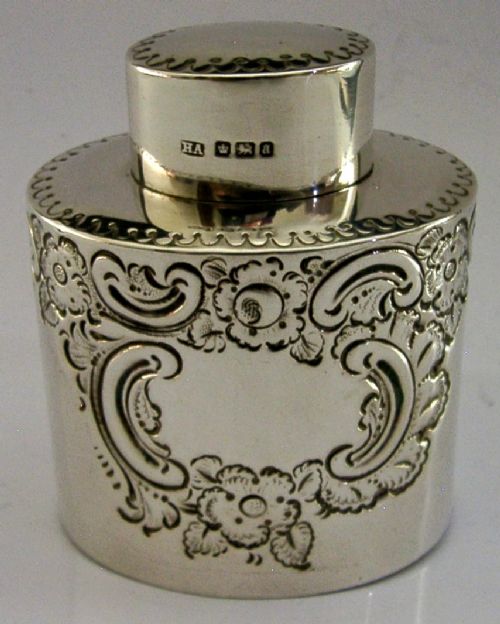
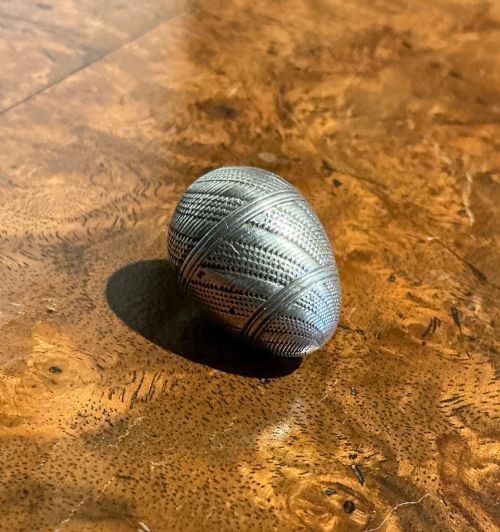
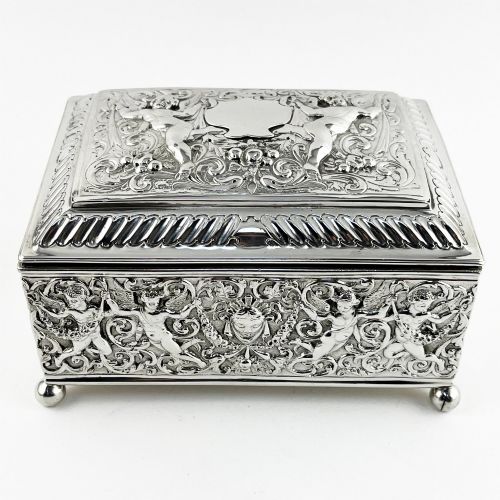
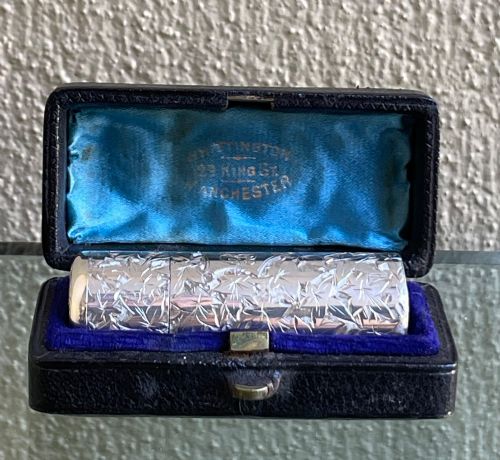
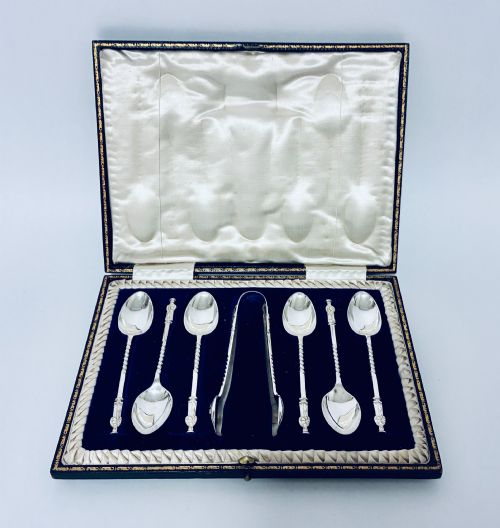
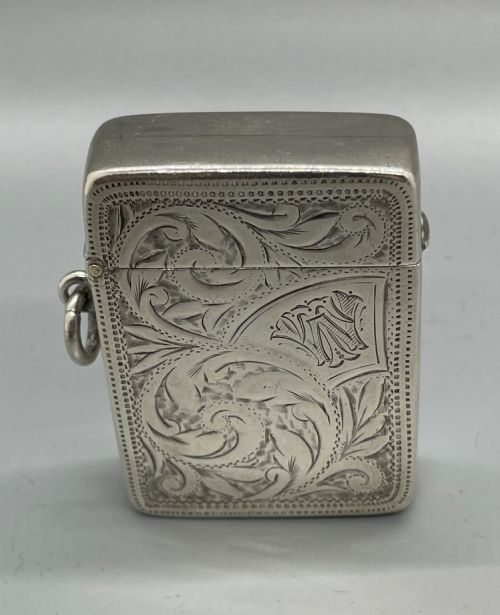
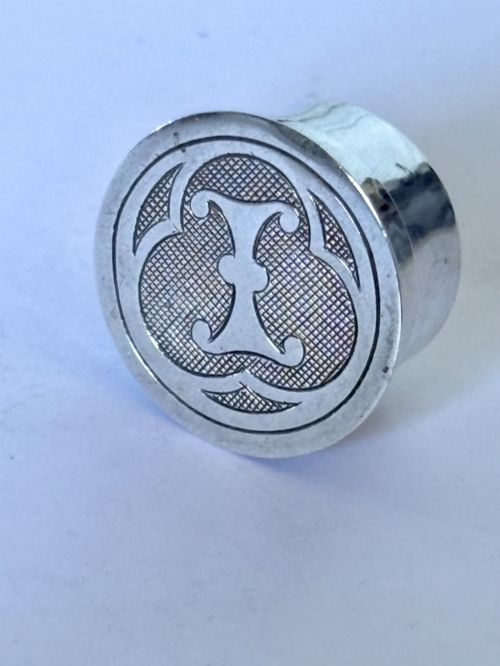
A victorian sterling silver box encompasses a range of small lidded containers designed for domestic or personal use. The selection spans snuff boxes, trinket receptacles, card cases, tea caddies, and vinaigrettes.
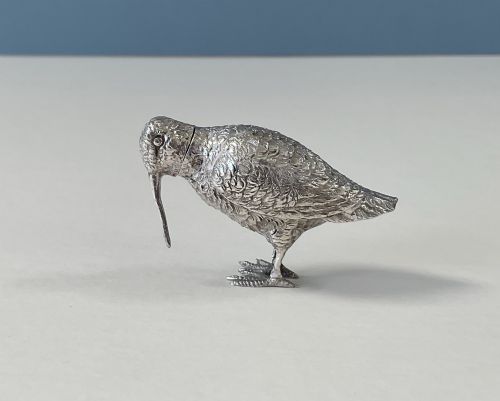
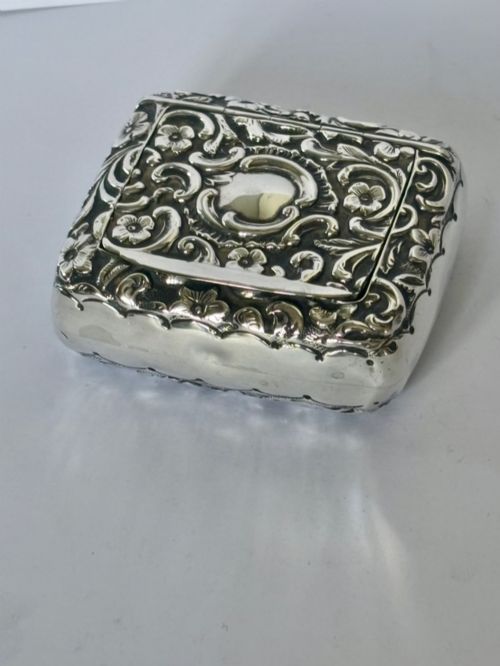
Trinket boxes and snuff boxes appear most frequently in the listings, alongside specialty forms like heart-shaped receptacles, novelty animal items, and table boxes. These objects reflect the varied social habits of the nineteenth century.
Many examples originate from English assay offices, carrying date letters and maker's marks that anchor their production within the Victorian period.
Evaluating the Pieces
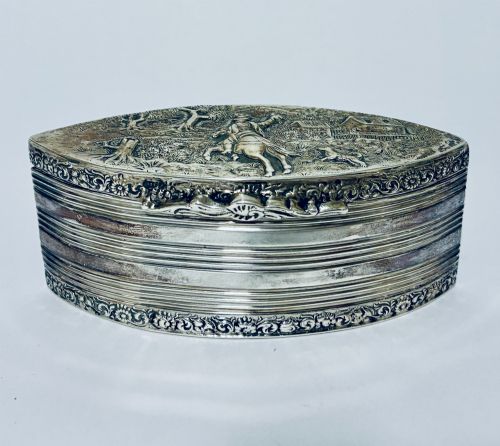
Quality rests upon the crispness of the chasing and engraving, especially visible on castle top scenes, floral motifs, and armorial crests. Heavy gauge metal contributes to a more substantial weight in the hand.
The execution of specialised forms, such as novelty items or articulated fish spice boxes, demonstrates the technical capability of the silversmith. Integrated gilt interiors and secure, well-fitting hinges further distinguish finer works from standard production.
Maker marks from prominent workshops or specific assay locations provide an indication of origin that influences collector interest.
Victorian Sterling Silver Box Retail Price Guide 2026
Typical asking prices for victorian sterling silver box among the pieces listed under this phrase on Sellingantiques today, from the lower quarter to the upper quarter. They describe what is for sale here now, not the wider market.
Fish-shaped spice boxes manage to wiggle their silver tails across more than a century of dining history.
Nathaniel Mills·Henry Matthews·Edward Smith·Robert Thornton·William Comyns·Sampson Mordan & Co·Alfred Taylor·George Unite·Horton & Allday
The Victorian Sterling Silver Box Glossary
- Sterling silver
- A silver alloy containing 92.5 percent pure silver by mass and 7.5 percent other metals, usually copper, ensuring durability for domestic containers.
- Vinaigrette
- A small ornamental box featuring an internal pierced grille, designed to hold a sponge soaked in aromatic vinegar.
- Silver gilt
- Sterling silver that has been coated with a thin layer of gold on its interior surfaces.
- Assay mark
- A stamp indicating the purity of the metal, the town of testing, and the year of manufacture.
- Castle top
- An engraved or embossed pictorial lid depicting a specific architectural landmark or historic building.
Victorian Sterling Silver Box: Frequently Asked Questions
What were small silver boxes used for?
These containers served specific personal functions in daily Victorian life, such as holding dry snuff, keeping postage stamps, or securing visiting cards.
Interior compartments and fitted trays also accommodated sewing tools, pins, or personal jewellery.
How do I identify a Victorian piece?
Examination of the hallmarks stamped on the metal provides the definitive date of manufacture, often including a town mark and a sequential date letter.
Stylistic indicators such as floral repoussé work or Gothic revival motifs also point directly to the nineteenth century.
How should I clean silver boxes?
Routine maintenance requires a soft cloth to remove dust and mild tarnishing without abrasive compounds that might wear down engraved details.
Lined interiors made of velvet or silk need protection from moisture and cleaning agents during the process.