

Antique Silver Trinket Pot
An antique silver trinket pot is a small lidded vessel designed for dressing tables, offering both charm and practical storage for precious personal items.
Understanding the antique silver trinket pot
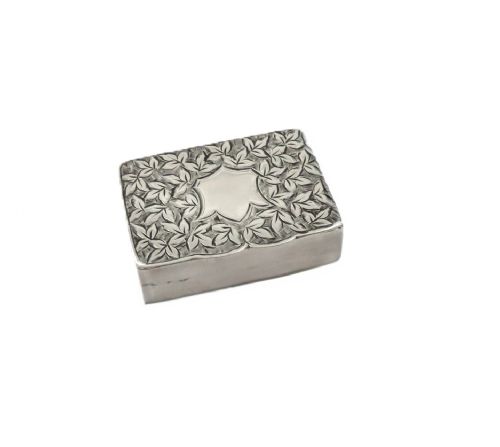
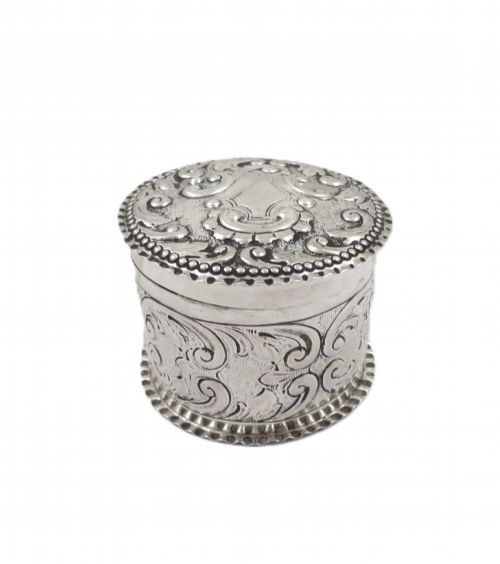
An antique silver trinket pot brings together several forms spanning dressing table jars, vanity pots, pill boxes, and etuis. These vessels originate from the Victorian and Edwardian periods, stretching back through the nineteenth century.
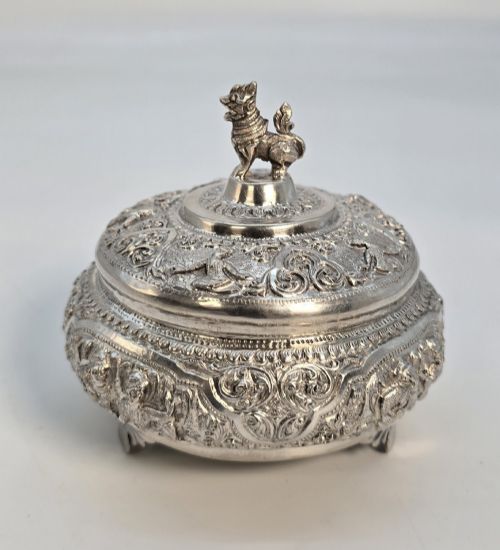
Most examples found on this page date from the late nineteenth century and the opening decades of the twentieth century. Buyers encounter various regional origins and stylistic influences, from British provincial towns to continental European workshops and the Raj period in India.
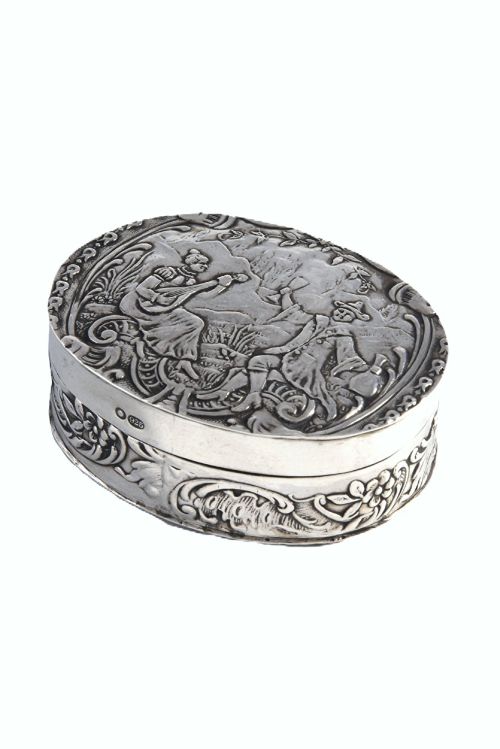
The primary function of these small lidded containers was to sit upon a dressing table or vanity surface, holding rings, pins, and small keepsakes. They serve as tangible links to historical domestic routines and personal grooming habits.
Materials and construction methods
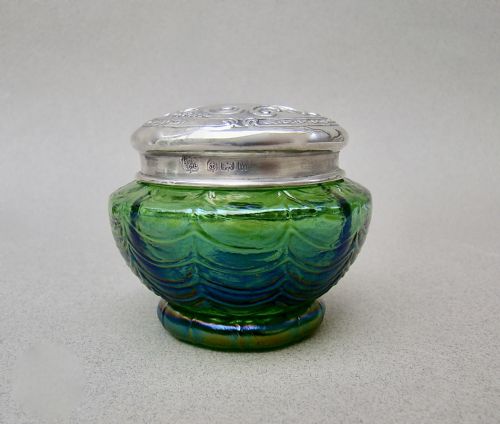
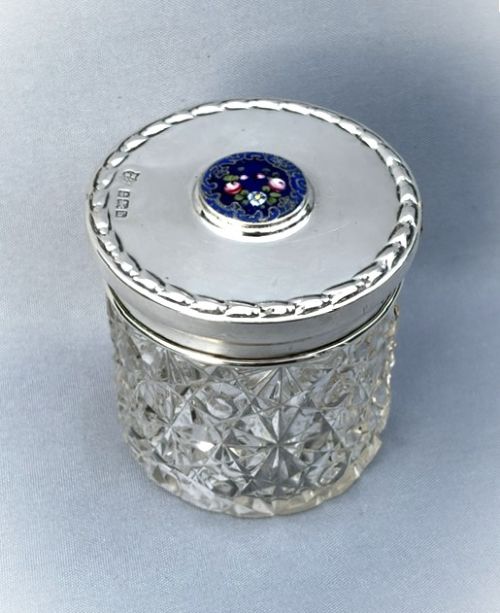
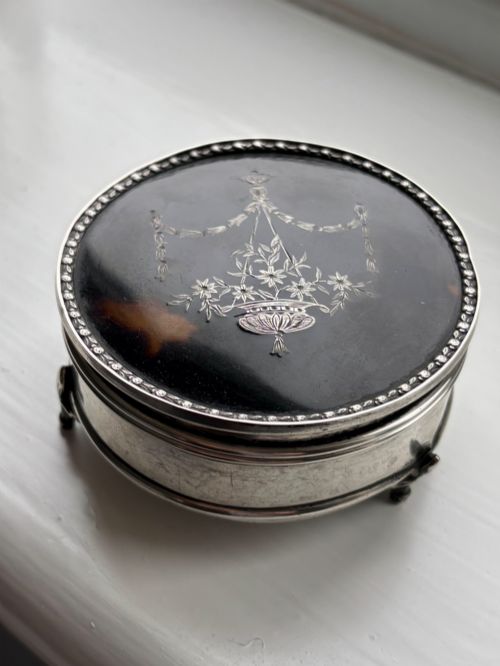
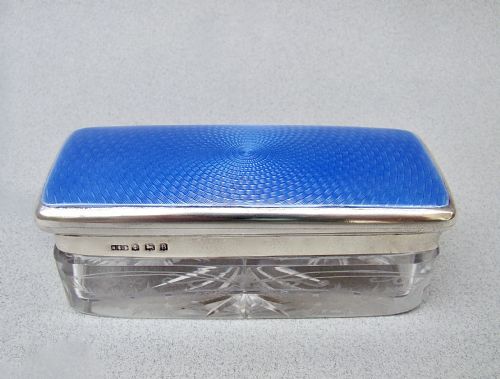
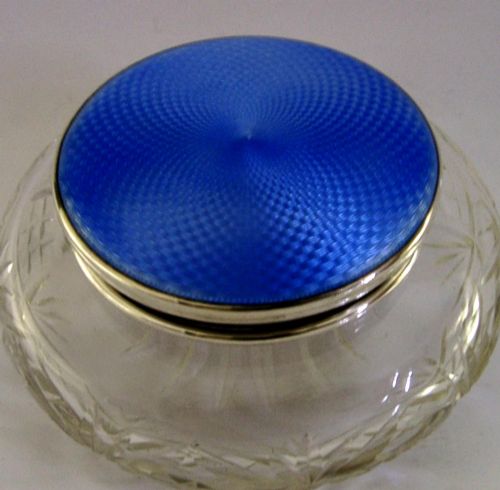
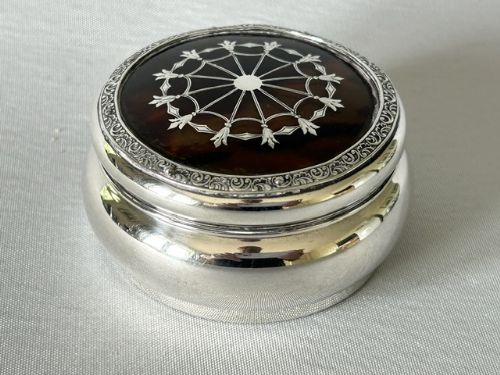
Makers utilised sterling silver, solid silver, and silver gilt alongside base metals or precious overlays. Many pieces combine silver mounts with organic materials like tortoiseshell featuring pique work, or vitreous enamels applied to the metal surface.
Retail Price Guide 2026
Typical UK retail prices for silver trinket pot, calculated from the Sellingantiques database of over a million retail prices indexed since 2003. This retail price guide relies exclusively on Sellingantiques data; no external sources or auction records are used, so the figures do not describe the wider market.
Listings feature items from the Victorian and Edwardian periods, incorporating sterling silver, tortoiseshell, enamel, and cut glass.
Separating ordinary from exceptional pieces
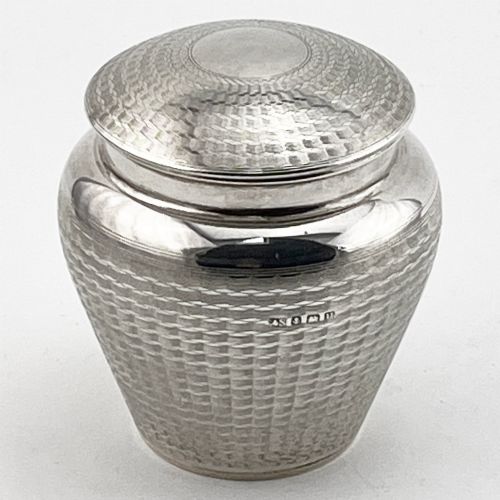
Quality rests in the harmony of materials and the crispness of decorative detail, such as the precision of guilloche engraving or the delicacy of pique work on tortoiseshell. Heavier gauges of silver and intact, unblemished enamel elevate a piece significantly above standard production.
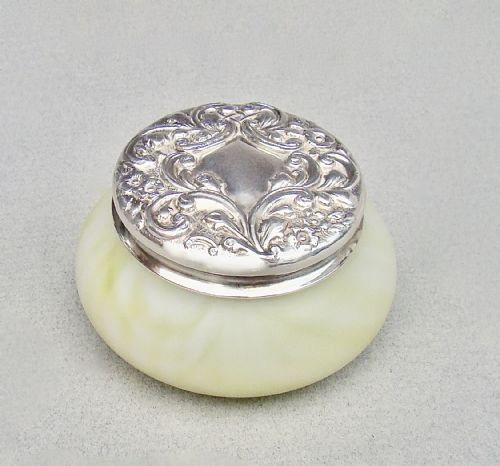
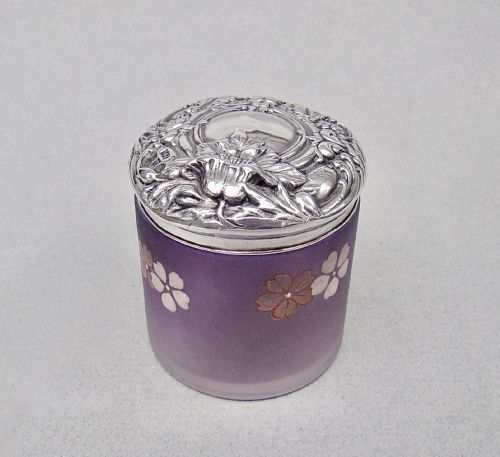
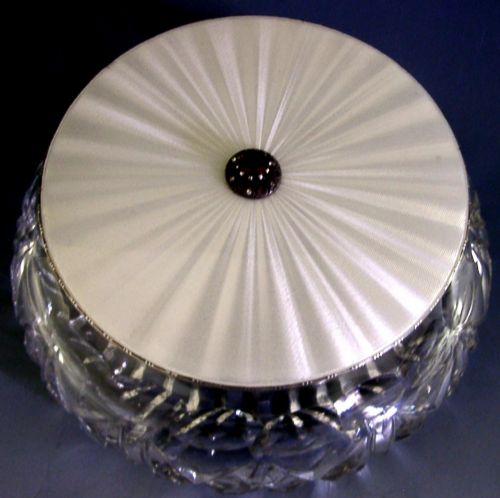
The integration between lid and body demonstrates the maker's skill, particularly where mixed materials like glass, tortoiseshell, and silver meet. Pieces retaining their original gilding or vermeil show superior preservation and original workshop standard.
Asprey and Co.
The Antique Silver Trinket Pot Glossary
- Pique work
- A decorative technique involving tiny gold or silver pins inlaid into tortoiseshell or ivory. This painstaking method creates intricate geometric or floral patterns across the surface.
- Guilloche
- A decorative engraving technique where a precise mechanical pattern is etched into a metal surface. Enamel is frequently applied over this pattern to create translucent waves of colour.
- Vermeil
- Sterling silver coated with a thin layer of gold. This treatment provides the rich appearance of solid gold while utilising a silver base.
- Etui
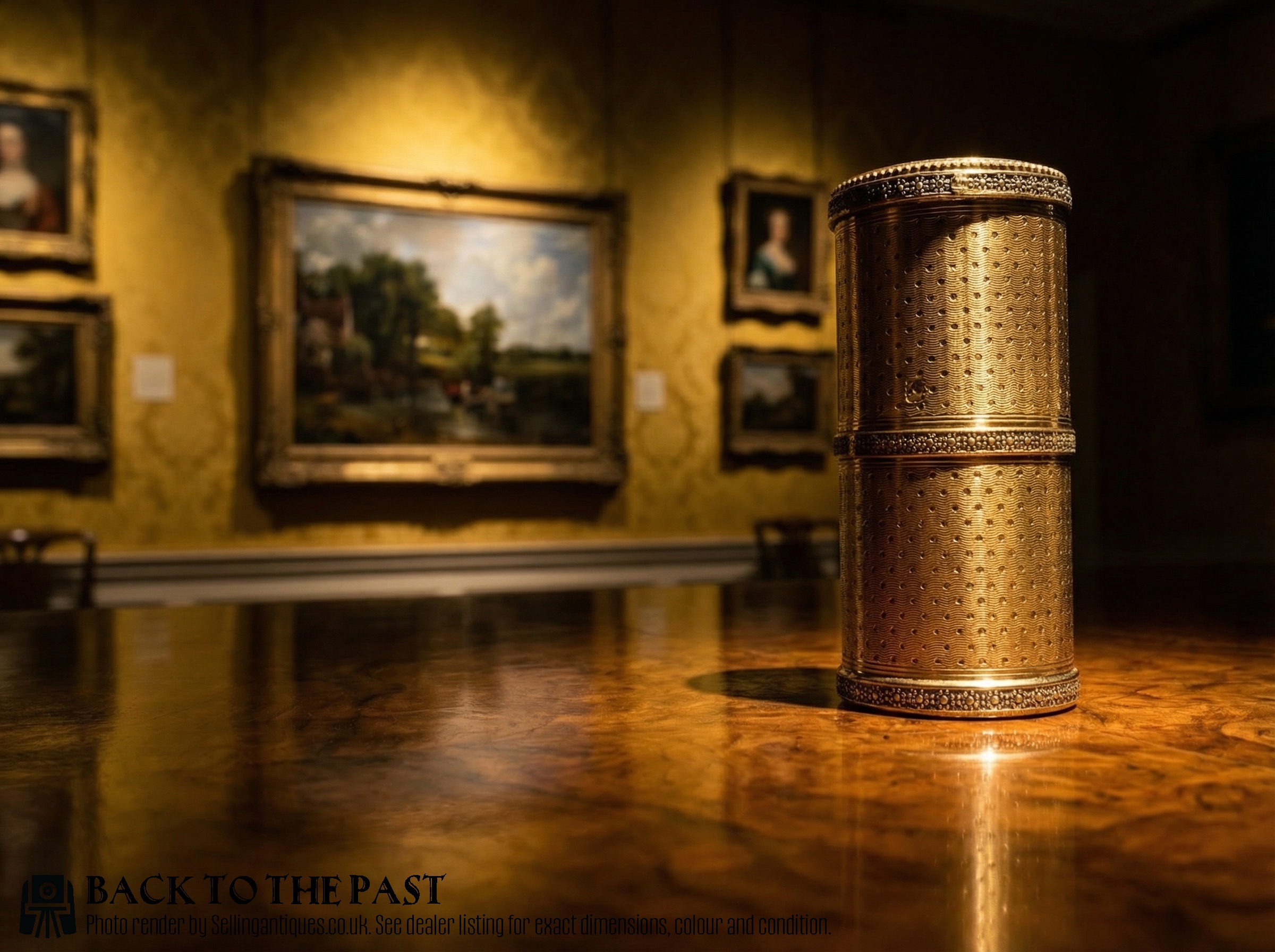
- A small ornamental case used to hold needles, cosmetics, or small instruments. These cylindrical vessels reflect meticulous nineteenth-century metalwork.
- Trinket box
- A small lidded container designed for holding personal ornaments and jewellery. They appear in various geometric shapes, including heart-shaped and cylindrical forms.
Frequently Asked Questions
What is an antique silver trinket pot used for?
These small containers held personal items such as rings, pins, and cosmetics on dressing tables.
They served both a decorative function in Victorian and Edwardian bedrooms and a practical purpose for daily grooming.
How do I identify an Edwardian silver trinket pot?
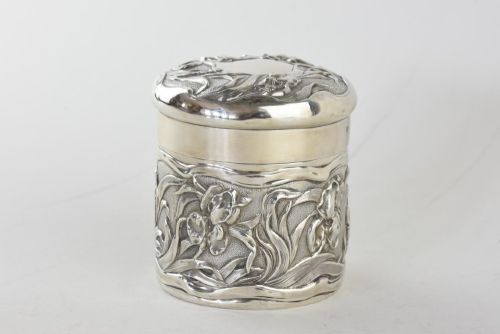
Edwardian pieces often feature stylistic influences like Art Nouveau alongside traditional silver mounts.
Assay marks and date letters stamped on the metal provide precise confirmation of the manufacturing period.
What materials are combined with silver in these pots?
Makers frequently paired silver with cut glass, frosted glass, coloured enamel, and tortoiseshell.
Some examples also utilise vermeil and delicate pique work inlay to enhance the visual appeal.
Where were these dressing table jars made?
Originating from various regions, these objects include British provincial pieces, French cylindrical etuis, and Indian silver jars from the Raj period.
Local assay offices and stylistic markers usually indicate the specific geographic origin.