


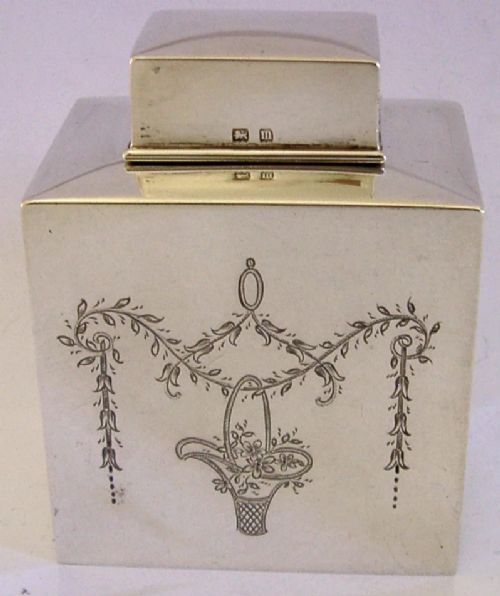
Edwardian Silver Container
An edwardian silver container brings together domestic utility and decorative metalwork, offering a refined resting place for small personal valuables.
Edwardian Silver Container
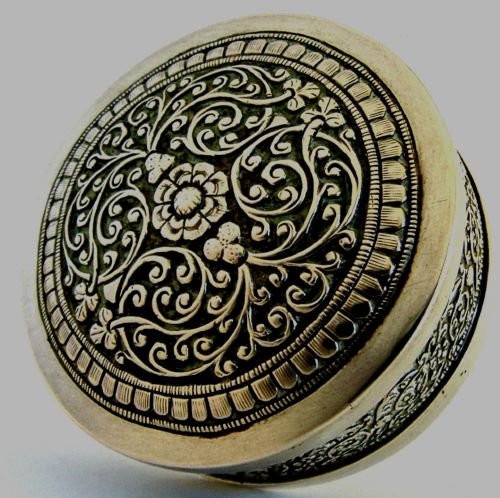
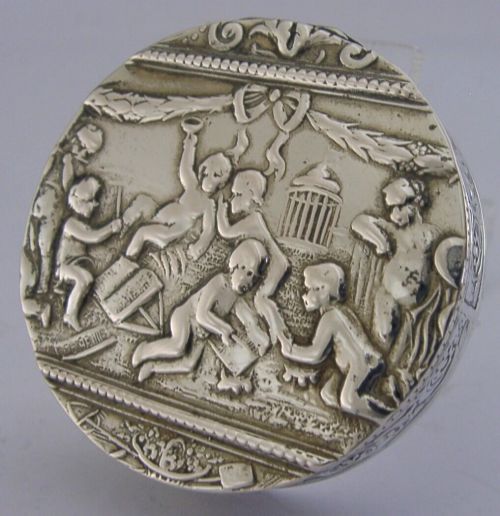
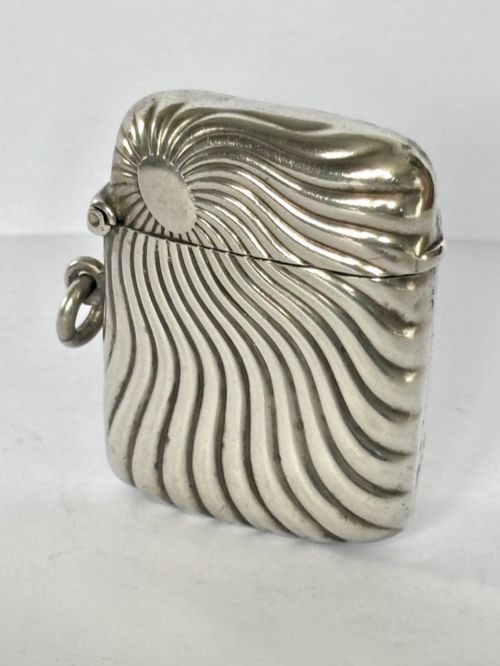
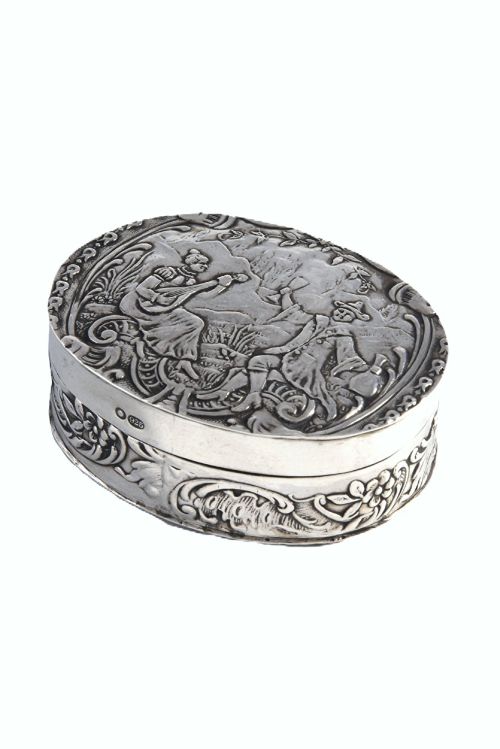
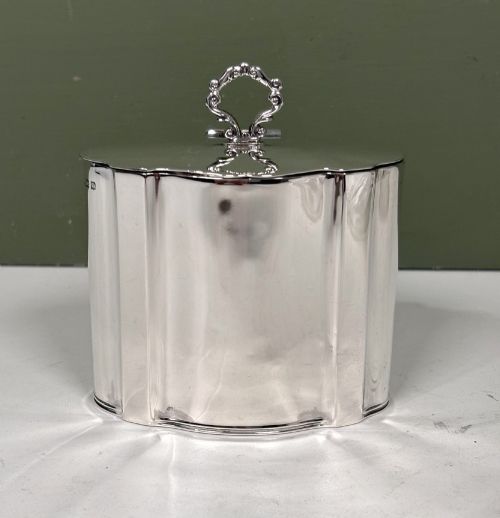
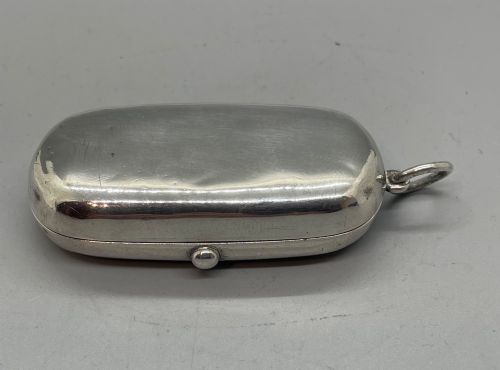
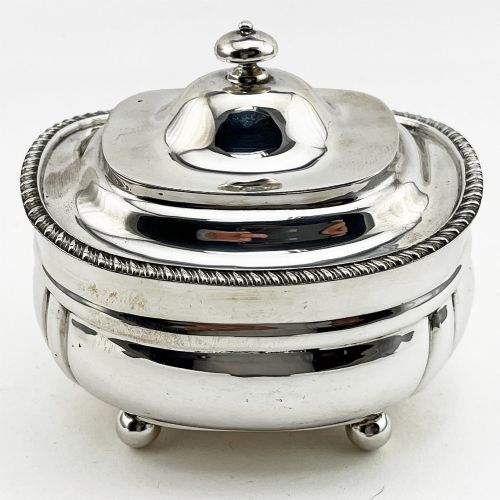
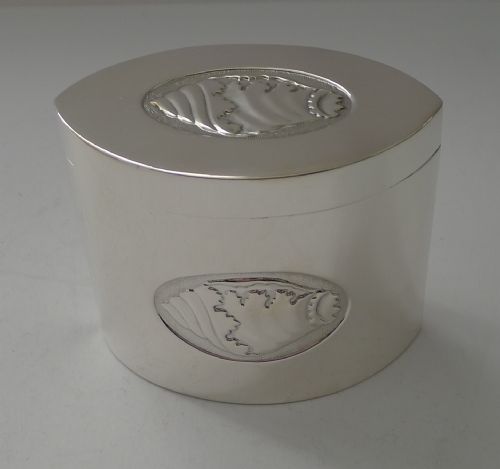
When you search for an edwardian silver container, you encounter a diverse group of receptacles designed for domestic and personal use. The selections on this page span trinket boxes, tea caddies, biscuit barrels, vesta cases, and dressing table jars.
The objects originate primarily from the Edwardian period and the surrounding decades of the early twentieth century, alongside occasional Victorian pieces. Makers utilised sterling silver, silver plate, glass, cut glass, leather, and mother of pearl to construct these functional items.
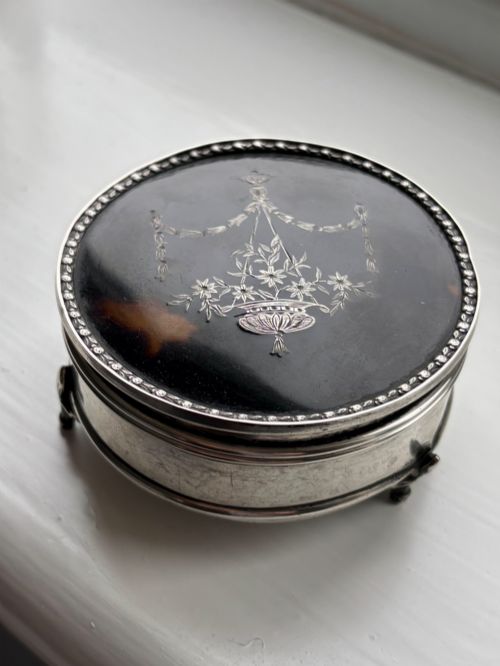
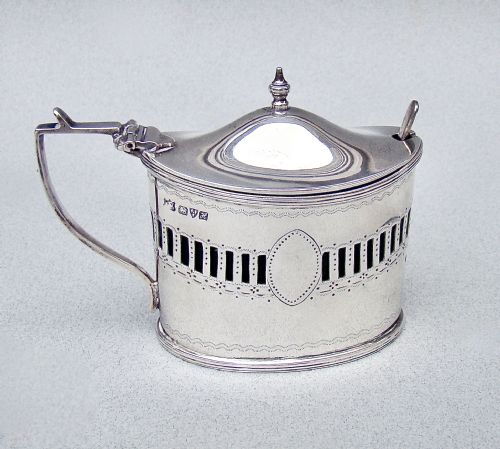
Forms vary from small pocket vesta cases and pill boxes to larger table boxes, tea caddies, and condiment pots. Many items combine silver mounts with contrasting materials such as glass, tortoiseshell, or ceramic bodies.
How They Were Made
Silversmiths shaped sterling silver and silver plate through techniques including stamping, piercing, chasing, and repousse work. Many boxes incorporate hinged lids, cast decorative mounts, and gilt interiors applied to the base metal.
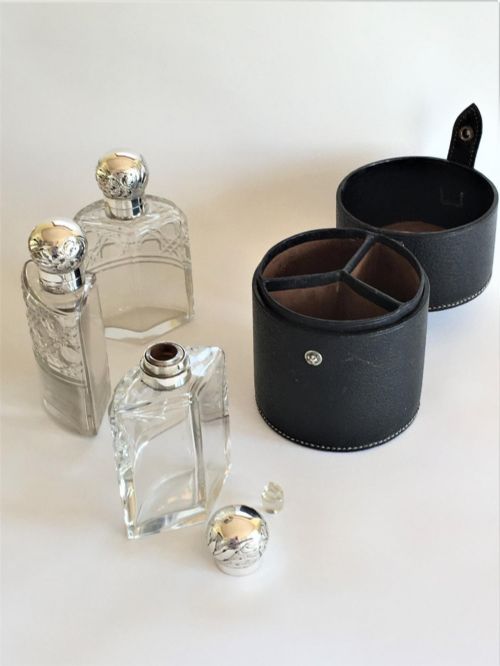
Receptacles combining glass and silver utilise cut glass bodies, hobnail cutting, or frosted finishes fitted with hallmarked silver collars and lids. Other variations integrate leather, mother of pearl, or pique work panels into the silver framework.
Edwardian Silver Container Retail Price Guide 2026
Typical asking prices for edwardian silver container among the pieces listed under this phrase on Sellingantiques today, from the lower quarter to the upper quarter. They describe what is for sale here now, not the wider market.
Listings feature sterling silver, silver plate, cut glass, leather, and mother of pearl across various box and container forms.
What Varies in Quality
The distinction between standard utility items and exceptional pieces rests upon the crispness of the chasing, the weight of the silver, and the complexity of the design. Pierced work and figural scenes demand higher levels of artisan skill than plain polished surfaces.
The integration of secondary materials such as tortoiseshell, enamel, or intricately cut crystal alters the character of the piece. Maker attribution and clear hallmarks from established silversmiths further differentiate the items.
Aaron Lufkin Dennison·Ollivant and Botsford·Alfred Marston·Robert Chandler·FA Barrett·Zimmermann·Levi and Salaman·Thomas Hayes·WMF·Asprey and Co·Walker and Hall·William Hutton and Sons Ltd·Hukin and Heath·Thomas Bradbury
The Edwardian Silver Container Glossary
- Sterling silver
- A standard alloy consisting of ninety-two point five percent silver by mass, with the remainder composed of copper or other metals. This alloy provides the durability required for functional domestic boxes and cases.
- Vesta case
- A small pocket container designed to hold matches and keep them dry. These cases typically feature a striker on the base and a spring-loaded hinged lid.
- Tea caddy
- A receptacle originally utilised for storing loose tea leaves securely. Examples from this era often feature internal lids and decorative hallmarks.
- Pique work
- A decorative technique involving inlaid points or patterns of gold or silver into tortoiseshell or ivory surfaces. This method creates delicate geometric or floral motifs on small trinket boxes.
- Pyx box
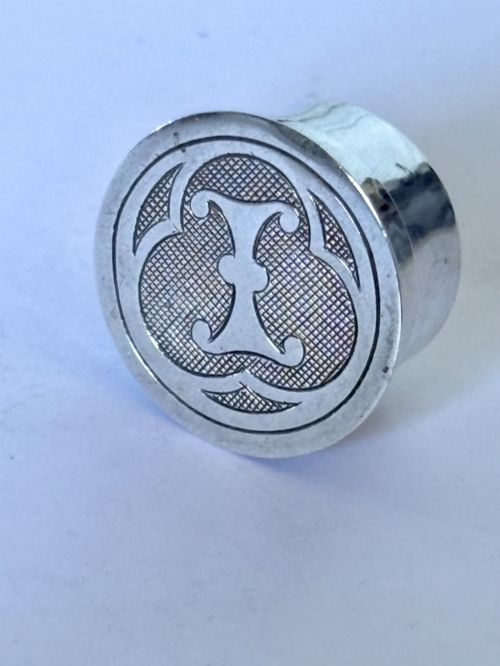
- A small round container historically used for religious purposes to carry consecrated hosts. In secular contexts, these take the form of compact, tightly sealed circular boxes.
Edwardian Silver Container: Frequently Asked Questions
What was the original purpose of a vesta case?
A vesta case served as a pocket-sized container for holding safety matches before the widespread availability of lighters. Gentlemen and ladies carried them daily to light pipes, cigars, or candles.
These cases feature a rough corrugated striking surface on the bottom for igniting the match upon removal. Their compact dimensions allowed them to fit easily into pockets or attach to chatelaines.
How do I identify an Edwardian silver piece?
Identification relies upon examining the hallmarks stamped directly into the silver metal. These marks typically include a standard purity mark, a town assay office symbol, and a date letter.
Edwardian items date from the reign of King Edward VII between 1901 and 1910, though pieces from immediately adjacent years often share the same aesthetic characteristics.
What is the difference between a trinket box and a dressing table box?
Trinket boxes are small, portable receptacles intended for storing rings, brooches, and personal jewellery. They frequently feature lined interiors and ornate lids.
Dressing table boxes are generally larger containers designed to sit permanently on a vanity. They often combine glass or tortoiseshell bodies with heavy silver mounts to hold hairpins, cosmetics, or trinkets.
How should I clean silver containers safely?
Cleaning requires a soft microfiber cloth and a mild, non-abrasive silver polish formulated to remove tarnish without harming the metal. Gentle application preserves the crisp details of engraved or chased decoration.
Harsh chemical dips or abrasive scrubbing should be avoided, particularly on pieces with glass, tortoiseshell, or fabric-lined interiors. Regular light dusting prevents heavy tarnish accumulation.