
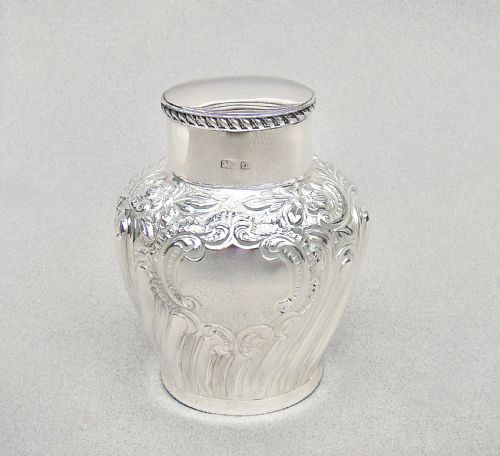
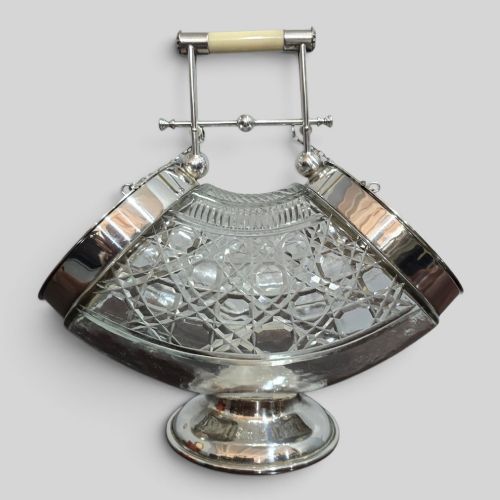


Edwardian Tea Caddy
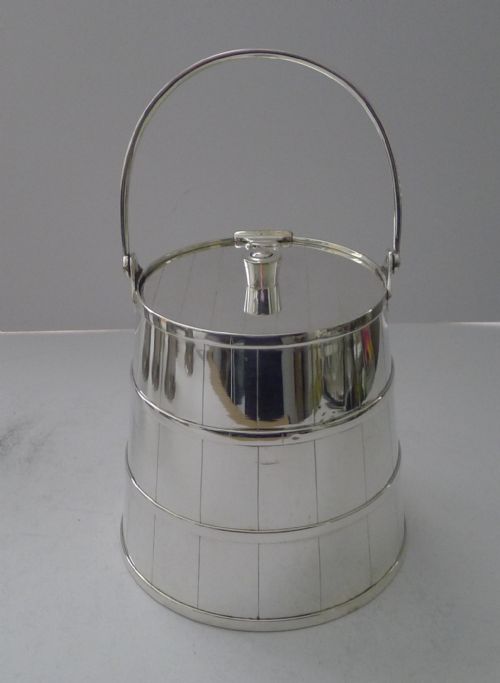
When choosing an edwardian tea caddy, you are selecting a refined receptacle designed to protect precious tea leaves with solid metals, polished timbers or cut crystal.
Edwardian Tea Caddy
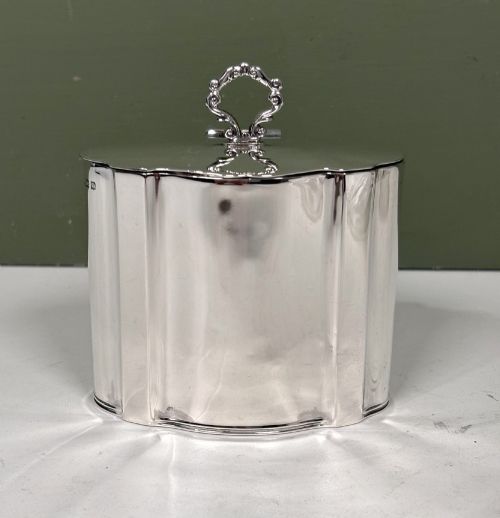
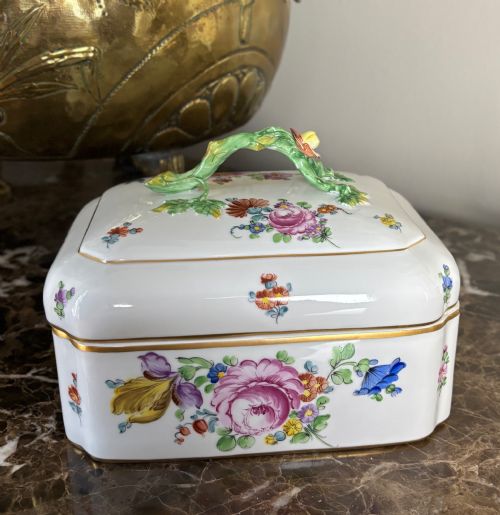
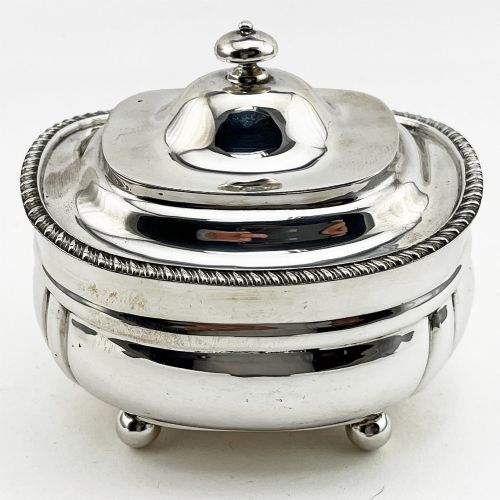
An edwardian tea caddy encompasses domestic storage vessels produced primarily during the early twentieth century, spanning silver canisters, plated containers and wood boxes.
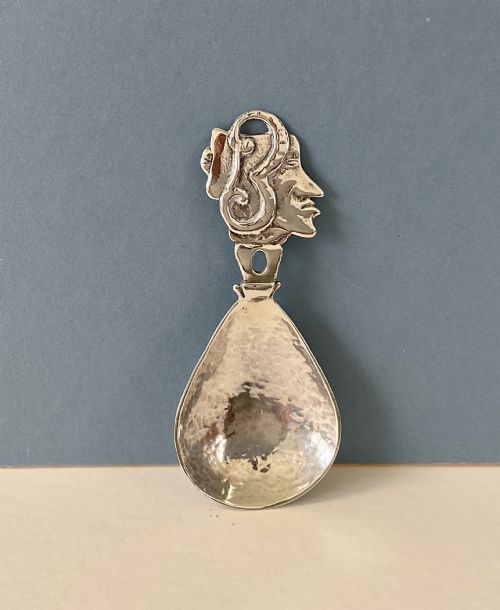
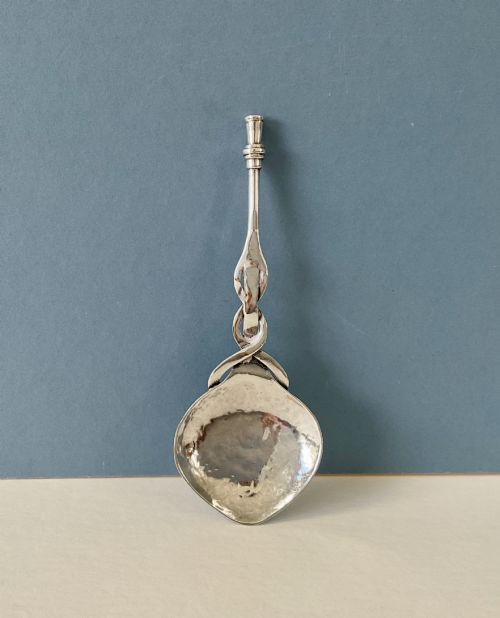
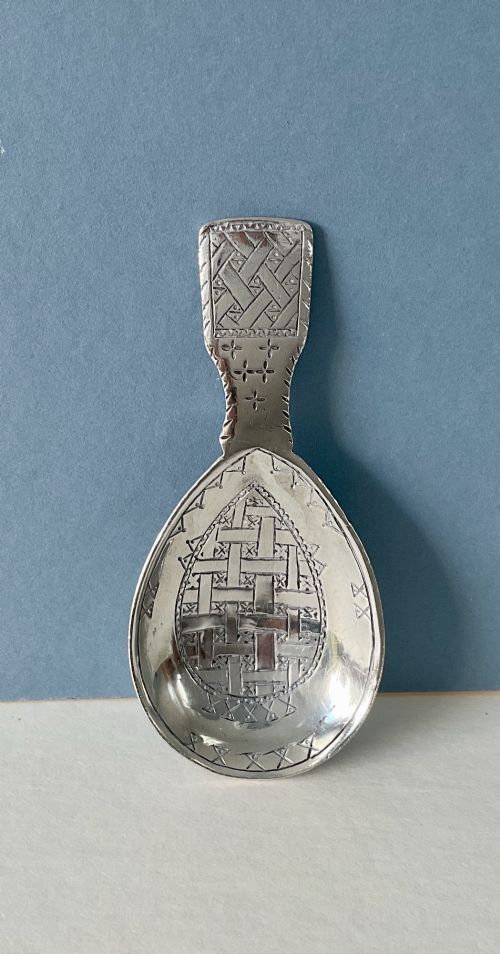
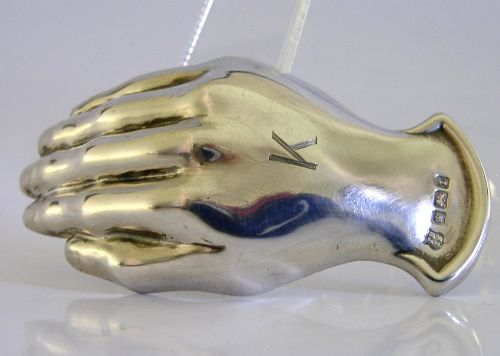
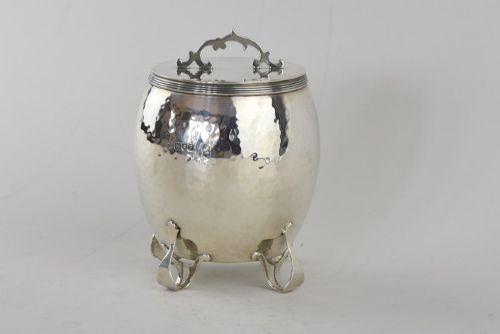
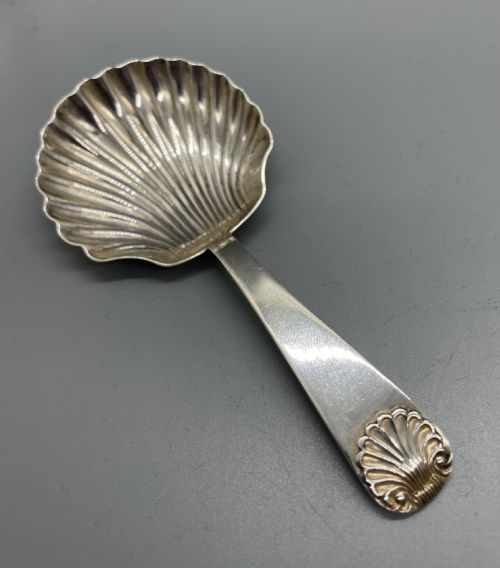
The selections on this page concentrate on sterling silver and silver-plated boxes alongside oak, mahogany, and cut glass biscuit barrels or associated spoons.
Makers of the period adapted Georgian Revival and Arts and Crafts ideals into compact containers intended for display upon the dining or drawing room table.
How They Were Made
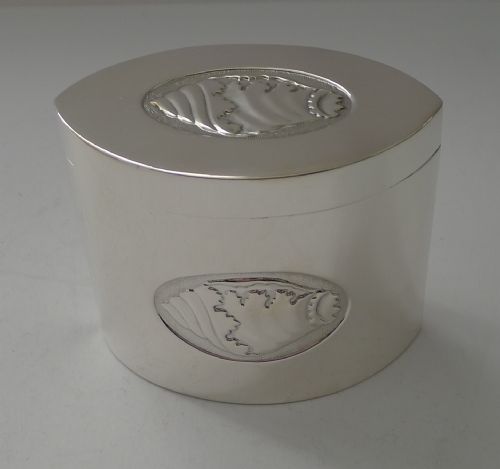
Silversmiths utilised sterling silver and silver plate, often shaping bodies through hammering, fluting, or repoussé work to create textured panels and decorative motifs.
Cabinetmakers combined timbers such as oak and mahogany with ebony inlay, while glass cutters produced hobnail and cut crystal bodies mounted with metal rims and lids.
Edwardian Tea Caddy Retail Price Guide 2026
Typical asking prices for edwardian tea caddy among the pieces listed under this phrase on Sellingantiques today, from the lower quarter to the upper quarter. They describe what is for sale here now, not the wider market.
Object forms span tea caddies, biscuit barrels, caddy spoons, trinket boxes, and decorative tins.
What Varies in Quality
The distinction between tiers rests upon wall thickness and the crispness of the hand-chased or repoussé decoration applied to the metal surfaces.
Substantial gauge silver and heavy crystal liners elevate certain boxes, while domestic plated wares rely on the integrity of the underlying base metal.
Charles Edwards·Zimmermann·Thomas Hayes·Mappin and Webb·William Hutton and Sons Ltd·William Neale·Goldsmiths and Silversmiths Co·George Unite·Marples and Co·The Barker Brothers·The Haseler Brothers·Edward Barnard and Son·T.H. Hazelwood and Co·Nathan and Hayes·Carrington
The Edwardian Tea Caddy Glossary
- Caddy Spoon
- A small scoop utilised for measuring dry tea leaves from the container. These specialist spoons often match the metalwork of the main canister.
- Repoussé
- A metalworking technique where the smith pushes the design out from the reverse side using hammers and punches. This creates raised relief patterns on silver boxes.
- Hallmark
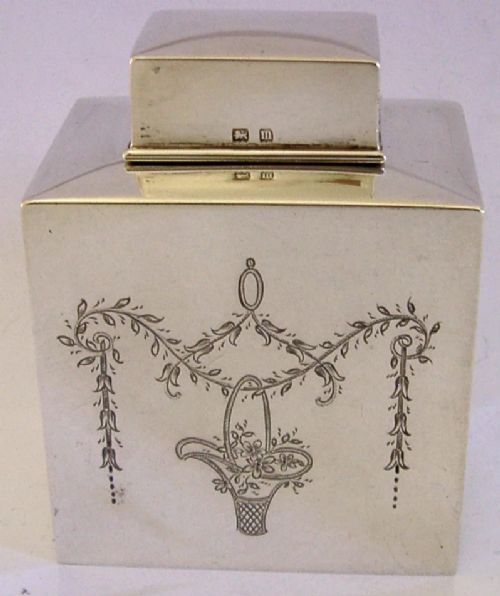
- An official stamp indicating metal purity, assay office, and year of production. British silver bears these marks to verify standard.
- Biscuit Barrel
- A covered container designed for storing biscuits on the parlour table. Many examples pair cut glass or ceramic bodies with silver-plated mounts.
- Arts and Crafts
- A design movement valuing handcraftsmanship and simple forms over mass production. Pieces from this style display visible hammer marks and honest construction.
Edwardian Tea Caddy: Frequently Asked Questions
What was a tea caddy used for?
Tea caddies served as secure storage containers for loose tea leaves when tea was an expensive commodity kept under lock and key.
Households utilised these receptacles to protect the leaves from dampness and loss of flavour before transferring portions to the teapot.
How do I identify an Edwardian piece?
Edwardian items date from the reign of King Edward VII between 1901 and 1910, though pieces often extend slightly into the surrounding decades.
Assay office date letters stamped on the silver provide the exact year of manufacture for hallmarked examples.
Can these boxes store modern tea?
These vessels retain the capacity to hold dry goods, provided the interior surfaces remain clean and free from old residue.
Silver and wooden caddies should be kept away from direct sunlight and excessive moisture to preserve their structural integrity.
What is the difference between silver and plated items?
Solid sterling silver pieces consist entirely of precious metal meeting statutory fineness standards and bear complete sets of town and maker hallmarks.
Silver-plated items feature a thin layer of silver bonded over a base metal foundation such as copper or nickel alloy.