


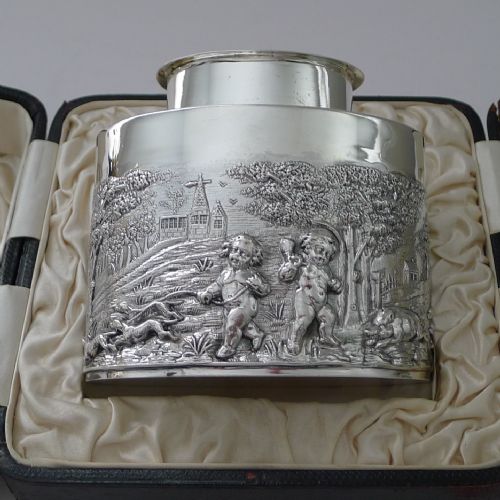

Hallmarked Silver Tea Caddy
A hallmarked silver tea caddy brings domestic history to the tabletop, offering solid silver and cut crystal forms designed to store loose leaf tea.

Hallmarked Silver Tea Caddy
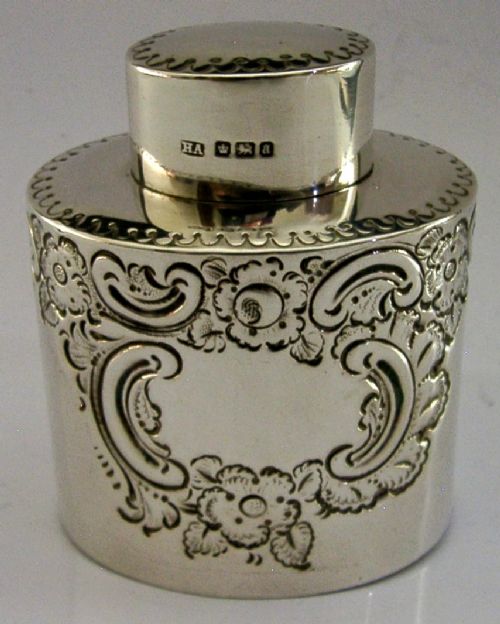
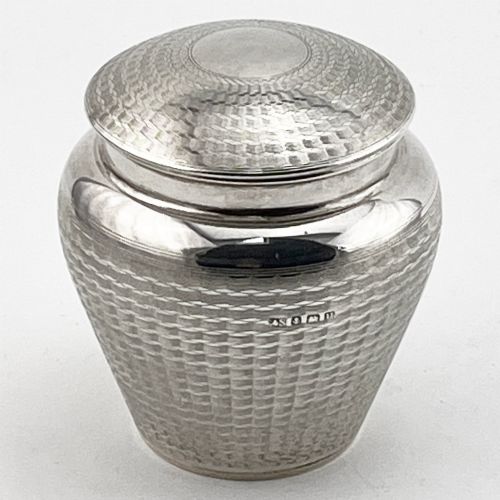
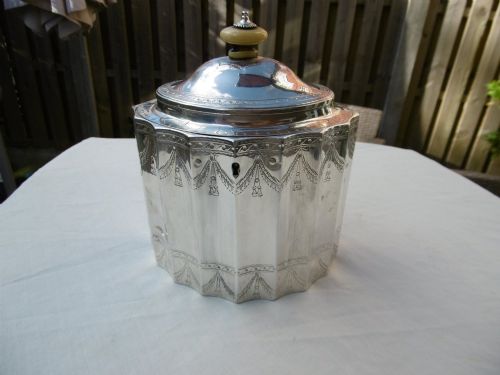
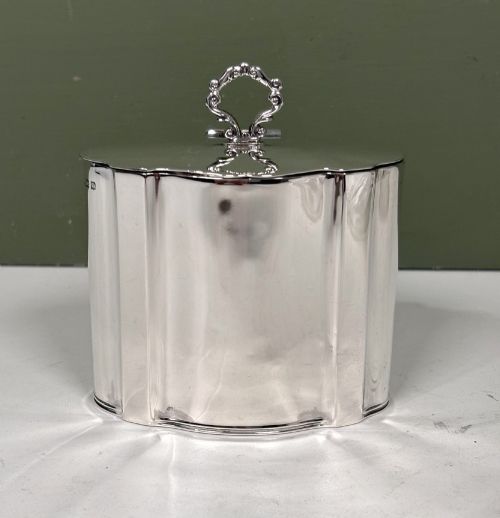
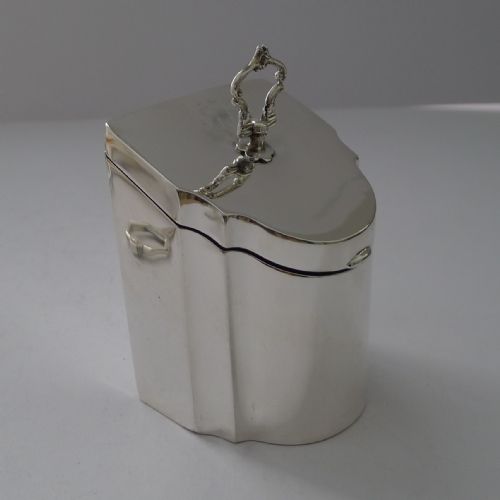
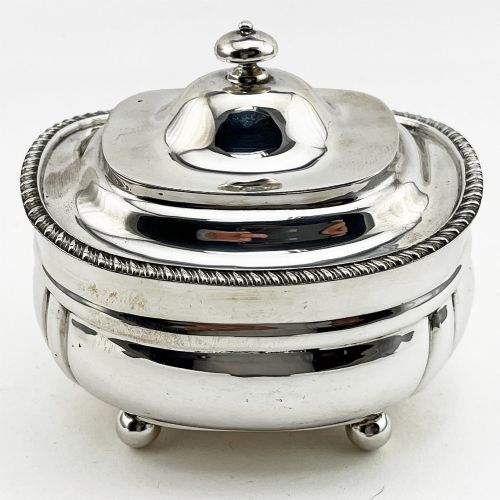
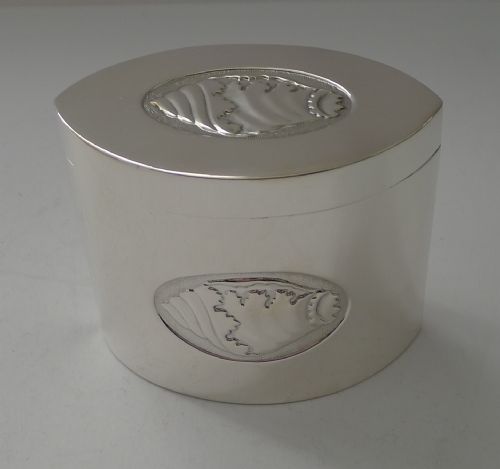
A hallmarked silver tea caddy is a small container formed to hold precious tea leaves securely, appearing primarily in solid silver and cut crystal configurations. These boxes and vessels span periods from the eighteenth century through the Edwardian era, George V years, and into the twentieth century. Buyers encounter forms ranging from simple oval and fluted bodies to knife box shapes and novelty designs.
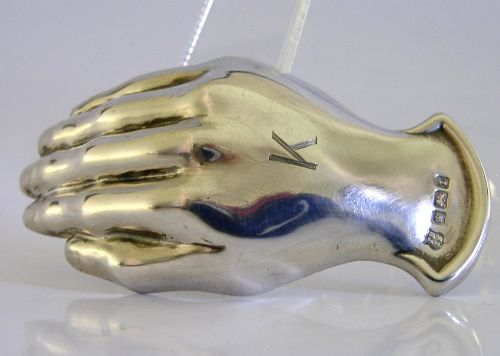
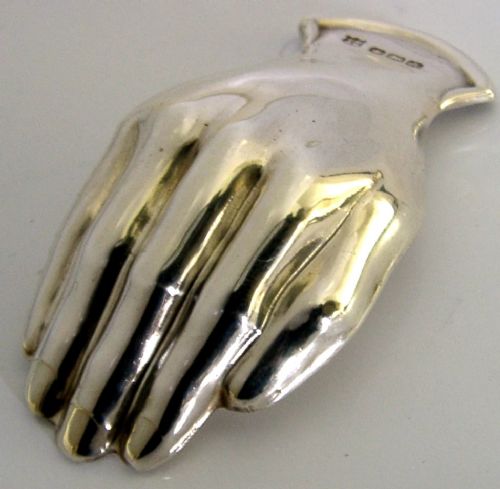
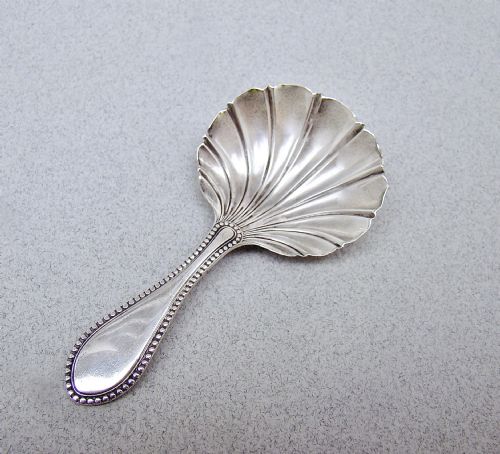
Alongside the primary boxes, the selection includes associated caddy spoons in traditional patterns, alongside specific novelty variants like jockey caps and hand shapes. Makers from major assay offices in London, Birmingham, Sheffield, and Chester stamped these items with standard hallmarks to verify the metal standard. The most frequent pieces on this page date from the Victorian and Edwardian periods up to the 1940s.
How they were made
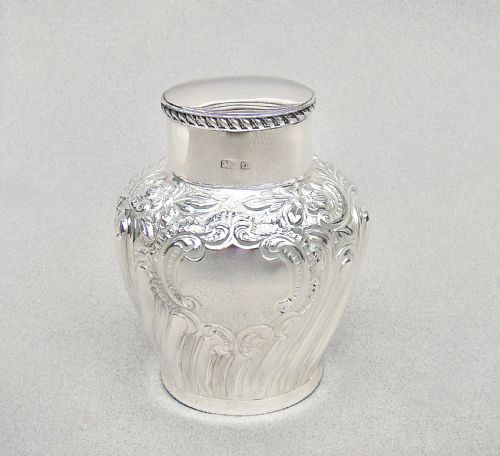
Silversmiths constructed these vessels primarily from sterling silver and solid silver sheets, often shaping them with fluted bodies, repoussé decoration, or smooth oval profiles with pull-off lids. Workshops utilised cutting techniques for crystal bodies fitted with silver collars and mounts.
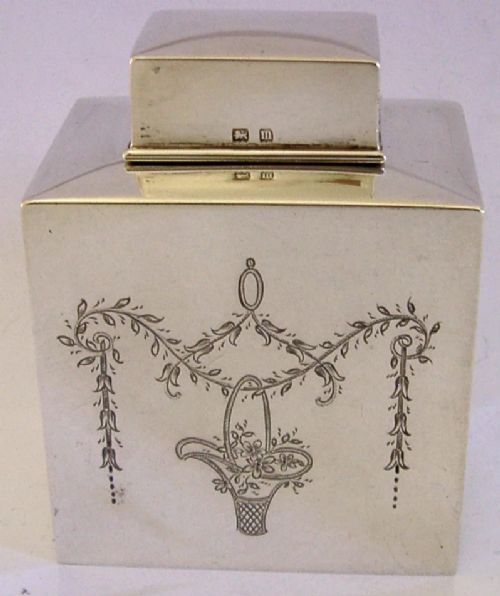
Makers integrated small functional components using materials like ebony and bone for insulation or handles, while spoons were stamped, pierced, and double struck. Every piece received official hallmarks detailing the maker's mark, assay office, and date letter.
Hallmarked Silver Tea Caddy Retail Price Guide 2026
Typical asking prices for hallmarked silver tea caddy among the pieces listed under this phrase on Sellingantiques today, from the lower quarter to the upper quarter. They describe what is for sale here now, not the wider market.
Silversmiths occasionally shaped silver tea caddy spoons as miniature jockey caps and human hands.
What varies in quality
Quality rests upon the crispness of the silversmith's repoussé work, the weight of the solid silver utilised in the body, and the clarity of the cut crystal. Substantial weight and clear, legible hallmarks struck by recognised makers distinguish finer examples.
The integrity of hinged lids, the correct fit of pull-off covers, and the retention of original surface detail separate standard utilitarian boxes from superior artistic productions.
Martin Hall And Co·Zimmermann·Thomas Hayes·William Hutton And Sons Ltd·William Neale·George Unite·Ernest Druiff And Co·Samuel Walton Smith·Charles Reily And George Storer·William Neale And Son·Goldsmiths And Silversmiths Co
The Hallmarked Silver Tea Caddy Glossary
- Hallmark
- Official stamps applied to precious metals indicating the standard of silver, the maker, the assay office, and the year of production.
- Repoussé
- A metalworking technique where the silver is hammered from the reverse side to form raised decorative reliefs on the surface.
- Caddy spoon
- A short-handled spoon specifically proportioned to measure loose tea leaves from the caddy into the teapot.
- Pull-off lid
- A removable cover that relies on a precise, snug friction fit rather than a hinged mechanism to close the container.
- Assay office
- An official organisation charged with testing the purity of precious metals and stamping them with statutory marks.
Hallmarked Silver Tea Caddy: Frequently Asked Questions
What was a silver tea caddy used for?
These vessels were utilised to store expensive loose tea leaves safely under lock or lid in the dining room or drawing room. Because tea was a costly commodity, the caddy protected the leaves from moisture and pilfering.
Servants or the host would use a matching caddy spoon to transfer the leaves directly into the teapot. The small boxes kept the aromatic leaves fresh until brewing time.
How do I identify the date of a silver caddy?
Dating relies entirely on the official hallmarks stamped into the silver, which include specific date letters corresponding to the assay office records. Examining the shape, style of decoration, and maker's mark provides additional contextual clues.
Georgian pieces often feature bright-cut engraving or fluted neoclassical bodies, while Victorian and Edwardian examples showcase repoussé floral work or plain oval forms. Comparing the stamped leopard head, anchor, crown, or rose against standard assay tables confirms the exact year.
Are caddy spoons sold with the caddy?
Some listings include a fitted caddy spoon housed inside or designed specifically for the box, while others offer the spoon separately. Historical sets occasionally stay together, but many caddy spoons are collected as independent items.
Buyers should check individual descriptions to see if a spoon accompanies the box or if it is sold alone. Both fitted sets and standalone spoons appear across the nineteenth and twentieth-century selections.
How should I clean a silver tea caddy?
Maintenance requires gentle dusting with a soft cloth and occasional treatment with a mild, non-abrasive silver cleaner to preserve the hallmarks. Harsh scrubbing erodes the delicate repoussé details and antique patina built up over generations.
Crystal bodies can be washed separately with warm soapy water while avoiding contact with the silver mounts. Storing the piece away from direct sunlight and damp environments keeps the metal stable.