


Sheffield Silver Tea Caddy
A sheffield silver tea caddy brings Georgian, Victorian, and Edwardian elegance to a room while keeping dry leaf secure.
Sheffield Silver Tea Caddy
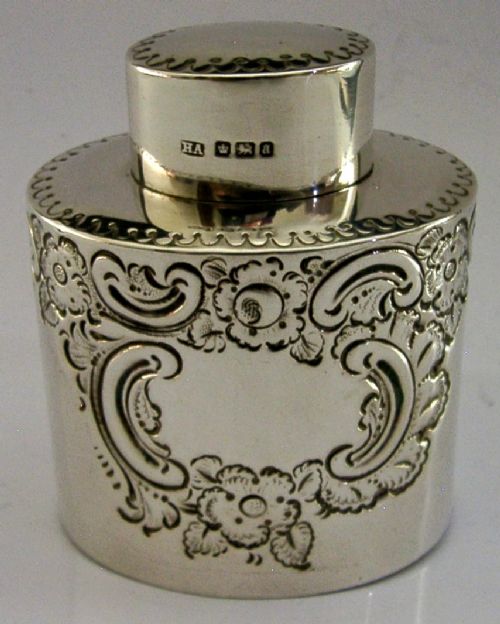
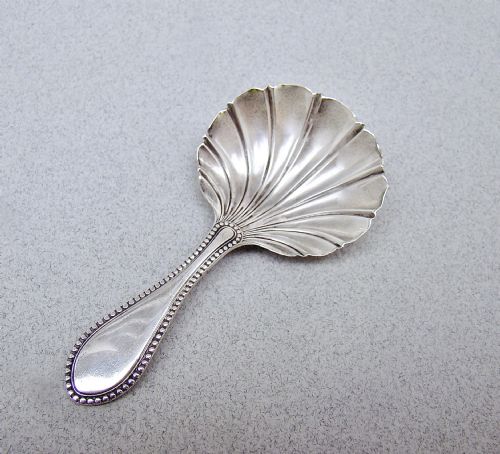
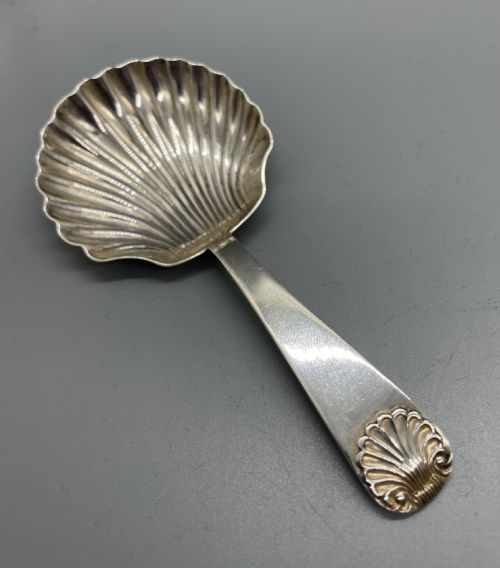
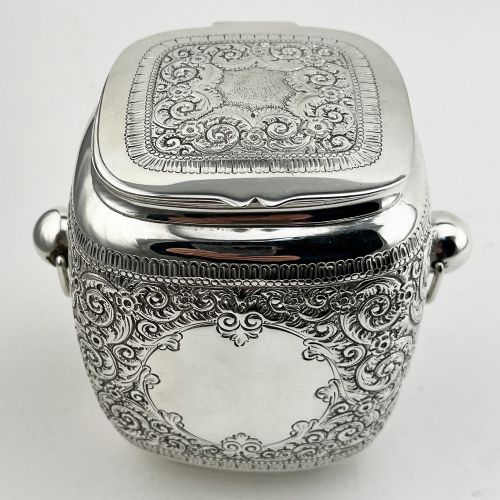
When you search for a sheffield silver tea caddy, you meet small lidded boxes, canisters, and matching spoons designed to hold and dispense loose tea leaves. The pieces on this page span the Georgian, Victorian, and Edwardian eras, reaching into the George V period.
Most examples take the form of tea caddies, caddy spoons, biscuit barrels, and trinket boxes. You will frequently encounter Victorian and Edwardian iterations alongside earlier Old Sheffield Plate vessels.
Materials and Construction
The evidence shows construction in sterling silver, silver plate, and Old Sheffield Plate, occasionally paired with copper or ebony. Silversmiths utilised plating techniques on base metals alongside solid sterling silver to achieve durable, lustrous finishes.
Detailing includes engraved motifs and basket-weave textures applied to the metal body. Makers incorporated functional elements such as ball feet and fitted lids to complete each container.
Some Victorian caddies feature basket-weave textures so convincing you might try to lift them by wicker strands that are actually solid silver.
Judging Quality
Distinctions in quality rest on the crispness of the chased or engraved ornament and the weight of the metal used in the body. Substantial gauge silver and well-defined decorative stampings separate finer vessels from simpler production.
The integration of the lid and the balance of the proportions indicate the level of care taken by the silversmith. Pieces bearing clear hallmarks and the marks of notable workshops show a higher degree of manufacturing pedigree.
Martin Hall & Co·Robert & Belk·Atkin Brothers·Walker & Hall·William Briggs·James Dixon & Sons
The Sheffield Silver Tea Caddy Glossary
- Sheffield Plate
- A fused metal technique where a thin sheet of silver is applied to a thicker copper core. This method predates modern electroplating.
- Electroplated Nickel Silver
- A process depositing a silver layer over a nickel silver alloy base. This technique became common in the nineteenth century.
- Caddy Spoon
- A short-handled spoon specifically proportioned to measure loose tea from the caddy into the pot. They often match the period and style of the main vessel.
- Hallmark
- An official stamp indicating metal purity, the assay office, and the date letter. Sheffield pieces bear the crown mark alongside maker ciphers.
- Biscuit Barrel
- A covered vessel designed to store dry biscuits or baked goods. These share similar manufacturing techniques and decorative styles with tea caddies.
Sheffield Silver Tea Caddy: Frequently Asked Questions
How do I date a silver tea caddy?
Examine the stamped hallmarks on the body or lid for the assay office symbol and date letter corresponding to the active years of the silversmith.
Stylistic cues such as Victorian or Edwardian ornamentation further help place the piece in its correct decade.
What is Old Sheffield Plate?
Old Sheffield Plate involves fusing a thin layer of silver to a copper base before forming the object.
This early method produces a subtle warmth where the copper occasionally shows through beneath the worn silver surface.
Were caddy spoons sold with the caddy?
Caddy spoons and tea caddies were sometimes produced together as matched sets by the same workshop.
Many spoons appear independently or were paired with caddies later due to their utility and collectible nature.
How should I clean a silver tea caddy?
Use a soft cloth and a gentle silver polish formulated for antique metal surfaces to remove tarnish.
Avoid harsh dips or abrasive materials that can strip thin plating or soften engraved details.