
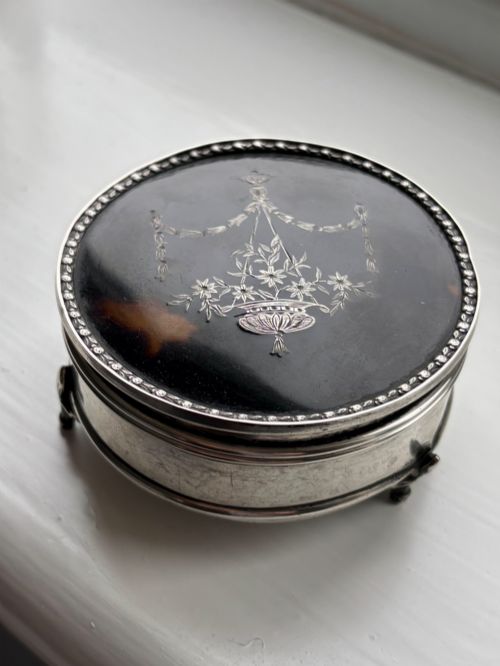
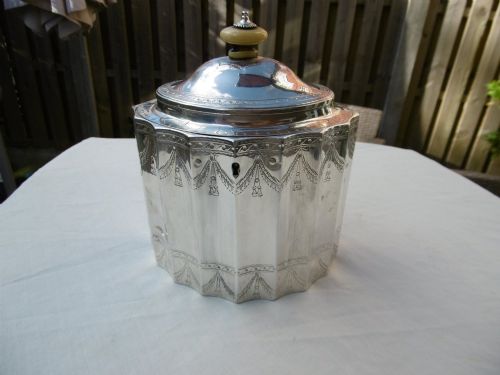
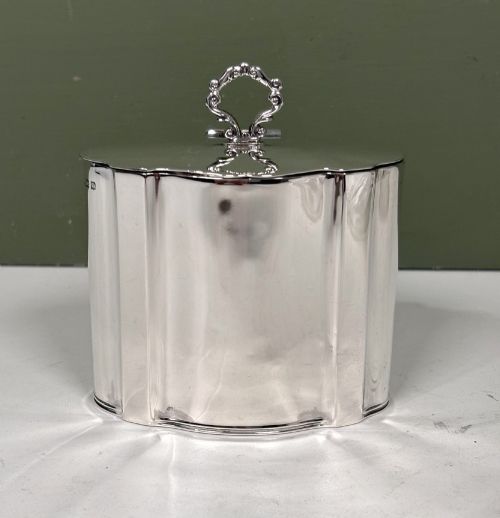

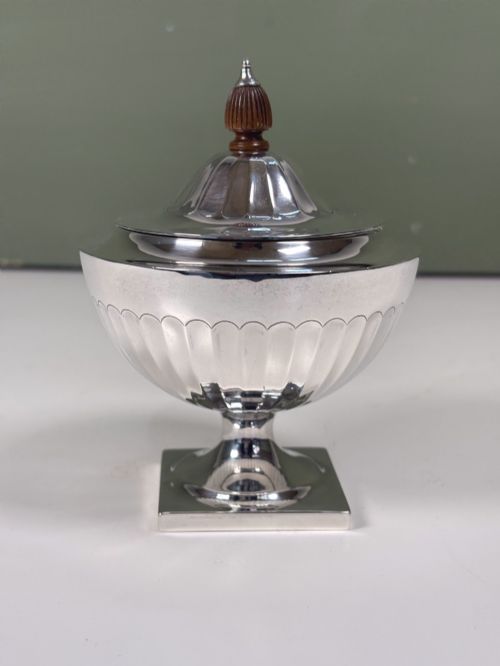


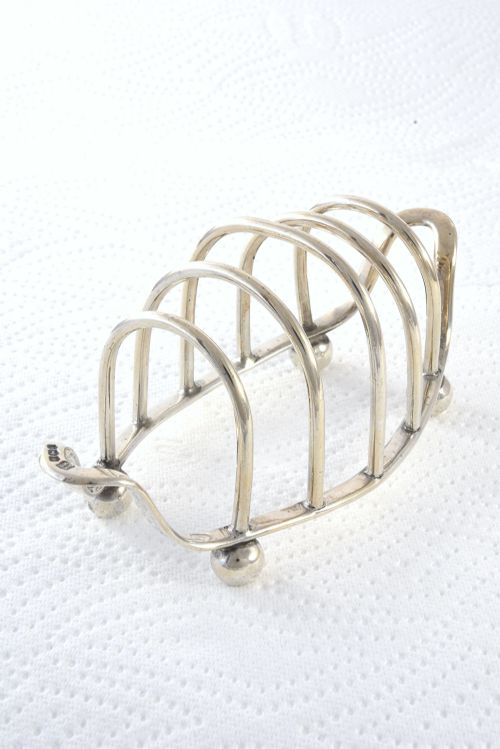


George V Silver Caddy
A George V silver caddy is a refined receptacle for loose leaf tea, prized for its crisp assay marks and classic early twentieth-century form.
Forms and Origins
A george v silver caddy takes the form of a small, lidded container designed to hold dried tea leaves securely on the dining table or sideboard. Examples appearing in the current selection date from the second decade of the twentieth century, specifically carrying hallmarks from assay offices in Sheffield and Chester between nineteen-eleven and nineteen-nineteen.
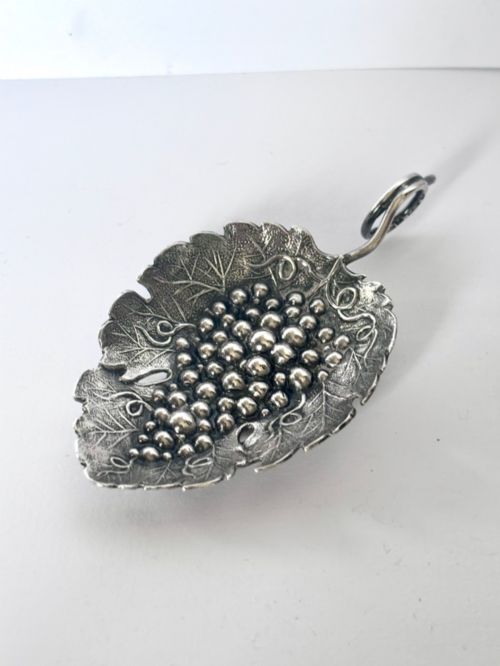
Makers such as Mappin and Webb produced these vessels during the George V period alongside pieces reflecting Georgian Revival and Edwardian stylistic influences. Alongside the main containers, the broader record encompasses associated caddy spoons from earlier eras including the reigns of George III, George IV, and William IV.
Materials and Technique
Silversmiths constructed these caddies predominantly from solid sterling silver, shaping the metal through traditional methods of forming and smithing. Details such as handles or internal fittings occasionally incorporate wood or ebony.
Pieces bear stamped hallmarks denoting sterling standard, the city of assay, and the date letter corresponding to the early twentieth century. Surface finishes vary from plain polished silver to embossed or revival decoration.
Retail Price Guide 2026
Typical UK retail prices for george v silver caddy, calculated from the Sellingantiques database of over a million retail prices indexed since 2003. This retail price guide relies exclusively on Sellingantiques data; no external sources or auction records are used, so the figures do not describe the wider market.
Current listings feature sterling silver tea caddies and tea caddy forms originating from the nineteen-tens, assayed in Sheffield and Chester.
Judging Quality
Quality in a george v silver caddy rests upon the crispness of the maker mark, the weight of the solid silver sheet, and the precise fit of the lid. Maker attribution to established firms like Mappin and Webb distinguishes standard production from finer workshop output.
The integrity of the structural joins and the legibility of the Chester or Sheffield hallmarks further separate standard examples from superior survivals.
Mappin and Webb·George Unite·Walker and Hall·Bracher and Sydenham·Henry Wilkinson·T. H. Hazlewood·The Atkins Brothers·Charles Aldridge·Thomas Shepherd·Henry Chawner·Cocks and Bettridge·Peter and William Bateman·Samuel Pemberton·Joseph Taylor·Thomas Wallis II·Elizabeth Morley·Thomas Johnson
The George V Silver Caddy Glossary
- George V
- The period of British history spanning from nineteen-ten to nineteen-thirty-six, defining the era in which these specific silver caddies and spoons were assayed.
- Sterling Silver
- A silver alloy consisting of ninety-two point five percent silver by mass and seven point five percent other metals, typically copper, standard for British plate.
- Hallmark
- A series of official marks stamped on items of precious metals in the United Kingdom, certifying the standard of purity and the year of assay.
- Caddy Spoon
- A small spoon specifically designed for measuring out dry tea leaves from a caddy into a teapot, often shaped like a leaf, shell, or jockey cap.
- Assay Office
- An official body charged with testing the purity of precious metals and stamping them with statutory hallmarks.
Frequently Asked Questions
What is a George V silver caddy?
A George V silver caddy is a lidded container fashioned from sterling silver during the reign of King George V, utilised for storing loose tea leaves.
These pieces typically date from the nineteen-tens and twenties, bearing clear assay office marks from cities such as Sheffield and Chester.
How were silver caddies used?
Silver caddies served to keep delicate tea leaves dry and aromatic in the drawing room or dining room before the advent of modern packaging.
A matched or associated caddy spoon was frequently employed to transfer the leaves directly from the vessel into the heated teapot.
How do I date a silver caddy?
Dating relies upon reading the stamped hallmarks on the silver body, which include a specific letter corresponding to the assay year.
The presence of George V stylistic markers and early twentieth-century date letters places the manufacture firmly in the period between nineteen-ten and nineteen-thirty-six.
What materials are used in these caddies?
The primary material is solid sterling silver, often marked simply as solid silver or sterling.
Secondary materials such as wood or ebony occasionally appear in small components like handles or knobs.