
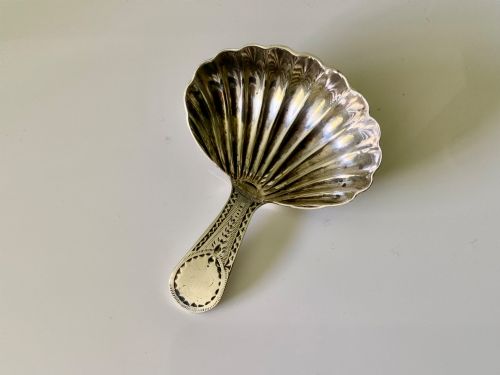
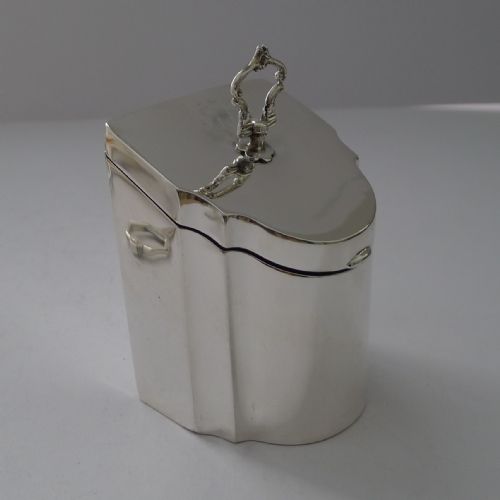
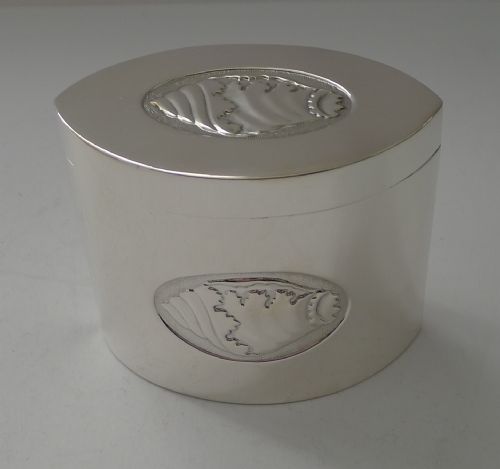
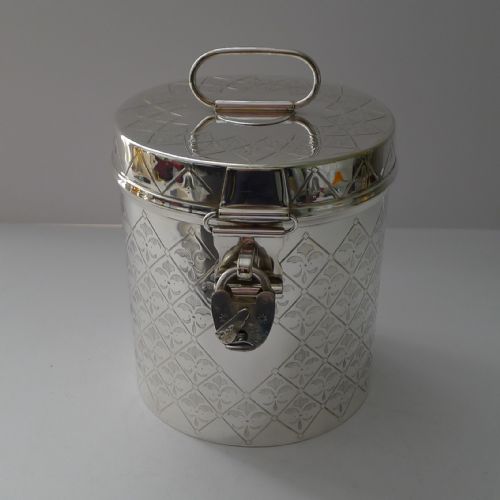
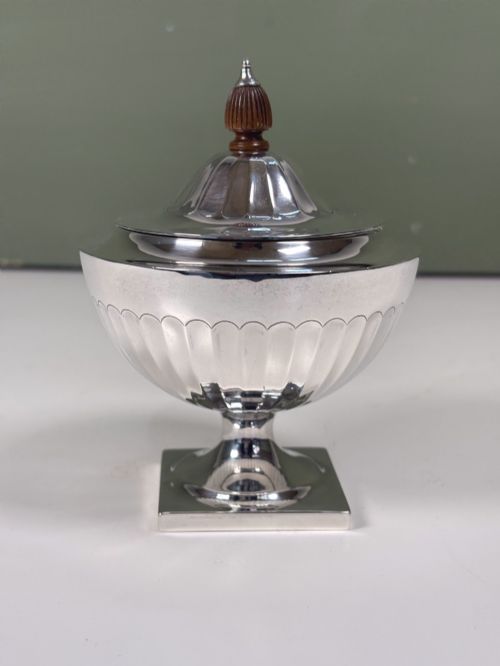


English Silver Tea Caddy
When you handle an english silver tea caddy, you hold a tangible piece of domestic ritual shaped through centuries of metalwork.
English Silver Tea Caddy
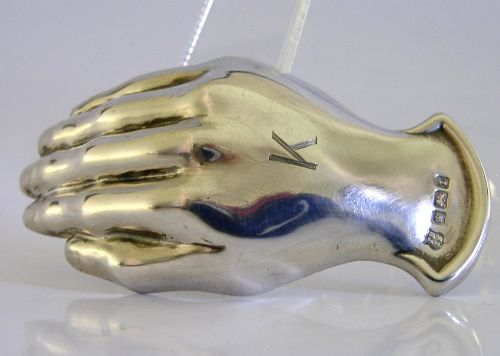
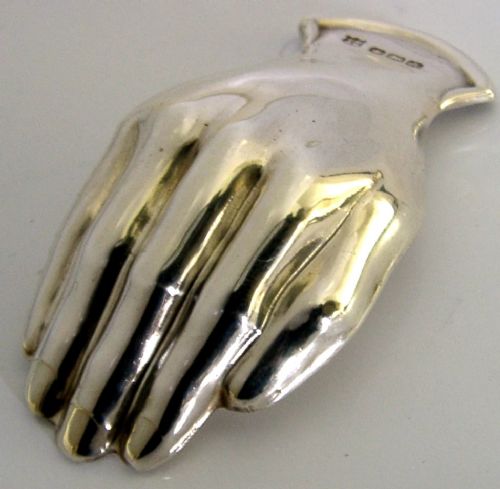
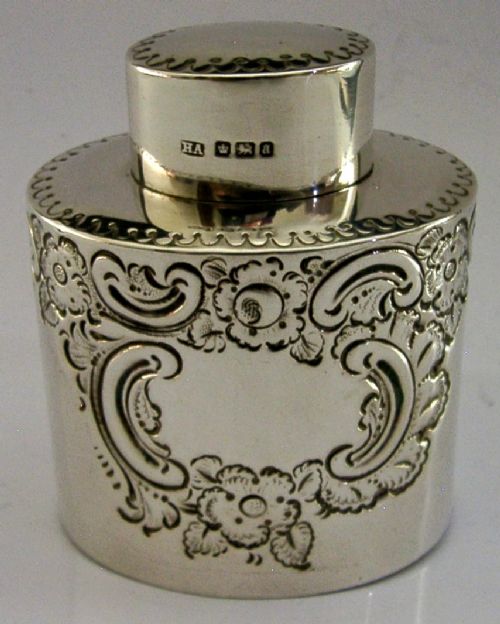
An english silver tea caddy is a specialised storage vessel designed to keep dry tea leaves secure and aromatic in the home. The forms span from traditional straight-sided boxes to novelty shapes like hands or paint tins.
Most examples found in these archives date from the Victorian, Edwardian, and Georgian periods, reflecting the height of formal tea drinking. Alongside caddies, collectors frequently encounter related items such as caddy spoons and biscuit boxes sharing similar metalwork.
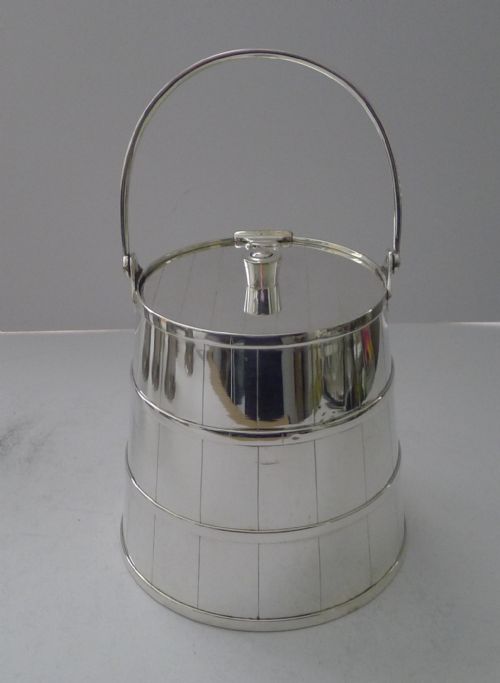
Makers produced these containers in solid sterling silver as well as silver plate, often pairing the metal with contrasting materials like oak, wood, ebony, or cut glass. Each piece captures the prevailing domestic tastes of its specific decade of manufacture.
Materials and construction
Silversmiths constructed these vessels primarily from solid sterling silver or through silver plating over base metal, sometimes incorporating wooden bodies made from oak or ebony. Cut glass also appears in body construction, secured with metal mounts and hinged lids.
Techniques involved forming sheet metal, casting decorative elements like cherubs, and hammering intricate details into the silver surface. Makers applied hallmarks and registration numbers directly onto the metal to record the year, town of assay, and maker.
English Silver Tea Caddy Retail Price Guide 2026
Typical asking prices for english silver tea caddy among the pieces listed under this phrase on Sellingantiques today, from the lower quarter to the upper quarter. They describe what is for sale here now, not the wider market.
Makers utilised specialised forms ranging from traditional rectangular boxes to novelty shapes like paint tins and hands.
Judging the work
Quality rests in the weight of the silver, the crispness of the hand-chased ornamentation, and the structural integrity of the hinges and locking mechanisms. Superior items display thick gauge metal that resists flexing and maintains a substantial feel in the hand.
The precision of the maker's mark and the complexity of the design, whether standard box form or unusual novelty shapes, distinguish ordinary production from the output of premier silversmiths.
Mappin and Webb·William Rudkins·Ernest Druiff and Co·Goldsmiths and Silversmiths Co·Asprey and Co·Atkin Brothers·Plucknett·John Grinsell and Sons·Walker and Hall
The English Silver Tea Caddy Glossary
- Sterling silver
- A standard alloy consisting of ninety-two point five percent silver by mass, with the remainder composed of copper or other metals. This alloy provides the durability required for functional domestic objects.
- Hallmark
- An official stamp applied by an assay office to indicate the purity of the metal, the maker, and the year of production. These marks allow collectors to trace the exact origin of a piece.
- Caddy spoon
- A short-handled spoon specifically proportioned to scoop loose tea leaves from the caddy into a pot. They frequently match the decorative style of the container.
- Silver plate
- A layer of pure silver fused or electroplated onto a base metal foundation. This technique offered a more accessible alternative to solid sterling silver items.
- Novelty caddy
- A container shaped to resemble an everyday object or unusual form rather than a standard box. Examples include hands, paint tins, or knife boxes.
English Silver Tea Caddy: Frequently Asked Questions
What is an english silver tea caddy?
It is a lidded container designed to store precious tea leaves safely away from light and air.
These vessels became essential household items as tea grew into a central social beverage during the Georgian and Victorian eras.
How do I know the date of my piece?
Look for the hallmarks stamped into the metal, which include specific letters and symbols denoting the assay office and year.
Makers also utilised registration numbers on silver-plated pieces to record the exact year the design was protected.
Were these caddies used for anything else?
While primarily made for tea, surviving pieces often shared duties with related containers for biscuits or sugar.
Interior compartments sometimes divided different varieties of tea leaves within a single box.
What materials were used besides silver?
Makers frequently combined silver with organic materials such as oak, ebony, and other woods to form the body or base.
Cut glass bodies with silver rims and hinged lids also appear across the Victorian and Georgian periods.
How should I display my caddy?
Keep silver caddies away from direct sunlight and damp environments to preserve the finish and prevent tarnishing.
Ensure that wooden elements and interior linings remain in stable conditions by maintaining consistent indoor humidity.