
Antique Silver Tea Box
These antique silver tea box selections offer historic vessels designed for preserving loose leaf blends with period craftsmanship.
Antique Silver Tea Box
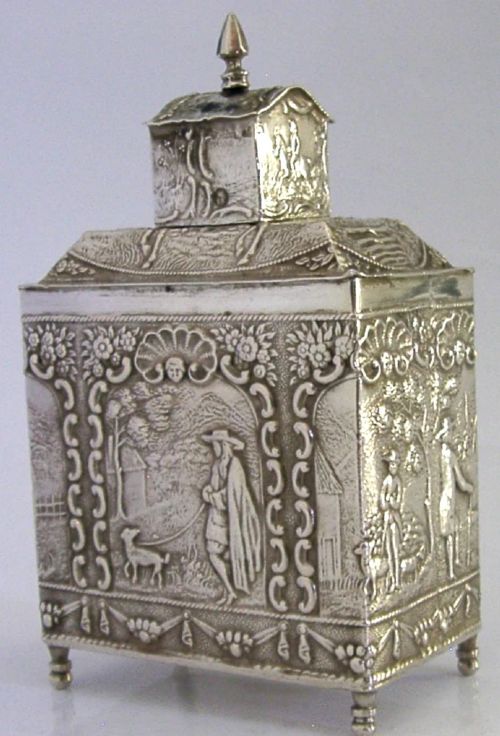
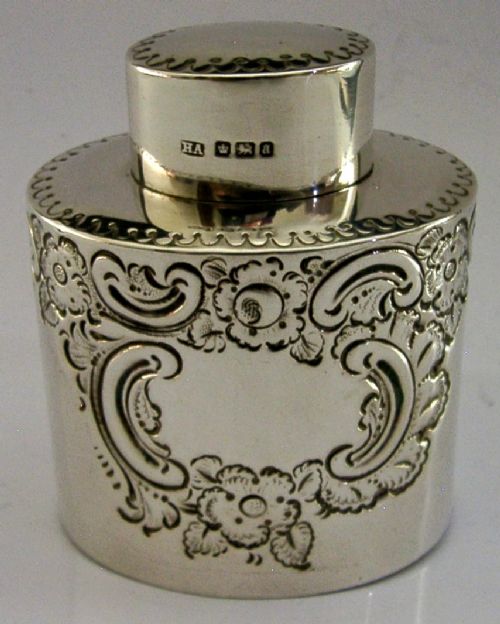
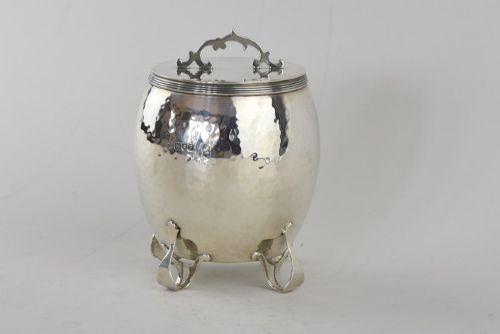
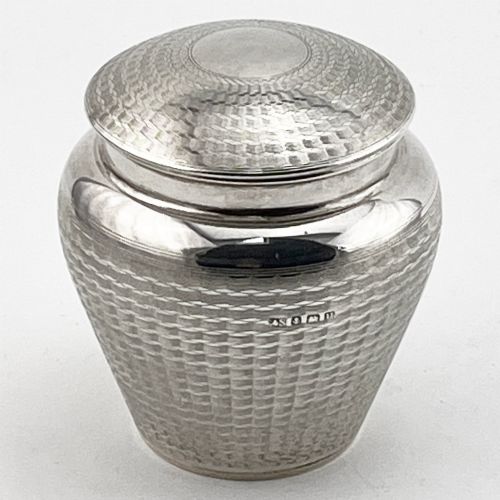
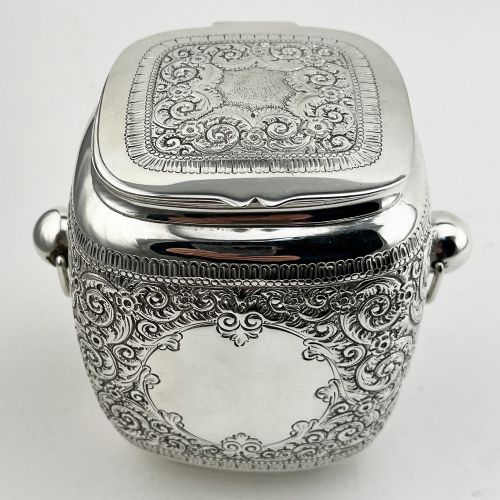
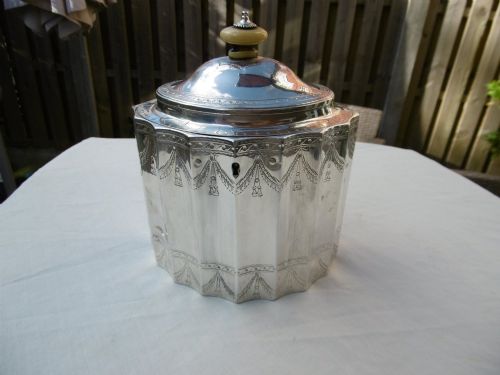
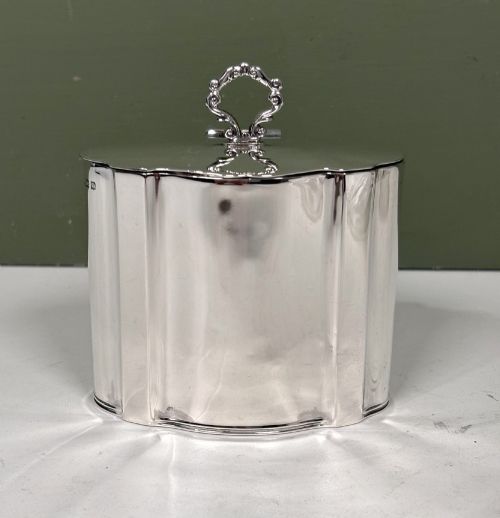
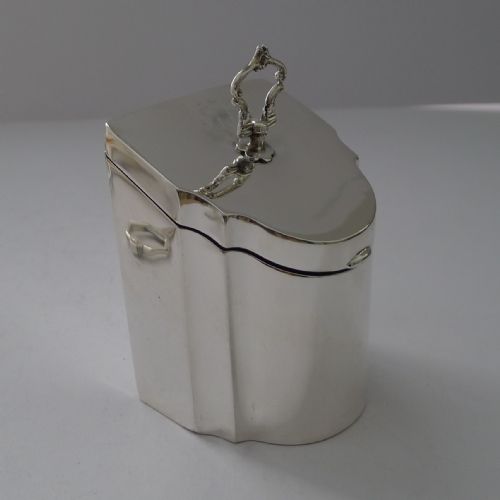
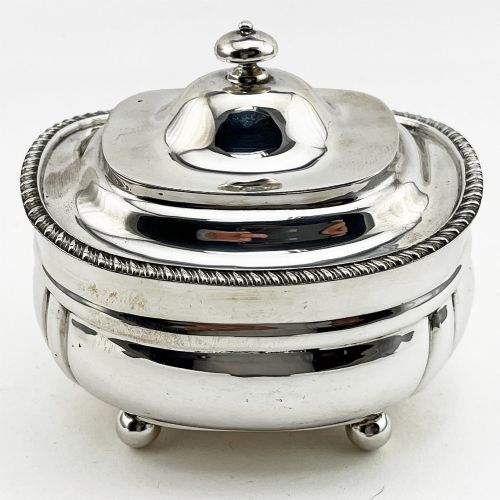
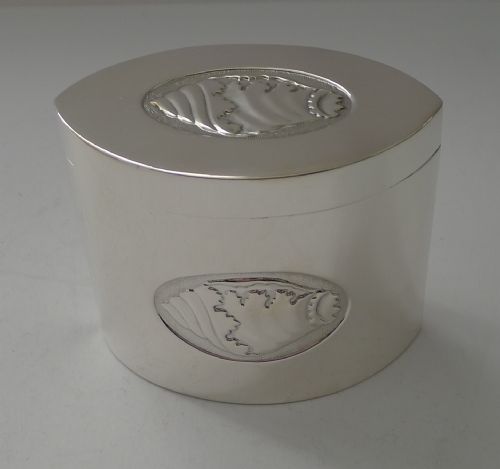
An antique silver tea box serves as a traditional lidded receptacle originally created to store and protect valuable dry leaves from moisture and air. Collectors encounter varied configurations ranging from straightforward canisters to bombe forms and novelty shapes produced across British, European, and global workshops.
Most examples found on this page date from the late Victorian and Edwardian eras, alongside pieces stretching back to Georgian periods and forward into Art Deco designs. Makers utilised precious metals and fitted interiors to maintain the aroma of imported leaves for domestic parlours.
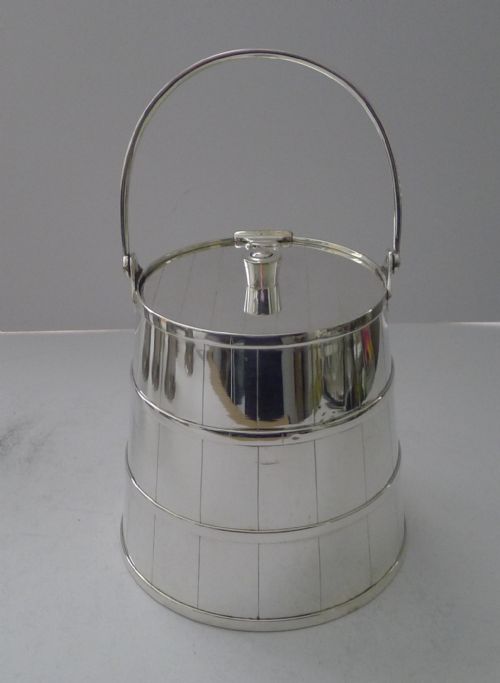
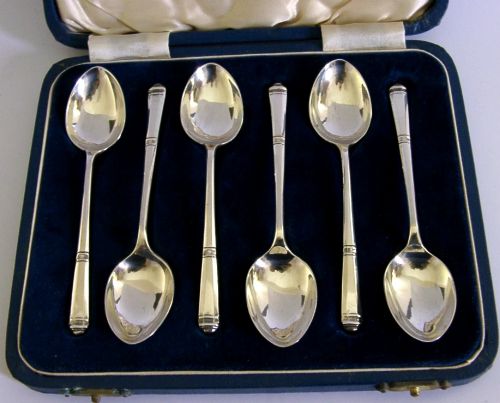
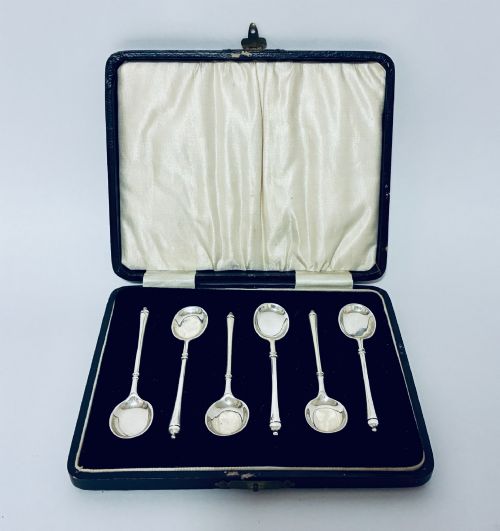
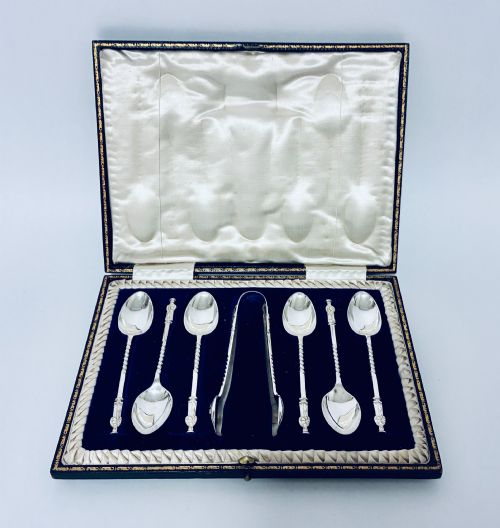
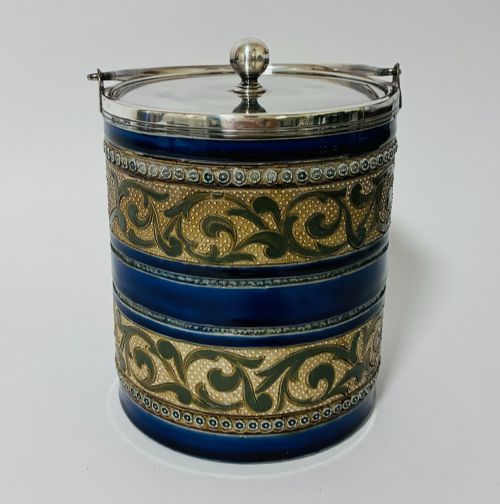
Beyond standard tea caddies, the selection includes related dining table accessories such as silver plated biscuit barrels, ceramic jars with metal mounts, and cased sets of teaspoons. These companion pieces reflect the formal hospitality customs of nineteenth and early twentieth century households.
How they were made
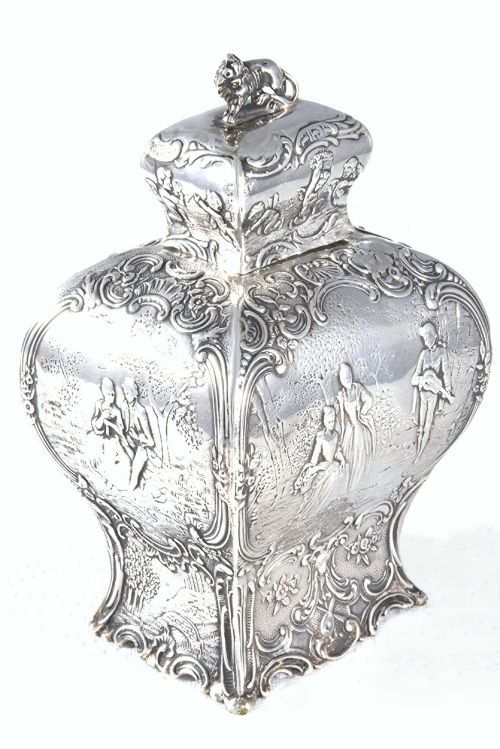
Silversmiths employed techniques such as hand hammering, repoussé, and fluting to shape solid sterling silver and silver plate over copper bases. Many vessels feature internal wooden linings, velvet, or silk elements designed to cushion fragile contents.
Decorative finishes incorporate cast mounts, lion mask handles, cherub motifs, and intricate pierced work alongside hobnail cut glass bodies. Makers stamped hallmarks, standard marks, and maker's marks directly into the metal to record origin and assay office details.
Antique Silver Tea Box Retail Price Guide 2026
Typical asking prices for silver tea box among the pieces listed under this phrase on Sellingantiques today, from the lower quarter to the upper quarter. They describe what is for sale here now, not the wider market.
Some ornate vessels take the surprising form of a sledge or a knife box to confuse guests.
What varies in quality
The calibre of a piece depends heavily on the thickness of the metal gauge, the crispness of chased or embossed details, and the integrity of internal components like lids and hinges. Substantial weight and balanced proportions signal superior manufacturing standards.
Provenance and attribution elevate certain vessels, particularly those bearing the stamps of recognised silversmiths or retailed by established luxury houses. The preservation of original surface finishes and interior linings further distinguishes exceptional examples from standard production items.
Charles Edwards·Martin Hall and Co·Robert Hennell·Zimmermann·Thomas Hayes·Mappin and Webb·William Hutton and Sons·Adolf Mayer
The Antique Silver Tea Box Glossary
- Tea caddy
- A small lidded container designed specifically for storing loose tea leaves. The word derives from catty, a Chinese unit of weight.
- Sterling silver
- An alloy consisting of ninety-two point five percent silver and seven point five percent other metals, typically copper. This standard ensures structural durability for domestic tableware.
- Hallmark
- A series of official marks stamped onto precious metal items indicating the assay office, metal purity, and date of manufacture. These symbols provide verifiable proof of origin.
- Repoussé
- A metalworking technique where the artisan hammers the design from the reverse side to create a raised relief pattern on the front. This method produced ornate floral and figural scenes on Victorian containers.
- Silver plate
- A manufacturing process applying a thin layer of pure silver onto a base metal foundation such as copper or nickel brass. This technique offered an accessible alternative to solid silver wares.
Antique Silver Tea Box: Frequently Asked Questions
What is a tea caddy?
A tea caddy is a specialised storage vessel built to keep dry tea leaves fresh in domestic settings.
Historically, tea was an expensive commodity kept under lock and key by the head of the household.
How were silver tea boxes used?
These boxes sat in drawing rooms or dining spaces where hosts measured out loose leaves for brewing.
Many featured internal lids or compartments to separate different varieties of tea.
How do I date an antique silver box?
Dating relies upon examining the stamped hallmarks and maker marks found on the metal surface.
Style indicators like Art Deco geometric lines or Victorian floral repoussé also point to specific manufacturing decades.
How do I care for antique silver?
Gentle dusting and occasional cleaning with appropriate silver preservation cloths maintain the metal finish.
Avoiding harsh chemical dips protects delicate chased details and historic patinas.