


Antique Silver Tea Chest
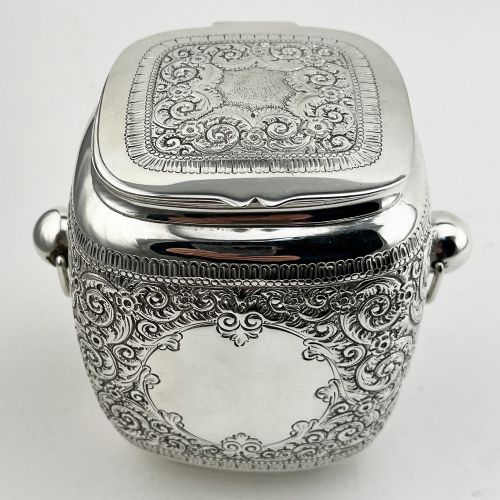
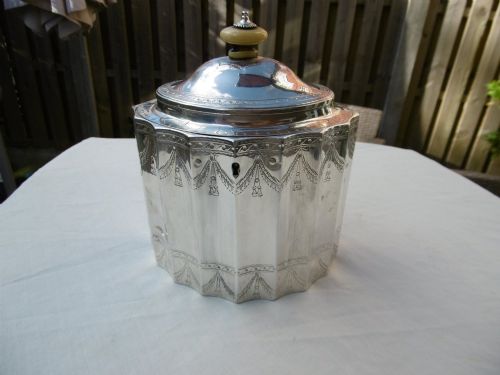
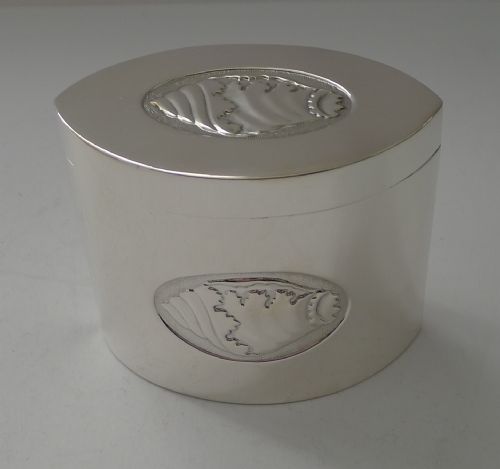
These antique silver tea chest examples are solid sterling silver vessels and tortoiseshell boxes created to store precious loose leaf tea safely.
Antique Silver Tea Chest
When you search for an antique silver tea chest, you encounter solid sterling silver boxes, silver plated vessels, and tortoiseshell tea caddies spanning the Georgian, Regency, and Edwardian periods.
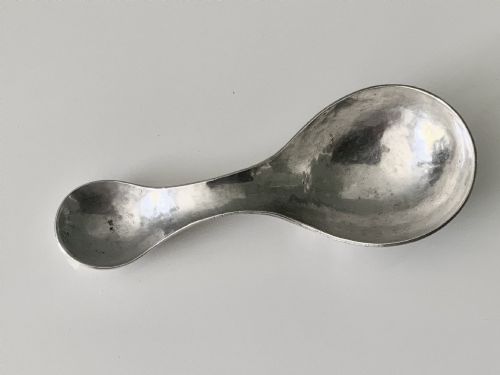
The pieces on this page include George III examples, double tea caddies, and small caddy spoons designed for measuring leaves.
You are most likely to meet silver boxes bearing Chester hallmarks alongside wooden and shagreen covered receptacles from the eighteenth and nineteenth centuries.
How they were made
Silversmiths formed these vessels from sterling silver and silver plate, often utilising fluting and chased ornamentation on George III and Victorian bodies.
Cabinet makers built wooden, shagreen, and tortoiseshell caddies using bone and cut glass details to line and divide the internal storage compartments.
What varies in quality
The standard of an antique silver tea chest depends on the crispness of the hallmarks, the weight of the sterling silver, and the precision of the tortoiseshell or burr maple veneering.
Master silversmiths and notable makers produced heavier, more substantial boxes with well fitted lids and intact internal foil linings that distinguished superior examples from simpler production pieces.
Martin Hall And Co·Robert Hennell·Nathan And Hayes
The Antique Silver Tea Chest Glossary
- Sterling silver
- A silver alloy containing 92.5 percent pure silver by mass, standard for quality British plate and caddies. Hallmarks usually verify this standard.
- Tortoiseshell
- A material derived from the shell of hawksbill turtles, utilised as a luxury veneer on Regency and Georgian tea caddies. It provides a mottled amber and brown surface.
- Caddy spoon
- A small spoon designed specifically for scooping tea leaves from a caddy into a teapot. They appear in silver across various nineteenth and twentieth century dates.
- Shagreen
- Untanned skin from sharks or rays, prepared with a granular surface and utilised to cover luxury boxes during the Georgian period.
- Hallmark
- An official stamp applied by an assay office to indicate the purity of a precious metal, the maker, and the year of testing.
Antique Silver Tea Chest: Frequently Asked Questions
How were tea chests used?
Tea was a costly commodity in the eighteenth and nineteenth centuries, requiring locked containers to restrict access by household staff.
Owners kept the key close, measuring out leaves with small caddy spoons for each pot brewed.
How do I date a silver tea caddy?
You determine the date of a silver tea caddy by reading the assay office marks and date letters stamped into the metal.
Chester hallmarks and London stamps provide precise years of manufacture for pieces spanning the eighteenth to twentieth centuries.
What materials besides silver appear?
Makers constructed these caddies using tortoiseshell, shagreen, burr maple, pine, and cut glass alongside sterling silver and silver plate.
Many examples combine wooden frames with tortoiseshell veneer and bone escutcheons.