

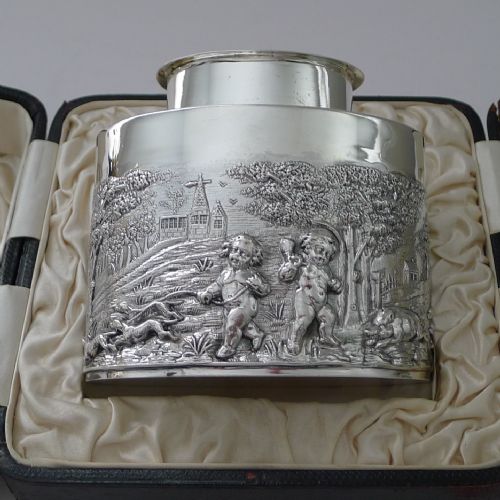


Silver Tea Storage Box
A silver tea storage box is an essential container for dry leaves, prized for its craftsmanship and historical utility.
What They Are
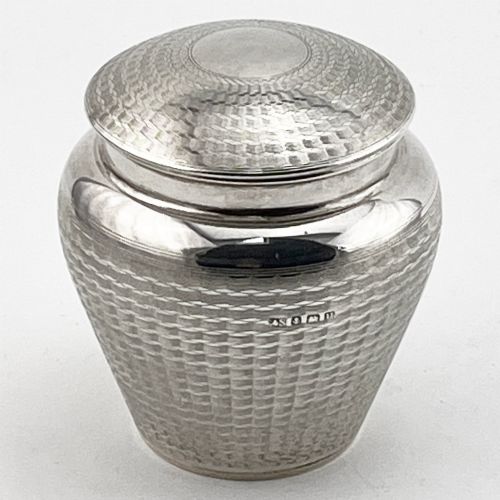
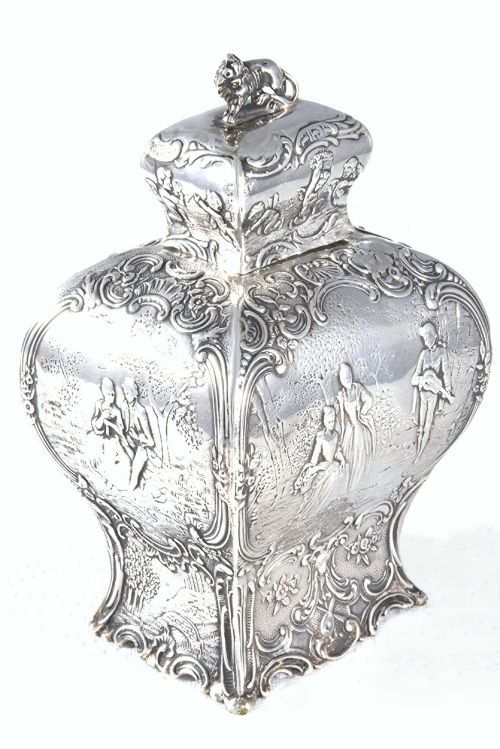
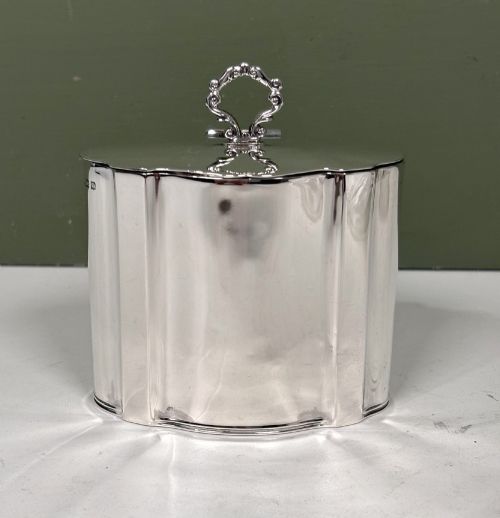
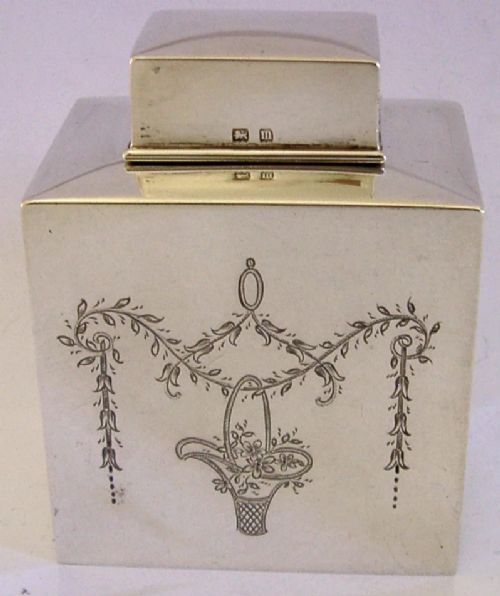
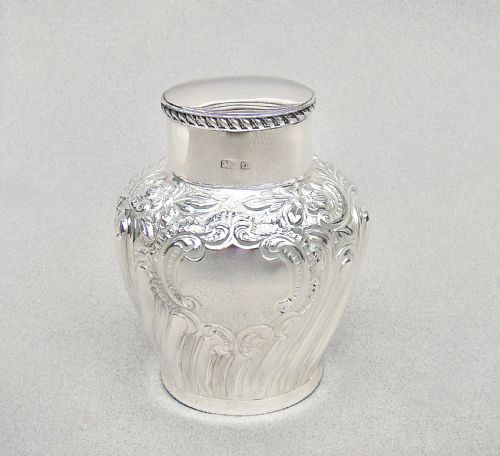
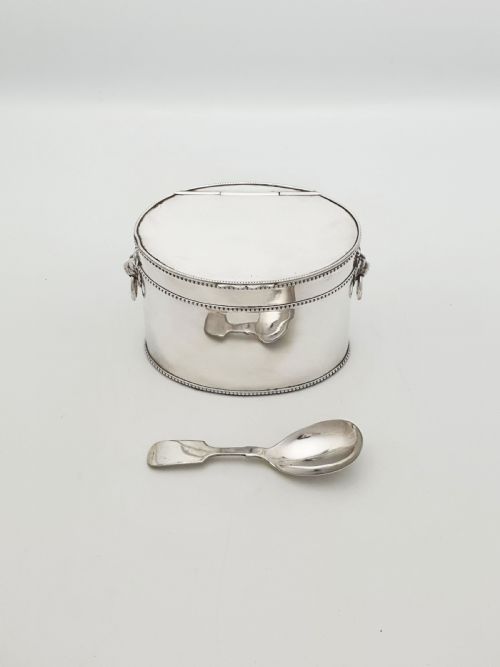
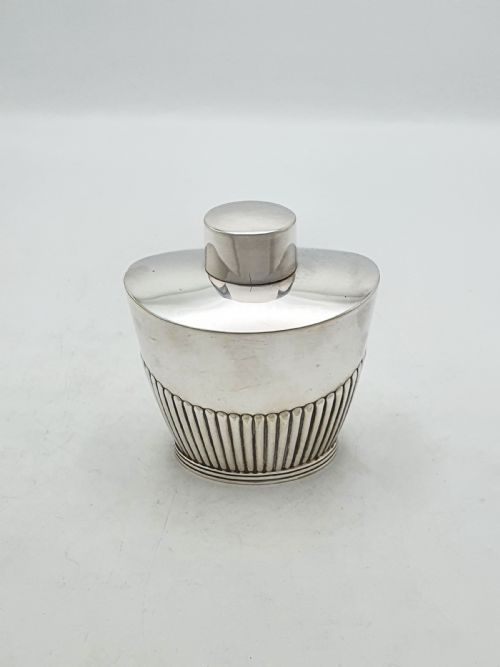
A silver tea storage box, also known as a tea caddy, is designed to preserve the aroma and flavour of loose leaves. These containers date from the Victorian and Edwardian eras, reflecting the domestic habits of the nineteenth and twentieth centuries.
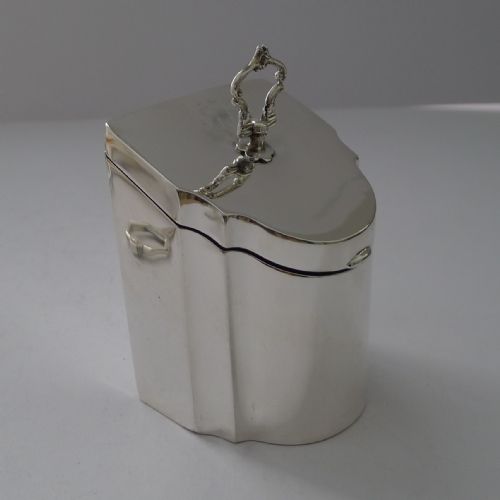
The pieces seen on this page include sterling silver and silver plated examples. Collectors encounter specific forms such as the knife box form alongside traditional caddy shapes.
Origins span the late nineteenth century through to nineteen ten, encompassing Victorian and Edwardian stylistic preferences.
How They Were Made
Maker workshops produced these items using sterling silver and silver plate. Silversmiths shaped the metal through forming and joining techniques to create durable containers suitable for domestic use.
Surface decoration and structural design align with Victorian and Edwardian manufacturing standards. Workshops employed skilled metalworkers to execute hinged lids and secure closures.
Retail Price Guide 2026
Typical UK retail prices for silver tea storage box, calculated from the Sellingantiques database of over a million retail prices indexed since 2003. This retail price guide relies exclusively on Sellingantiques data; no external sources or auction records are used, so the figures do not describe the wider market.
Victorian tea caddies kept precious leaves under lock and key, ensuring servants could not quietly help themselves to a private brew.
What Varies in Quality
The distinction between standard items and superior examples rests on the choice of material. Sterling silver specimens hold a different status compared to silver plated alternatives.
Maker attribution influences the standing of a piece within the range. Specific silversmith firms imparted higher levels of finish and design execution.
William Hutton & Sons Ltd·William Hutton
The Silver Tea Storage Box Glossary
- Tea Caddy
- A vessel designed for storing tea leaves. These containers kept precious leaves secure and dry.
- Sterling Silver
- A precious metal alloy containing a high proportion of pure silver. It forms the primary material for the finest caddies.
- Silver Plate
- A base metal coated with a thin layer of silver. This material offered a polished appearance at a different production cost.
- Knife Box Form
- A sloping cabinet shape reminiscent of cutlery storage. This architectural style appears in specific Victorian caddies.
Frequently Asked Questions
How were silver tea caddies used?
Historically, these boxes sat in the parlour or dining room to store expensive tea leaves. Because tea was a costly commodity, the container typically featured a lock and key.
Servants or the master of the house dispensed the leaves for each sitting, ensuring the contents remained secure and fragrant.
How do I date a silver tea caddy?
Dating relies on hallmarks stamped into the metal, which indicate the assay office and year of manufacture. Stylistic cues also point to the Victorian or Edwardian eras.
Makers' marks provide further confirmation of the production period and the silversmith workshop involved.
Are these caddies made of solid silver?
Listings include both sterling silver and silver plated items. Sterling silver consists of solid precious metal, whilst silver plated versions use a base metal core.
Examining the metal and any associated hallmarks reveals the specific material composition of each piece.