

Hallmarked Silver Caddy
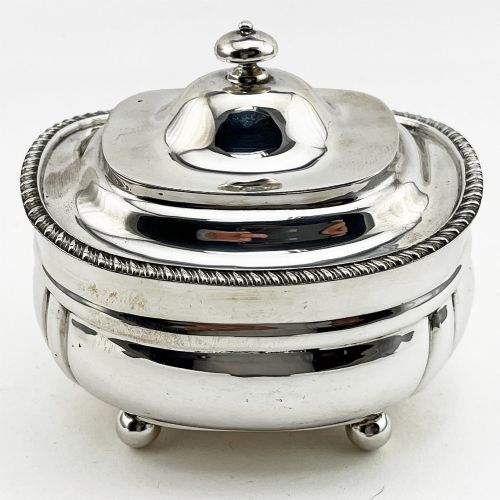
These pieces of hallmarked silver caddy bring functional elegance to the table, offering the refined weight and gleam that collectors seek.
What They Are
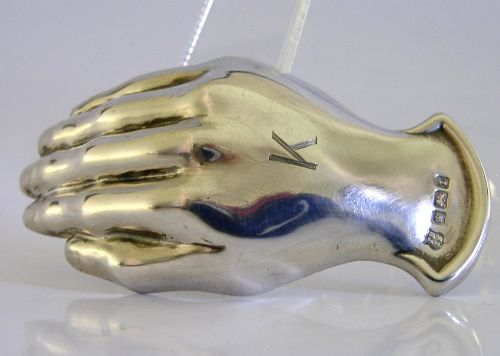
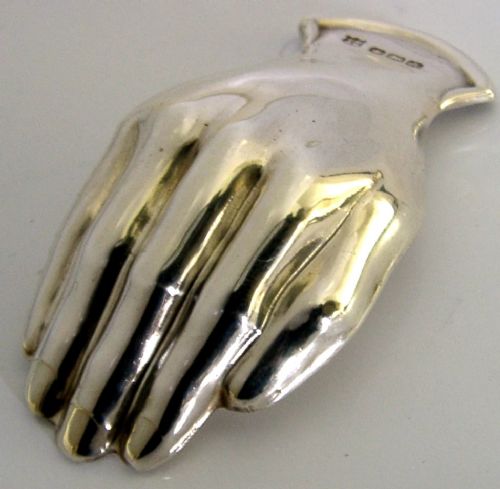
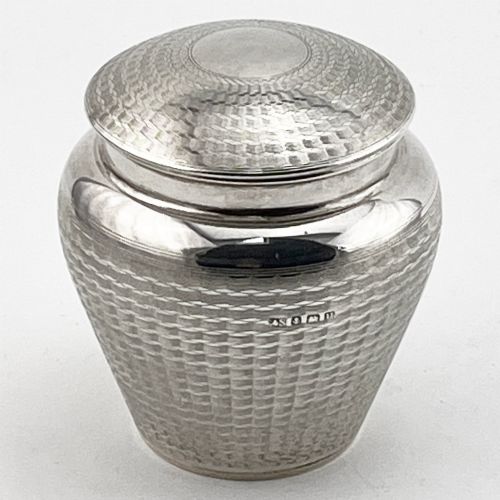
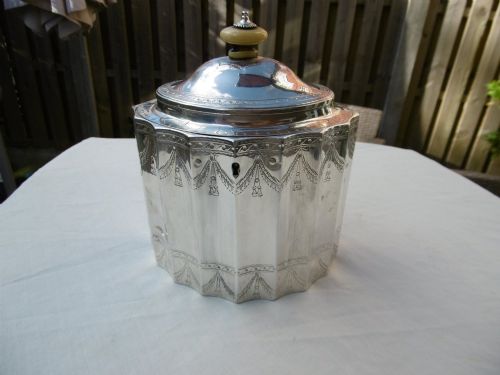
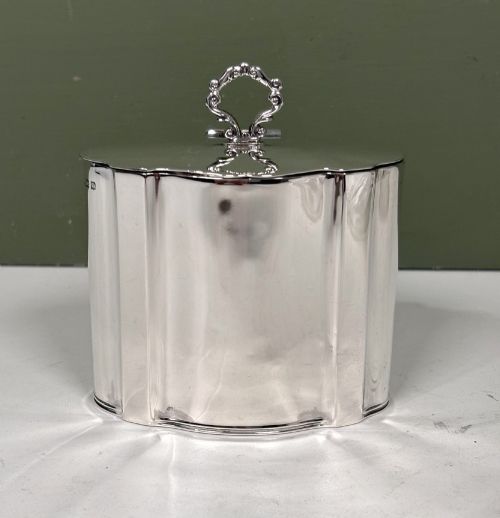
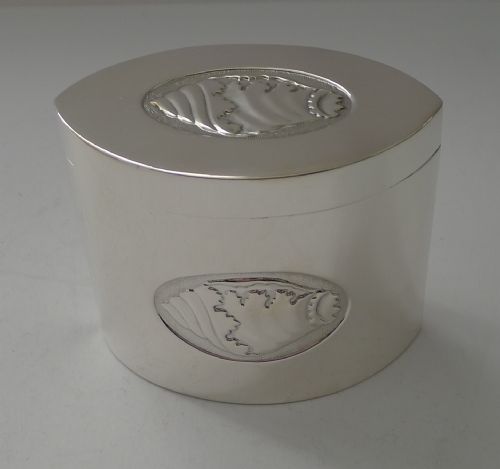
A hallmarked silver caddy is a small vessel designed for storing dried tea leaves securely. The selection on this page centres on pieces created during the Victorian, Edwardian, and George III periods, alongside related items such as caddy spoons.
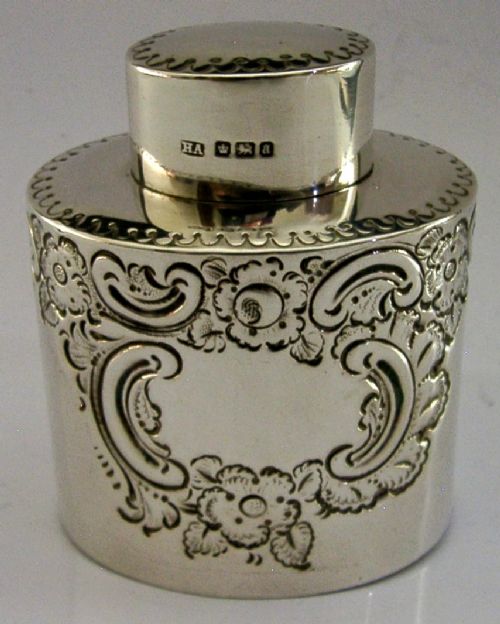
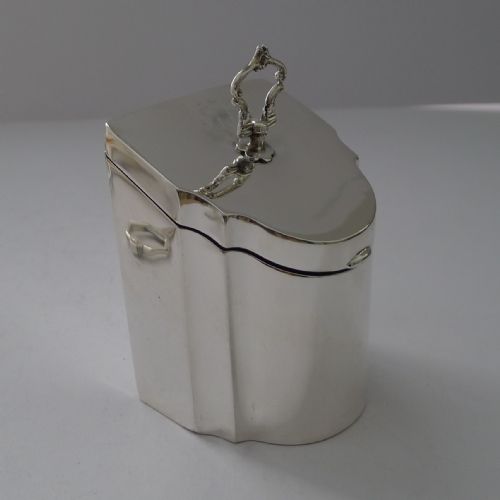
Most examples take the form of traditional tea caddies, though variations include knife box forms and cut crystal combinations. Makers utilised sterling silver across these objects, often pairing the metal with glass elements.
Origins span English assay offices including London, Birmingham, and Chester. Collectors encounter both standalone caddies and fitted pieces complete with matching spoons.
How They Were Made
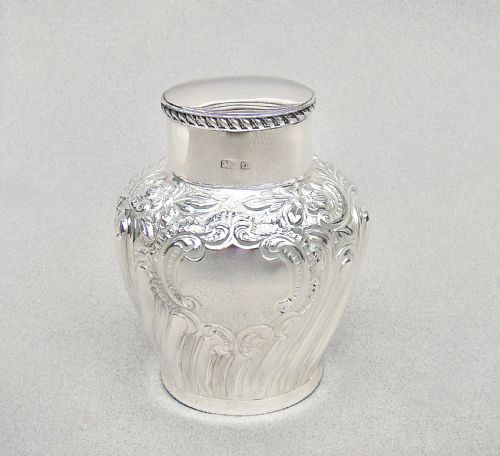
Silversmiths constructed these caddies primarily from sterling silver, employing techniques such as fluting and forming to shape the metal bodies. Neo-rococo and other period styles guided the decorative choices applied to the surface.
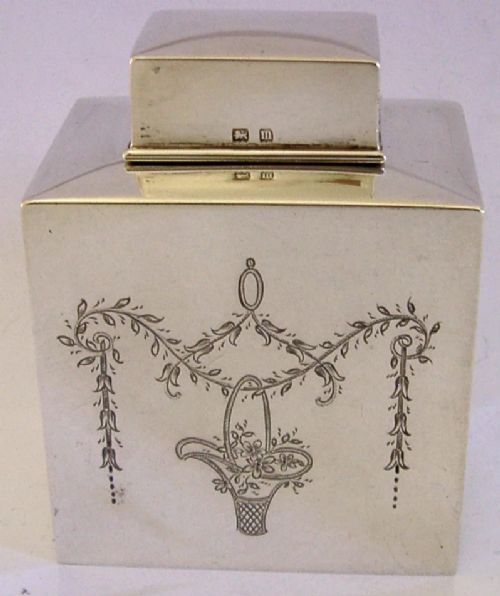
Certain designs combine sterling silver mounts with cut crystal vessels, demanding precision in both metalwork and glass cutting. Official assay office hallmarks stamped onto the metal record the standard of silver and the year of creation.
Retail Price Guide 2026
Typical UK retail prices for hallmarked silver caddy, calculated from the Sellingantiques database of over a million retail prices indexed since 2003. This retail price guide relies exclusively on Sellingantiques data; no external sources or auction records are used, so the figures do not describe the wider market.
Silver jockey cap caddy spoons exist because apparently even tea service required a nod to the racetrack.
What Varies In Quality
The distinction between standard production and exceptional work rests on the crispness of the chasing, the weight of the sterling silver, and the harmony of any associated cut crystal. Pieces bearing crisp hallmarks from notable makers command greater attention from discerning collectors.
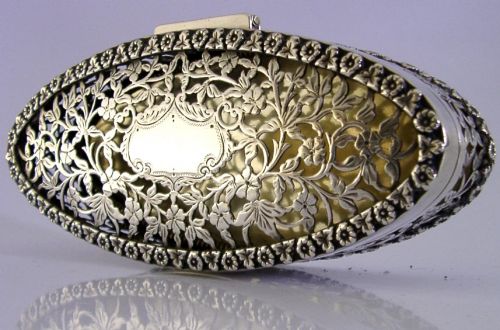
Detailing such as rose motifs or specialised shapes like knife box forms demonstrate the maker's ambition. The survival of fitted caddy spoons matching the main vessel also elevates the integrity of the piece.
Samuel Walton Smith·Levi & Salaman·Elizabeth Morley·Joseph Read·George Unite·Josiah Snatt·William Pugh·Charles Reily & George Storer·William Neale and Son
The Hallmarked Silver Caddy Glossary
- Hallmark
- Official marks stamped onto precious metal items to guarantee the purity of the silver. These stamps typically identify the maker, the assay office, and the year of manufacture.
- Caddy spoon
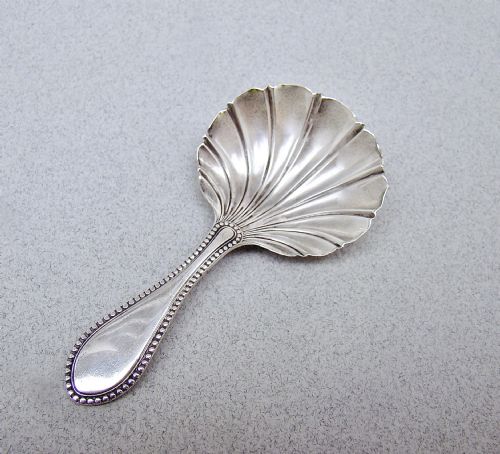
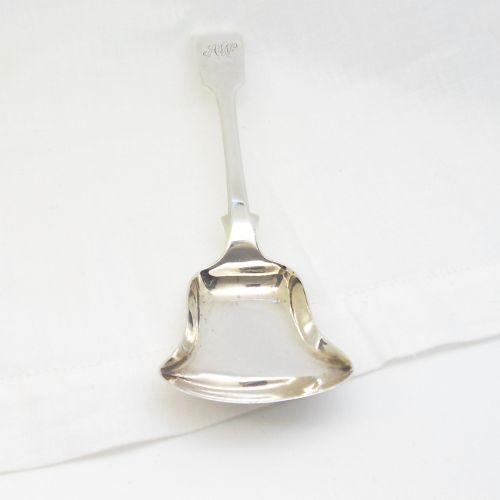
- A specialised small spoon used for measuring out loose tea leaves from the caddy. Many feature decorative handles shaped like shells or floral motifs.
- Sterling silver
- An alloy of silver containing ninety-two point five percent pure silver and seven point five percent other metals, usually copper. This standard has been the bedrock of British silver manufacturing for centuries.
- Assay office
- A designated body responsible for testing the purity of precious metals and stamping them with official hallmarks. London, Birmingham, and Chester are prominent English examples seen on these pieces.
Frequently Asked Questions
What is a hallmarked silver caddy?
A hallmarked silver caddy is a lidded container originally built to store dry tea leaves safely away from moisture and light. These vessels range from simple geometric boxes to ornate structures adorned with fluting.
Assay office stamps guarantee the silver standard and provide a paper trail back to the silversmith.
How were caddy spoons used?
Caddy spoons served the specific task of scooping loose tea leaves from the caddy into the teapot. Their shallow bowls and short handles were proportioned for reaching inside small container openings.
Craftsmen often decorated these spoons with shell bowls or floral handles to match the style of the main tea caddy.
How do I date a silver caddy?
Dating relies primarily on the stamped hallmarks, which include a specific letter code corresponding to the year the piece was assayed. Stylistic indicators like Edwardian floral details or Victorian neo-rococo scrolls also offer strong chronological clues.
Comparing the maker's mark against historical records narrows down the active period of production.
Can I use these for modern tea storage?
These antique caddies function well for storing dry loose leaf tea provided the interior remains clean and dry. Many collectors prefer to display them as decorative objects on sideboards or dining tables.
Gentle care ensures the sterling silver and any cut crystal elements survive without sustaining damage.