




Engraved Silver Caddy
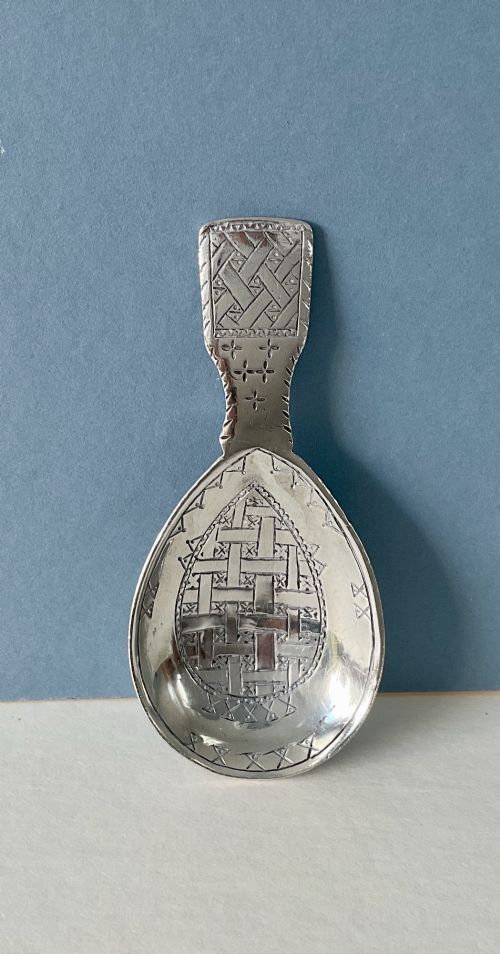
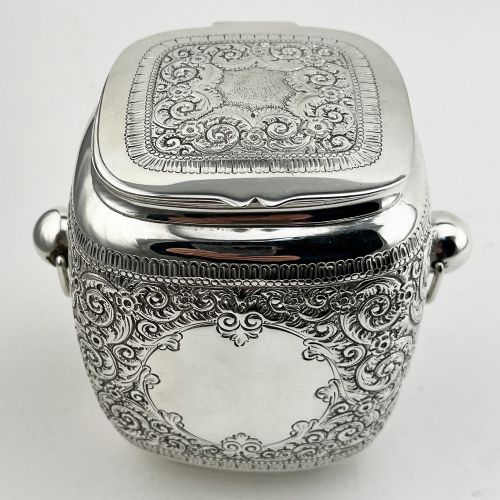
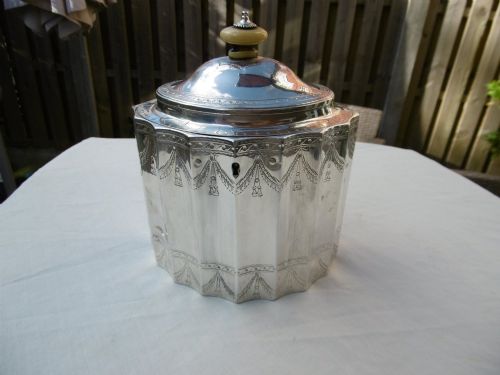
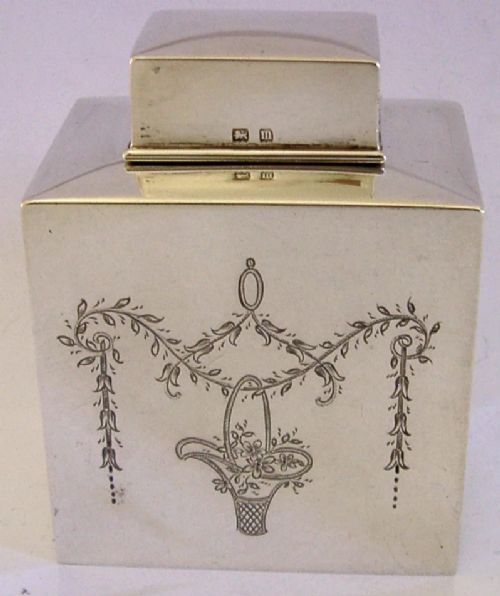
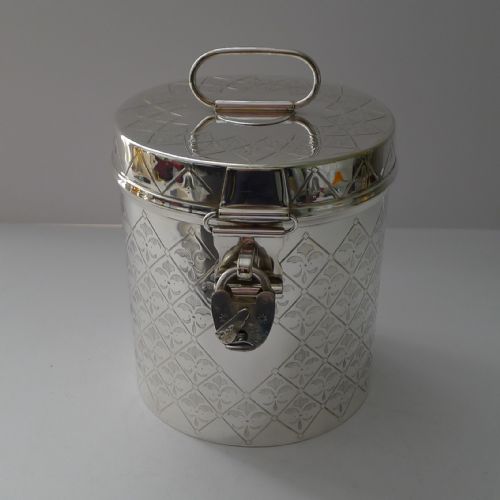
An engraved silver caddy is a small vessel or container meant to store leaf tea, shaped by periods from the eighteenth century to the twentieth.
Engraved Silver Caddy
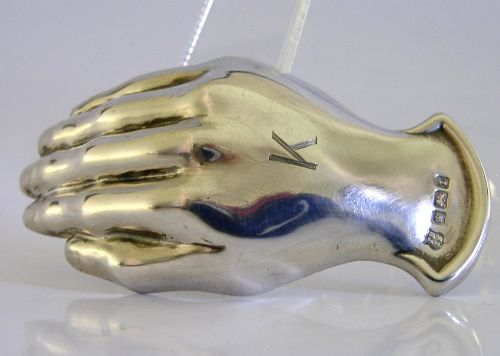
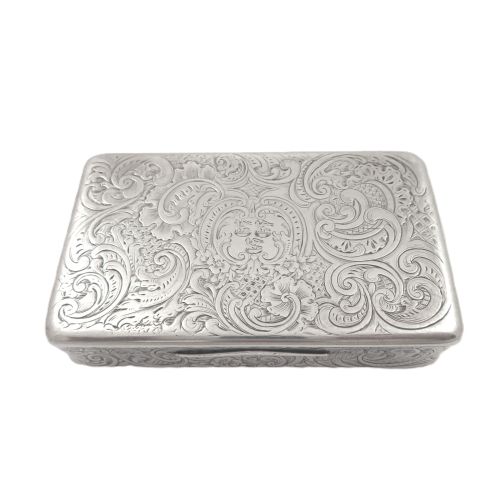
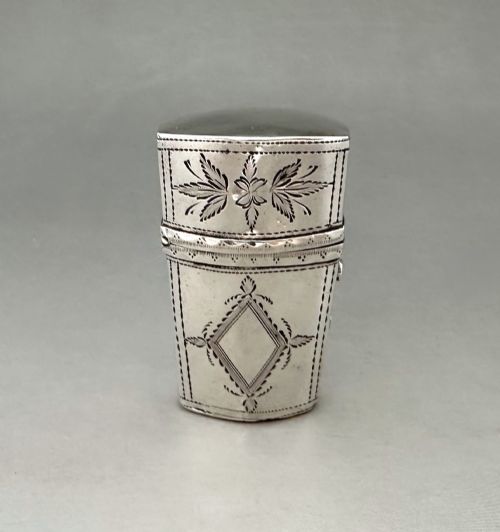
An engraved silver caddy encompasses tea caddies, boxes, and caddy spoons shaped during the Georgian, Victorian, and Edwardian periods.
The objects derive from British provincial and London assay offices, alongside continental European workshops.
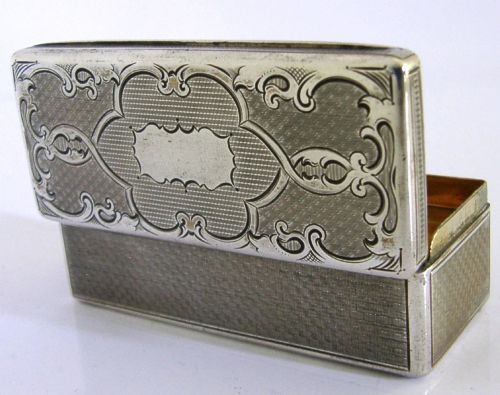
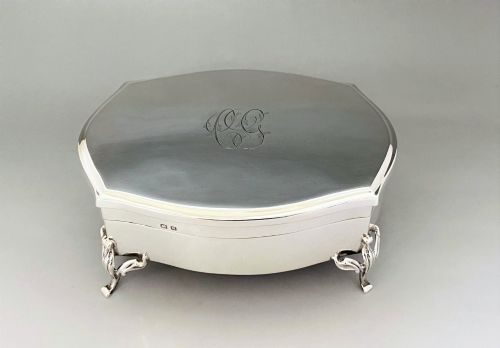
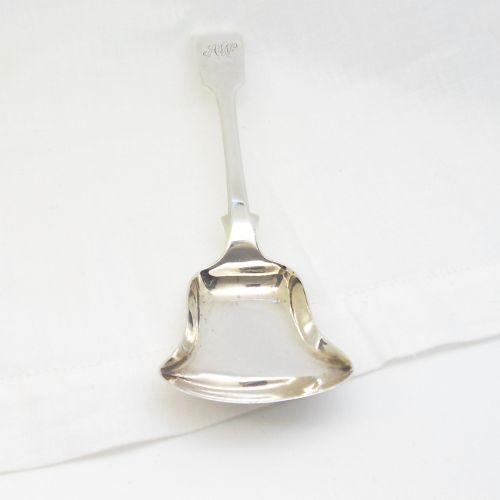
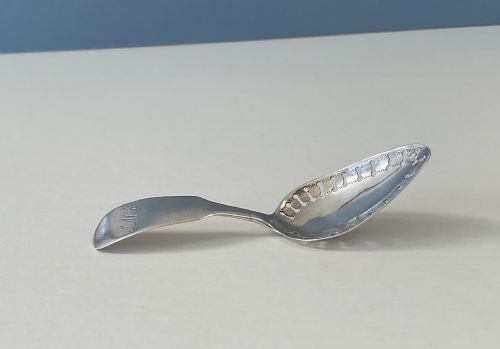
The selection ranges from small spoons with engraved bowls to larger lidded boxes intended for leaf tea or biscuits.
Materials and Technique
Makers utilised sterling silver, solid silver, and silver plate, occasionally combining glass, bone, or gold gilt.
Surface decoration relies on manual engraving, producing floral scrolls, feathers, and birds across lids and bowls.
Listings feature items spanning the Georgian, Victorian, and Edwardian eras, executed in sterling silver and silver plate.
Judging Quality
Quality rests upon the crispness of the engraving and the weight of the metal gauge.
Pieces from known makers or provincial towns show superior definition in chasing and piercing.
Martin Hall And Co·Mappin And Webb·Robert Hennell·Zimmermann·John Walton·William Neale·Joseph Wilmore·Robert And Belk·George Unite
The Engraved Silver Caddy Glossary
- Caddy spoon
- A short-handled spoon designed to measure dry tea leaves from a caddy into a pot. These often feature shell bowls and engraved handles.
- Hallmark
- A series of stamped official marks indicating metal purity, assay office, and year of manufacture. British silver relies on these for dating.
- Sterling silver
- An alloy consisting of a fixed proportion of silver and other metals to ensure durability. Most British pieces conform to this standard.
- Silver plate
- A base metal coated with a thin layer of silver. This technique allowed makers to produce larger boxes affordably during the Victorian era.
Engraved Silver Caddy: Frequently Asked Questions
What is an engraved silver caddy used for?
These vessels served to store and protect dry tea leaves from moisture and air in domestic parlours.
Smaller examples like caddy spoons measured out precise portions for the teapot.
How do I date an antique silver caddy?
Dating relies primarily on the stamped hallmarks showing the assay office mark and date letter.
Stylistic cues like Georgian fluting or Edwardian floral scrolls also assist in determining age.
What is the difference between solid silver and silver plate?
Solid silver consists of a uniform metal alloy throughout the entire object, adhering to strict purity standards.
Silver plate applies a thin coating of precious metal over a base metal core.
How should I clean my silver caddy?
Maintenance requires a soft cloth and gentle silver polish to remove tarnish without scratching the engraved details.
Harsh chemical dips should be avoided to preserve the original surface finish.