




Brown Tortoiseshell Box
These brown tortoiseshell box pieces combine natural shell with precious metals, offering both practical utility and fine decorative appeal for your desk or pocket.
What They Are
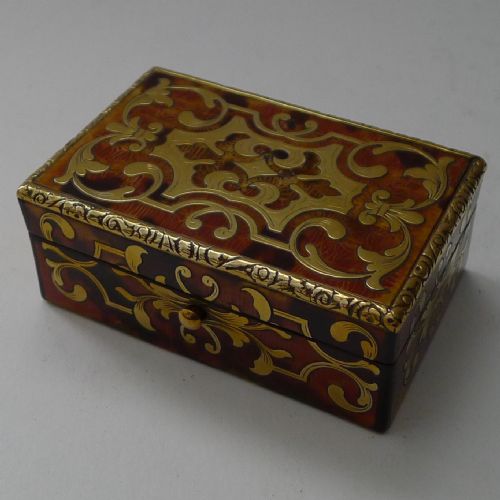
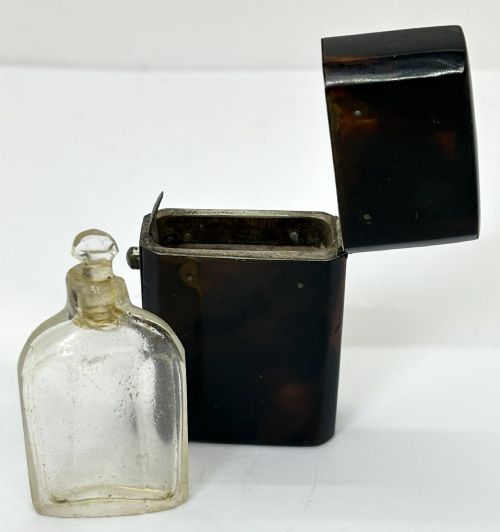
When you search for a brown tortoiseshell box, you encounter items designed for personal use and desk organisation, spanning from the early nineteenth century to the early twentieth century. The selection includes pocket-sized snuff boxes and larger desk accessories such as string or twine boxes.
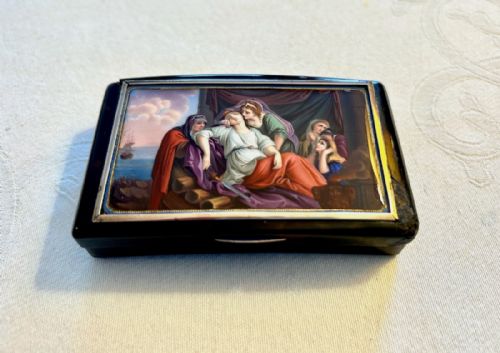
The English examples lean towards Edwardian desk accessories finished with sterling silver mountings, while Swiss pieces tend toward the earlier Neoclassical period, featuring hand-painted lids. These forms reflect the shifting domestic habits from snuff-taking to desk organisation across the decades.
How They Were Made
The makers formed these objects primarily using natural tortoiseshell, often paired with sterling silver or gold. Artisans also applied delicate paintwork directly onto the shell surface, particularly on earlier Swiss pieces.
Metal mounts and hinges secure the structured shell panels together. The combination of organic material with precious metals requires careful joining techniques suited to thin sheets of tortoiseshell.
Materials recorded on this page include tortoiseshell, gold, paint, and sterling silver.
What Varies in Quality
Quality rests upon the fineness of the painting and the precision of the metal mounts. Hand-painted lid scenes show varying levels of artistic skill and detail.
The integration of sterling silver or gold fittings dictates the prestige of the piece. Sturdier construction of the underlying shell and mountings distinguishes superior examples.
The Brown Tortoiseshell Box Glossary
- Tortoiseshell
- A natural organic material derived from the shell of certain marine turtles, valued for its translucent amber and brown mottling. It provides the primary body for these containers.
- Sterling Silver
- A silver alloy containing 92.5 percent pure silver and 7.5 percent other metals, typically copper. It appears in mounts, hinges, and string box hardware.
- Neoclassical
- A Western cultural movement drawing inspiration from the classical art and culture of ancient Greece and Rome. This style influences the decorative motifs found on the earliest pieces.
- Edwardian
- Pertaining to the reign of King Edward VII, noted for refined decorative arts and domestic accessories. Pieces from this period often incorporate sterling silver details.
- Snuff Box
- A small pocket container designed to hold pulverized tobacco known as snuff. These items frequently feature painted lids and compact proportions.
Frequently Asked Questions
What is a brown tortoiseshell box used for?
These boxes serve either as pocket containers for holding snuff or as desktop accessories for dispensing string and twine. Their dual nature reflects both personal habits and stationery organisation.
Over time, their function shifted from portable luxury items to decorative desk pieces meant for stationary display.
How do I identify an Edwardian piece?
Edwardian examples typically date around nineteen hundred and feature sterling silver mountings applied to the tortoiseshell body. They often take the form of larger desk accessories rather than small pocket items.
The inclusion of British silver hallmarks helps confirm the period and origin of these specific desk pieces.
Are these boxes made of real shell?
Yes, genuine pieces utilise natural tortoiseshell harvested and worked by artisans during the manufacturing periods. The material displays characteristic translucent brown and amber patterns.
Careful inspection reveals the organic grain and warmth unique to natural shell as opposed to synthetic substitutes.
Where were these items made?
The available pieces originate from England and Switzerland, reflecting distinct regional craftsmanship. Swiss makers focused on painted pocket snuff boxes around eighteen hundred.
English makers later produced heavier desk accessories incorporating sterling silver during the Edwardian era.