
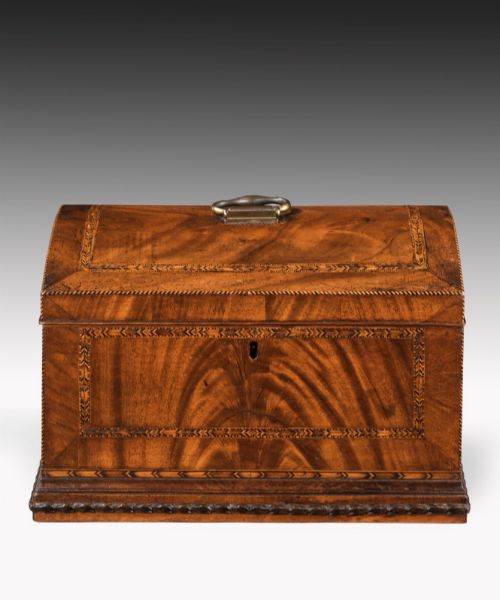
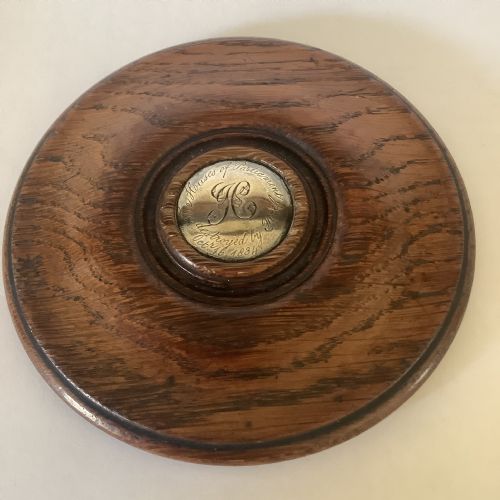
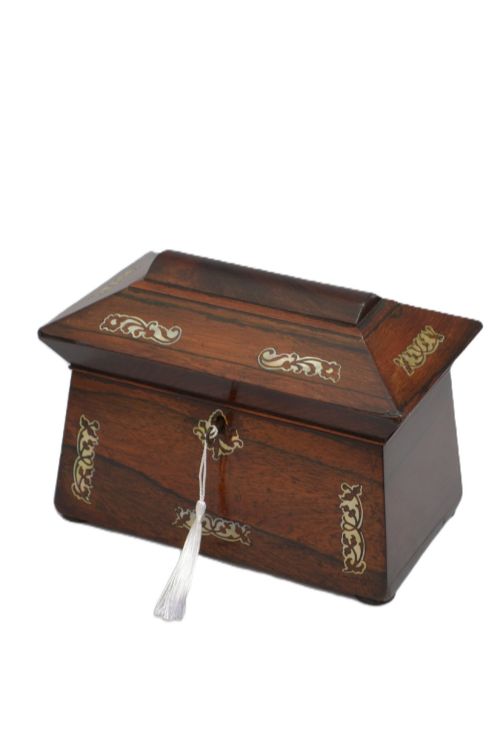
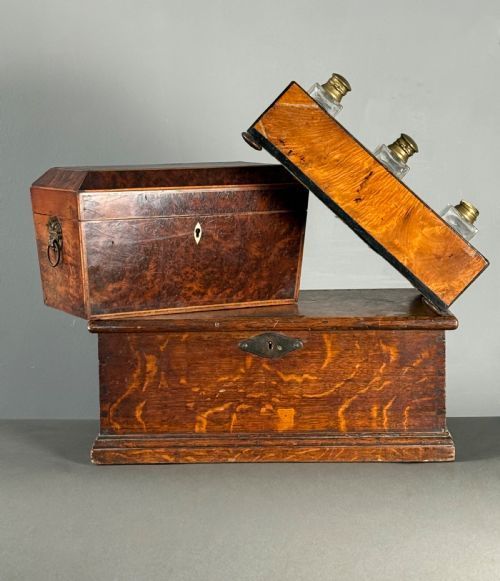

Georgian Trinket Box
A georgian trinket box brings pocket-sized elegance to a desk or dressing table, offering miniature craftsmanship in enamel, silver-gilt and fine timbers.
What a georgian trinket box is
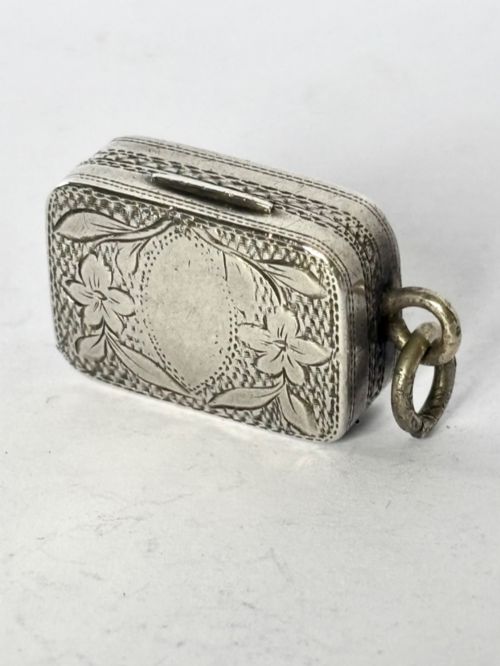
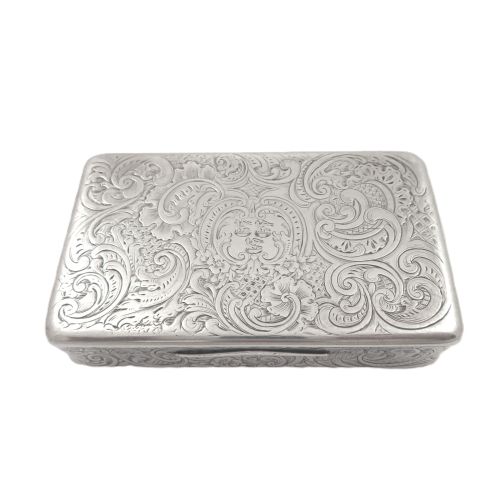
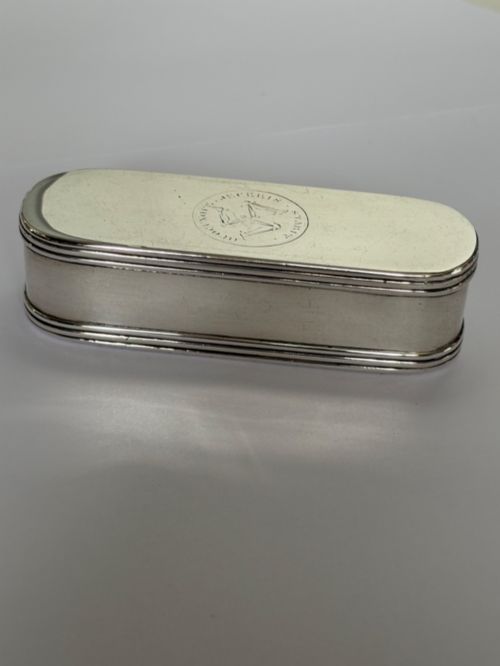
A georgian trinket box encompasses small containers made for vanity, desk or pocket use, appearing as patch boxes, snuff boxes and hinged trinket receptacles. These pieces bridge the late eighteenth century and the early decades of the nineteenth century.
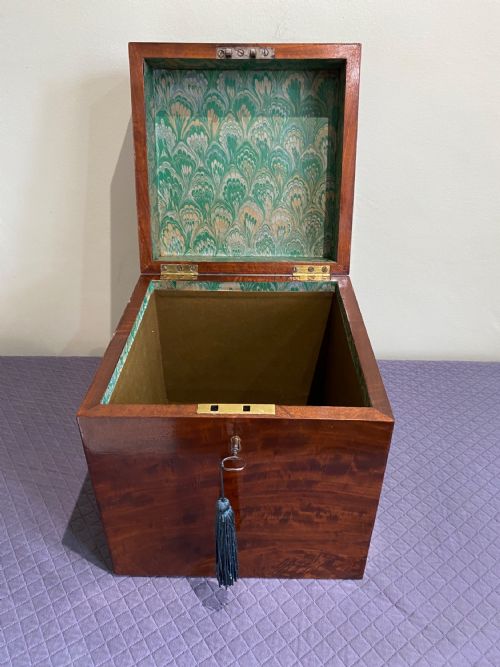
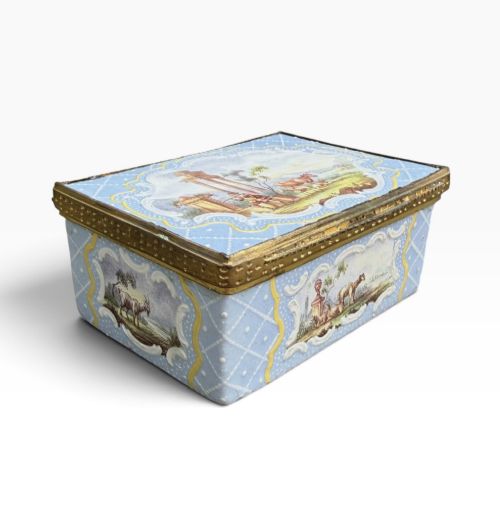
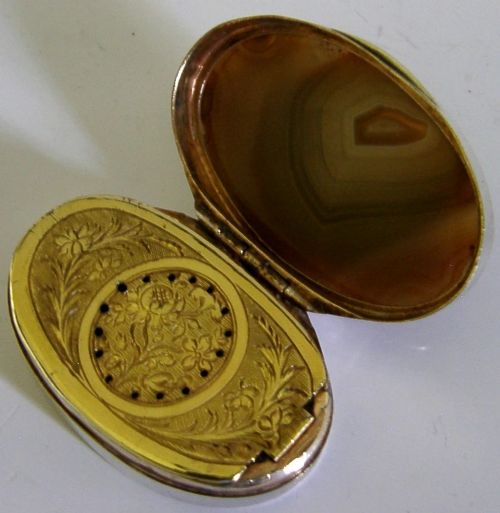
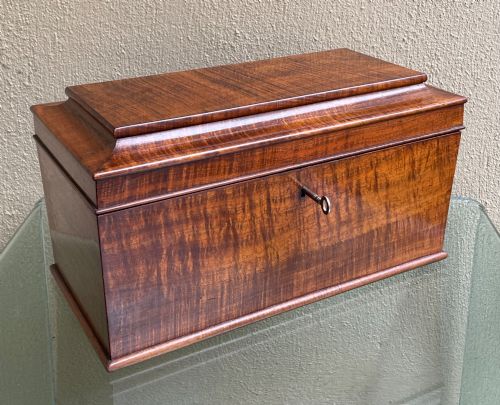
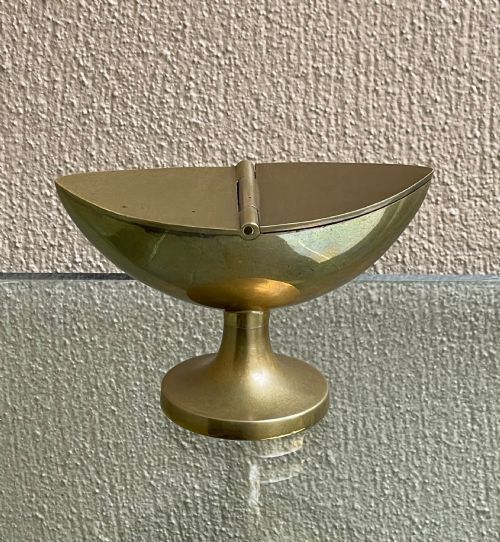
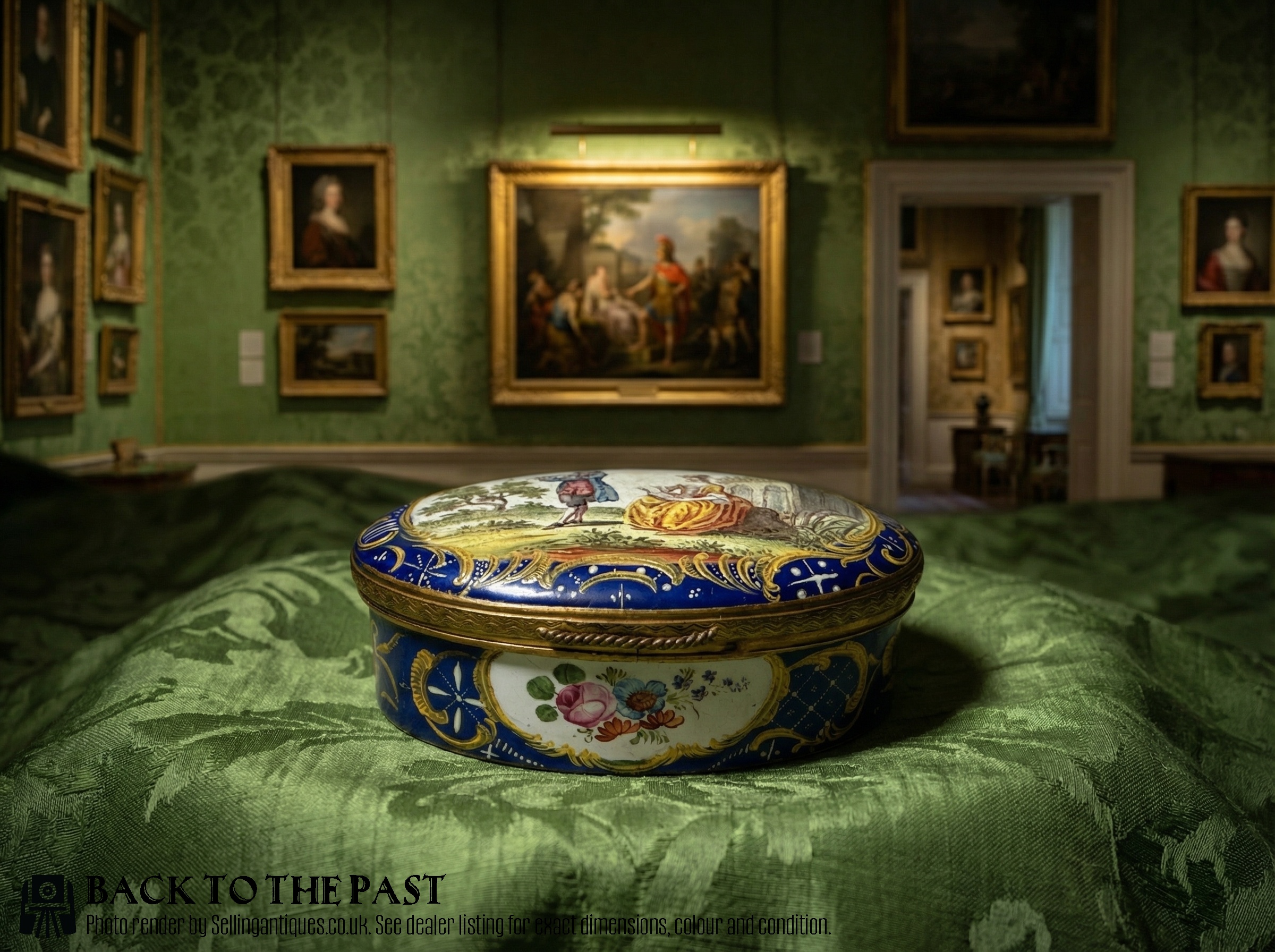
Buyers meet enamelled copper bodies and precious metal mounts alongside timber examples veneered in mahogany or rosewood. The material palette shifts from vibrant painted enamel panels to polished banded agate and gleaming brass fittings.
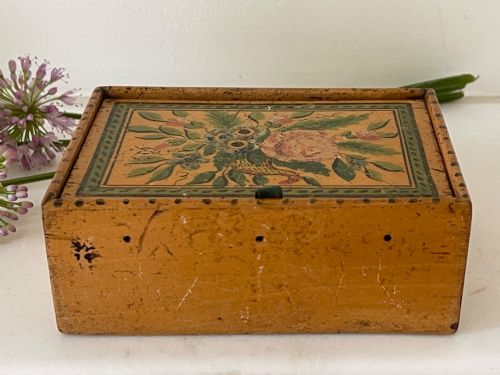
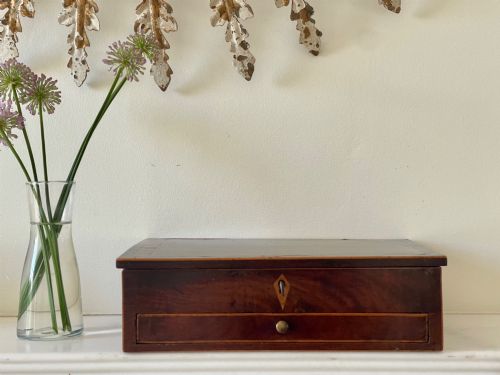
Forms vary from oval and rectangular patch boxes carrying sentimental inscriptions to larger wooden boxes designed for dressing tables. The smaller enamel examples often double as snuff boxes or tokens of esteem.
How they were made
Makers formed the body of enamel boxes from shaped copper, coating the surface in white or coloured enamel before applying hand-painted scenes and inscriptions. Silver-gilt and gilded metal provided structural mounts and hinges that secured the lids.
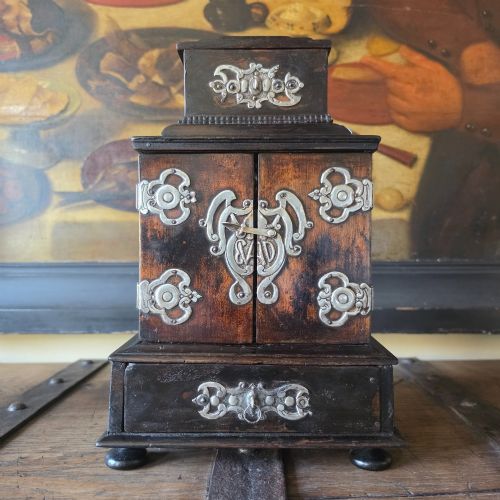
Wooden versions utilised dense hardwoods such as mahogany and rosewood as a carcase, finished with decorative veneers and fitted with brass hinges, locks and corners. Agate panels were sliced and polished before being set flush into gilt metal frames.
Retail Price Guide 2026
Typical UK retail prices for georgian trinket box, calculated from the Sellingantiques database of over a million retail prices indexed since 2003. This retail price guide relies exclusively on Sellingantiques data; no external sources or auction records are used, so the figures do not describe the wider market.
Materials span enamel, copper, brass, silver-gilt, vermeil, glass, and timbers like mahogany and rosewood.
What varies in quality
The sophistication of the hand-painted enamel decoration dictates the distinction in enamel pieces, where delicate brushwork and crisp lettering elevate a box above simpler designs. The weight and thickness of the copper base also signal higher workshop standards.
In wooden boxes, the choice of veneer grain and the precision of the brass fittings determine the refinement of the piece. Integrated silver-gilt mounts and intact vermeil surfaces show a superior original investment of materials.
The Georgian Trinket Box Glossary
- Patch box
- A small box originally used to hold cosmetic beauty patches worn on the face. These often feature mirrors inside the lid.
- Snuff box
- A hinged container designed for holding dry snuff tobacco. They are frequently pocket-sized and tightly sealed to preserve freshness.
- Silver-gilt
- Silver that has been coated with a thin layer of gold. This technique provides the rich appearance of solid gold.
- Vermeil
- Another term for gilded silver, often associated with high-status small containers from the period. It combines silver durability with gold lustre.
- Banded agate
- A variety of chalcedony displaying natural concentric stripes or bands. Craftsmen polished these stones to serve as decorative lids.
Frequently Asked Questions
What were georgian trinket boxes used for?
These small containers held personal items such as cosmetic patches, powdered tobacco, or small keepsakes and tokens of esteem. Their pocket-sized nature meant they were carried on the person or kept close at hand on dressing surfaces.
Over time, their precise functions evolved as fashions changed, turning them into decorative collectors' items. Today they serve to hold rings and small pins rather than historical cosmetics.
How do I date a georgian trinket box?
Dating relies on examining the materials, construction methods, and any identifiable inscriptions or hallmarks present on the metal mounts. Enamel boxes from the eighteenth century often display distinct copper bases and hand-mixed enamel colours.
Wood varieties utilise period timbers like mahogany and rosewood combined with specific brass hardware styles. Comparing these physical traits with documented examples helps narrow down the decade of manufacture.
Are these boxes made of solid silver?
Many metal boxes from this era utilise silver-gilt or gilded metal rather than solid precious metal throughout. Copper served as the primary core for enamel pieces, while mounts used silver or base metals washed in gold.
Precious metal components are typically confined to the bezels, hinges, and occasional structural frames. Hallmarks, when present, provide definitive proof of the metal standard used.
How should I care for an antique box?
Protect delicate enamel surfaces from sharp impacts and sudden temperature changes, as the glass coating can chip or craze. Clean metal mounts gently with a dry or barely damp cloth without harsh chemical polishes.
Woodenveneers require stable humidity levels to prevent warping or lifting of the grain. Keep them out of direct sunlight to preserve the original colours of both the wood and painted scenes.