


Antique Enamel Trinket Box
These small lidded containers bring colour and fine detail to a dressing table.
Understanding the antique enamel trinket box
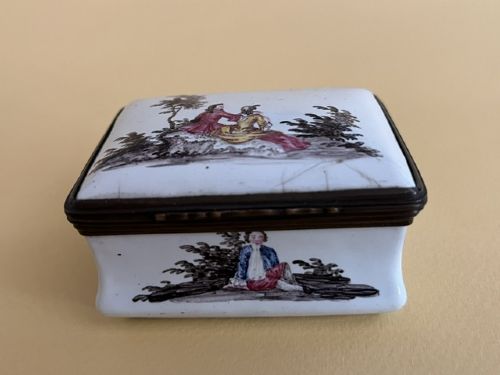
When you search for an antique enamel trinket box, you encounter small lidded containers designed for vanity surfaces and pockets. The selection spans Georgian Staffordshire productions alongside later silver and ormolu pieces.
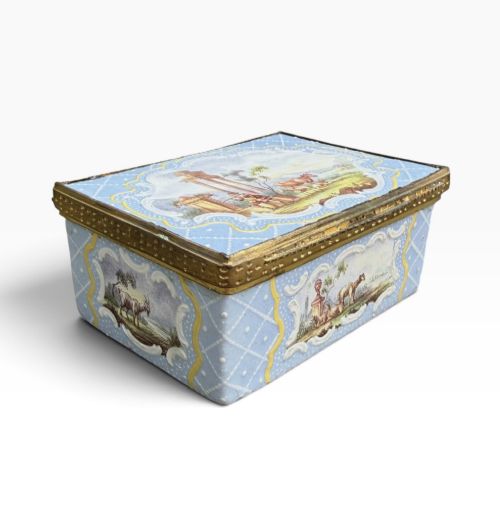
The regional English workshops of Bilston and South Staffordshire dominate the earlier examples. These eighteenth-century pieces often take the form of patch boxes or snuff boxes with hinged lids.
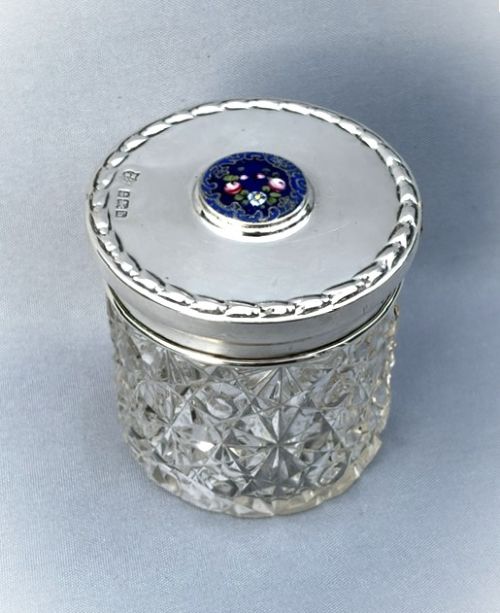
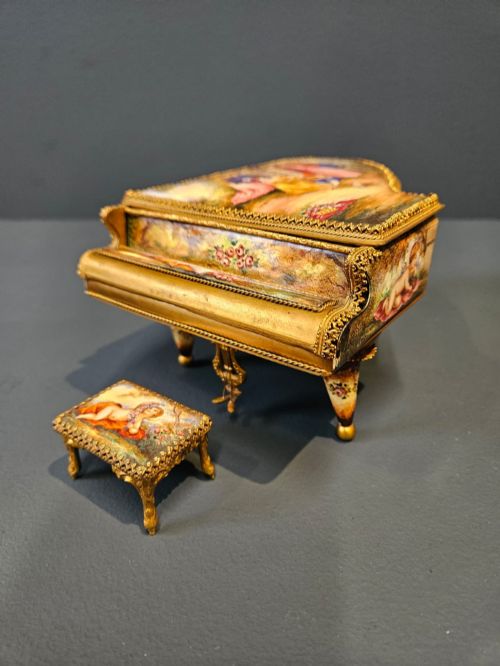
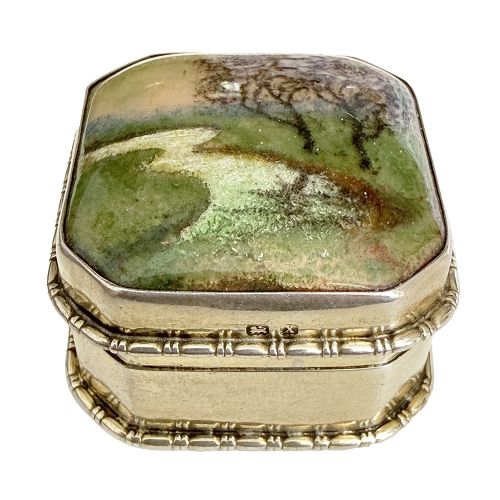
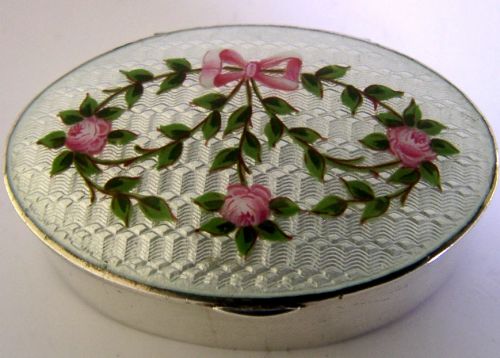
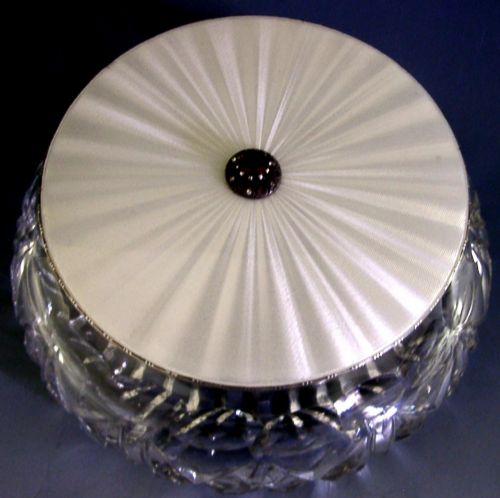
Later nineteenth and twentieth-century items introduce sterling silver and French gilt brass mountings. These incorporate coloured enamel panels, sometimes featuring floral motifs or figural scenes.
Materials and construction
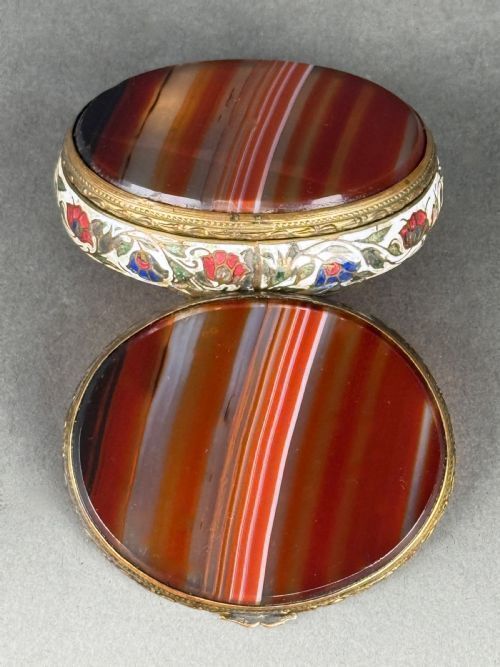
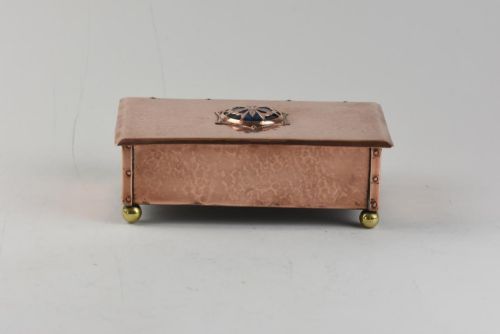
The core structure typically relies on copper, brass, or sterling silver, often shaped to house the vitreous coating. Gilt metal and ormolu provide structural frames and decorative bezels for the hinged lids.
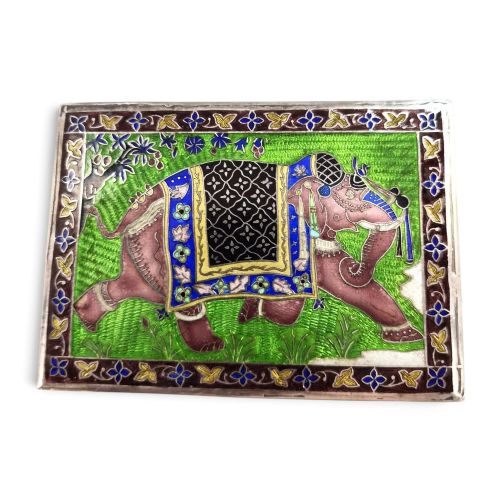
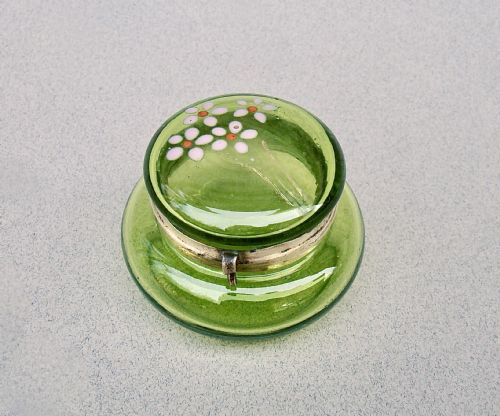
Vitreous enamel is fused to the metal base through high-temperature firing. Artisans apply pigments to create painted scenes or monochrome backgrounds, sometimes pairing the finish with inlaid elements or glass components.
Retail Price Guide 2026
Typical UK retail prices for enamel trinket box, calculated from the Sellingantiques database of over a million retail prices indexed since 2003. This retail price guide relies exclusively on Sellingantiques data; no external sources or auction records are used, so the figures do not describe the wider market.
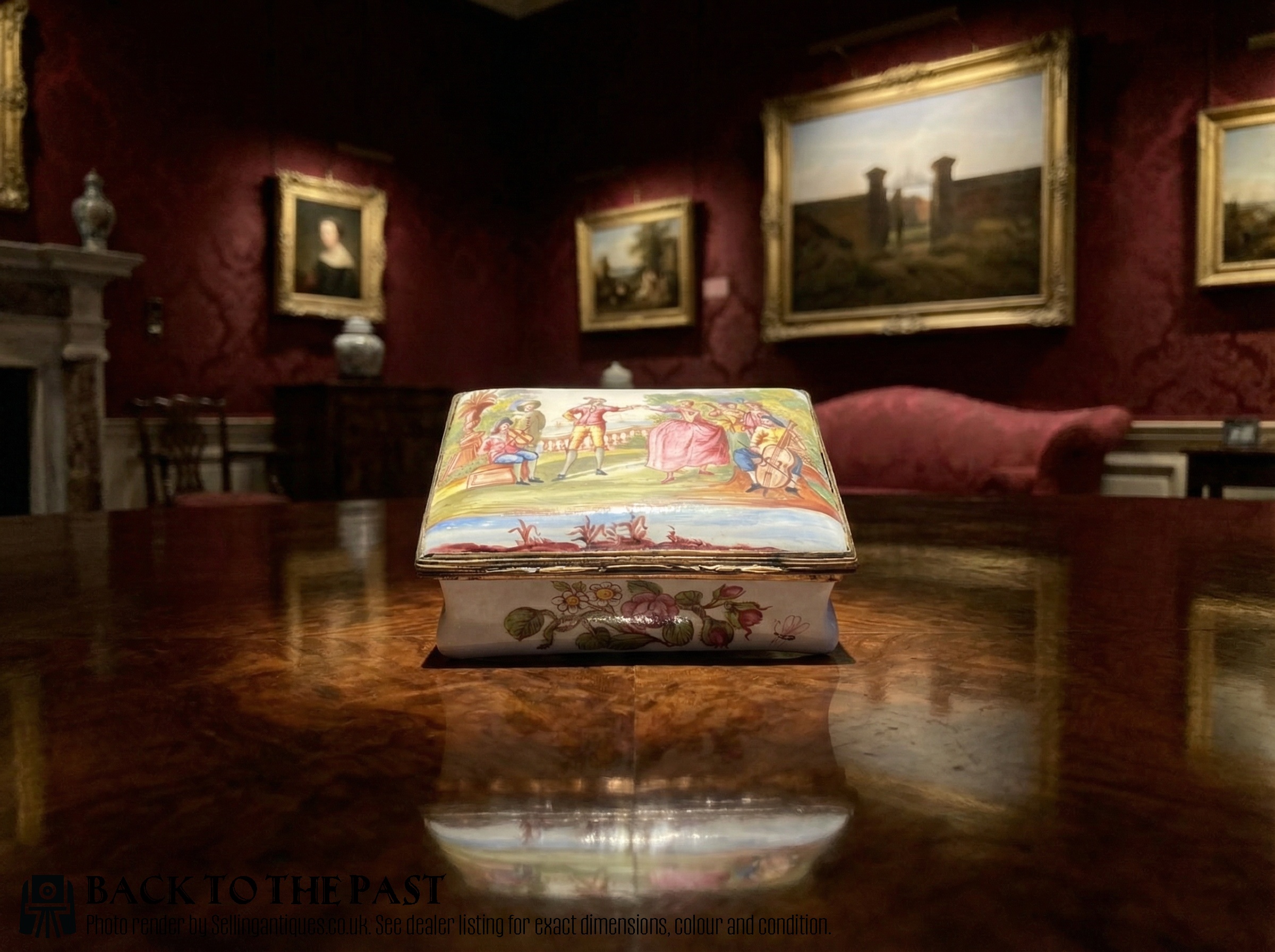
Musicians playing quietly in painted parklands gaze out from eighteenth-century lids.
Judging execution and finish
The precision of the painted miniature or transfer design dictates the visual appeal of an enamel surface. Subtle shading in parkland scenes or crisp definition on floral motifs mark out superior work.
The weight and finish of the metal mounts, whether gilt brass, copper, or sterling silver, reveal the standard of original manufacture. Tight hinges and secure closures demonstrate careful assembly by the maker.
The Antique Enamel Trinket Box Glossary
- Enamel
- A vitreous substance fused to a metal base through heat. This technique creates a smooth, glossy surface capable of holding detailed miniature paintings.
- Patch box
- A small container historically used to hold cosmetic patches made of silk or velvet. These Georgian items frequently incorporate mirror-fitted interiors.
- Ormolu
- Gilt bronze or brass used for mounts and decorative frames. This material provides a bright, golden accent to the coloured enamel panels.
- Guilloche
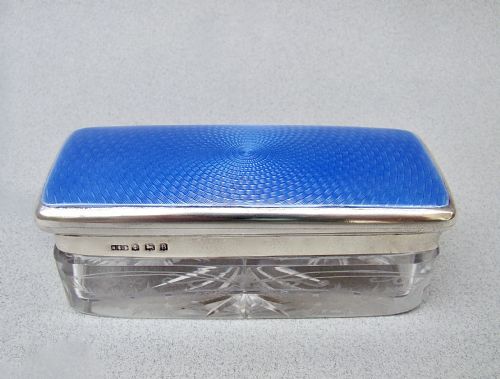
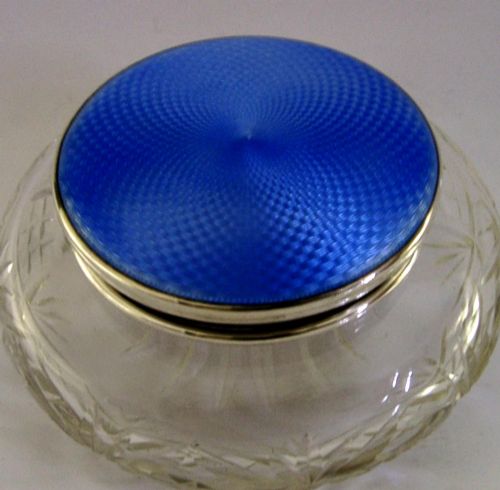
- An engraved geometric pattern beneath translucent enamel. The underlying metalwork shows through the coloured glaze to create a repeating visual texture.
- Bezel
- The metal rim securing the lid or base panel in place. Well-fitted bezels ensure the hinged components align correctly during use.
Frequently Asked Questions
What were these small boxes used for?
These containers held small personal items such as beauty patches, snuff, or pins. Eighteenth-century examples served social functions in pockets and purses.
Later Victorian and Edwardian pieces moved to dressing tables to store rings and small trinkets. Their enclosed design kept delicate items protected from dust.
How do I identify a Georgian box?
Georgian pieces often feature copper bases with hand-painted enamel lids depicting landscapes or figural scenes. The construction relies on simple hinge mechanisms and copper gilt mounts.
Later nineteenth-century items frequently employ sterling silver frames and machine-turned guilloche patterns. Checking the metal type and stylistic motifs clarifies the period.
How should I clean an antique enamel box?
Dust the surface gently with a soft, dry cloth to remove particles. Avoid soaking the piece in water, as moisture can affect the exposed metal edges and historic base materials.
Keep the items away from direct sunlight and harsh chemical cleaners. Gentle handling preserves the integrity of the vitreous glaze and metal mounts.
Where were English enamel boxes made?
The primary production centres were Bilston and South Staffordshire during the eighteenth century. Workshops in these regions specialised in copper containers with white or coloured enamel coatings.
Local artisans painted transfer or freehand designs directly onto the fired surface. These regional pieces remain distinct from later silver-mounted continental boxes.