




Antique Enamel Snuff Box
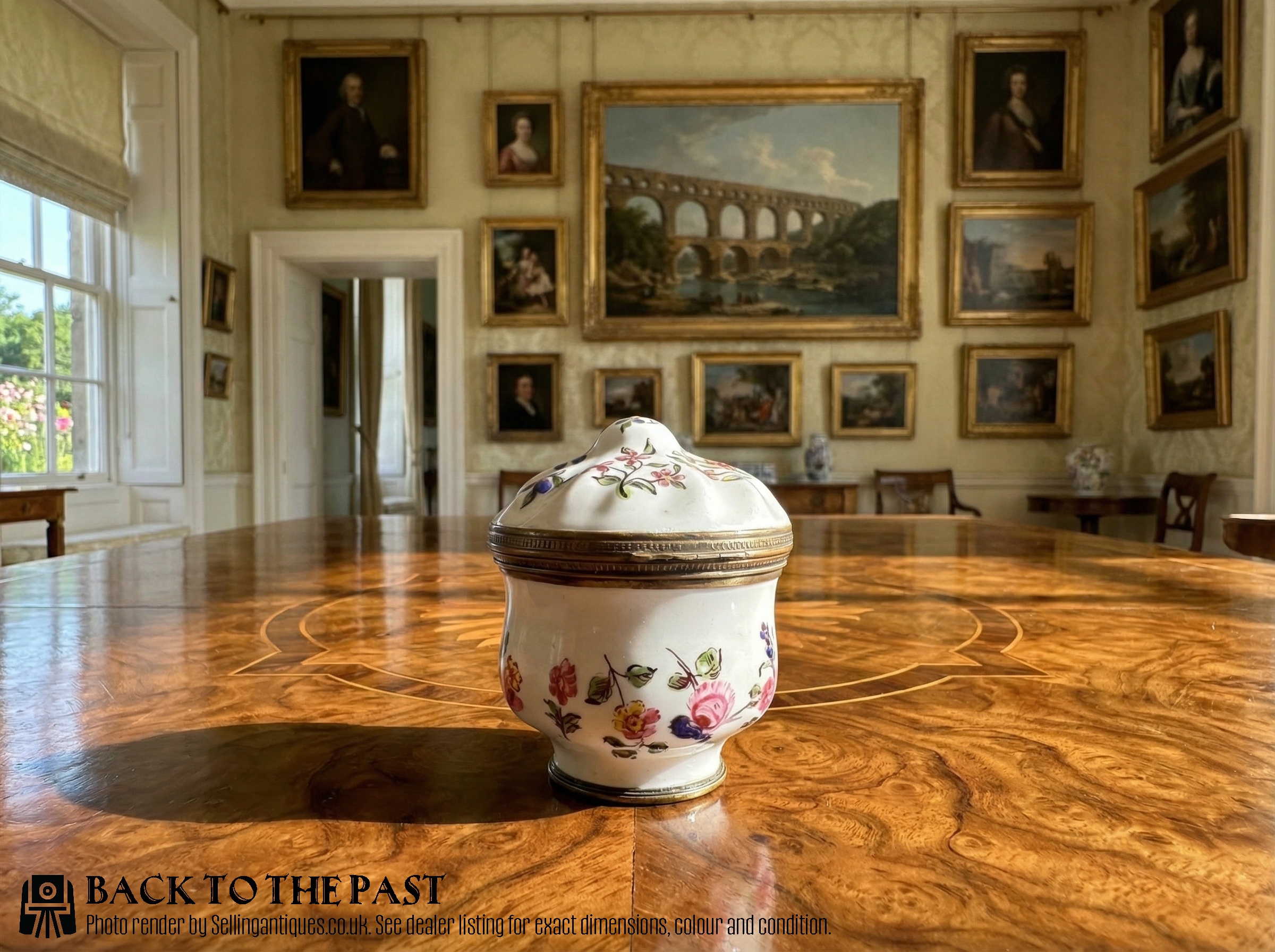
An antique enamel snuff box is a pocket-sized vessel designed for tobacco, holding miniature painted scenes and bright mineral colours under smooth glass.
Antique Enamel Snuff Box
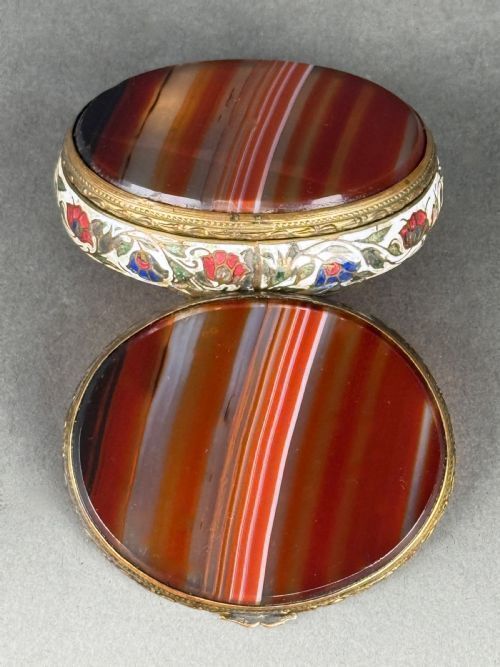
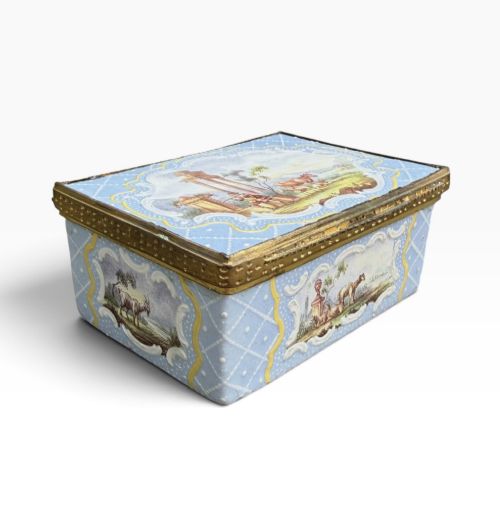
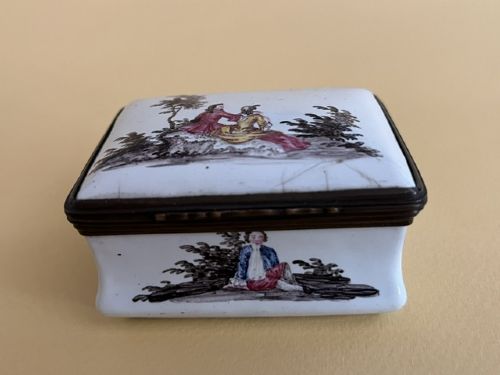
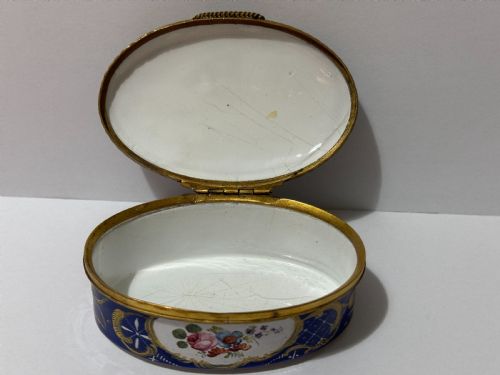
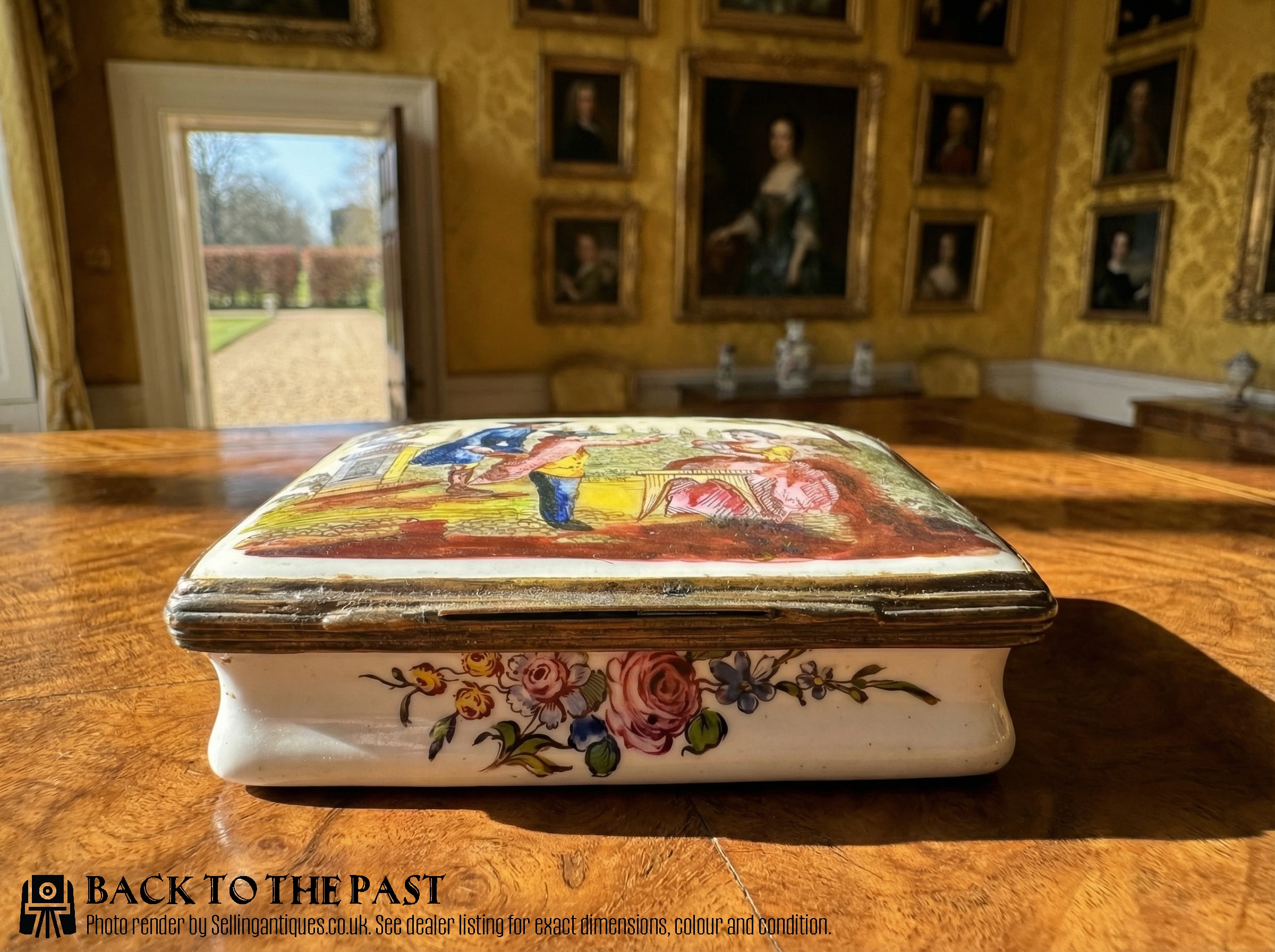
The search for an antique enamel snuff box brings together small lidded containers made to hold ground tobacco, alongside related patch boxes, pill boxes, and trinket boxes. You will frequently encounter eighteenth-century English examples originating from Staffordshire and Bilston, often painted with pastoral vignettes or inscribed love tokens.
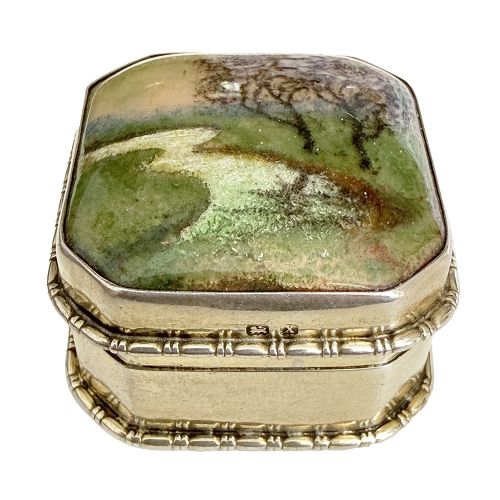
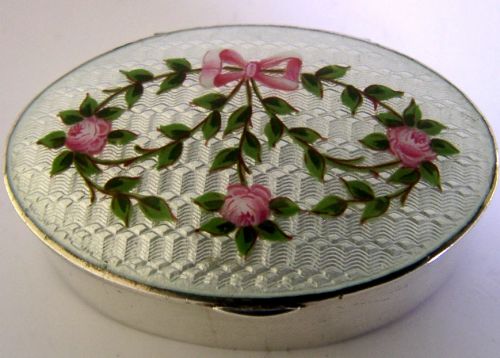
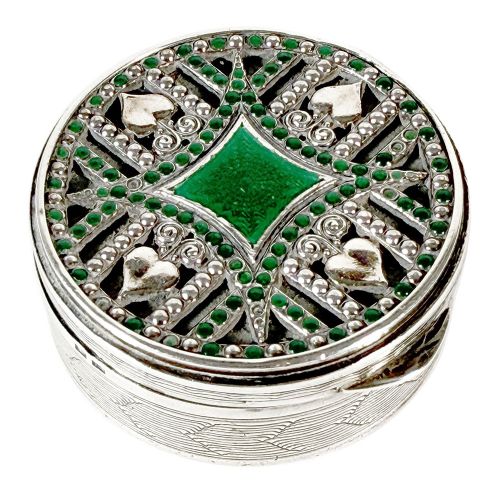
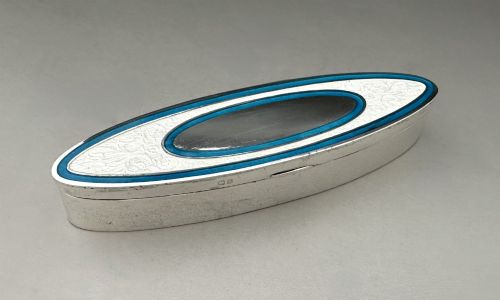
The selection also spans nineteenth-century continental production, including French champlevé pieces, Russian silver-gilt items, and Austrian guilloche enamel designs. Later Edwardian and Art Deco iterations utilise sterling silver mountings alongside vibrant geometric or floral surface decoration.
Beyond standard pocket forms, the inventory includes novelty shapes such as animals and insects, alongside flat plaques and bonbonnières. These containers served as fashionable accessories for Georgian and Victorian social display, designed to be carried in a waistcoat pocket or displayed upon a table.
Materials and construction
Vitreous enamel provides the glossy coloured surface, fused through heat onto a metal base of copper, brass, or sterling silver. Early English pieces rely primarily on copper bodies coated in opaque white or coloured enamel, hand-painted with mineral pigments.
Later nineteenth and twentieth-century examples incorporate engine-turned guilloche grounds beneath translucent enamels, paired with gilt metal or silver-gilt mounts. Specialist techniques such as cloisonné and champlevé involve wirework or carved troughs to separate distinct pools of coloured glass paste before firing.
Antique Enamel Snuff Box Retail Price Guide 2026
Typical asking prices for enamel snuff box among the pieces listed under this phrase on Sellingantiques today, from the lower quarter to the upper quarter. They describe what is for sale here now, not the wider market.
Listings feature eighteenth-century English copper pieces alongside Edwardian sterling silver and twentieth-century French guilloche enamel designs.
Assessing quality and craftsmanship
Quality rests upon the crispness of the hand-painted detail and the stability of the fired glass surface. Superior eighteenth-century pieces display finely rendered figures and landscapes without excessive pitting or clouding in the glaze.
The refinement of the metal hinge and mount plays a major role, with tight closures and well-fitted bezels indicating careful workshop production. Intricately worked silver-gilt frames and complex multi-coloured cloisonné or guilloche patterns separate standard utilitarian wares from luxury collector pieces.
Fleetwood Varley·George Adam Scheid·Jean-Baptiste Isabey·Khlebnikov
The Antique Enamel Snuff Box Glossary
- Bilston enamel
- A term for eighteenth-century enamel trinket and snuff boxes produced in the Staffordshire town of Bilston. These items typically feature copper bodies with white enamel coatings and hand-painted decoration.
- Patch box
- A small pocket container originally used to hold cosmetic fabric patches worn on the face. They frequently feature interior mirrors in the lid.
- Guilloche
- A decorative mechanical engraving technique that etches precise geometric patterns into a metal substrate. Translucent enamel is then applied over the top to let the pattern show through.
- Champlevé
- An enamelling method where troughs or cells are hollowed out of a metal plate and filled with enamel paste. The piece is then fired and polished flat.
- Vinaigrette
- A small hinged box containing a perforated internal grille. It held a sponge soaked in aromatic vinegar to revive individuals suffering from faintness.
Antique Enamel Snuff Box: Frequently Asked Questions
How are antique enamel snuff boxes dated?
Dating relies on stylistic clues, mounting types, and regional painting conventions. Eighteenth-century English pieces usually feature copper frames and specific hand-painted floral or pastoral motifs.
Later Victorian and Edwardian examples often incorporate silver hallmarks or mechanical engine-turning that point to specific decades around nineteen hundred.
How should I clean an antique enamel box?
Enamel surfaces require gentle dusting with a soft, dry cloth to prevent moisture damage to exposed metal mounts or old repairs. Avoid chemical cleaning agents and submerging the piece in water.
Silver mounts can be polished carefully with a specialist cloth, keeping polish away from the enamel glaze.
Why do some boxes feature inscriptions?
Inscribed pieces often functioned as sentimental gifts, love tokens, or souvenirs from spa towns like Cheltenham. Phrases such as tokens of esteem recorded personal connections and notable visits.
Makers painted these messages by hand onto the wet enamel surface before the final kiln firing.