




Bilston Enamel Box
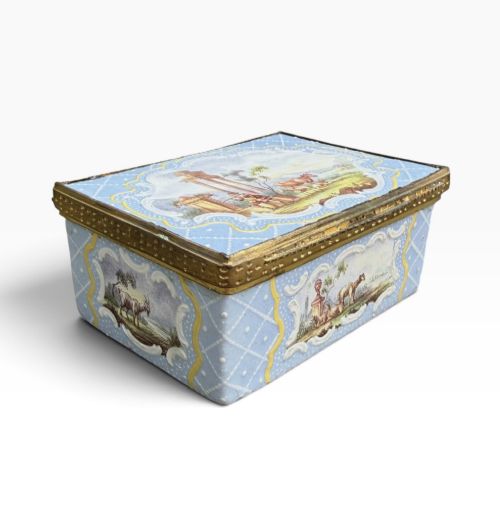
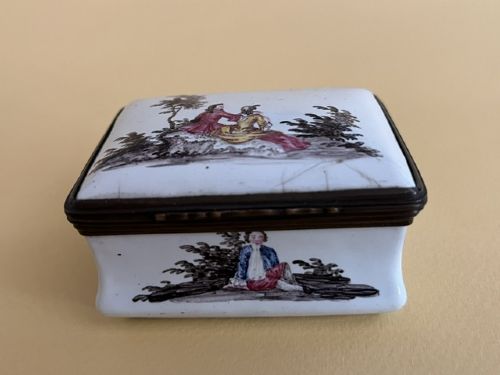
These small, finely painted containers known as a bilston enamel box capture the exquisite miniature craft of Georgian England.

Bilston Enamel Box
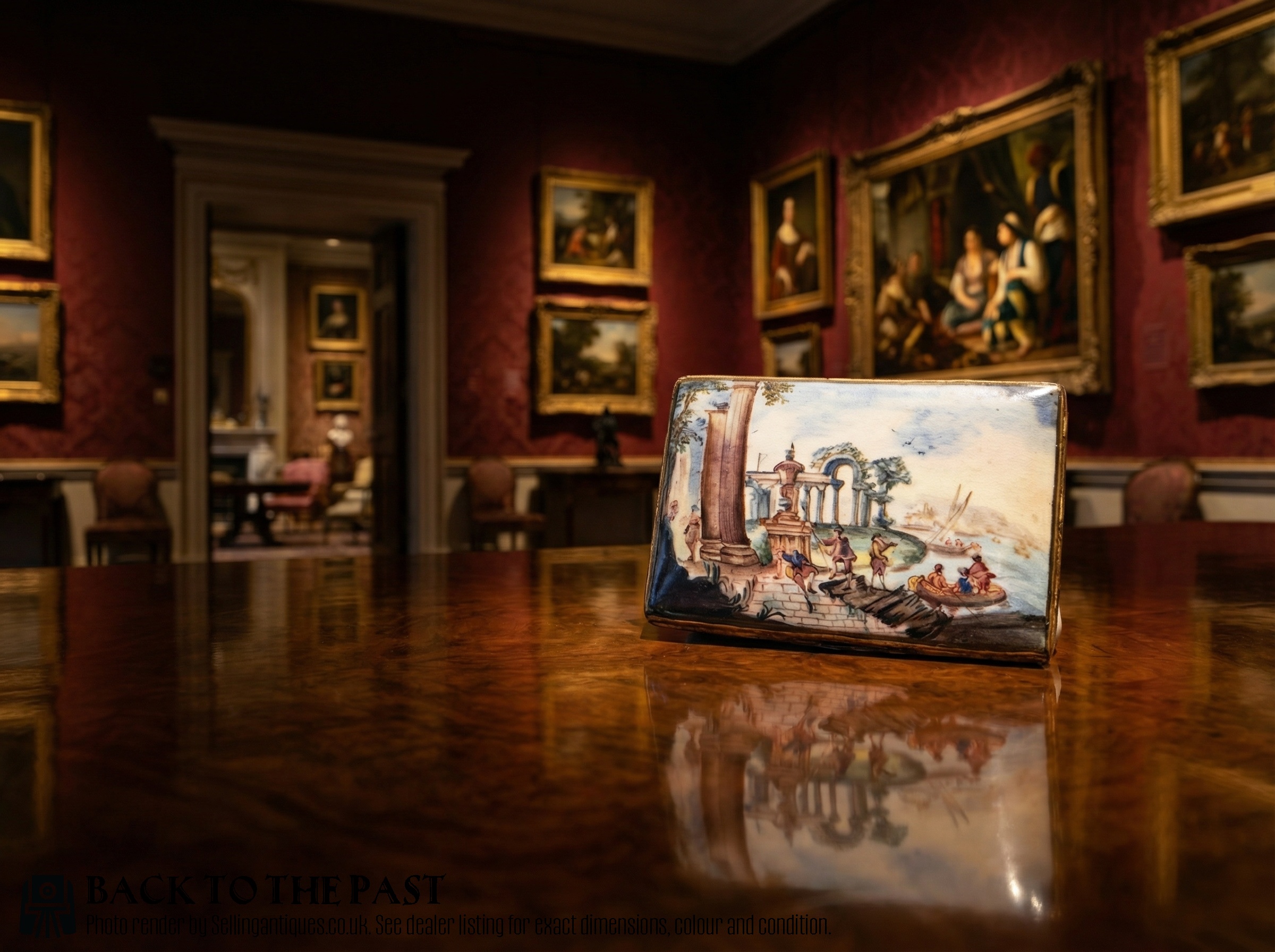
A bilston enamel box is a small container historically used for snuff, patches, or pills, often given as a personal token or souvenir. Most examples found on this page originate from the eighteenth century, particularly the Georgian period, hailing from the West Midlands region.
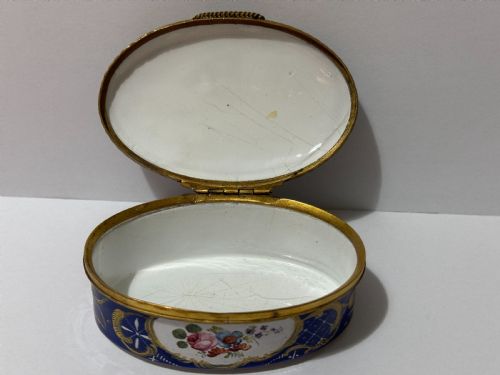
The common forms include oval, rectangular, and shaped receptacles such as hearts, birds, and novelty figures. Many feature hinged lids, sometimes concealing an interior mirror within the lid.
Makers in South Staffordshire and Bilston produced these pieces extensively, decorating them with hand-painted pastoral scenes, floral motifs, and sentimental inscriptions.
Materials and construction
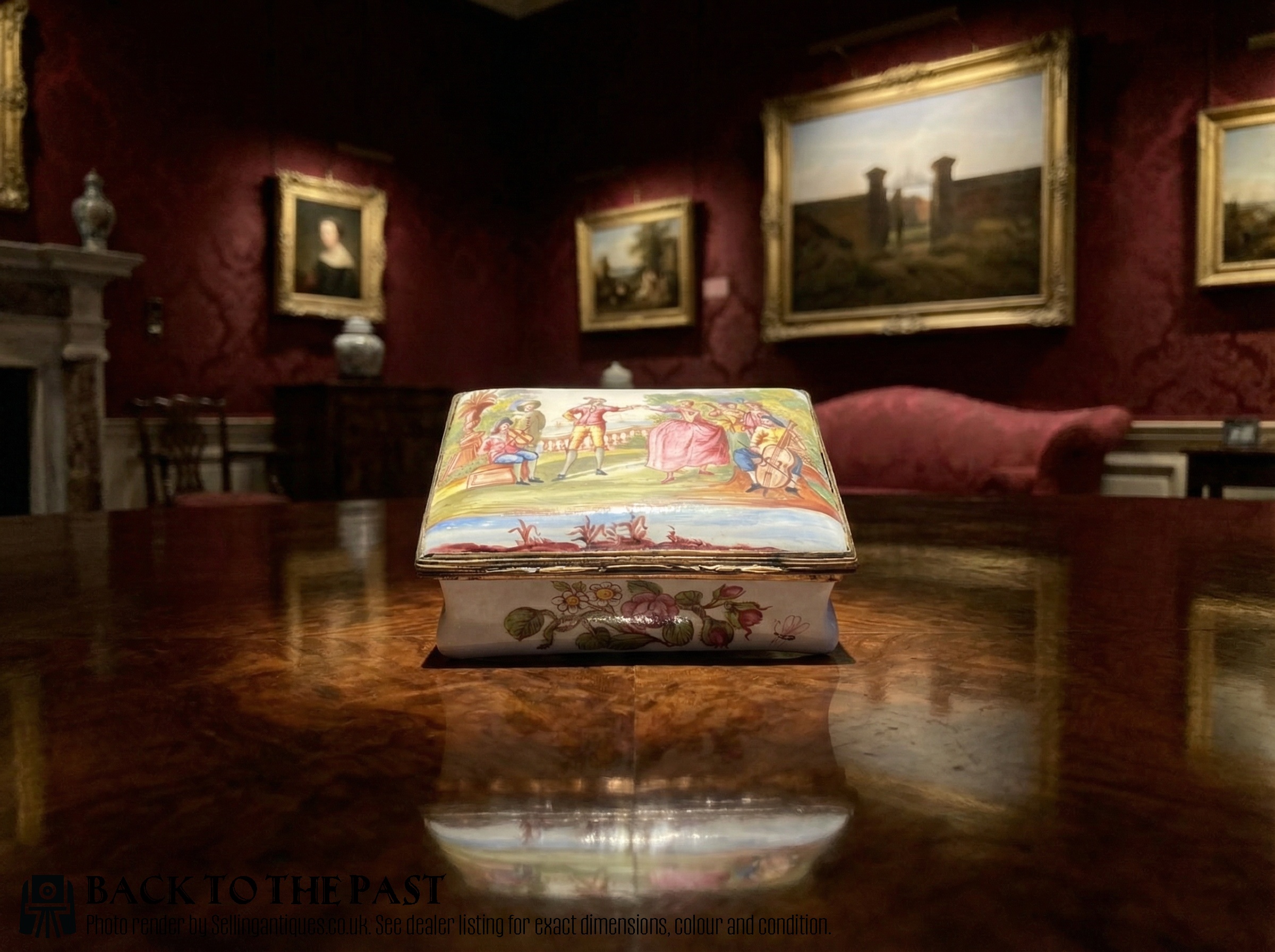
The foundation of a bilston enamel box typically consists of a copper body shaped by hand and coated with an opaque white or coloured vitreous enamel glaze. Artisans then applied detailed enamel paintings over this base, firing the pieces multiple times in a kiln to fix the pigments.
Mounts, bezels, and hinges are formed from brass, gilt metal, or copper gilt, providing a secure closure for the delicate lids. These metal fittings are frequently chased or patterned to complement the painted scenes.
Bilston Enamel Box Retail Price Guide 2026
Typical asking prices for bilston enamel box among the pieces listed under this phrase on Sellingantiques today, from the lower quarter to the upper quarter. They describe what is for sale here now, not the wider market.
The listings show pieces spanning the eighteenth century, the Georgian era, and the early nineteenth century, constructed from enamel, copper, brass, and gilt metal.
Judgements of quality
The distinction between average and exceptional pieces lies primarily in the precision and detail of the hand-painted decoration on the lid and sides. Finer examples display meticulous brushwork in pastoral scenes, portraits, or topographical views, whereas simpler items rely on repetitive floral motifs or plain coloured grounds.
The preservation of the enamel surface and the integrity of the original gilt metal mounts significantly affect the desirability of a piece. Smooth, glossy enamel free from extensive hairline cracking or major restoration represents the higher standard of surviving work.
The Bilston Enamel Box Glossary
- Patch box
- A small container used in the Georgian era to hold small pieces of fabric or silk, known as patches, worn on the face to conceal blemishes or display fashion. These boxes frequently incorporate an interior mirror.
- Snuff box
- A small hinged receptacle designed to hold dry tobacco for inhalation. These were standard social accessories in the eighteenth and nineteenth centuries.
- Bonbonniere
- A small ornamental container intended for holding sweets or sugar plums. They often take whimsical or animal shapes.
- Navette
- A boat-shaped form with tapered, pointed ends, popular in late eighteenth-century decorative arts. This profile appears frequently in the design of oval and elongated patch boxes.
- South Staffordshire
- The geographic pottery and enamelling district that includes Bilston and Wednesbury. Much of the English enamel production of the Georgian period originated from workshops within this area.
Bilston Enamel Box: Frequently Asked Questions
What was a bilston enamel box used for?
These small vessels served practical everyday functions in polite Georgian society, primarily holding scented snuff, small cosmetic patches, or medicinal pills. They were also purchased as souvenirs at spa towns or given as tokens of affection with sentimental inscriptions.
Because of their portable size, owners carried them in pockets or reticules, or displayed them on dressing tables as indicators of refinement and social standing.
How do I date an 18th century enamel box?
Dating relies heavily on stylistic indicators such as the shape of the copper body, the colour palette of the enamel, and the design of the brass mounts. Earlier eighteenth-century examples often feature simpler floral arrangements, while pieces from the later decades frequently incorporate transfer printing combined with hand-colouring.
Examining the hinges and the style of any script or lettering on the lid also helps narrow the production period between the mid-eighteenth century and around 1800.
Were these pieces only made in Bilston?
While Bilston was a major centre for enamel production, similar workshops operated across the broader South Staffordshire region, including nearby Wednesbury and Birmingham. Contemporary pieces were also produced in other European centres like Battersea in London.
Collectors and dealers frequently use Bilston as an umbrella term for these English copper and enamel objects due to the shared techniques and materials of the district.
How should I care for my antique enamel box?
Enamel is essentially a form of glass fused to metal, meaning it requires gentle handling to prevent chipping or scratching. Keep the piece away from direct sunlight, extreme temperature fluctuations, and moisture to protect the copper body and the delicate metal mounts.
Cleaning should be limited to very light dusting with a soft, dry cloth without the use of chemical polishes or water, particularly around the painted surfaces and hinges.