


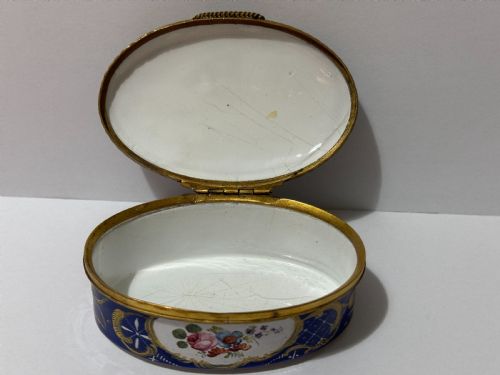


Antique Patch Box
An antique patch box is a small, decorative container designed for cosmetic patches, and collectors prize them for their miniature artistry and social history.
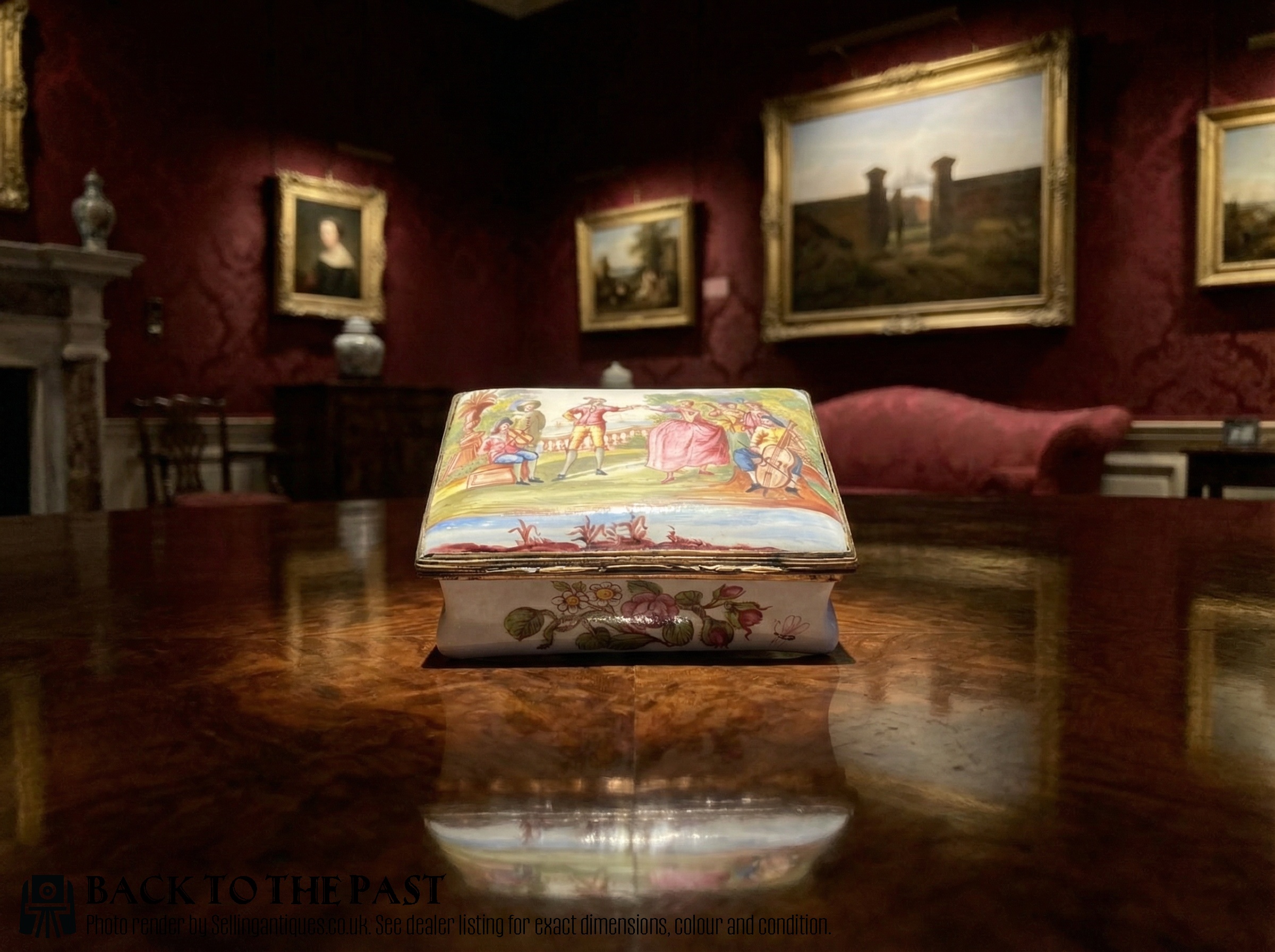
What an antique patch box is
When you search for an antique patch box, you are looking at small personal containers originally used to hold fabric beauty patches for the face. These items span the eighteenth and nineteenth centuries, including Georgian and Victorian periods, alongside related forms like snuff boxes and trinket boxes.
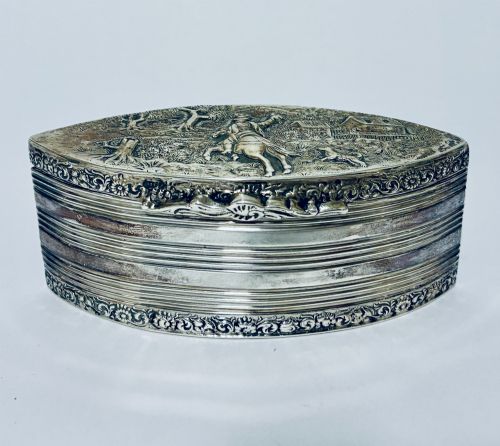
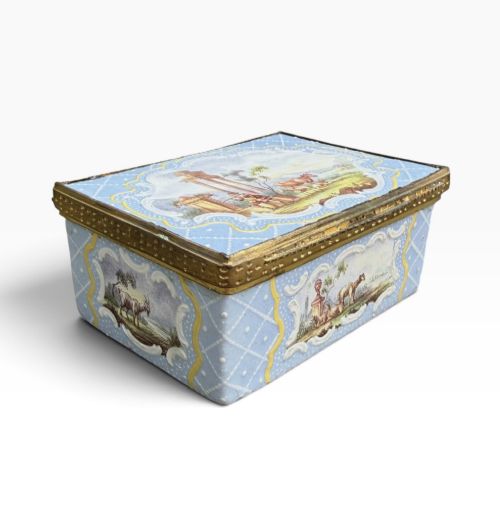
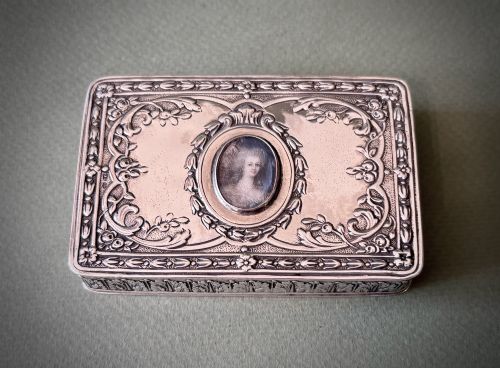
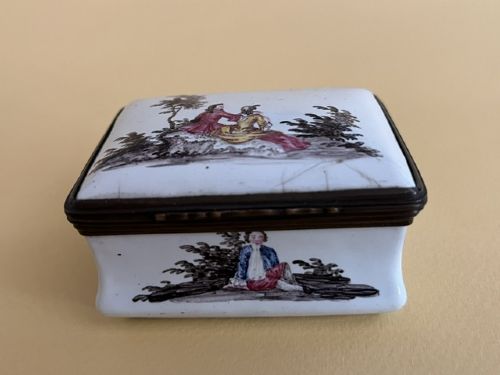
The version you are most likely to meet on this page is an enamel piece from the eighteenth century, often hailing from South Staffordshire or Bilston. Alternatively, you will encounter turned treen boxes in boxwood, rosewood, and Tunbridge ware, as well as occasional silver and gilt metal examples.
These boxes frequently feature painted lids with sentiments, landscapes, or figural scenes, reflecting the polite society of their era. Their diminutive scale makes them tactile objects that easily fit in the palm of the hand.

How they were made
Enamel boxes were constructed by fusing vitreous enamel onto copper bases, often utilising shaped metal moulds for heart or rectangular forms. Artisans then hand-painted the surfaces with delicate pigments, sometimes incorporating mirrors fitted to the interior lids.
Wooden items, categorised as treen, were shaped on lathes using boxwood, rosewood, or inlaid timbers such as Tunbridge ware. Metal examples combined copper, brass, gilt metal, and sterling silver, sometimes enhanced with tortoiseshell linings or inset moss agate.
Retail Price Guide 2026
Typical UK retail prices for patch box, calculated from the Sellingantiques database of over a million retail prices indexed since 2003. This retail price guide relies exclusively on Sellingantiques data; no external sources or auction records are used, so the figures do not describe the wider market.
Materials span copper, brass, gilt metal, and sterling silver.
What varies in quality
The refinement of the painted decoration separates standard pieces from finer examples, particularly in eighteenth-century enamel work where facial details and lettering reveal the painter's hand. Crispness in the metal casting, precise hinge alignment, and the intact survival of original interior mirrors also elevate a piece.
Material choice shifts the character of the object, moving from simple turned wood utilitarian pieces to elaborate silver work bearing assay marks and maker's stamps. The complexity of construction, such as intricate Tunbridge ware inlay or detailed copper repoussé, marks the upper tiers of the craft.
Samuel Pemberton·Joseph Taylor
The Antique Patch Box Glossary
- Patch box
- A small container historically used to hold cosmetic silk patches worn on the face. These boxes often included interior mirrors for placement.
- Treen
- Small handmade wooden domestic objects produced by turning or woodworking. Collectors value them for their tactile qualities and grain.
- Bilston enamel
- Enamel work produced in the Staffordshire town of Bilston during the eighteenth century. These pieces typically feature copper cores with white or coloured enamel coatings.
- Tunbridge ware
- Woodworking craftsmanship characterised by intricate mosaic patterns made from tiny tinted wood blocks. It takes its name from the Kent town where it flourished.
Frequently Asked Questions
What were antique patch boxes used for?
These boxes held small fabric patches made of silk, velvet, or taffeta that fashionable people wore on their faces during the eighteenth century. These patches often concealed blemishes or displayed social allegiances through specific shapes.
Over time, as fashions shifted, people repurposed these diminutive containers to hold pills, snuff, or small trinkets. Their fitted lids kept delicate contents secure in pockets or purses.
How do I care for an enamel patch box?
Enamel surfaces require gentle handling to prevent chipping or scratching against hard objects. Keep them away from moisture and harsh cleaning agents to protect the underlying copper and delicate painted details.
Store them in stable environments away from direct sunlight, which can fade pigments over long periods. Soft microfibre cloths suffice for removing dust without abrasive friction.
How can I tell Georgian boxes apart from Victorian ones?
Georgian pieces frequently showcase hand-painted Bilston enamel with sentimental inscriptions or copper construction. They lean toward Rococo Revival curves and eighteenth-century social themes.
Victorian examples often embrace functional treen, turned wood, and moss agate set in gilt metal. The manufacturing techniques shift toward industrial precision while retaining domestic utility.
Are all antique patch boxes made of enamel?
Enamel on copper forms a large share of surviving examples, but makers utilised diverse materials. Wood is common through turned treen, boxwood, and rosewood items.
Metal varieties include sterling silver, brass, and gilt metal, sometimes paired with tortoiseshell or stone insets. Each material dictates a different weight and tactile experience.