



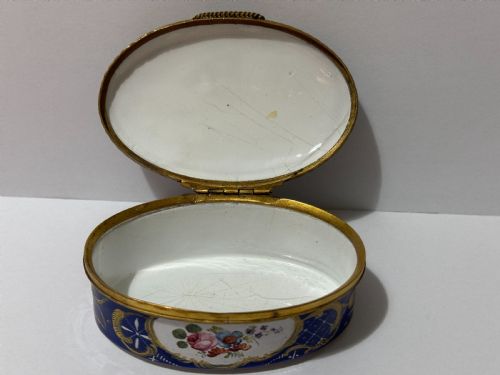


Painted Enamel Box
When you search for a painted enamel box, you are looking at small functional containers decorated with hand-painted scenes, figures, and floral motifs upon vitreous enamel.
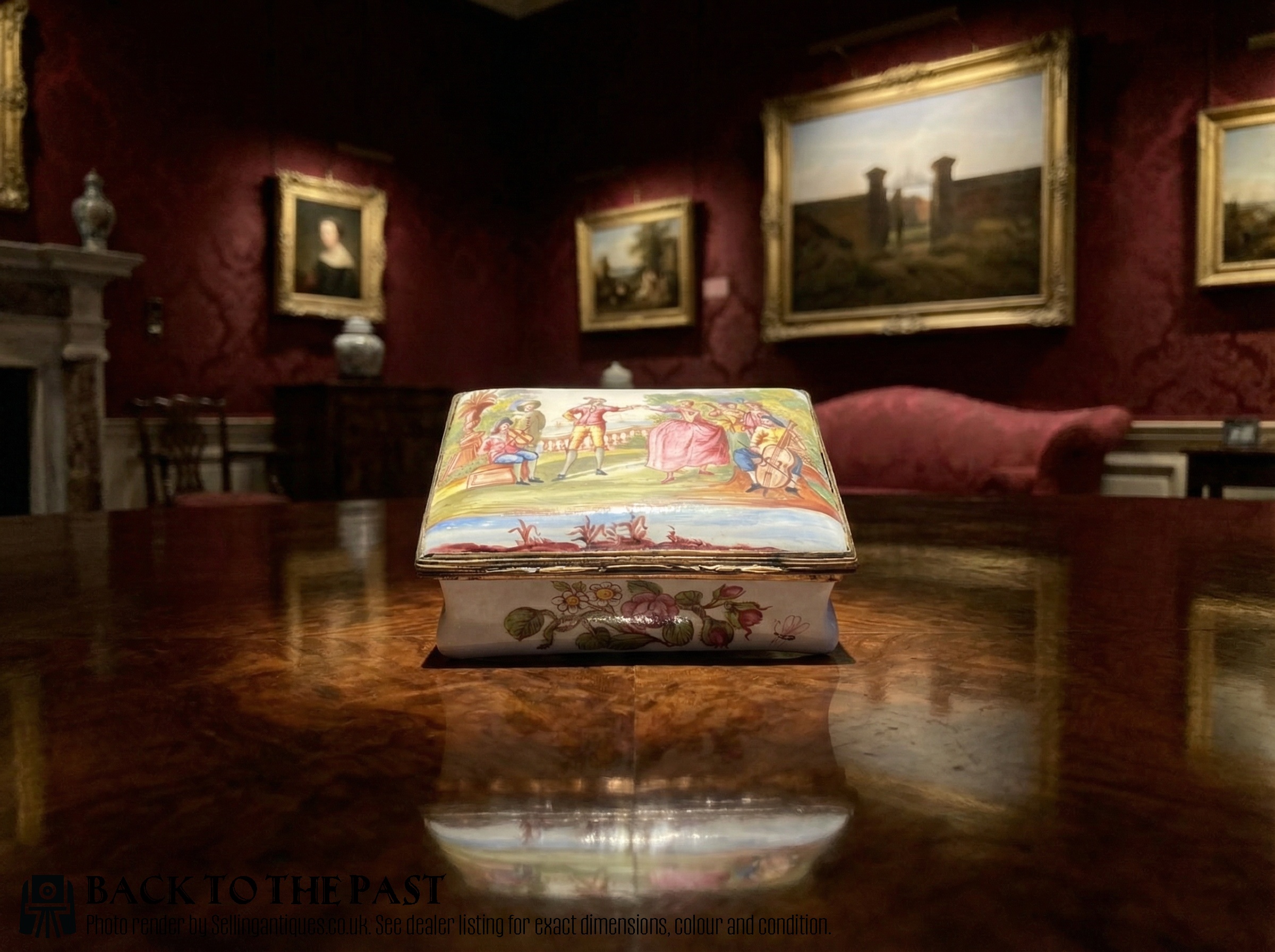
Painted Enamel Box
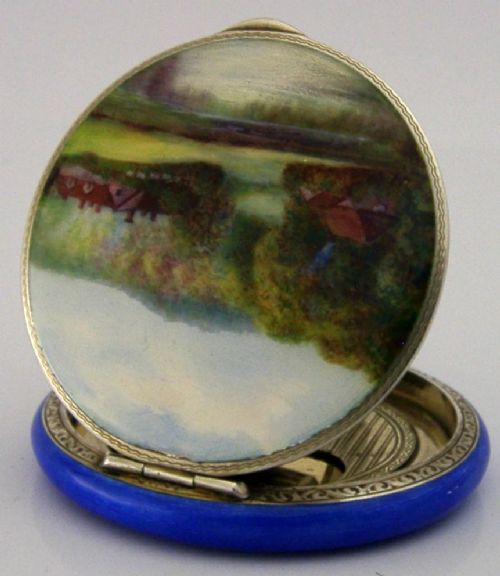
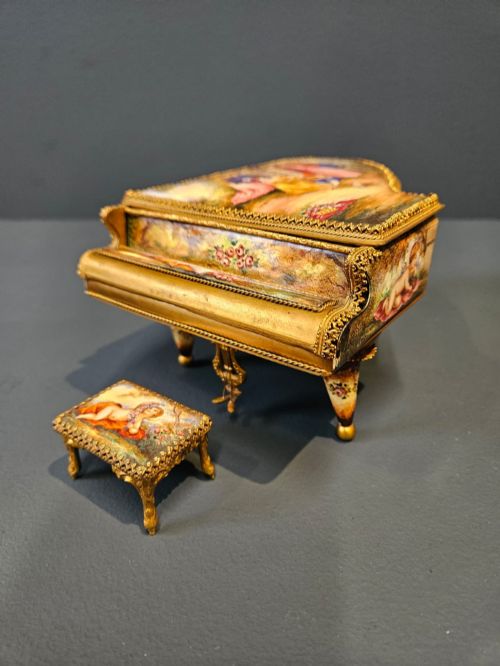
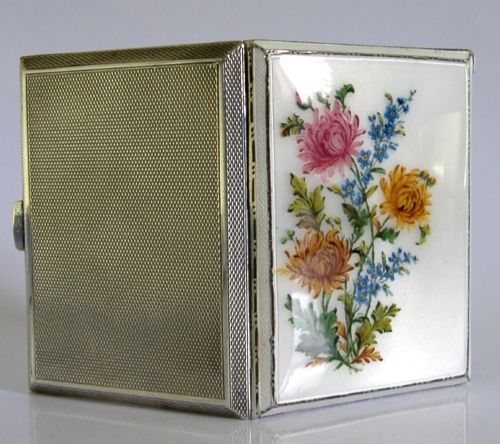
A painted enamel box encompasses a wide variety of small personal and decorative vessels, including snuff boxes, patch boxes, trinket containers, powder compacts, and cigarette cases. The forms span from Georgian pocket-sized patch boxes to later vanity cases, piano music boxes, and desktop cabinets.
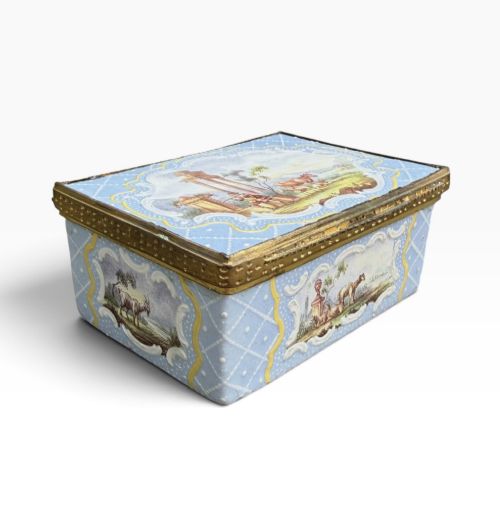
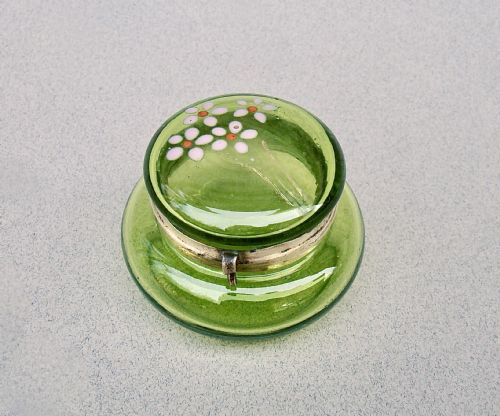
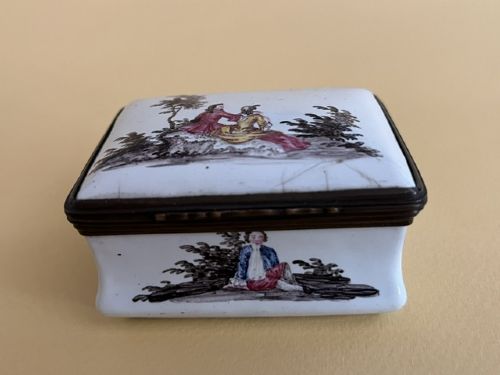
The version you are most likely to meet on this page is the 18th-century English piece originating from Bilston or South Staffordshire, alongside continental examples in silver, porcelain, and glass from the 19th and early 20th centuries.
These items were originally produced to hold cosmetics, tobacco, or small personal items, and they retain their decorative appeal through detailed miniature painting applied directly onto the glazed surface.
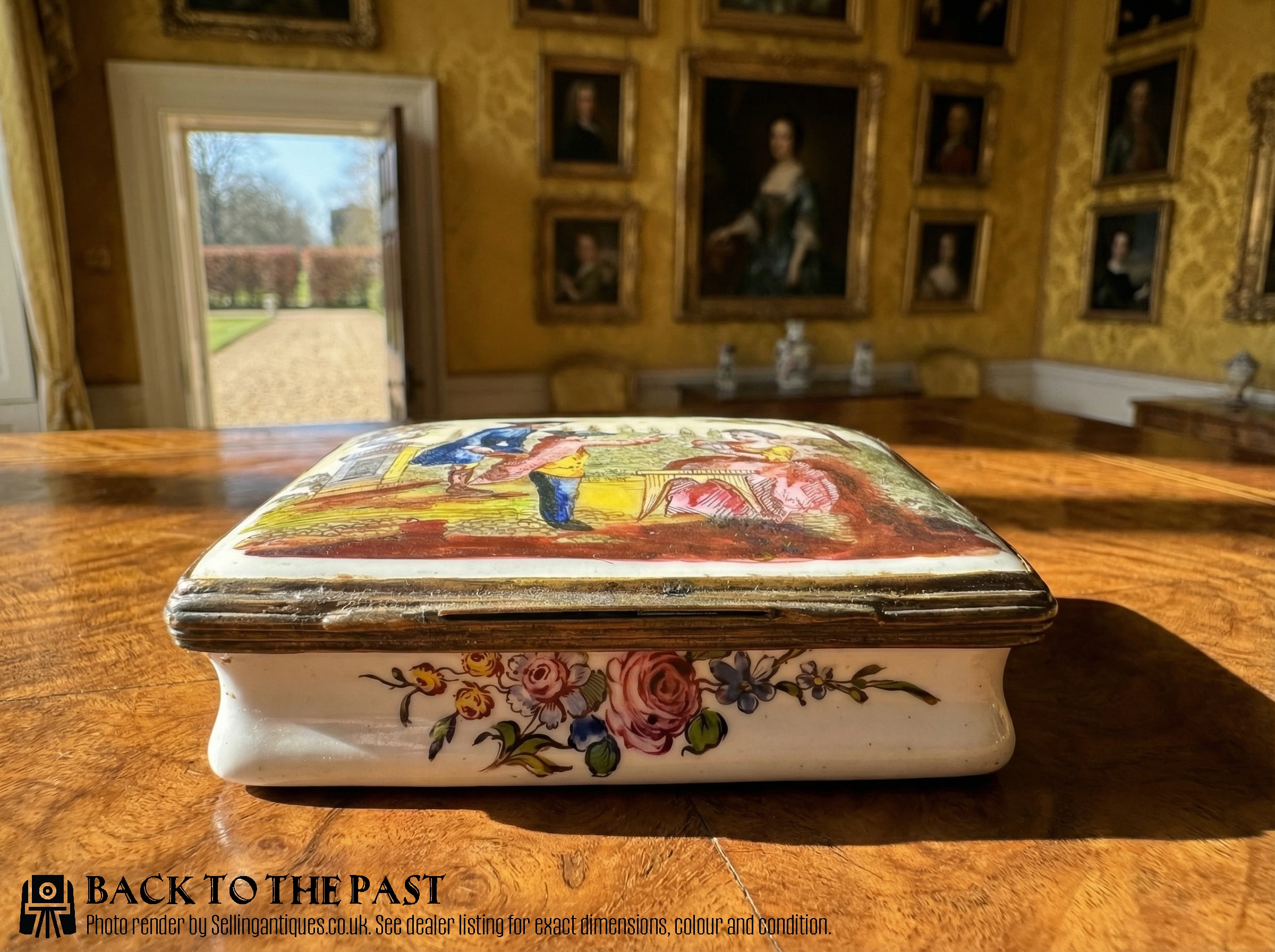
Materials and construction methods
The foundation of these objects typically relies on copper or base metal panels that receive a coating of glass paste, which is subsequently fired in a kiln to create a smooth enamel ground. Sterling silver, 800 silver, and gilt metal also form the structural bodies, particularly for later 19th and 20th-century items.
Miniature painting is executed by hand directly onto the hardened enamel surface using metallic oxide pigments before a final firing seals the image. Many pieces incorporate mountings of brass, ormolu, or sterling silver hinges and bezels to secure the lids to the base.
Painted Enamel Box Retail Price Guide 2026
Typical asking prices for painted enamel box among the pieces listed under this phrase on Sellingantiques today, from the lower quarter to the upper quarter. They describe what is for sale here now, not the wider market.
Listings feature items spanning the 18th century through to the 1950s, constructed from enamel, copper, gilt metal, sterling silver, porcelain, and glass.
Distinctions in craftsmanship
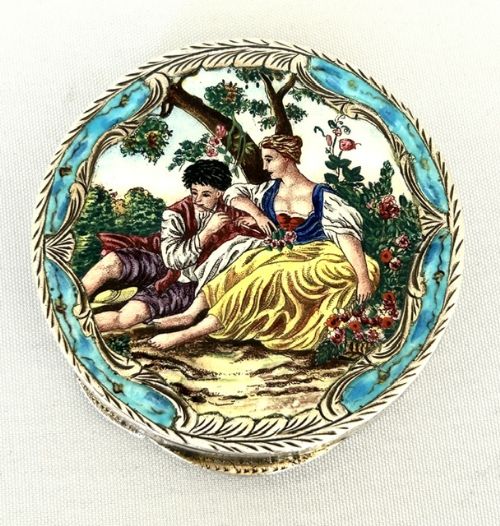
The fineness of the hand-painted detail defines the upper tier of these pieces, where portraits, parkland scenes, and botanical subjects display precise brushwork and subtle shading. Simpler geometric patterns or mass-produced transfers occupy the lower end of the spectrum.
The weight and integrity of the metal mounts, hinges, and closures also separate superior examples from standard production. Well-preserved enamel free from extensive hairline cracking or major restoration commands greater attention from collectors.
Saunders and Shepherd·Giuliano Spinelli Florence
The Painted Enamel Box Glossary
- Bilston enamel
- An enamel object produced in the Staffordshire town of Bilston during the 18th century. These are frequently found in the form of small patch or snuff boxes.
- Guilloche enamel
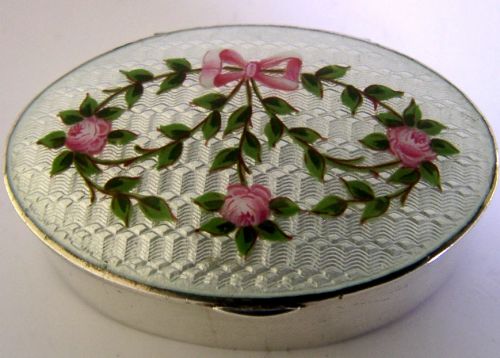
- A decorative technique where a metal surface is engraved with intricate geometric patterns under a translucent layer of enamel. This method appears frequently on silver compacts and cigarette cases from the early 20th century.
- Patch box
- A small container used in the 18th century to hold small pieces of adhesive fabric applied to the face to conceal blemishes. They almost universally feature a mirror fitted inside the lid.
- Ormolu
- Gilded bronze or brass mounts utilised to frame and secure enamel panels on boxes and decorative cabinets. The technique imparts a rich golden tone to the metal edges.
- Famille verte
- A Chinese porcelain palette dominated by green enamels, seen on export boxes alongside painted floral and auspicious motifs.
Painted Enamel Box: Frequently Asked Questions
What were patch boxes used for?
Patch boxes held small silk or velvet patches worn on the face during the Georgian era. These cosmetic accessories were considered fashionable additions to evening dress.
Inside the hinged lid, makers often fitted a small mirror so the owner could check their appearance when applying the patches.
How do I identify a Bilston enamel box?
Bilston boxes originate from the Staffordshire region in 18th-century England and typically feature copper bodies coated in white or coloured enamel. They are often hand-painted with landscape scenes, floral arrangements, or sentimental inscriptions.
The metal mounts are usually gilt or plain brass with simple hinge mechanisms characteristic of the period.
What is the difference between enamel and porcelain boxes?
Enamel boxes consist of a vitreous glass paste fused onto a metal core, such as copper or silver. Porcelain boxes are formed entirely from fired ceramic paste and glazed.
Both materials accept hand-painted decoration, but enamel items frequently display a characteristic metallic backing or exposed copper edges where the coating meets the mount.
How should I clean a painted enamel box?
Painted enamel requires gentle handling to prevent damage to the delicate surface pigments and metal mounts. A soft, dry cloth is usually sufficient to remove dust from the exterior.
Moisture and chemical cleaning agents must be avoided, as water can seep into hairline cracks or corrode the underlying copper and brass fittings.