



Georgian Patch Box
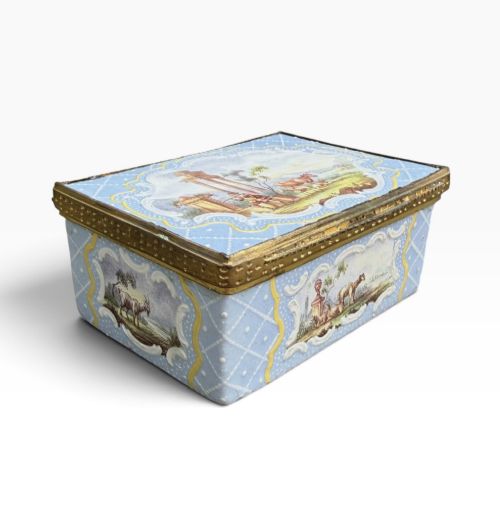
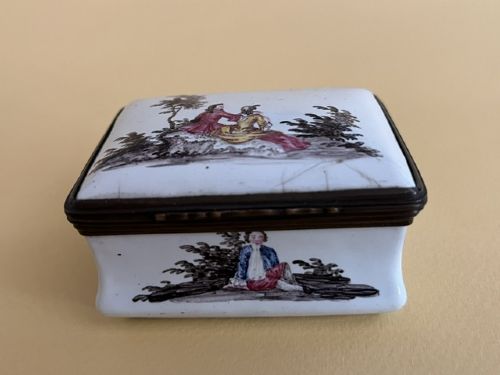
These small containers, known as a georgian patch box, held the artificial beauty spots worn in polite society.
What they are
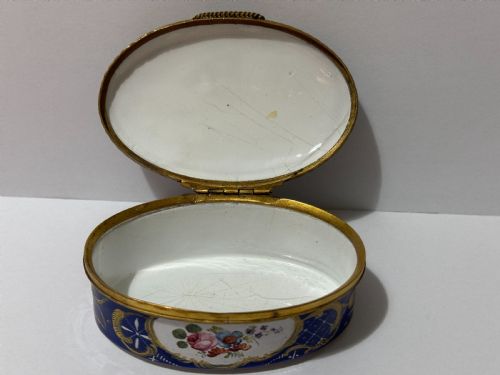
A georgian patch box is a small pocket container designed to hold the tiny silk, velvet, or paper patches popular in the eighteenth century. These items served both a cosmetic function and a social purpose, often featuring decorated lids or interior mirrors.
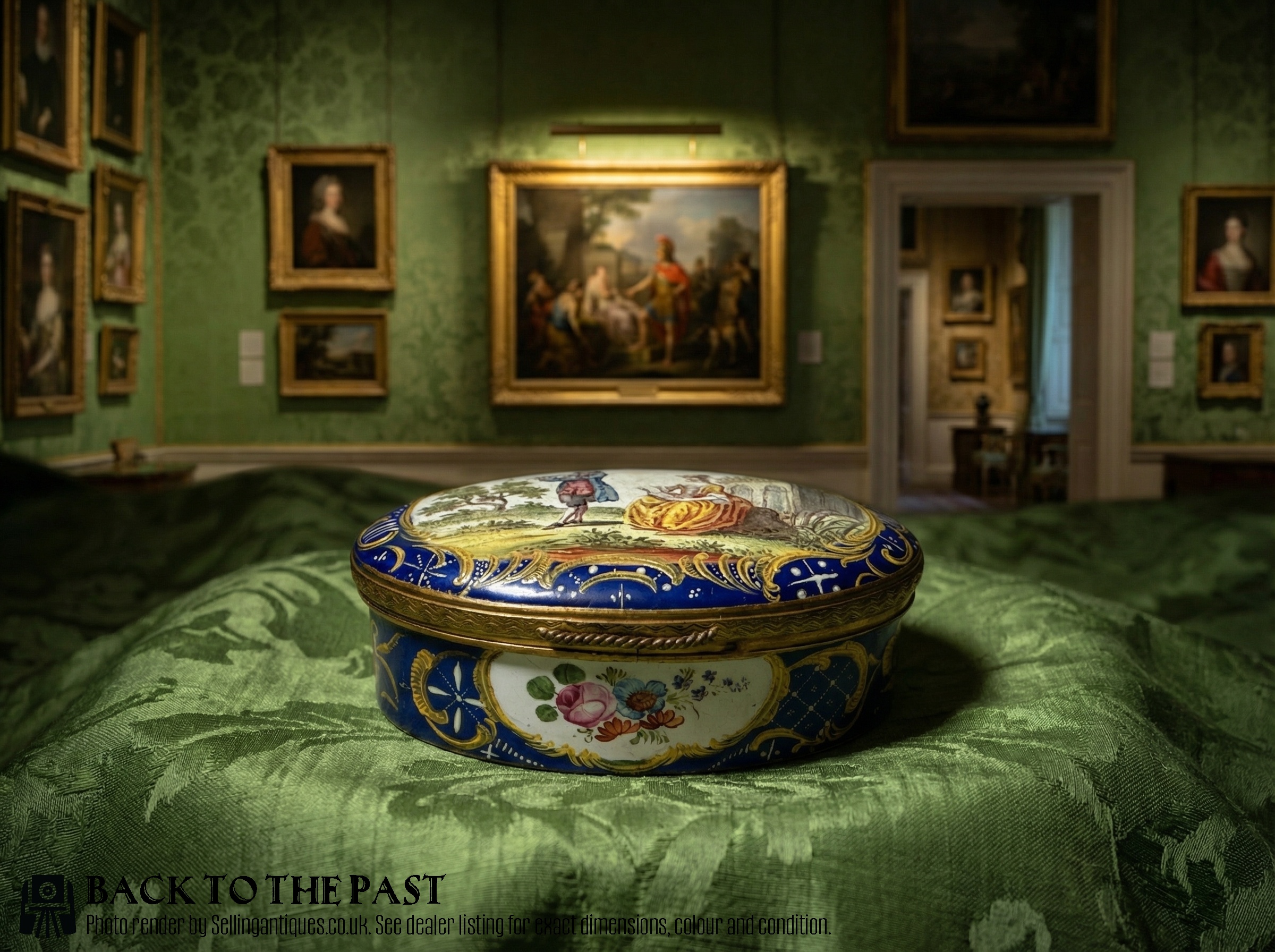
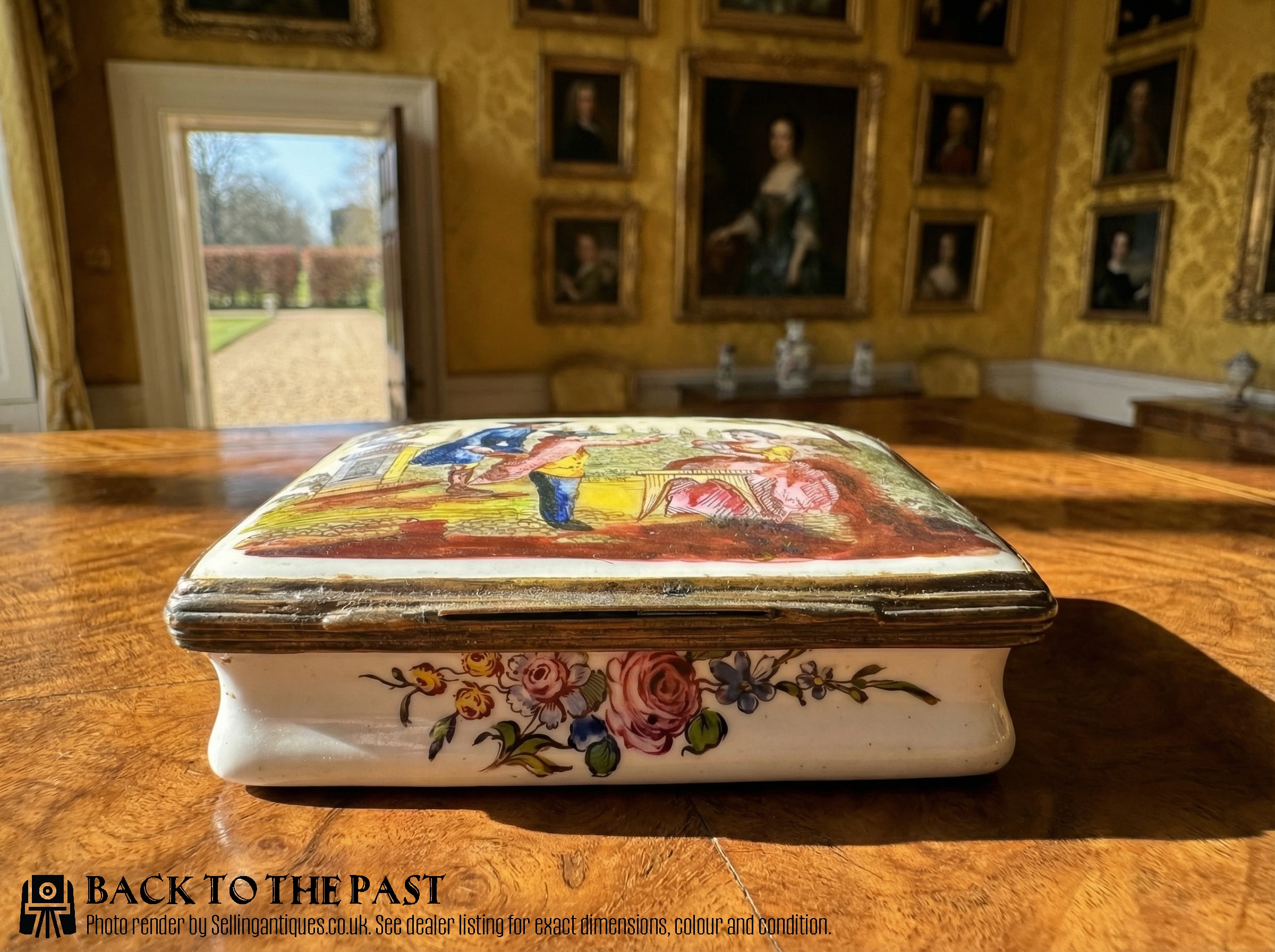
The versions most frequently met on this page belong to the eighteenth century and the Georgian period, encompassing enamel works from Bilston and Staffordshire alongside sterling silver and coquilla nut examples. Forms vary from rectangular and oval to circular trinket boxes and novelty shapes.
How they were made
Enamel boxes were constructed by fusing powdered glass to copper or copper gilt bases through kiln firing, often resulting in vibrantly painted surfaces. Silversmiths worked sheet metal into precise hinged containers, occasionally incorporating filigree wirework, tortoiseshell, or inset jasperware plaques.
Organic materials like coquilla nut were carved on a lathe to form dense, textured vessels with tight-fitting lids. Metal mounts and bezels were then fitted by hand to secure the hinges and clasps.
Retail Price Guide 2026
Typical UK retail prices for georgian patch box, calculated from the Sellingantiques database of over a million retail prices indexed since 2003. This retail price guide relies exclusively on Sellingantiques data; no external sources or auction records are used, so the figures do not describe the wider market.
The archive reveals silver patch boxes bearing the marks of prominent Birmingham silversmiths alongside enamels from Bilston and Staffordshire.
What varies in quality
Quality rests in the crispness of the hand-painted enamel detail and the precise alignment of the metal mounts. Enamel works with clear colours and intact interior mirrors represent a higher standard than worn or cracked surfaces.
Silver examples gain distinction through clear assay marks, maker stamps, and delicate decorative techniques such as filigree or incorporated portrait miniatures.
Samuel Pemberton·Joseph Taylor·Cocks and Bettridge
The Georgian Patch Box Glossary
- Bilston enamel
- A type of enamelled copperware produced in the Staffordshire town of Bilston during the eighteenth century. These pieces typically feature hinged lids and painted pastoral or sentimental scenes.
- Jasperware
- A type of fine stoneware developed by Josiah Wedgwood, characterised by a matte surface and contrasting applied white reliefs. Blue jasper dip variants appear on the lids of select boxes.
- Coquilla nut
- The hard, mottled brown seed of the South American piassava palm. It was widely turned on a lathe into small decorative containers and boxes.
- Patch box
- A diminutive pocket container originally intended for holding small cosmetic patches made of silk or velvet. They frequently include an internal mirror fitted inside the lid.
- Copper gilt
- Base metal copper coated with a thin layer of gold or gilt finish. This technique provided the appearance of solid gold at a lower production cost.
Frequently Asked Questions
What is a georgian patch box?
A georgian patch box is a small pocket container created to hold the fabric patches worn on the face during the eighteenth century.
These boxes often contain small mirrors inside their lids for adjusting cosmetics while away from home.
How were enamel patch boxes made?
Enamel patch boxes were produced by fusing powdered glass onto copper bases inside a kiln.
Artisans then hand-painted the hardened enamel surfaces with detailed scenes, inscriptions, or floral motifs before mounting them in brass or gilt metal frames.
What materials are used for these boxes?
These boxes appear in materials such as enamel, copper, sterling silver, coquilla nut, and tortoiseshell.
Some examples also incorporate jasperware plaques or delicate silver filigree work on their lids.
Did these boxes have other uses?
While originally intended for cosmetic patches, many containers doubled as snuff boxes or general trinket holders.
Their compact size made them suitable for carrying small personal items in a pocket or reticule.