

Antique Enamel Box
These small vessels transport miniature paintings and vibrant colour into the palm of your hand, offering centuries of portable luxury.
What the pieces are
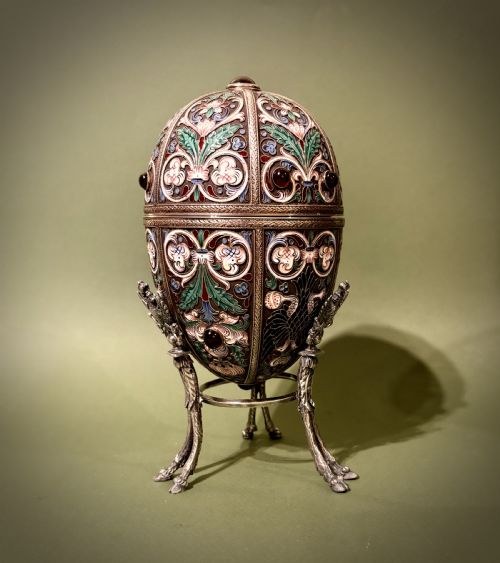
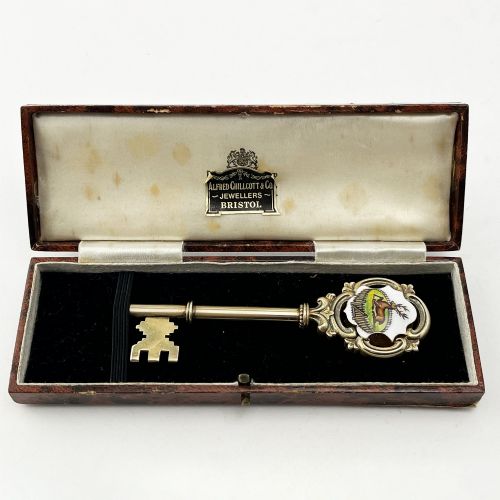
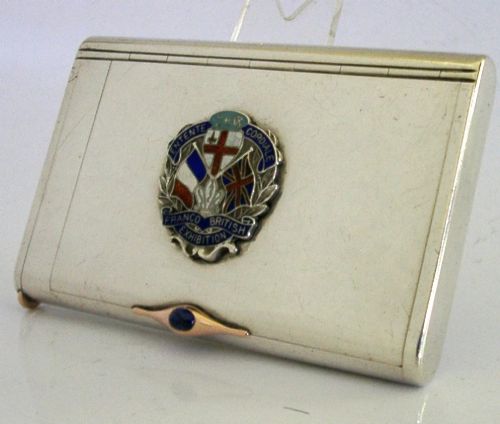
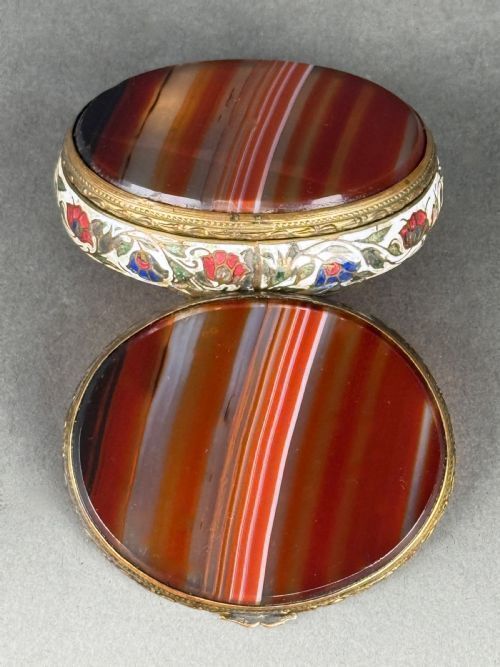
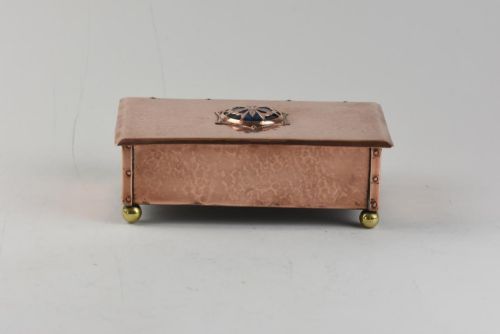
An antique enamel box comprises small decorative vessels designed to hold patches, snuff, pills or trinkets. The selection ranges from eighteenth-century Georgian pieces originating in English workshops to twentieth-century silver and guilloché examples from across Europe.
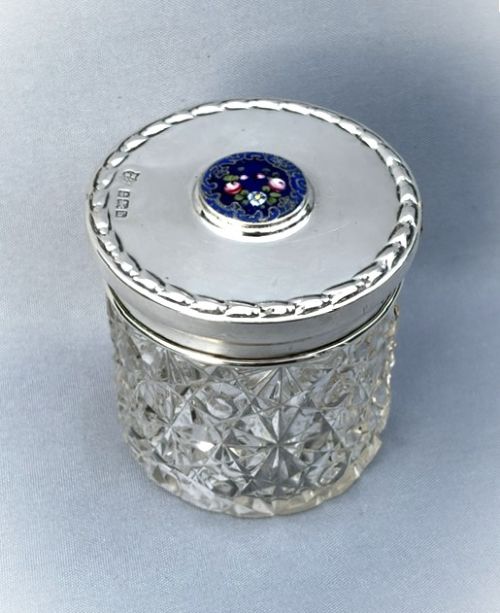
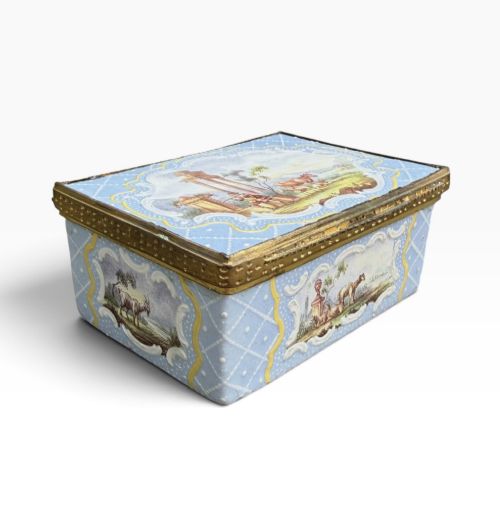
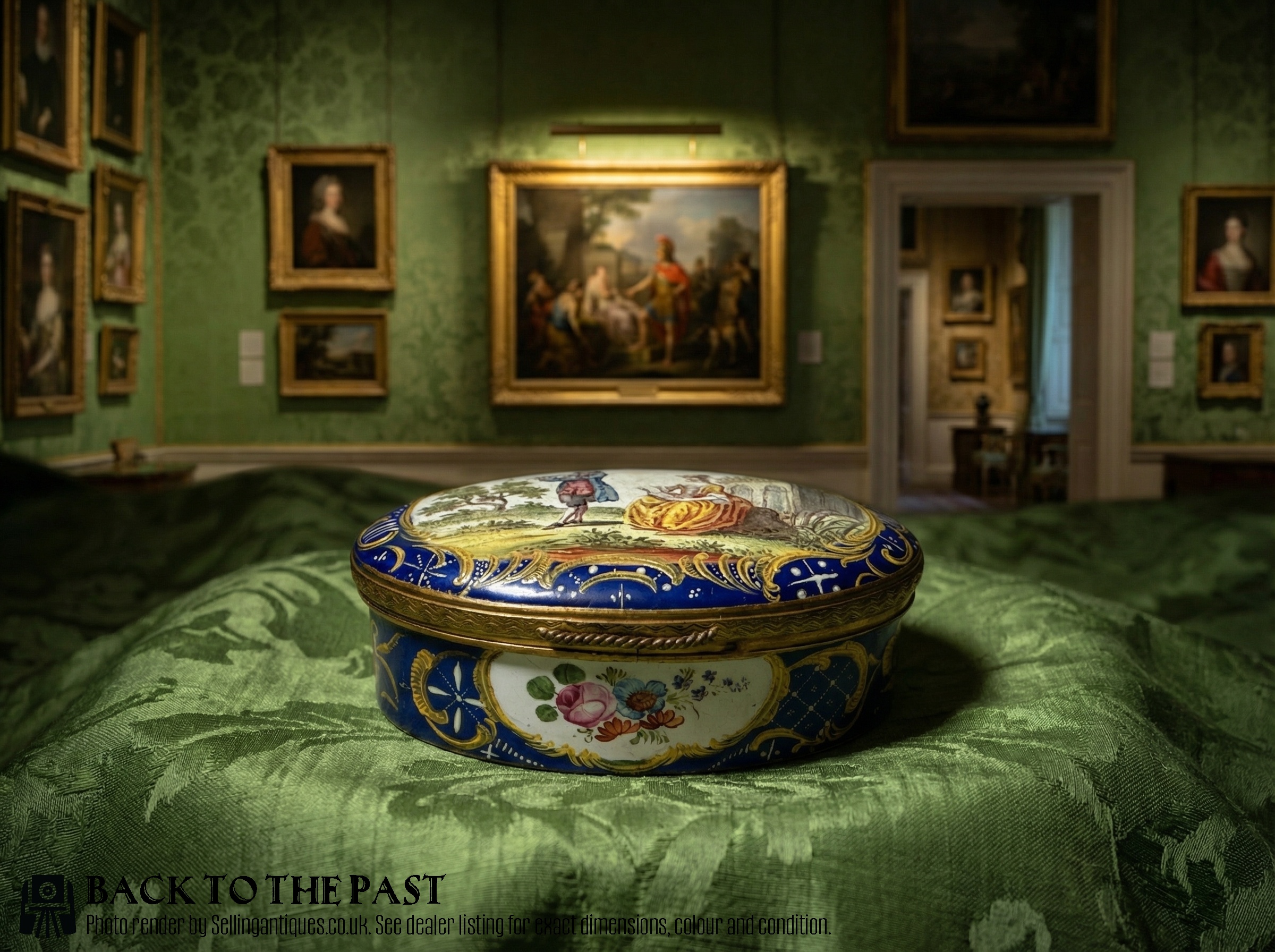
Buyers encounter patch boxes, snuff boxes, pill boxes and larger dressing table caskets. Eighteenth-century versions commonly display copper alloy bases with opaque painted enamel lids, while later pieces frequently employ sterling silver foundations paired with translucent engine-turned decoration.
How they were made
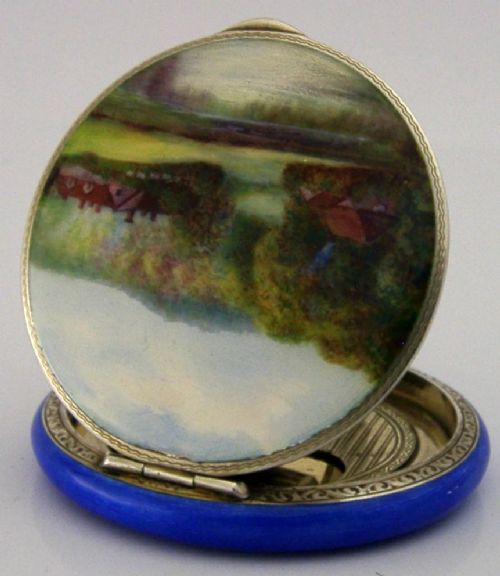
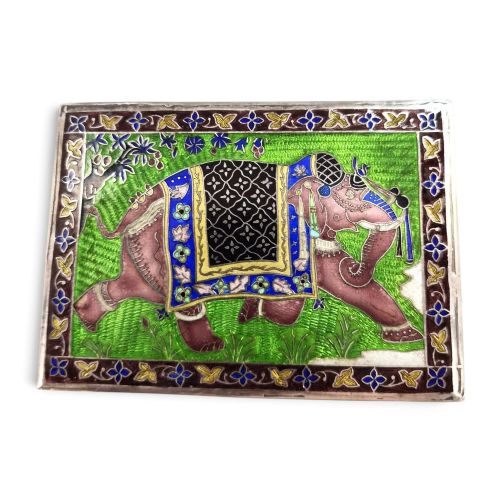
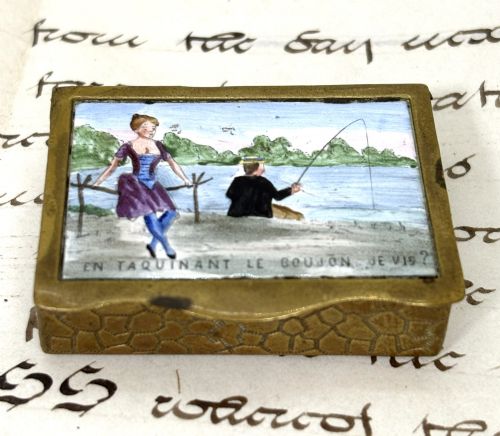
Craftsmen fused powdered glass onto metal bases, predominantly copper, brass or sterling silver, by firing the assemblies in a kiln. Eighteenth-century pieces typically apply hand-painted scenes directly onto the opaque white or coloured enamel surface.
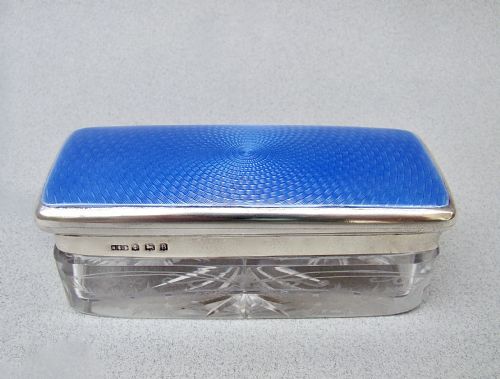
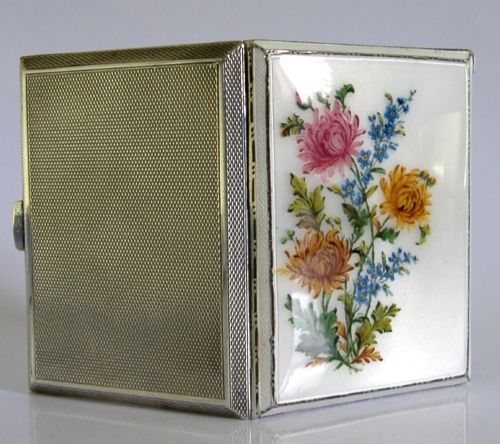
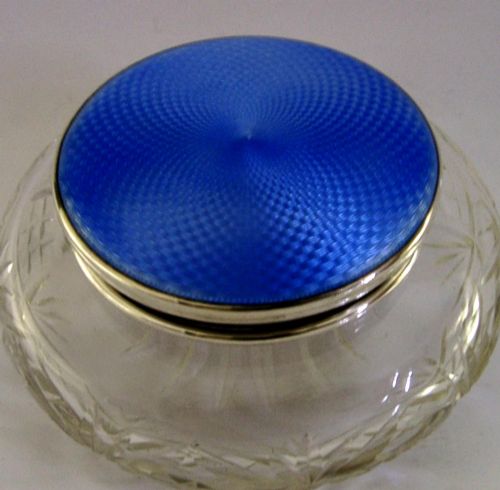
Twentieth-century production often utilised guilloché techniques, where a lathe engraved geometric patterns into the metal before translucent enamel was applied, allowing the pattern to show through the glossy coloured glass layer.
Retail Price Guide 2026
Typical UK retail prices for enamel box, calculated from the Sellingantiques database of over a million retail prices indexed since 2003. This retail price guide relies exclusively on Sellingantiques data; no external sources or auction records are used, so the figures do not describe the wider market.
The archive shows antique enamel box listings spanning from the eighteenth-century Georgian era through the Art Deco period, utilising copper, brass, and sterling silver.
What varies in quality
The refinement of the hand-painted detail or the precision of the engine-turned guilloché pattern dictates the standing of an antique enamel box. Crispness in the metal mounts and the preservation of the vitreous paste without hairline fractures separate superior pieces from standard examples.
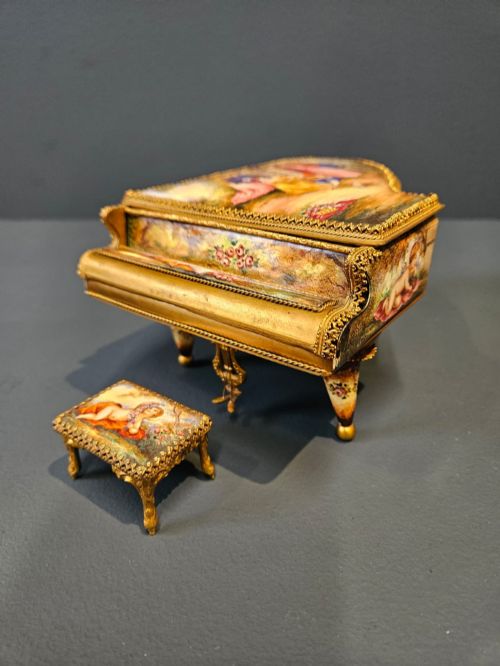
The complexity of the form also influences distinction, moving from simple circular pill containers to shaped novelty designs moulded as beetles, ladies or animals, alongside substantial multi-hinged table caskets.
Bilston Enamel·South Staffordshire Enamel·Steinhart and Co·David Andersen
The Antique Enamel Box Glossary
- Bilston enamel
- A term applied to enamel boxes produced in the Staffordshire town of Bilston during the eighteenth century. These pieces typically feature copper bases with detailed hand-painted pastoral or sentimental scenes.
- Guilloché
- A decorative technique where a mechanical lathe engraves a precise, intricate geometric pattern into a metal substrate. Translucent enamel layered over this engraving creates a shimmering, reflective depth.
- Patch box
- A small container originally used to hold cosmetic fabric patches worn on the face during the Georgian period. Interiors frequently retain their original small mirrors fitted inside the lid.
- Vinaigrette
- A small hinged box containing a perforated internal grille that held a sponge soaked in aromatic vinegar. These pieces were carried to mask unpleasant odours in public spaces.
- Pounce
- A fine powder sprinkled on rough paper to prepare it for writing, occasionally housed in specialised early containers. The term connects to small desktop accessories of the eighteenth century.
Frequently Asked Questions
What were antique enamel boxes used for?
These vessels held small personal items such as medicinal pills, ground tobacco snuff, cosmetic patches and personal trinkets. Their portable nature allowed owners to carry small luxuries throughout the day.
Larger variations served on dressing tables to store jewellery, rings and small keepsakes. They functioned as both practical accessories and displays of personal wealth and taste.
How can I date an antique enamel box?
Eighteenth-century examples typically feature copper or brass bases with thick, hand-painted opaque enamel and simple wire hinges. Twentieth-century pieces more often utilise sterling silver mounts, hallmarks and machine-engraved guilloché surfaces.
Examining the style of the painted subject matter, clothing in figural scenes and the construction of the metal rims provides reliable clues to the decade of manufacture.
How do I clean an antique enamel box?
Dust the surface gently with a soft, dry cloth to remove everyday particles. Avoid soaking the piece in water, as moisture can penetrate hairline fractures or weaken historic metal cements and glues.
Keep silver mounts polished with an appropriate cloth while ensuring polish does not contact the enamel surface. Store the boxes away from direct sunlight and extreme temperature changes.
What is the difference between Bilston and Staffordshire boxes?
Bilston enamel boxes were produced specifically within the town of Bilston in Staffordshire, known for specialised enamelling workshops. Staffordshire enamel is a broader regional term encompassing pieces made across the wider county.
Both categories share similar eighteenth-century copper bases and painted techniques, making exact attribution dependent on documented stylistic markers and historical shapes.