




Georgian Enamel Box
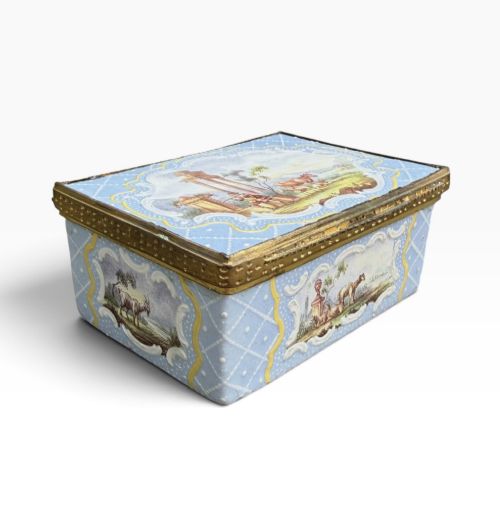
These small copper and enamel containers, known as a georgian enamel box, offered polite eighteenth-century society a stylish way to carry snuff, patches or pills.

What a georgian enamel box is
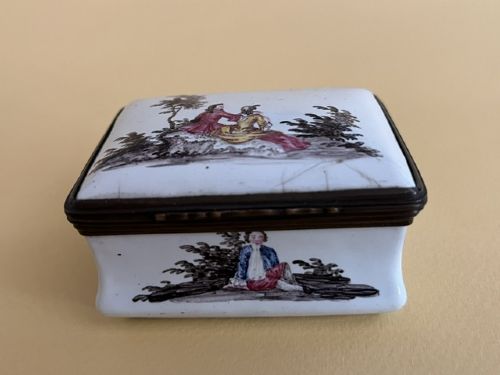
When searching for a georgian enamel box, you are looking at small personal containers produced primarily during the eighteenth century. The versions most commonly met on this page include patch boxes, pill boxes and snuff boxes originating from Staffordshire and Bilston.
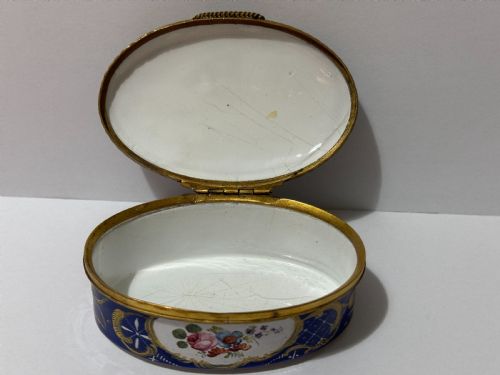
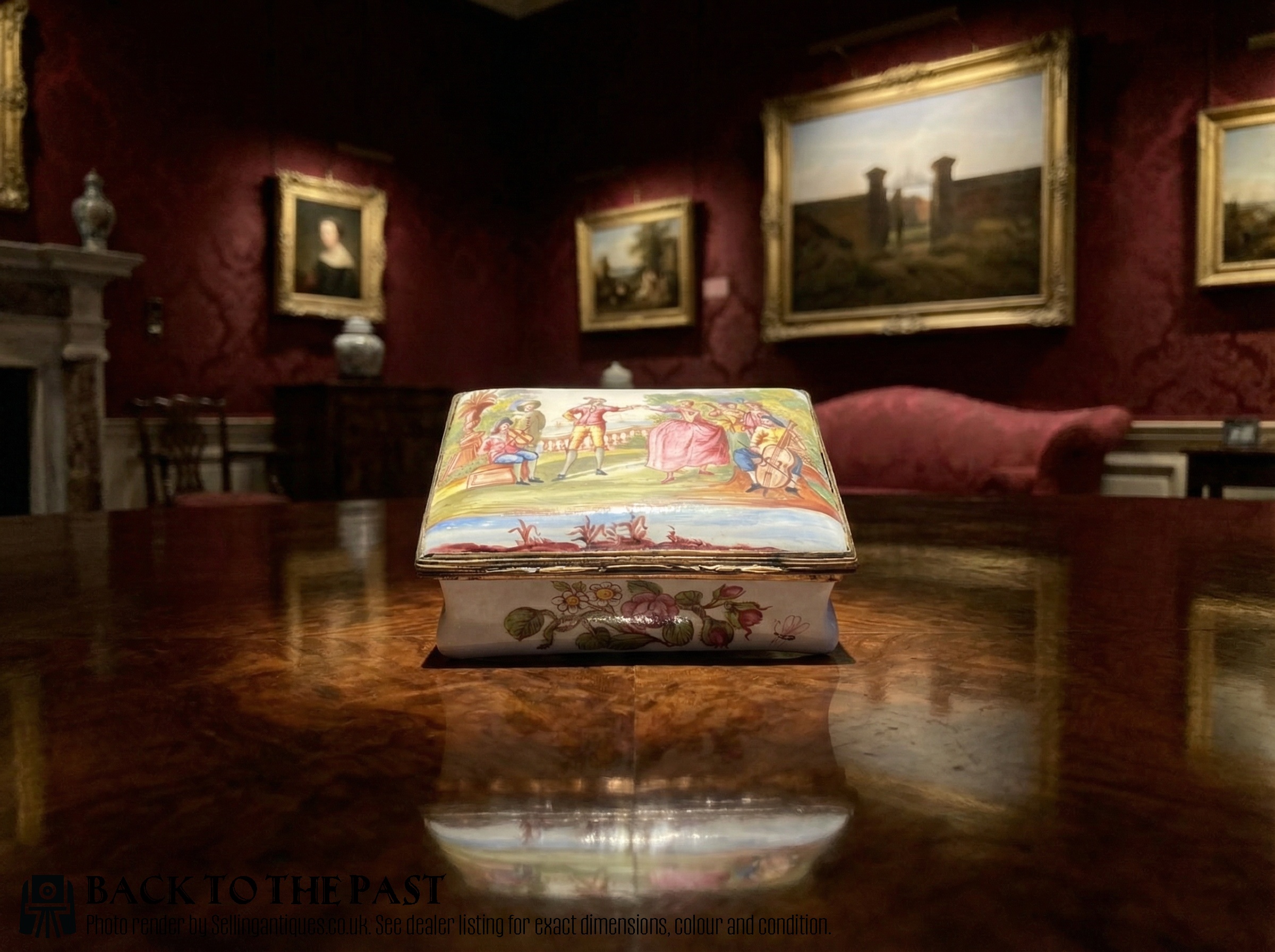
The objects often feature specific decorative themes, such as floral motifs, parkland scenes with musicians, or sentimental inscriptions like a token of esteem. Some specialised examples incorporate mirrors inside the lid or serve as misers snuff boxes.
Distinctions in quality
The standard of a piece depends heavily on the precision of the enamel work and the delicacy of the painted subject matter. Examples depicting complex scenes like figures in parkland or specific animals demand greater skill than simple floral patterns.
Retail Price Guide 2026
Typical UK retail prices for georgian enamel box, calculated from the Sellingantiques database of over a million retail prices indexed since 2003. This retail price guide relies exclusively on Sellingantiques data; no external sources or auction records are used, so the figures do not describe the wider market.
Listings demonstrate that eighteenth-century Bilston production forms the core of surviving examples, supplemented by nineteenth-century pieces.
Bilston·Staffordshire
The Georgian Enamel Box Glossary
- Bilston enamel
- A term for painted enamel objects produced in the Staffordshire town of Bilston during the eighteenth century. These items represent a major hub of English enamel production.
- Patch box
- A small container originally used to hold cosmetic silk patches worn on the face. They frequently feature a mirror fitted to the interior lid.
- Snuff box
- A small pocket-sized container designed to hold powdered tobacco. Eighteenth-century examples often display finely painted lids.
- Pill box
- A miniature lidded container made for carrying medicinal pills. They share the same copper and enamel construction methods as larger patch boxes.
- Rococo Revival
- A nineteenth-century design style that revived the ornate, asymmetrical curves of the mid-eighteenth century. Pieces from this era reflect earlier decorative tastes.
Frequently Asked Questions
What did people keep in a georgian enamel box?
These containers held practical personal items required during daily eighteenth-century life. Owners stored small cosmetic silk patches, medicinal pills or dry tobacco snuff inside them.
The specific shape often indicated its purpose, with shallow boxes serving for patches and deeper vessels housing snuff.
Where were these enamel boxes made?
The vast majority originate from English workshops operating in Staffordshire and the specialist manufacturing town of Bilston. These regions dominated eighteenth-century enamel production.
Craftsmen in these areas shaped copper bases and applied the characteristic painted enamel finishes.
How can I tell the period of an enamel box?
Dating relies on examining the construction materials, the style of the metal mounts, and the nature of the painted decoration. Eighteenth-century pieces typically exhibit characteristic Bilston or Staffordshire traits.
Later nineteenth-century examples often adopt Rococo Revival styles rather than authentic Georgian manufacture.
Did these boxes always have mirrors inside?
Mirrors appear frequently inside the lids of patch boxes, allowing the owner to check the placement of cosmetic face patches. Pill boxes and snuff boxes generally omitted interior mirrors.
The presence of a mirror helps identify the original intended use of the container.