





18th Century Snuff Box
An 18th century snuff box offers a tactile glimpse into Georgian social rituals through miniature metalwork, enamel, and carved wood.
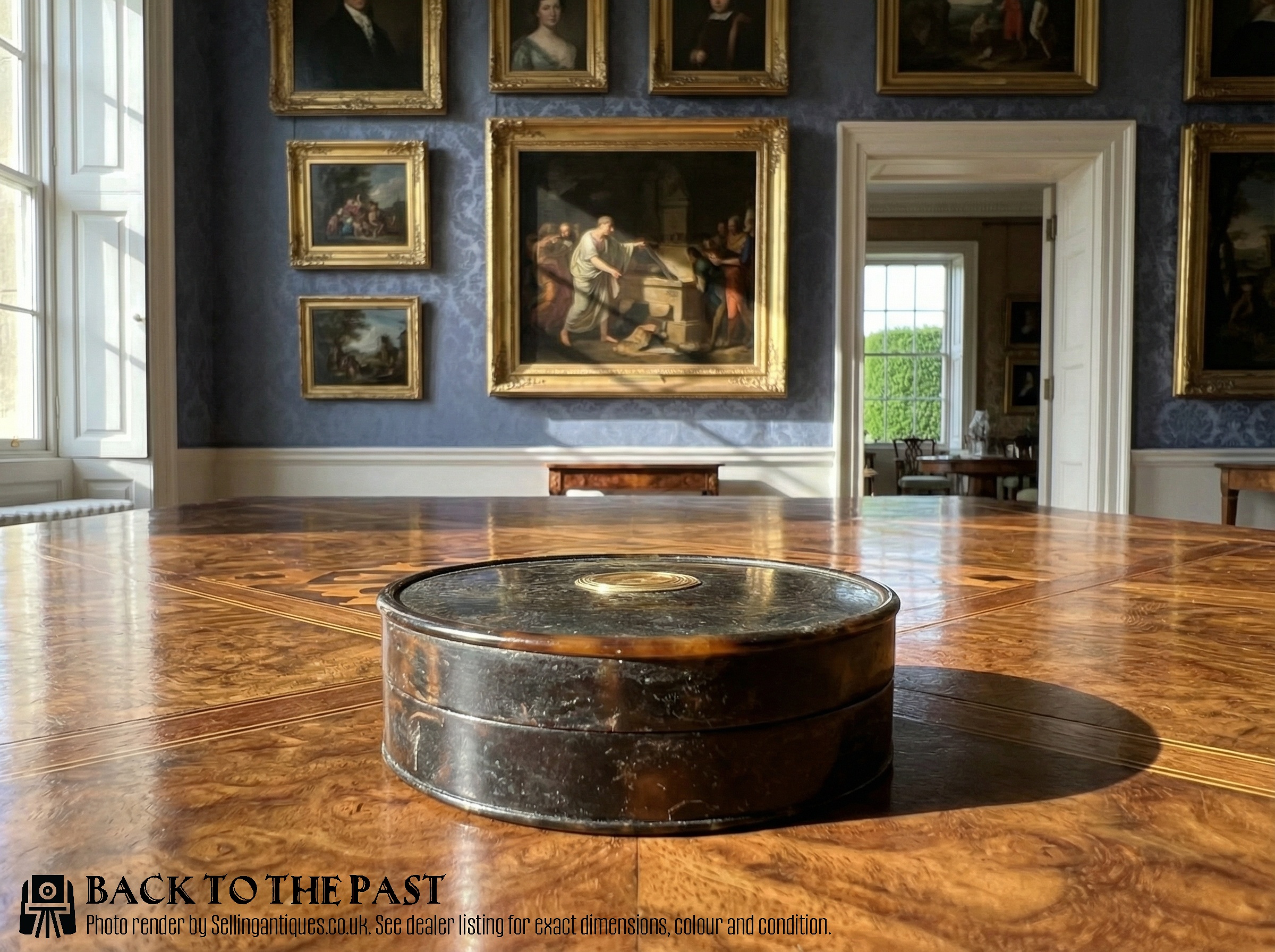
18th Century Snuff Box
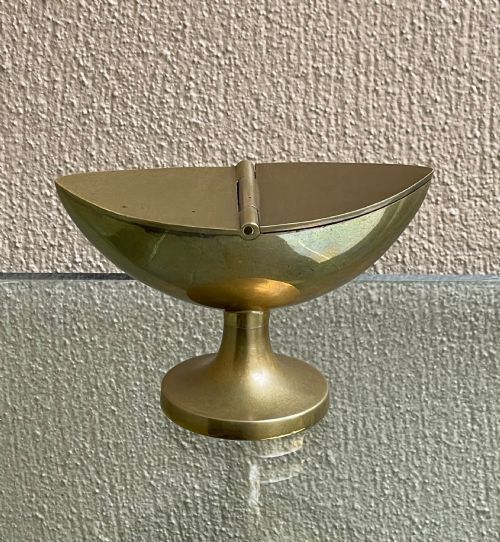
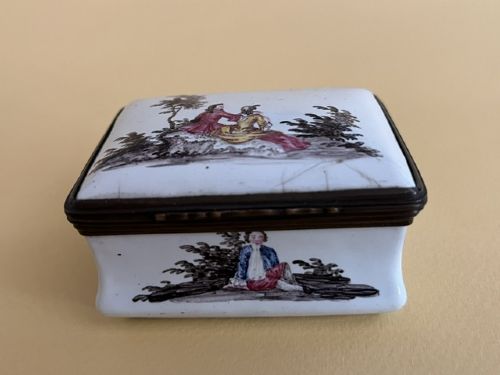
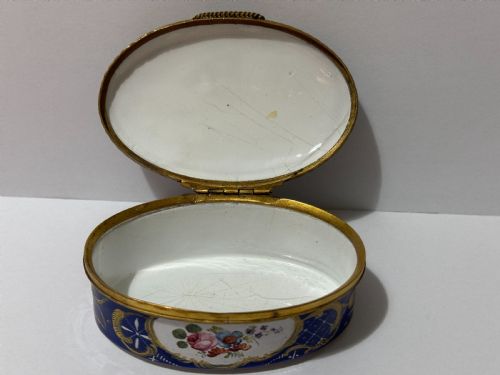
An 18th century snuff box encompasses small, portable containers designed to hold powdered tobacco, alongside related patch and trinket boxes from the same era. Buyers encounter pocket-sized specimens fashioned from sterling silver, copper, and brass, as well as delicate enamel pieces originating from Staffordshire workshops.
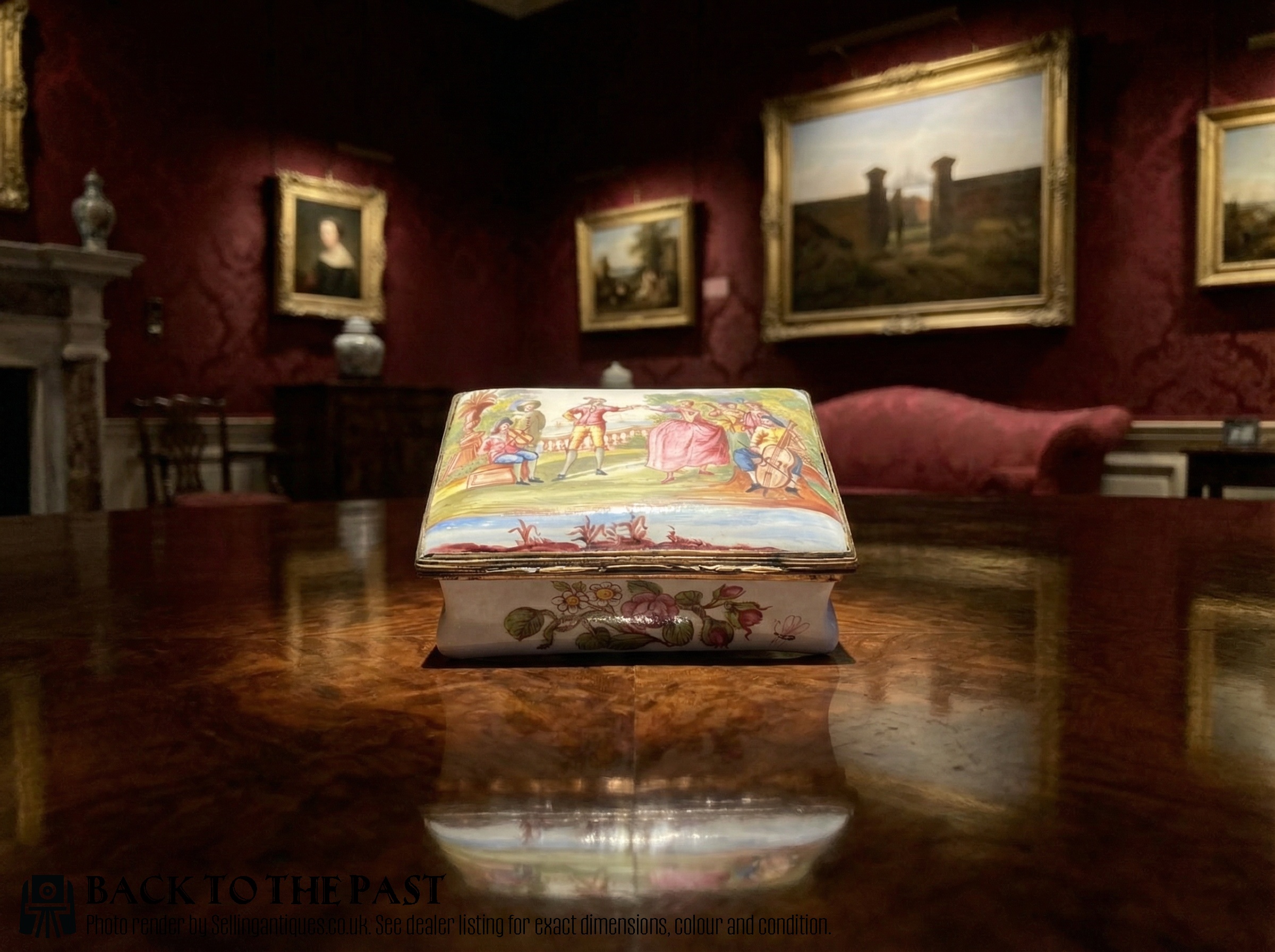
Materials and construction
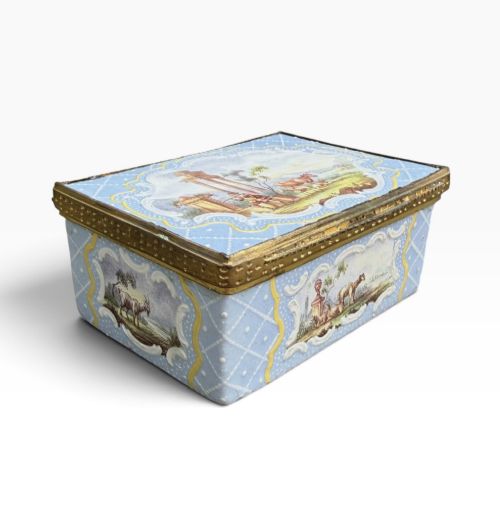
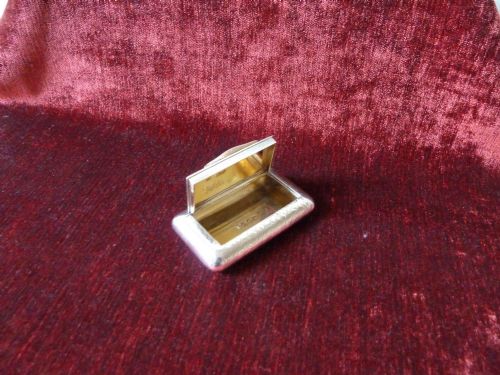
Makers utilised metals such as silver, copper, and brass, often applying fire-gilding to create a rich gold-coloured surface over silver. Enamel pieces required fusing powdered glass to copper bases in a kiln, allowing artisans to hand-paint intricate pastoral or mythological scenes onto the lids.
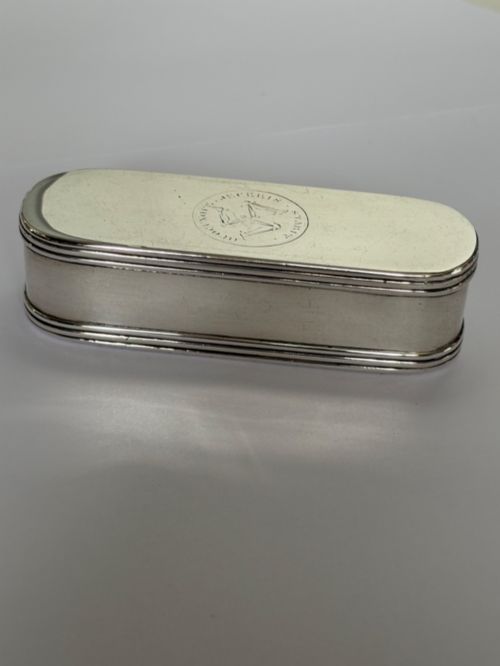
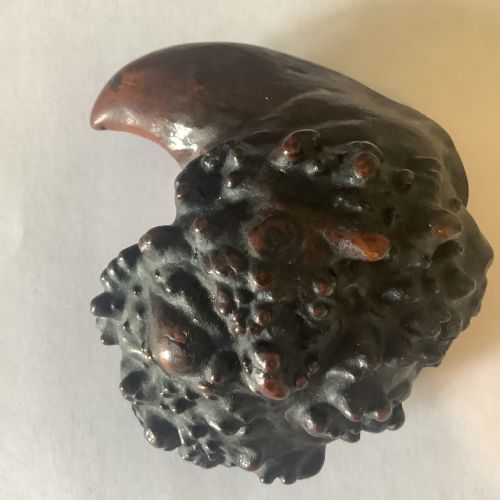
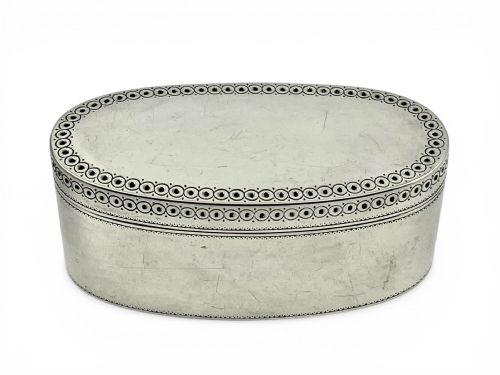
Organic items relied on skilled carving and turning of dense materials like coquilla nut, boxwood, and walnut. Metal boxes frequently employed hinges, bright-cut engraving, and repoussé decoration to shape rococo motifs and armorial crests.
18th Century Snuff Box Retail Price Guide 2026
Typical asking prices for 18th century snuff box among the pieces listed under this phrase on Sellingantiques today, from the lower quarter to the upper quarter. They describe what is for sale here now, not the wider market.
Listings feature organic materials like coquilla nut, tortoiseshell, and pony skin alongside traditional silver, copper, and enamel.
Quality factors
The finesse of the hand-painted enamel miniature or the crispness of the bright-cut silver engraving dictates the upper tier of the range. Intricate casting, such as heavy-gauge brass or detailed silver-gilt work with well-fitted hinges, distinguishes superior specimens from simpler utility pieces.
The preservation of the original surface finish, whether intact glaze on a Staffordshire enamel or uncompromised carved detail on organic treen, governs desirability. Maker marks and assay stamps on silver pieces also provide tangible markers of provenance and quality.
Cornelius Bland·Samuel Pemberton·Thomas Willmore·Phipps and Robinson
The 18th Century Snuff Box Glossary
- Bilston enamel
- A type of vitreous enamel painted on copper, produced in the West Midlands town of Bilston during the Georgian period. These small containers often feature hinged lids decorated with copperplate transfers or hand-painted vignettes.
- Coquilla nut
- The hard, dark brown fruit of a South American palm tree, frequently carved into intricate small boxes and novelty shapes during the eighteenth and nineteenth centuries. Its dense grain made it ideal for detailed turning and chip-carving.
- Bright-cut engraving
- A faceted surface engraving technique using a flat-bottomed V-shaped graving tool that leaves glittering, light-reflecting cuts. It appears commonly on late Georgian silver pill and snuff boxes.
- Treen
- Small handmade wooden household objects and decorative items. In this category, treen encompasses turned and carved pocket containers fashioned from walnut, boxwood, and maple.
- Repoussé
- A metalworking technique where the artisan hammers the metal from the reverse side to form a raised design in relief. It defines many rococo-style silver and brass boxes from the mid-eighteenth century.
18th Century Snuff Box: Frequently Asked Questions
What was an 18th century snuff box used for?
These pocket containers held finely ground tobacco known as snuff, which users consumed by inhaling small pinches through the nose. Wealthy Georgians carried them as fashionable accessories to display social standing during social gatherings.
Beyond tobacco, many similarly sized receptacles functioned as patch boxes for holding cosmetic beauty patches or as trinket boxes for small keepsakes and pills.
How can I tell a Bilston enamel box from other types?
Bilston enamels feature a smooth, fused glass coating applied over a copper base, typically decorated with painted landscapes, floral motifs, or sentimental inscriptions. They often display a characteristic pale pink, white, or turquoise enamel ground colour on the interior and base.
Staffordshire and South Staffordshire workshops produced similar enamel wares during the same decades, making exact attribution rely on stylistic similarities rather than distinct factory marks.
Were all these boxes made for snuff?
While the majority served the snuff-taking market, many surviving examples functioned as patch boxes, bonbonnières, or general trinket containers. Larger brass and copper items served as tobacco boxes for storing bulk leaf rather than personal pocket use.
Makers occasionally shaped containers as novelties, including shell forms, bird figures, or shoe shapes, which served decorative and conversational purposes alongside practical storage.
How do I care for an antique enamel or metal box?
Enamel pieces require gentle handling to prevent chipping or cracking of the fragile glass surface against hard objects. Dust them softly with a dry cloth and avoid harsh chemical cleaners or prolonged exposure to moisture.
Silver and brass containers benefit from minimal intervention, retaining their natural aged patina rather than aggressive polishing that might wear away fine engraving or thin fire-gilding.